Saul Traiger - Böcker
Visar alla böcker från författaren Saul Traiger. Handla med fri frakt och snabb leverans.
3 produkter
3 produkter
1 311 kr
Skickas inom 7-10 vardagar
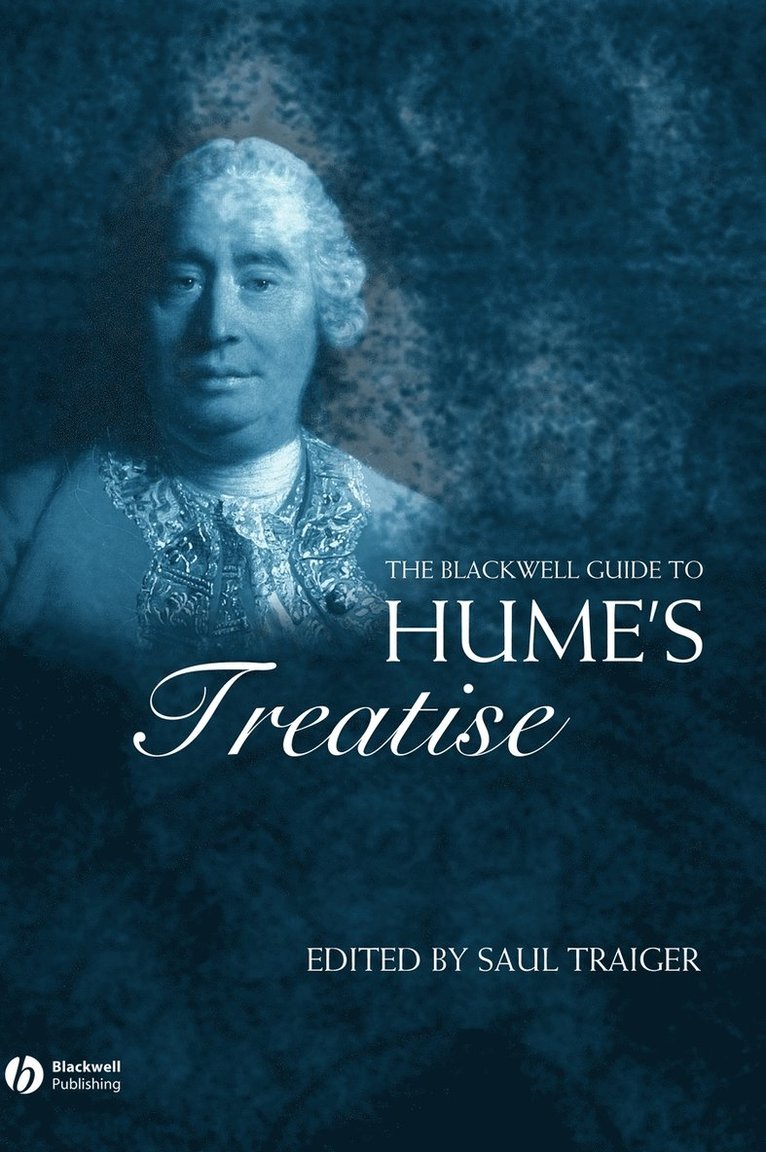
This Guide provides students with the scholarly and interpretive tools they need to understand Hume’s A Treatise of Human Nature and its influence on modern philosophy. A student guide to Hume’s A Treatise of Human Nature. Focuses on recent developments in Hume scholarship. Covers topics such as the formulation, reception and scope of the Treatise, imagination and memory, the passions, moral sentiments, and the role of sympathy. All the chapters are newly written by Hume scholars. Each chapter guides the reader through a portion of the Treatise, explaining the central arguments and key contemporary interpretations of those arguments.
441 kr
Skickas inom 7-10 vardagar
This Guide provides students with the scholarly and interpretive tools they need to understand Hume’s A Treatise of Human Nature and its influence on modern philosophy. A student guide to Hume’s A Treatise of Human Nature. Focuses on recent developments in Hume scholarship. Covers topics such as the formulation, reception and scope of the Treatise, imagination and memory, the passions, moral sentiments, and the role of sympathy. All the chapters are newly written by Hume scholars. Each chapter guides the reader through a portion of the Treatise, explaining the central arguments and key contemporary interpretations of those arguments.
447 kr
Skickas inom 7-10 vardagar
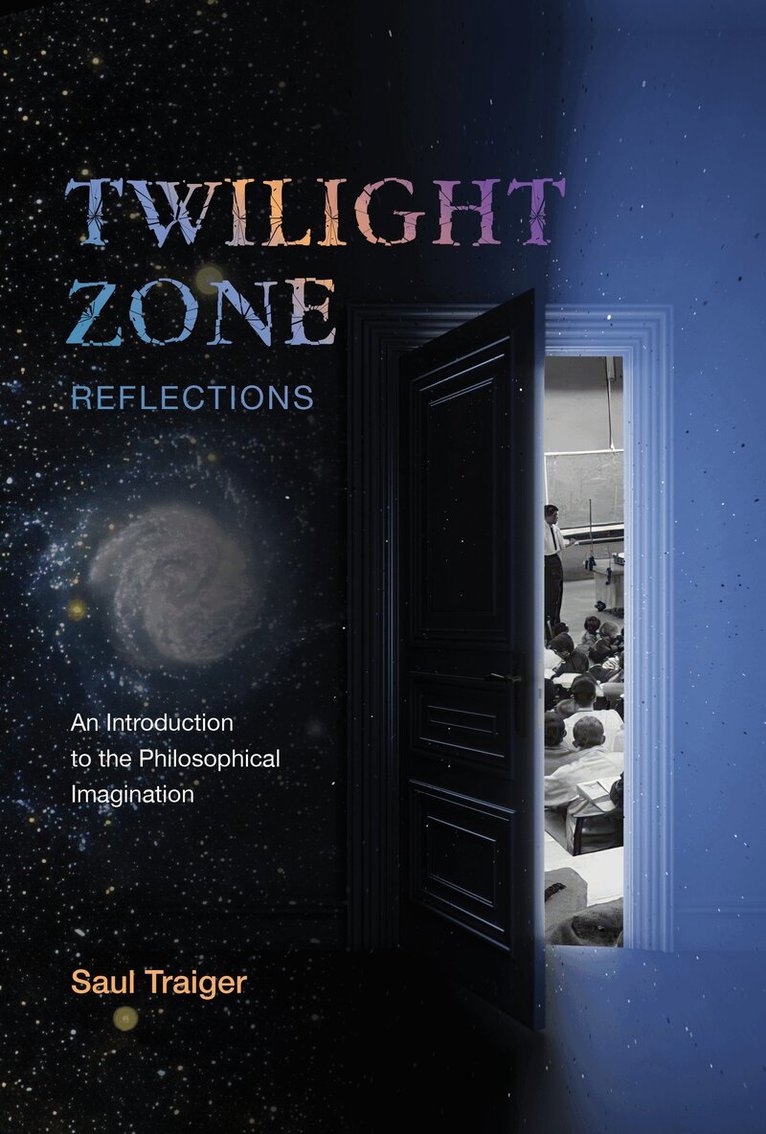
Twilight Zone Reflections is the first book of its kind to explore the entirety of The Twilight Zone (1959–1964) as a series. It acts as both an introduction to the field of philosophy and as a complete guide to the philosophical issues illustrated throughout the original 1959-64 television series. Author Saul Traiger explores each of the 156 episodes, investigating the show’s themes in metaphysics, epistemology, moral and political philosophy, and other topics in a way that is accessible to both seasoned philosophers and those outside academia. Each short chapter dives into a single episode and concludes with helpful cross-references to other episodes that explore similar philosophical problems and subjects. For example, a reader may be interested in questions about the nature of the mind and whether machines can think. By referencing this book, they could easily discover the thematic connections between episodes like “I Sing the Body Electric” or “The Lateness of the Hour,” and learn how both episodes introduce the viewer to possible worlds that challenge us to consider whether our idea of the mind, and even our very personhood, extends beyond the human to robots and other artificial intelligences. Each chapter introduces fundamental philosophical questions such as these through the lens of The Twilight Zone and inspires additional exploration. Further readings are suggested for all episodes, making this volume indispensable to academics, students, and fans of the show. Each chapter is short and accessible, ensuring that this book is the perfect resource to accompany a complete series re-watch. The Twilight Zone considered questions that strike at the heart of philosophical inquiry, such as the nature of self, the existence of god, the possibility of an afterlife, the relationship between knowledge and mental illness, the nature of possibility, even the nature of imagination itself, and so much more. Traiger argues that each episode can serve as an entry point for philosophical reflection. Twilight Zone Reflections is a valuable reference for anyone interested in exploring a well-known slice of popular culture history that doubles as a vast store of philosophical ideas.