S.C. Minocha – författare
Visar alla böcker från författaren S.C. Minocha. Handla med fri frakt och snabb leverans.
6 produkter
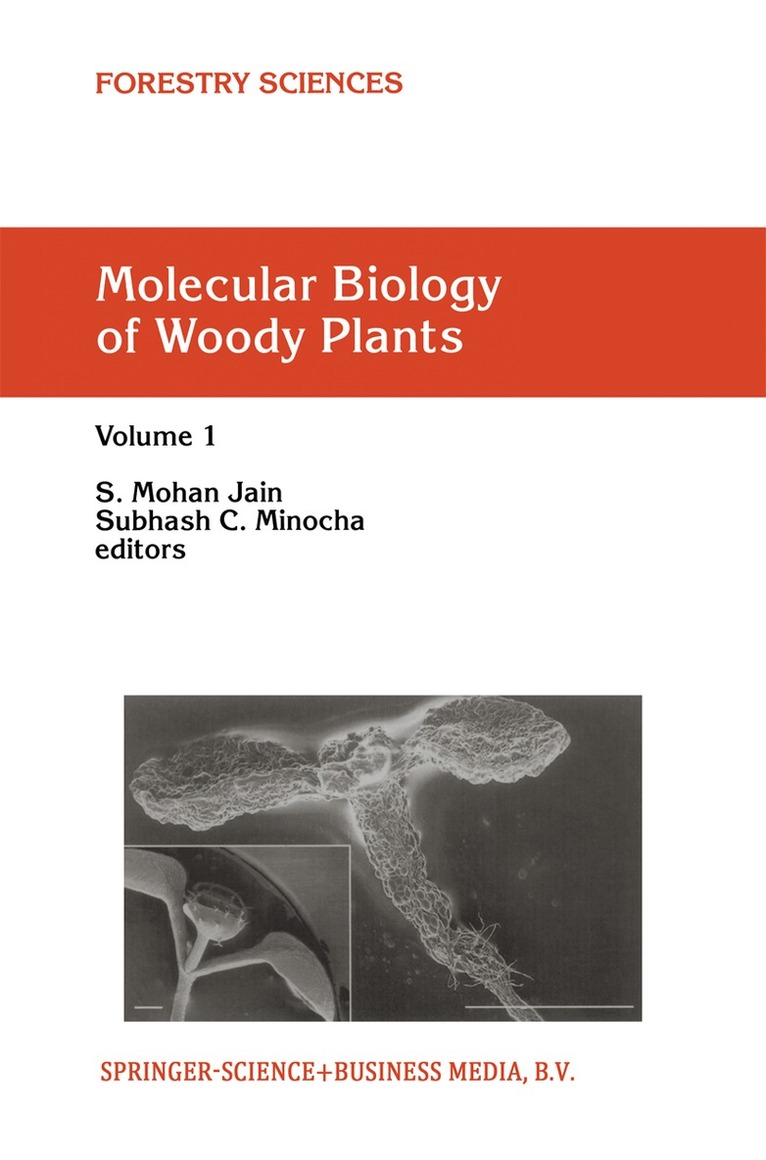
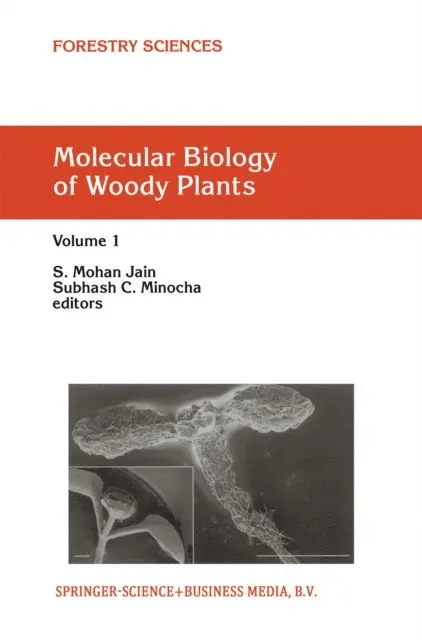
Molecular Biology of Woody Plants
Volume 1
Inbunden, 1999
2185 kr
Lägg i varukorg
This overview of various aspects of plant molecular biology that are relevant to the improvement of woody plants, is divided into two volumes. In Volume 1, background information on genetic engineering and molecular marker techniques is emphasized, whereas Volume 2 contains specific examples of …
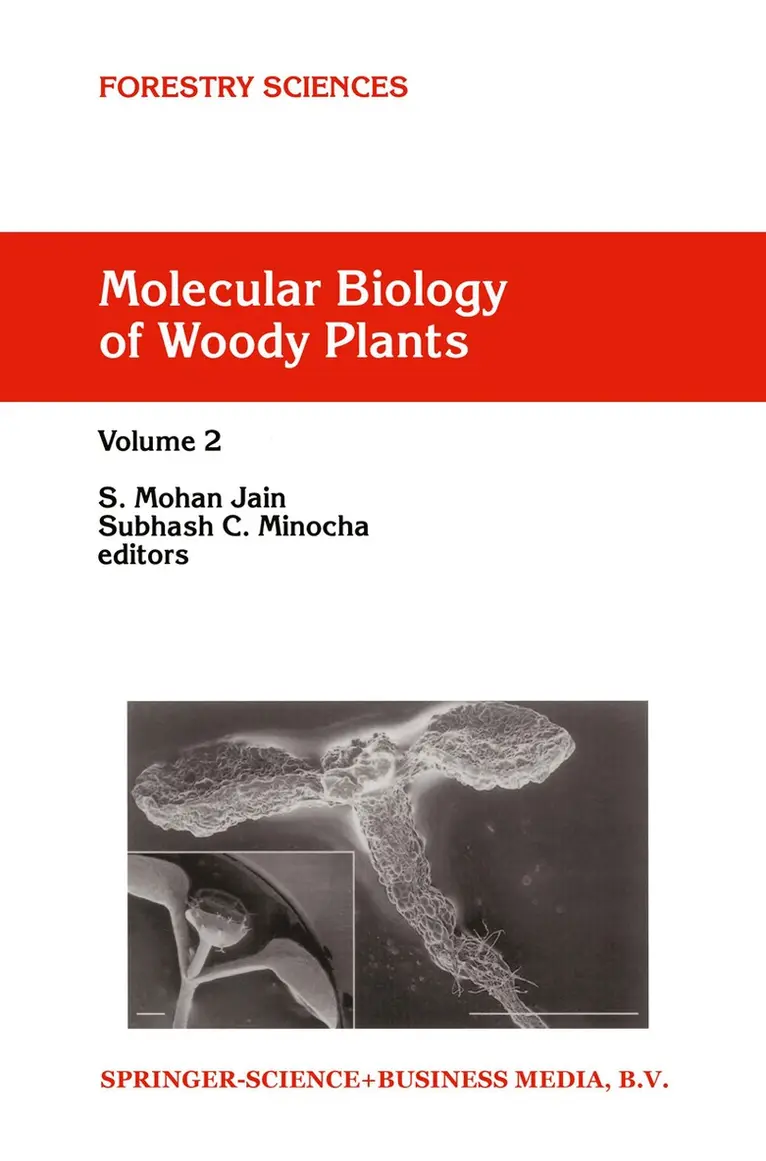
Molecular Biology of Woody Plants
Volume 2
Inbunden, 2000
2185 kr
Lägg i varukorg
Woody plants belong to various taxonomic groups, which are heterogeneous in morphology, physiology, and geographic distribution. OtheJWise, they have neither strong evolutionruy relationships nor share a conunon habitat. They are a primaIy source of fiber and timber, and also include many edible …
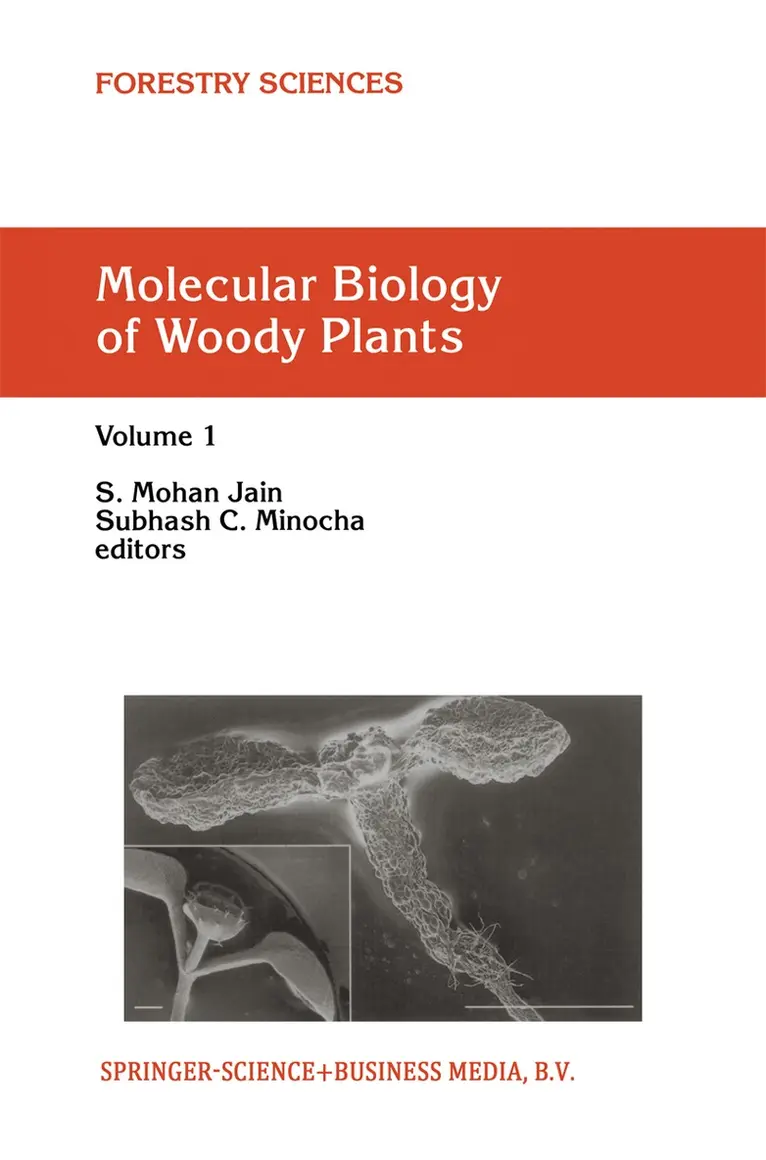
Molecular Biology of Woody Plants
Volume 1
Häftad, 2011
2185 kr
Lägg i varukorg
Woody plants constitute an artificial and heterogeneous group of plants that share some common phenotypic characteristics but otherwise have no strong evolutionary relationships, nor do they share a common habitat. They are a primary source of fiber and timber, and also include many edible fruit …
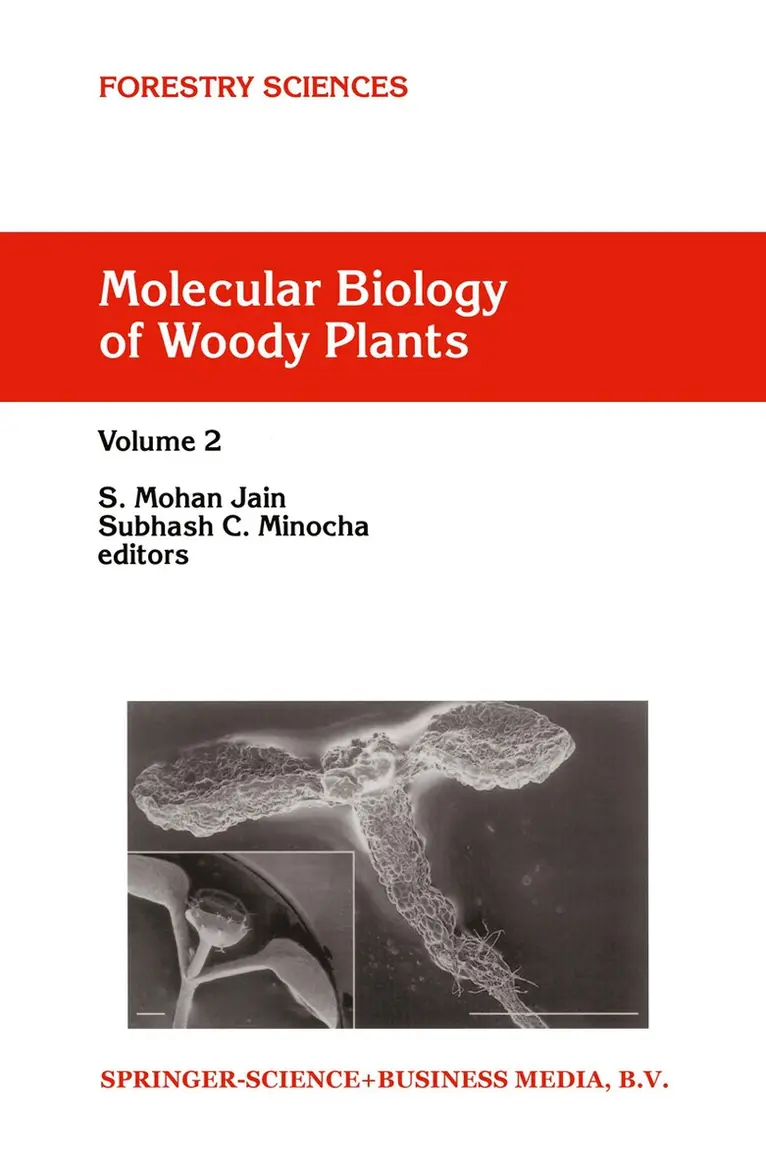
Molecular Biology of Woody Plants
Volume 2
Häftad, 2011
2185 kr
Lägg i varukorg
This book covers various aspects of plant molecular biology that are relevant to the improvement of woody plants, and is divided into two volumes. In Volume 1, background information on genetic engineering and molecular marker techniques is emphasized, whereas Volume 2 contains specific examples of …
Molecular Biology of Woody Plants
Volume 1
E-bok, 2013
2925 kr
Lägg i varukorg
Woody plants constitute an artificial and heterogeneous group of plants that share some common phenotypic characteristics but otherwise have no strong evolutionary relationships, nor do they share a common habitat. They are a primary source of fiber and timber, and also include many edible fruit …
Molecular Biology of Woody Plants
Volume 2
E-bok, 2013
2925 kr
Lägg i varukorg
Woody plants belong to various taxonomic groups, which are heterogeneous in morphology, physiology, and geographic distribution. OtheJWise, they have neither strong evolutionruy relationships nor share a conunon habitat. They are a primaIy source of fiber and timber, and also include many edible …