Scott Creighton – författare
Visar alla böcker från författaren Scott Creighton. Handla med fri frakt och snabb leverans.
7 produkter
Secret Chamber of Osiris
Lost Knowledge of the Sixteen Pyramids
E-bok, 2014
196 kr
Lägg i varukorg
Reveals the true purpose behind the pyramids of Giza and the location of the secret vault of Egyptian treasures hidden on the Giza plateau • Details how the first 16 pyramids represent the allegorical “dismembered body of Osiris” and the legendary missing part is a secret underground chamber • …
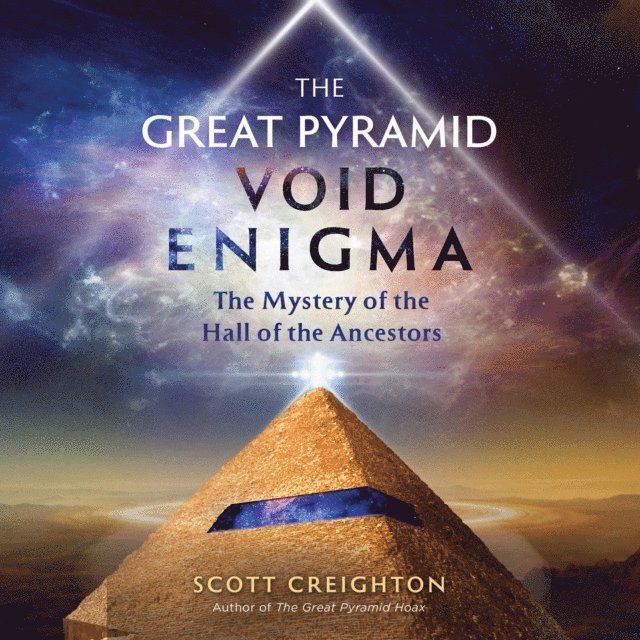
Great Pyramid Void Enigma
The Mystery of the Hall of the Ancestors
E-bok, 2021
186 kr
Lägg i varukorg
• Analyzes ancient Coptic-Egyptian texts and evidence from astronomy and archaeology to show how the Big Void may be a grand “Hall of Ancestors” • Explores the controversy surrounding the discovery of the Big Void and debunks many of the theories regarding the purpose of this massive new “chamber” …
Great Pyramid Hoax
The Conspiracy to Conceal the True History of Ancient Egypt
E-bok, 2016
173 kr
Lägg i varukorg
Reveals how the only hard evidence that dates the Great Pyramid--the quarry marks discovered by Colonel Vyse in 1837--was forged • Includes evidence from the time of the discovery of the marks: Vyse’s private field notes, surveys, facsimile drawings, and eye-witness testimony • Explains why Vyse …
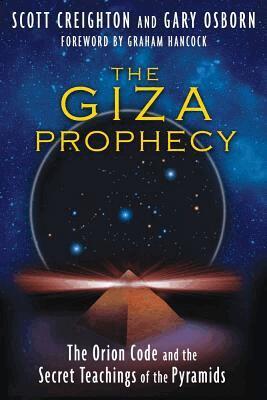
Giza Prophecy
The Orion Code and the Secret Teachings of the Pyramids
Av Gary Osborn, Scott Creighton
E-bok, 2012
173 kr
Lägg i varukorg
A detailed study of the proportions of the Giza pyramids and how they reveal shifts in the Earth’s axis in the remote past—and near future • Debunks the “pyramids as tombs” theory and shows how they are “recovery vaults” to ensure the rebirth of civilization after a global disaster • Explains in …
Great Pyramid Void Enigma
The Mystery of the Hall of the Ancestors
Ljudbok, 2021
286 kr
Lägg i varukorg
Analyzes ancient Coptic-Egyptian texts and evidence from astronomy and archaeology to show how the Big Void may be a grand Hall of Ancestors Explores the controversy surrounding the discovery of the Big Void and debunks many of the theories regarding the purpose of this massive new chamber Reveals …
Giza Prophecy
The Orion Code and the Secret Teachings of the Pyramids
Av Scott Creighton, Gary Osborn
Häftad, 2012
248 kr
Tillfälligt slut
Offering a radical new perspective on the Great Pyramid of Giza and all the structures surrounding it, including the Sphinx, Scott Creighton and Gary Osborn show how the designers of Giza intentionally arranged these massive structures to create an astronomical timeline recording catastrophic …
Secret Chamber of Osiris
Lost Knowledge of the Sixteen Pyramids
Häftad, 2015
236 kr
Tillfälligt slut
After nearly 200 years of the pyramid-as-tomb theory, a growing body of evidence suggests the first 16 pyramids of ancient Egypt were not royal tombs but nearly indestructible recovery vaults designed to revive civilization after an anticipated major catastrophe, the Deluge of Thoth. Scott …