Scott Kugle – författare
Visar alla böcker från författaren . Handla med fri frakt och snabb leverans.
13 produkter
13 produkter
Inbunden, Engelska, 2006
557 kr
Skickas inom 5-8 vardagar
This book examines the authority of saints in Islam and their ability to build communities among Muslims in North Africa. It analyzes the power generated in religious communities through their allegiance to saints, a power usually identified with the term "Sufism." In the late 15th and 16th centuries, a community of Sufis in Fes (Fez), Morocco, and other urban centers in North Africa advocated this paradigm of sainthood during a time of intense political and religious crisis. Juridical sainthood, a concept that fuses Islamic legal rectitude and devotional piety, was the center of their reformist agenda. The juridical saint was to be absorbed in legal training and religious values, in ways that questioned political loyalty and dynastic legitimacy. Scott A. Kugle explores this tradition by focusing on the life and writings of Shaykh Ahmad Zarruq. Following his exile from Fes, Zarruq traveled widely over North Africa, spreading his teachings and writings and attracting followers from Morocco to Mecca. The life and teachings of Zarruq remain useful for Muslims. They are a piece of the past that present-day Muslims are rediscovering and redeploying to reconcile Islam's heritage with its very troubled post-colonial present.
E-bok
Engelska, 2011387 kr
Läs direkt efter köp
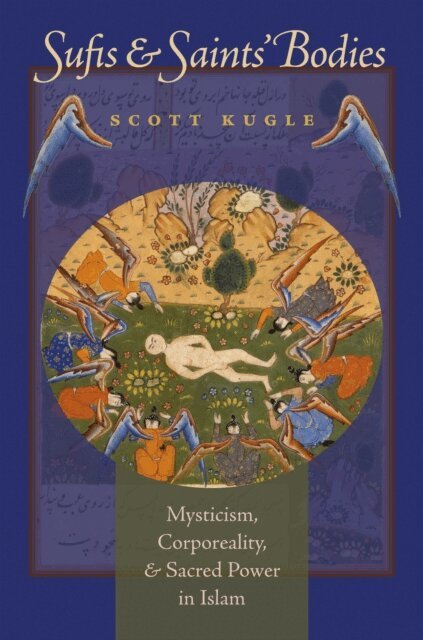
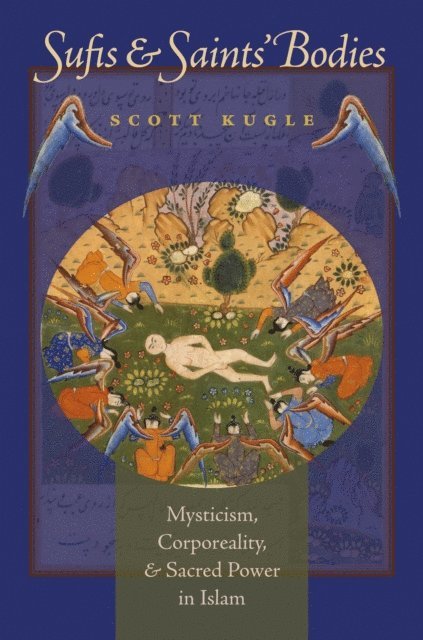
Islam is often described as abstract, ascetic, and uniquely disengaged from the human body. Scott Kugle refutes this assertion in the first full study of Islamic mysticism as it relates to the human body. Examining Sufi conceptions of the body in religious writings from the late fifteenth through the nineteenth century, Kugle demonstrates that literature from this era often treated saints'' physical bodies as sites of sacred power.Sufis and Saints'' Bodies focuses on six important saints from Sufi communities in North Africa and South Asia. Kugle singles out a specific part of the body to which each saint is frequently associated in religious literature. The saints'' bodies, Kugle argues, are treated as symbolic resources for generating religious meaning, communal solidarity, and the experience of sacred power. In each chapter, Kugle also features a particular theoretical problem, drawing methodologically from religious studies, anthropology, studies of gender and sexuality, theology, feminism, and philosophy. Bringing a new perspective to Islamic studies, Kugle shows how an important Islamic tradition integrated myriad understandings of the body in its nurturing role in the material, social, and spiritual realms.
E-bok
PDF, Engelska, 20111 135 kr
Läs direkt efter köp
Islam is often described as abstract, ascetic, and uniquely disengaged from the human body. Scott Kugle refutes this assertion in the first full study of Islamic mysticism as it relates to the human body. Examining Sufi conceptions of the body in religious writings from the late fifteenth through the nineteenth century, Kugle demonstrates that literature from this era often treated saints'' physical bodies as sites of sacred power.Sufis and Saints'' Bodies focuses on six important saints from Sufi communities in North Africa and South Asia. Kugle singles out a specific part of the body to which each saint is frequently associated in religious literature. The saints'' bodies, Kugle argues, are treated as symbolic resources for generating religious meaning, communal solidarity, and the experience of sacred power. In each chapter, Kugle also features a particular theoretical problem, drawing methodologically from religious studies, anthropology, studies of gender and sexuality, theology, feminism, and philosophy. Bringing a new perspective to Islamic studies, Kugle shows how an important Islamic tradition integrated myriad understandings of the body in its nurturing role in the material, social, and spiritual realms.
Häftad, Engelska, 2016
521 kr
Skickas inom 10-15 vardagar
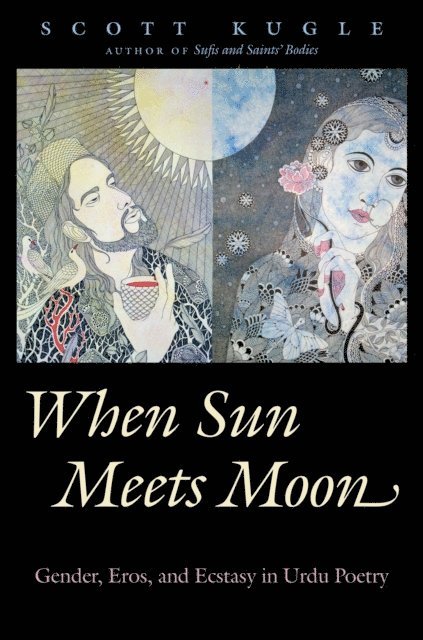
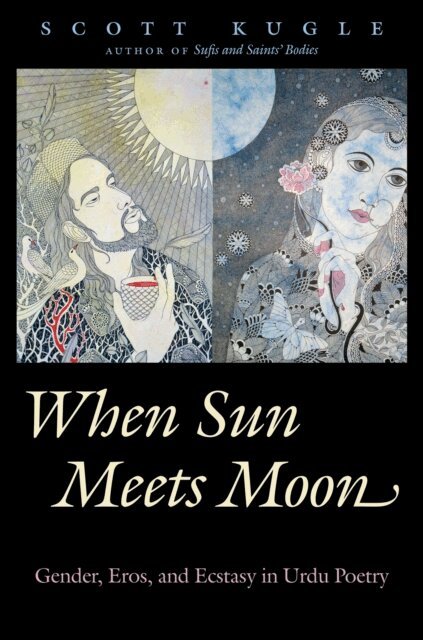
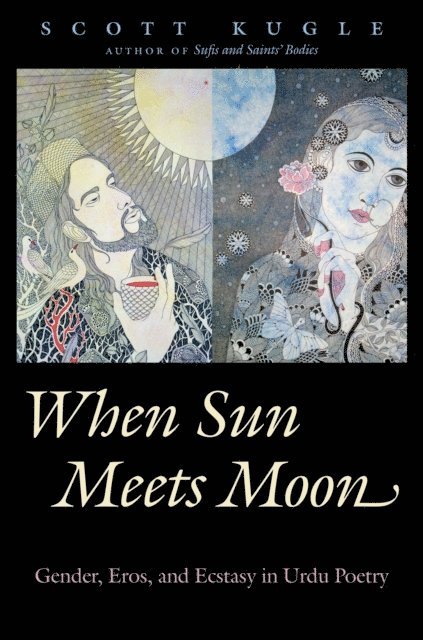
The two Muslim poets featured in Scott Kugle's comparative study lived separate lives during the eighteenth and early-nineteenth centuries in the Deccan region of southern India. Here, they meet in the realm of literary imagination, illuminating the complexity of gender, sexuality, and religious practice in South Asian Islamic culture. Shah Siraj Awrangabadi (1715-1763), known as ""Sun,"" was a Sunni who, after a youthful homosexual love affair, gave up sexual relationships to follow a path of personal holiness. Mah Laqa Bai Chanda (1768-1820), known as ""Moon,"" was a Shi'i and courtesan dancer who transferred her seduction of men to the pursuit of mystical love. Both were poets in the Urdu language of the ghazal, or love lyric, often fusing a spiritual quest with erotic imagery.Kugle argues that Sun and Moon expressed through their poetry exceptions to the general rules of heteronormativity and gender inequality common in their patriarchal societies. Their art provides a lens for a more subtle understanding of both the reach and the limitations of gender roles in Islamic and South Asian culture and underscores how the arts of poetry, music, and dance are integral to Islamic religious life. Integrated throughout are Kugle's translations of Urdu and Persian poetry previously unavailable in English.
E-bok
Engelska, 20161 257 kr
Läs direkt efter köp
The two Muslim poets featured in Scott Kugle’s comparative study lived separate lives during the eighteenth and early-nineteenth centuries in the Deccan region of southern India. Here, they meet in the realm of literary imagination, illuminating the complexity of gender, sexuality, and religious practice in South Asian Islamic culture. Shah Siraj Awrangabadi (1715-1763), known as “Sun,” was a Sunni who, after a youthful homosexual love affair, gave up sexual relationships to follow a path of personal holiness. Mah Laqa Bai Chanda (1768-1820), known as “Moon,” was a Shi''i and courtesan dancer who transferred her seduction of men to the pursuit of mystical love. Both were poets in the Urdu language of the ghazal, or love lyric, often fusing a spiritual quest with erotic imagery.Kugle argues that Sun and Moon expressed through their poetry exceptions to the general rules of heteronormativity and gender inequality common in their patriarchal societies. Their art provides a lens for a more subtle understanding of both the reach and the limitations of gender roles in Islamic and South Asian culture and underscores how the arts of poetry, music, and dance are integral to Islamic religious life. Integrated throughout are Kugle’s translations of Urdu and Persian poetry previously unavailable in English.
Inbunden, Engelska, 2016
1 353 kr
Skickas inom 10-15 vardagar
The two Muslim poets featured in Scott Kugle's comparative study lived separate lives during the eighteenth and early-nineteenth centuries in the Deccan region of southern India. Here, they meet in the realm of literary imagination, illuminating the complexity of gender, sexuality, and religious practice in South Asian Islamic culture. Shah Siraj Awrangabadi (1715-1763), known as ""Sun,"" was a Sunni who, after a youthful homosexual love affair, gave up sexual relationships to follow a path of personal holiness. Mah Laqa Bai Chanda (1768-1820), known as ""Moon,"" was a Shi'i and courtesan dancer who transferred her seduction of men to the pursuit of mystical love. Both were poets in the Urdu language of the ghazal, or love lyric, often fusing a spiritual quest with erotic imagery.Kugle argues that Sun and Moon expressed through their poetry exceptions to the general rules of heteronormativity and gender inequality common in their patriarchal societies. Their art provides a lens for a more subtle understanding of both the reach and the limitations of gender roles in Islamic and South Asian culture and underscores how the arts of poetry, music, and dance are integral to Islamic religious life. Integrated throughout are Kugle's translations of Urdu and Persian poetry previously unavailable in English.
Inbunden, Engelska, 2021
1 273 kr
Skickas inom 10-15 vardagar
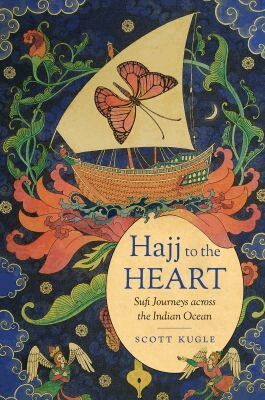
Against the sweeping backdrop of South Asian history, this is a story of journeys taken by sixteenth-century reformist Muslim scholars and Sufi mystics from India to Arabia. At the center is the influential Sufi scholar Shaykh Ali Muttaqi and his little-known network of disciples. Scott Kugle relates how &Ali Muttaqi, an expert in Arabic, scriptural hermeneutics, and hadith, left his native South Asia and traversed treacherous seas to make the Hajj to Mecca. Settling in Mecca, he continued to influence his homeland from overseas. Kugle draws on his original translations of Arabic and Persian manuscripts, never before available in English, to trace Ali Muttaqi's devotional writings, revealing how the Hajj transformed his spiritual life and political loyalties.The story expands across three generations of peripatetic Sufi masters in the Mutaqqi lineage as they travel for purposes of pilgrimage, scholarship, and sometimes simply for survival along Indian Ocean maritime routes linking global Muslim communities. Exploring the political intrigue, scholarly debates, and diverse social milieus that shaped the colorful personalities of his Sufi subjects, Kugle argues for the importance of Indian Sufi thought in the study of hadith and of ethics in Islam.We are proud to announce that this book is freely available in an open-access enhanced edition thanks to TOME (Toward an Open Monograph Ecosystem)—a collaboration of the Association of American Universities, the Association of University Presses, and the Association of Research Libraries—and the generous support of Emory University and the Andrew W. Mellon Foundation.
Häftad, Engelska, 2021
472 kr
Skickas inom 10-15 vardagar
Against the sweeping backdrop of South Asian history, this is a story of journeys taken by sixteenth-century reformist Muslim scholars and Sufi mystics from India to Arabia. At the center is the influential Sufi scholar Shaykh Ali Muttaqi and his little-known network of disciples. Scott Kugle relates how &Ali Muttaqi, an expert in Arabic, scriptural hermeneutics, and hadith, left his native South Asia and traversed treacherous seas to make the Hajj to Mecca. Settling in Mecca, he continued to influence his homeland from overseas. Kugle draws on his original translations of Arabic and Persian manuscripts, never before available in English, to trace Ali Muttaqi's devotional writings, revealing how the Hajj transformed his spiritual life and political loyalties.The story expands across three generations of peripatetic Sufi masters in the Mutaqqi lineage as they travel for purposes of pilgrimage, scholarship, and sometimes simply for survival along Indian Ocean maritime routes linking global Muslim communities. Exploring the political intrigue, scholarly debates, and diverse social milieus that shaped the colorful personalities of his Sufi subjects, Kugle argues for the importance of Indian Sufi thought in the study of hadith and of ethics in Islam.We are proud to announce that this book is freely available in an open-access enhanced edition thanks to TOME (Toward an Open Monograph Ecosystem)—a collaboration of the Association of American Universities, the Association of University Presses, and the Association of Research Libraries—and the generous support of Emory University and the Andrew W. Mellon Foundation.
E-bok
PDF, Engelska, 2016295 kr
Läs direkt efter köp
The two Muslim poets featured in Scott Kugle’s comparative study lived separate lives during the eighteenth and early-nineteenth centuries in the Deccan region of southern India. Here, they meet in the realm of literary imagination, illuminating the complexity of gender, sexuality, and religious practice in South Asian Islamic culture. Shah Siraj Awrangabadi (1715-1763), known as “Sun,” was a Sunni who, after a youthful homosexual love affair, gave up sexual relationships to follow a path of personal holiness. Mah Laqa Bai Chanda (1768-1820), known as “Moon,” was a Shi''i and courtesan dancer who transferred her seduction of men to the pursuit of mystical love. Both were poets in the Urdu language of the ghazal, or love lyric, often fusing a spiritual quest with erotic imagery.Kugle argues that Sun and Moon expressed through their poetry exceptions to the general rules of heteronormativity and gender inequality common in their patriarchal societies. Their art provides a lens for a more subtle understanding of both the reach and the limitations of gender roles in Islamic and South Asian culture and underscores how the arts of poetry, music, and dance are integral to Islamic religious life. Integrated throughout are Kugle’s translations of Urdu and Persian poetry previously unavailable in English.
E-bok
PDF, Engelska, 2016889 kr
Läs direkt efter köp
The two Muslim poets featured in Scott Kugle’s comparative study lived separate lives during the eighteenth and early-nineteenth centuries in the Deccan region of southern India. Here, they meet in the realm of literary imagination, illuminating the complexity of gender, sexuality, and religious practice in South Asian Islamic culture. Shah Siraj Awrangabadi (1715-1763), known as “Sun,” was a Sunni who, after a youthful homosexual love affair, gave up sexual relationships to follow a path of personal holiness. Mah Laqa Bai Chanda (1768-1820), known as “Moon,” was a Shi''i and courtesan dancer who transferred her seduction of men to the pursuit of mystical love. Both were poets in the Urdu language of the ghazal, or love lyric, often fusing a spiritual quest with erotic imagery.Kugle argues that Sun and Moon expressed through their poetry exceptions to the general rules of heteronormativity and gender inequality common in their patriarchal societies. Their art provides a lens for a more subtle understanding of both the reach and the limitations of gender roles in Islamic and South Asian culture and underscores how the arts of poetry, music, and dance are integral to Islamic religious life. Integrated throughout are Kugle’s translations of Urdu and Persian poetry previously unavailable in English.
E-bok
PDF, Engelska, 2011387 kr
Läs direkt efter köp
Islam is often described as abstract, ascetic, and uniquely disengaged from the human body. Scott Kugle refutes this assertion in the first full study of Islamic mysticism as it relates to the human body. Examining Sufi conceptions of the body in religious writings from the late fifteenth through the nineteenth century, Kugle demonstrates that literature from this era often treated saints'' physical bodies as sites of sacred power.Sufis and Saints'' Bodies focuses on six important saints from Sufi communities in North Africa and South Asia. Kugle singles out a specific part of the body to which each saint is frequently associated in religious literature. The saints'' bodies, Kugle argues, are treated as symbolic resources for generating religious meaning, communal solidarity, and the experience of sacred power. In each chapter, Kugle also features a particular theoretical problem, drawing methodologically from religious studies, anthropology, studies of gender and sexuality, theology, feminism, and philosophy. Bringing a new perspective to Islamic studies, Kugle shows how an important Islamic tradition integrated myriad understandings of the body in its nurturing role in the material, social, and spiritual realms.
E-bok
PDF, Engelska, 2011852 kr
Läs direkt efter köp
Islam is often described as abstract, ascetic, and uniquely disengaged from the human body. Scott Kugle refutes this assertion in the first full study of Islamic mysticism as it relates to the human body. Examining Sufi conceptions of the body in religious writings from the late fifteenth through the nineteenth century, Kugle demonstrates that literature from this era often treated saints'' physical bodies as sites of sacred power.Sufis and Saints'' Bodies focuses on six important saints from Sufi communities in North Africa and South Asia. Kugle singles out a specific part of the body to which each saint is frequently associated in religious literature. The saints'' bodies, Kugle argues, are treated as symbolic resources for generating religious meaning, communal solidarity, and the experience of sacred power. In each chapter, Kugle also features a particular theoretical problem, drawing methodologically from religious studies, anthropology, studies of gender and sexuality, theology, feminism, and philosophy. Bringing a new perspective to Islamic studies, Kugle shows how an important Islamic tradition integrated myriad understandings of the body in its nurturing role in the material, social, and spiritual realms.
Inbunden, Engelska, 2025
838 kr
Tillfälligt slut
Against the sweeping backdrop of South Asian history, this is a story of journeys taken by sixteenth-century reformist Muslim scholars and Sufi mystics from India to Arabia. At the center is the influential Sufi scholar Shaykh ʿAli Muttaqi and his little-known network of disciples. Scott Kugle relates how ʿAli Muttaqi, an expert in Arabic, scriptural hermeneutics, and hadith, left his native South Asia and traversed treacherous seas to make the Hajj to Mecca. Settling in Mecca, he continued to influence his homeland from overseas. Kugle draws on his original translations of Arabic and Persian manuscripts, never before available in English, to trace ʿAli Muttaqi’s devotional writings, revealing how the Hajj transformed his spiritual life and political loyalties.