Scott L. Montgomery – författare
Visar alla böcker från författaren Scott L. Montgomery. Handla med fri frakt och snabb leverans.
17 produkter
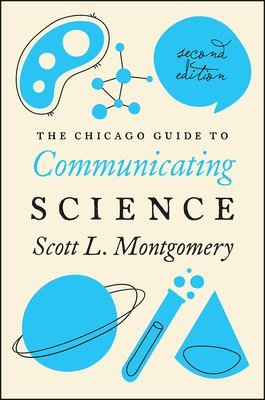
Chicago Guide to Communicating Science
Second Edition
Häftad, 2017
561 kr
Lägg i varukorg
For more than a decade, The Chicago Guide to Communicating Science has been the go-to reference for anyone who needs to write or speak about their research. Whether a student writing a thesis, a faculty member composing a grant proposal, or a public information officer crafting a press release, …
Science in Translation
Movements of Knowledge through Cultures and Time
Häftad, 2002
349 kr
Lägg i varukorg
Throughout recorded history, the exchange of scientific knowledge across cultures has been crucial in shaping human civilization. For instance, without the Greek and Roman works that were translated into Arabic and later reintroduced into Europe, the Renaissance as we know it would not have …
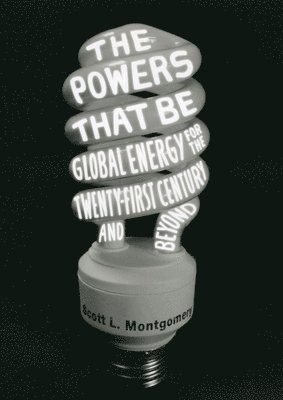
Powers That Be
Global Energy for the Twenty-first Century and Beyond
Inbunden, 2010
332 kr
Lägg i varukorg
Gasoline prices are high and rapidly climbing. Oil and natural gas reserves are dwindling, while demand is poised to skyrocket, as developing nations around the world lead their citizens into the modern energy economy. Meanwhile, the grave threat of catastrophic climate change looms ever larger, …
History of Science in World Cultures
Voices of Knowledge
Av Scott L. Montgomery, Alok Kumar
Inbunden, 2015
2324 kr
Lägg i varukorg
To understand modern science, it is essential to recognize that many of the most fundamental scientific principles are drawn from the knowledge of ancient civilizations. Taking a global yet comprehensive approach to this complex topic, A History of Science in World Cultures uses a broad range of …
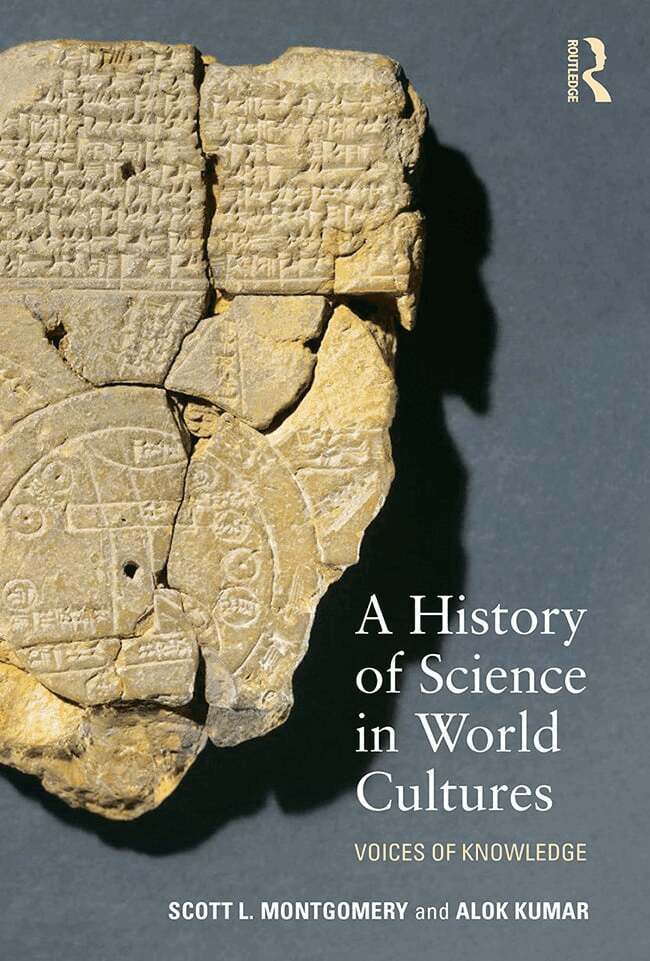
History of Science in World Cultures
Voices of Knowledge
Av Scott L. Montgomery, Alok Kumar
Häftad, 2015
785 kr
Lägg i varukorg
To understand modern science, it is essential to recognize that many of the most fundamental scientific principles are drawn from the knowledge of ancient civilizations. Taking a global yet comprehensive approach to this complex topic, A History of Science in World Cultures uses a broad range of …
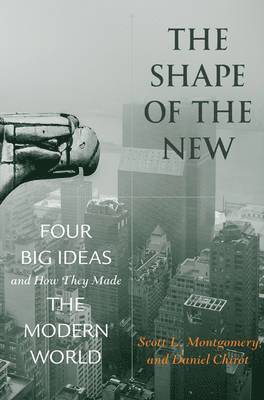
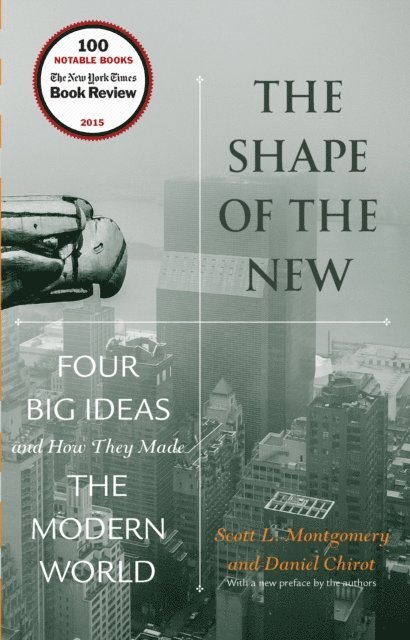
Shape of the New
Four Big Ideas and How They Made the Modern World
Av Scott L. Montgomery, Daniel Chirot
Inbunden, 2015
306 kr
Lägg i varukorg
This panoramic book tells the story of how revolutionary ideas from the Enlightenment about freedom, equality, evolution, and democracy have reverberated through modern history and shaped the world as we know it today. A testament to the enduring power of ideas, The Shape of the New offers …
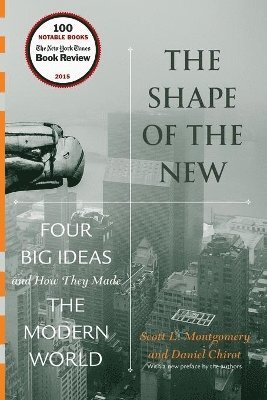
Shape of the New
Four Big Ideas and How They Made the Modern World
Av Scott L. Montgomery, Daniel Chirot
Häftad, 2016
203 kr
Lägg i varukorg
This panoramic book tells the story of how revolutionary ideas from the Enlightenment about freedom, equality, evolution, and democracy have reverberated through modern history and shaped the world as we know it today. A testament to the enduring power of ideas, The Shape of the New offers …
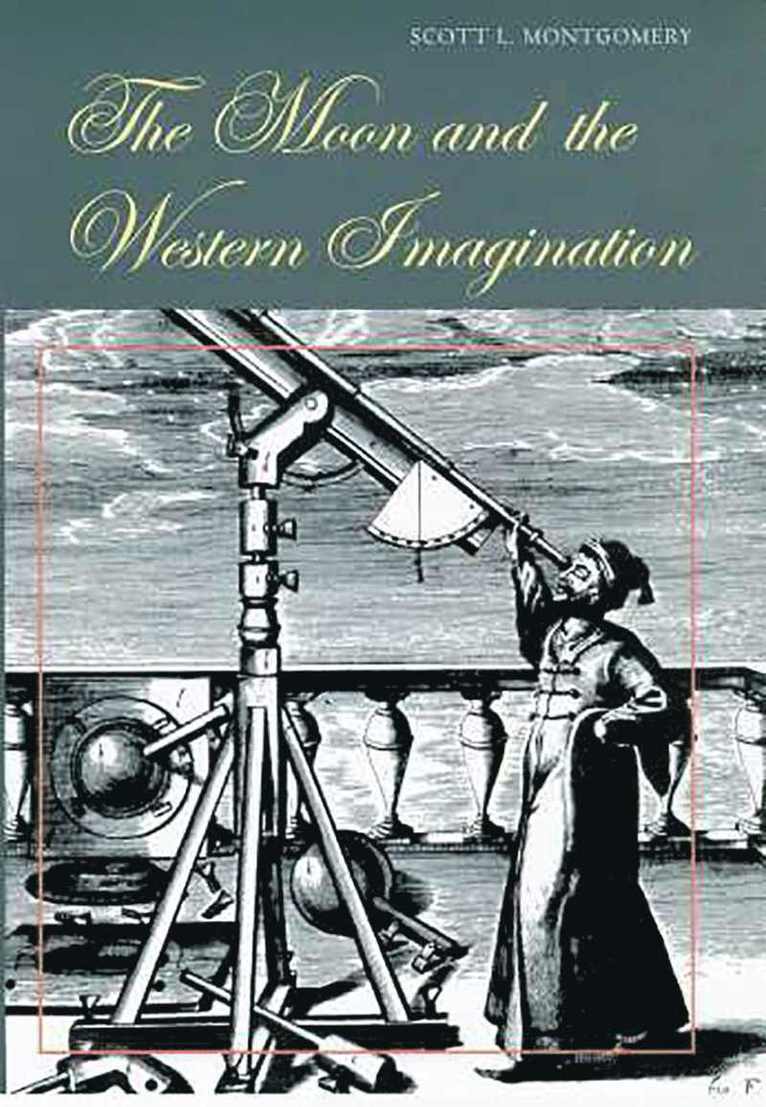
Moon and the Western Imagination
Häftad, 2001
300 kr
Lägg i varukorg
The Moon is at once a face with a thousand expressions and the archetypal planet. Throughout history it has been gazed upon by people of every culture in every walk of life. From early perceptions of the Moon as an abode of divine forces, humanity has in turn accepted the mathematized Moon of the …
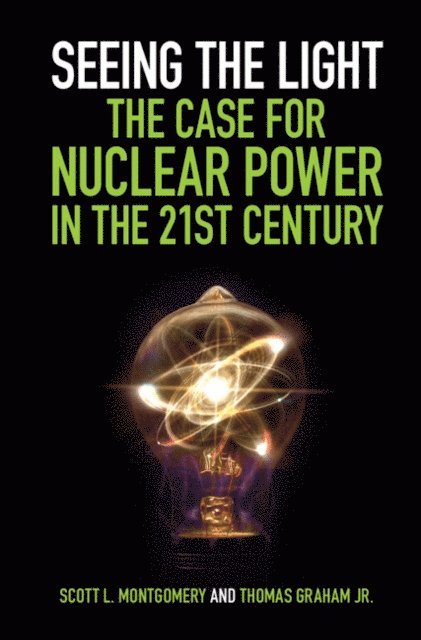
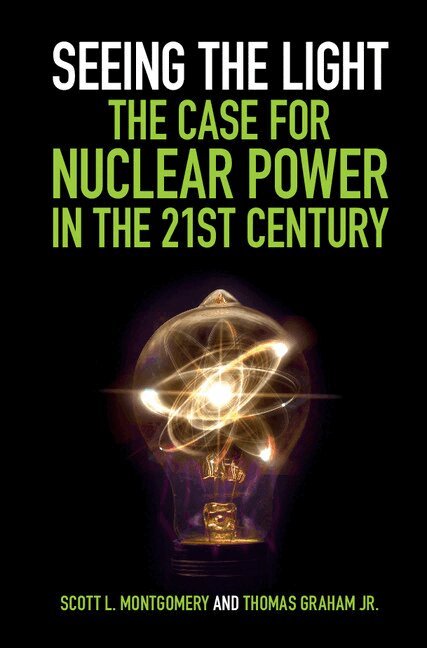
Seeing the Light: The Case for Nuclear Power in the 21st Century
Av Jr Thomas Graham, Scott L. Montgomery
E-bok, 2017
463 kr
Lägg i varukorg
Nuclear power is not an option for the future but an absolute necessity. Global threats of climate change and lethal air pollution, killing millions each year, make it clear that nuclear and renewable energy must work together, as non-carbon sources of energy. Fortunately, a new era of growth in …
Seeing the Light: The Case for Nuclear Power in the 21st Century
Av Jr Thomas Graham, Scott L. Montgomery
E-bok, 2017
463 kr
Lägg i varukorg
Nuclear power is not an option for the future but an absolute necessity. Global threats of climate change and lethal air pollution, killing millions each year, make it clear that nuclear and renewable energy must work together, as non-carbon sources of energy. Fortunately, a new era of growth in …
Seeing the Light: The Case for Nuclear Power in the 21st Century
Av Scott L. Montgomery, Thomas Graham, Jr
Häftad, 2017
477 kr
Lägg i varukorg
Nuclear power is not an option for the future but an absolute necessity. Global threats of climate change and lethal air pollution, killing millions each year, make it clear that nuclear and renewable energy must work together, as non-carbon sources of energy. Fortunately, a new era of growth in …
History of Science in World Cultures
Voices of Knowledge
Av Alok Kumar, Scott L. Montgomery
E-bok, 2015
927 kr
Lägg i varukorg
To understand modern science, it is essential to recognize that many of the most fundamental scientific principles are drawn from the knowledge of ancient civilizations. Taking a global yet comprehensive approach to this complex topic, A History of Science in World Cultures uses a broad range of …
History of Science in World Cultures
Voices of Knowledge
Av Alok Kumar, Scott L. Montgomery
E-bok, 2015
901 kr
Lägg i varukorg
To understand modern science, it is essential to recognize that many of the most fundamental scientific principles are drawn from the knowledge of ancient civilizations. Taking a global yet comprehensive approach to this complex topic, A History of Science in World Cultures uses a broad range of …
Shape of the New
Four Big Ideas and How They Made the Modern World
Av Daniel Chirot, Scott L. Montgomery
E-bok, 2016
271 kr
Lägg i varukorg
How four revolutionary ideas from the Enlightenment shaped today''s world This panoramic book tells the story of how revolutionary ideas from the Enlightenment about freedom, equality, evolution, and democracy have reverberated through modern history and shaped the world as we know it today. A …
Science in Translation
Movements of Knowledge through Cultures and Time
Inbunden, 2000
470 kr
Tillfälligt slut
Throughout recorded history, the exchange of scientific knowledge across cultures has been crucial in shaping human civilization. For instance, without the Greek and Roman works that were translated into Arabic and later reintroduced into Europe, the Renaissance as we know it would not have …
Does Science Need a Global Language?
English and the Future of Research
Inbunden, 2013
212 kr
Tillfälligt slut
In early 2012, the global scientific community erupted with news that the elusive Higgs boson had likely been found, providing potent validation for the Standard Model of how the universe works. Scientists from more than one hundred countries contributed to this discovery-proving, beyond any doubt, …
Seeing the Light: The Case for Nuclear Power in the 21st Century
Av Scott L. Montgomery, Thomas Graham, Jr
Inbunden, 2017
1074 kr
Tillfälligt slut
Nuclear power is not an option for the future but an absolute necessity. Global threats of climate change and lethal air pollution, killing millions each year, make it clear that nuclear and renewable energy must work together, as non-carbon sources of energy. Fortunately, a new era of growth in …