Scott L. Thomas - Böcker
Visar alla böcker från författaren Scott L. Thomas. Handla med fri frakt och snabb leverans.
5 produkter
5 produkter
2 508 kr
Skickas inom 10-15 vardagar
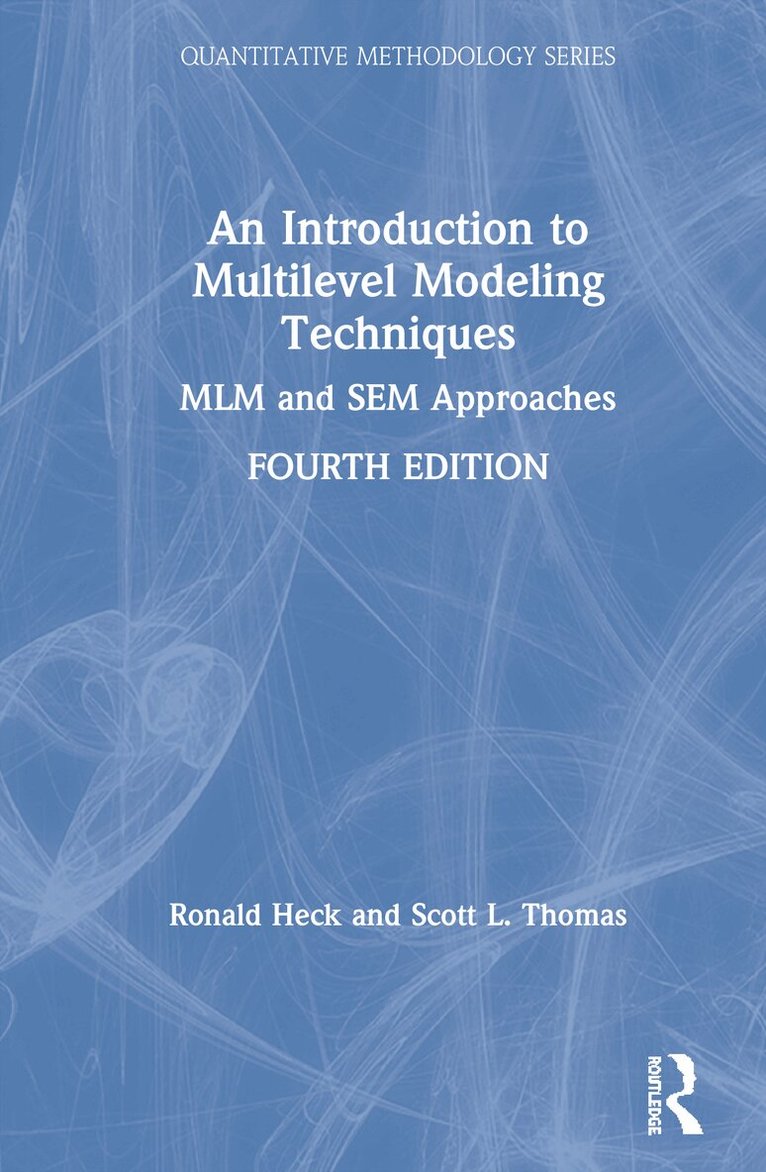
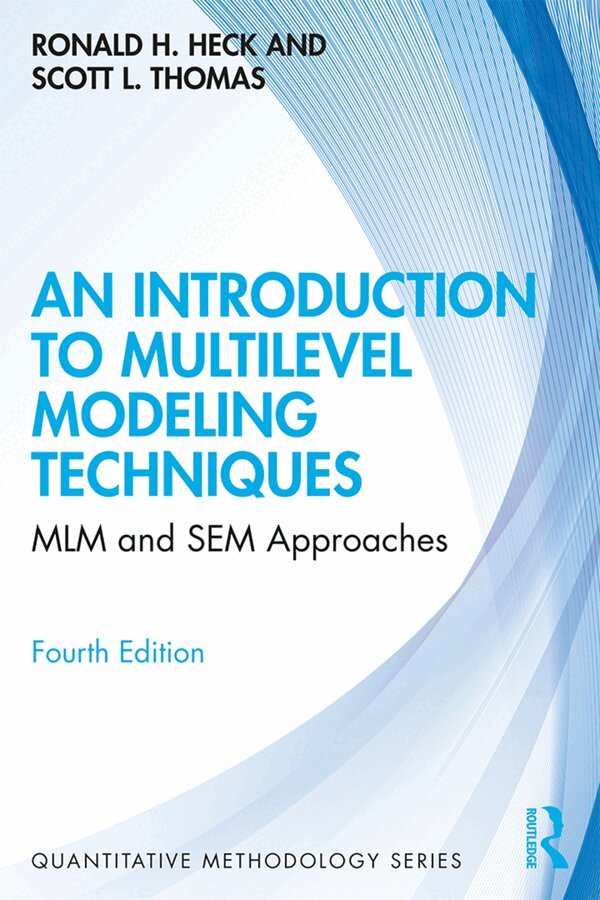
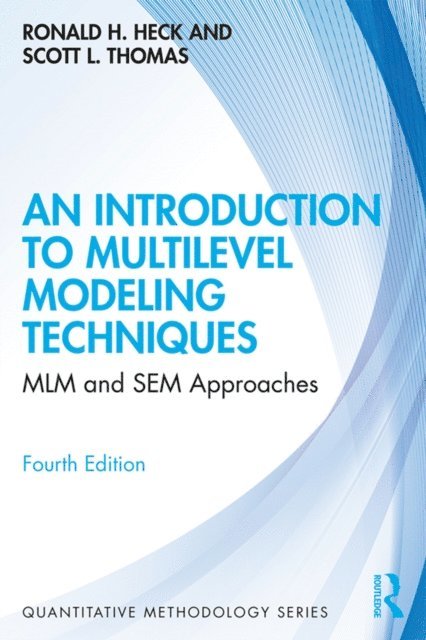
Multilevel modelling is a data analysis method that is frequently used to investigate hierarchal data structures in educational, behavioural, health, and social sciences disciplines. Multilevel data analysis exploits data structures that cannot be adequately investigated using single-level analytic methods such as multiple regression, path analysis, and structural modelling. This text offers a comprehensive treatment of multilevel models for univariate and multivariate outcomes. It explores their similarities and differences and demonstrates why one model may be more appropriate than another, given the research objectives. New to this edition: An expanded focus on the nature of different types of multilevel data structures (e.g., cross-sectional, longitudinal, cross-classified, etc.) for addressing specific research goals; Varied modelling methods for examining longitudinal data including random-effect and fixed-effect approaches; Expanded coverage illustrating different model-building sequences and how to use results to identify possible model improvements; An expanded set of applied examples used throughout the text; Use of four different software packages (i.e., Mplus, R, SPSS, Stata), with selected examples of model-building input files included in the chapter appendices and a more complete set of files available online.This is an ideal text for graduate courses on multilevel, longitudinal, latent variable modelling, multivariate statistics, or advanced quantitative techniques taught in psychology, business, education, health, and sociology. Recommended prerequisites are introductory univariate and multivariate statistics.
840 kr
Skickas inom 10-15 vardagar
Multilevel modelling is a data analysis method that is frequently used to investigate hierarchal data structures in educational, behavioural, health, and social sciences disciplines. Multilevel data analysis exploits data structures that cannot be adequately investigated using single-level analytic methods such as multiple regression, path analysis, and structural modelling. This text offers a comprehensive treatment of multilevel models for univariate and multivariate outcomes. It explores their similarities and differences and demonstrates why one model may be more appropriate than another, given the research objectives. New to this edition: An expanded focus on the nature of different types of multilevel data structures (e.g., cross-sectional, longitudinal, cross-classified, etc.) for addressing specific research goals; Varied modelling methods for examining longitudinal data including random-effect and fixed-effect approaches; Expanded coverage illustrating different model-building sequences and how to use results to identify possible model improvements; An expanded set of applied examples used throughout the text; Use of four different software packages (i.e., Mplus, R, SPSS, Stata), with selected examples of model-building input files included in the chapter appendices and a more complete set of files available online.This is an ideal text for graduate courses on multilevel, longitudinal, latent variable modelling, multivariate statistics, or advanced quantitative techniques taught in psychology, business, education, health, and sociology. Recommended prerequisites are introductory univariate and multivariate statistics.
2 421 kr
Skickas inom 10-15 vardagar
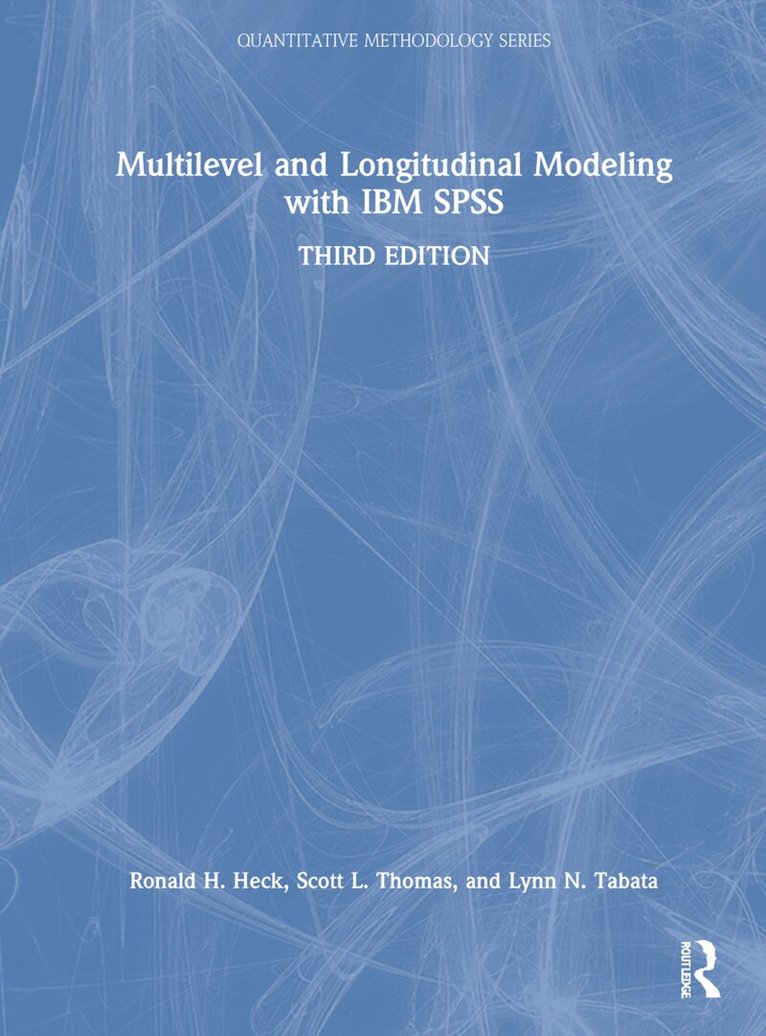
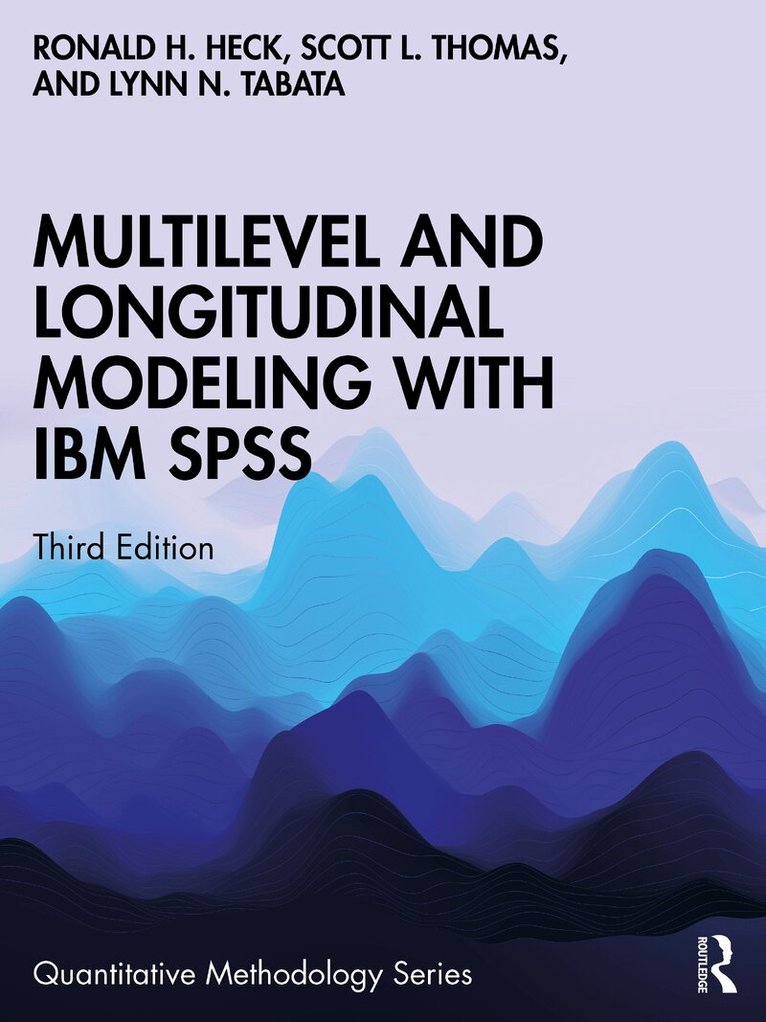
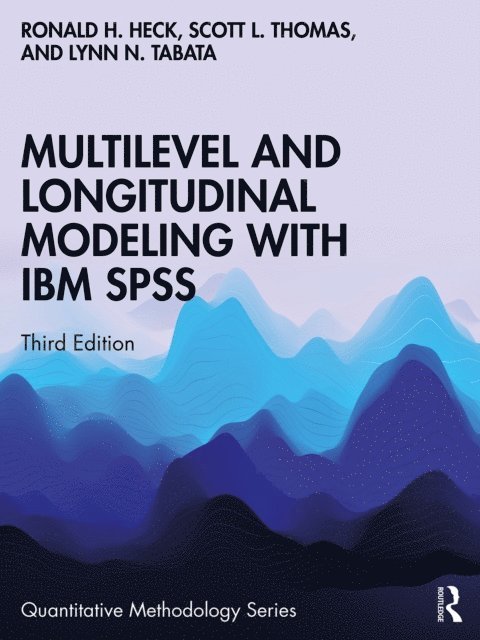
Multilevel and Longitudinal Modeling with IBM SPSS, Third Edition, demonstrates how to use the multilevel and longitudinal modeling techniques available in IBM SPSS Versions 25-27. Annotated screenshots with all relevant output provide readers with a step-by-step understanding of each technique as they are shown how to navigate the program. Throughout, diagnostic tools, data management issues, and related graphics are introduced. SPSS commands show the flow of the menu structure and how to facilitate model building, while annotated syntax is also available for those who prefer this approach. Extended examples illustrating the logic of model development and evaluation are included throughout the book, demonstrating the context and rationale of the research questions and the steps around which the analyses are structured. The book opens with the conceptual and methodological issues associated with multilevel and longitudinal modeling, followed by a discussion of SPSS data management techniques that facilitate working with multilevel, longitudinal, or cross-classified data sets. The next few chapters introduce the basics of multilevel modeling, developing a multilevel model, extensions of the basic two-level model (e.g., three-level models, models for binary and ordinal outcomes), and troubleshooting techniques for everyday-use programming and modeling problems along with potential solutions. Models for investigating individual and organizational change are next developed, followed by models with multivariate outcomes and, finally, models with cross-classified and multiple membership data structures. The book concludes with thoughts about ways to expand on the various multilevel and longitudinal modeling techniques introduced and issues (e.g., missing data, sample weights) to keep in mind in conducting multilevel analyses. Key features of the third edition: Thoroughly updated throughout to reflect IBM SPSS Versions 26-27. Introduction to fixed-effects regression for examining change over time where random-effects modeling may not be an optimal choice. Additional treatment of key topics specifically aligned with multilevel modeling (e.g., models with binary and ordinal outcomes). Expanded coverage of models with cross-classified and multiple membership data structures. Added discussion on model checking for improvement (e.g., examining residuals, locating outliers). Further discussion of alternatives for dealing with missing data and the use of sample weights within multilevel data structures.Supported by online data sets, the book's practical approach makes it an essential text for graduate-level courses on multilevel, longitudinal, latent variable modeling, multivariate statistics, or advanced quantitative techniques taught in departments of business, education, health, psychology, and sociology. The book will also prove appealing to researchers in these fields. The book is designed to provide an excellent supplement to Heck and Thomas's An Introduction to Multilevel Modeling Techniques, Fourth Edition; however, it can also be used with any multilevel or longitudinal modeling book or as a stand-alone text.
705 kr
Skickas inom 10-15 vardagar
Multilevel and Longitudinal Modeling with IBM SPSS, Third Edition, demonstrates how to use the multilevel and longitudinal modeling techniques available in IBM SPSS Versions 25-27. Annotated screenshots with all relevant output provide readers with a step-by-step understanding of each technique as they are shown how to navigate the program. Throughout, diagnostic tools, data management issues, and related graphics are introduced. SPSS commands show the flow of the menu structure and how to facilitate model building, while annotated syntax is also available for those who prefer this approach. Extended examples illustrating the logic of model development and evaluation are included throughout the book, demonstrating the context and rationale of the research questions and the steps around which the analyses are structured. The book opens with the conceptual and methodological issues associated with multilevel and longitudinal modeling, followed by a discussion of SPSS data management techniques that facilitate working with multilevel, longitudinal, or cross-classified data sets. The next few chapters introduce the basics of multilevel modeling, developing a multilevel model, extensions of the basic two-level model (e.g., three-level models, models for binary and ordinal outcomes), and troubleshooting techniques for everyday-use programming and modeling problems along with potential solutions. Models for investigating individual and organizational change are next developed, followed by models with multivariate outcomes and, finally, models with cross-classified and multiple membership data structures. The book concludes with thoughts about ways to expand on the various multilevel and longitudinal modeling techniques introduced and issues (e.g., missing data, sample weights) to keep in mind in conducting multilevel analyses. Key features of the third edition: Thoroughly updated throughout to reflect IBM SPSS Versions 26-27. Introduction to fixed-effects regression for examining change over time where random-effects modeling may not be an optimal choice. Additional treatment of key topics specifically aligned with multilevel modeling (e.g., models with binary and ordinal outcomes). Expanded coverage of models with cross-classified and multiple membership data structures. Added discussion on model checking for improvement (e.g., examining residuals, locating outliers). Further discussion of alternatives for dealing with missing data and the use of sample weights within multilevel data structures.Supported by online data sets, the book's practical approach makes it an essential text for graduate-level courses on multilevel, longitudinal, latent variable modeling, multivariate statistics, or advanced quantitative techniques taught in departments of business, education, health, psychology, and sociology. The book will also prove appealing to researchers in these fields. The book is designed to provide an excellent supplement to Heck and Thomas's An Introduction to Multilevel Modeling Techniques, Fourth Edition; however, it can also be used with any multilevel or longitudinal modeling book or as a stand-alone text.
An Introduction to Multilevel Modeling Techniques: MLM and SEM Approaches Using Mplus, Third Edition
Inbunden, Engelska
1 738 kr
Tillfälligt slut