Scott Pearce – författare
Visar alla böcker från författaren Scott Pearce. Handla med fri frakt och snabb leverans.
5 produkter
5 produkter
Inbunden, Engelska, 2023
1 094 kr
Skickas inom 5-8 vardagar
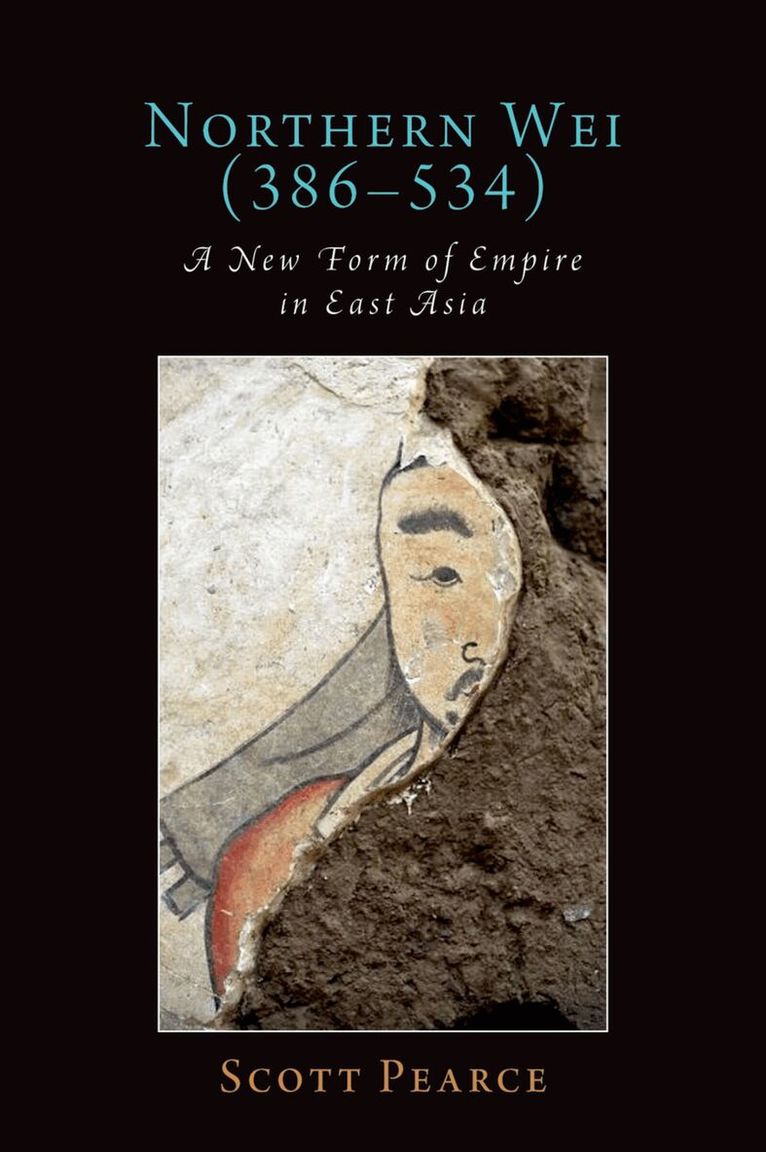
Emerging from collapse of the Han empire, the founders of Northern Wei had come south from the grasslands of Inner Asia to conquer the rich farmlands of the Yellow River plains. Northern Wei was, in fact, the first of the so-called "conquest dynasties" complex states seen repeatedly in East Asian history in which Inner Asian peoples ruled parts of the Chinese world. An innovative contribution to East Asian and Chinese history of the medieval period, Northern Wei (386-534) combines received historical text and archaeological findings to examine the complex interactions between these originally distinct populations, and the way those interactions changed over time. Scott Pearce analyses traditions borrowed and adapted from the long-gone Han dynasty including government and taxation as well as the new cultural elements such as the use of armor for man and horse in the cavalry and the newly-invented stirrup. Further, this book discusses the fundamental change in the dynastic family, as empresses began to play an increasingly important role in the business of government. Though Northern Wei fell in the early sixth century, the nature of the state was thus fundamentally changed, in the Chinese world and East Asia as a whole; it had laid down a foundation from which a century later would emerge the world empire of Tang.
E-bok
PDF, Engelska, 2023938 kr
Läs direkt efter köp
Emerging from collapse of the Han empire, the founders of Northern Wei had come south from the grasslands of Inner Asia to conquer the rich farmlands of the Yellow River plains. Northern Wei was, in fact, the first of the so-called "conquest dynasties" complex states seen repeatedly in East Asian history in which Inner Asian peoples ruled parts of the Chinese world. An innovative contribution to East Asian and Chinese history of the medieval period, Northern Wei (386-534) combines received historical text and archaeological findings to examine the complex interactions between these originally distinct populations, and the way those interactions changed over time. Scott Pearce analyses traditions borrowed and adapted from the long-gone Han dynasty including government and taxation as well as the new cultural elements such as the use of armor for man and horse in the cavalry and the newly-invented stirrup. Further, this book discusses the fundamental change in the dynastic family, as empresses began to play an increasingly important role in the business of government. Though Northern Wei fell in the early sixth century, the nature of the state was thus fundamentally changed, in the Chinese world and East Asia as a whole; it had laid down a foundation from which a century later would emerge the world empire of Tang.
E-bok
Engelska, 2023938 kr
Läs direkt efter köp
Emerging from collapse of the Han empire, the founders of Northern Wei had come south from the grasslands of Inner Asia to conquer the rich farmlands of the Yellow River plains. Northern Wei was, in fact, the first of the so-called "conquest dynasties" complex states seen repeatedly in East Asian history in which Inner Asian peoples ruled parts of the Chinese world. An innovative contribution to East Asian and Chinese history of the medieval period, Northern Wei (386-534) combines received historical text and archaeological findings to examine the complex interactions between these originally distinct populations, and the way those interactions changed over time. Scott Pearce analyses traditions borrowed and adapted from the long-gone Han dynasty including government and taxation as well as the new cultural elements such as the use of armor for man and horse in the cavalry and the newly-invented stirrup. Further, this book discusses the fundamental change in the dynastic family, as empresses began to play an increasingly important role in the business of government. Though Northern Wei fell in the early sixth century, the nature of the state was thus fundamentally changed, in the Chinese world and East Asia as a whole; it had laid down a foundation from which a century later would emerge the world empire of Tang.
Häftad, Engelska, 2019
120 kr
Skickas inom 5-8 vardagar
E-bok
PDF, Engelska, 2020950 kr
Läs direkt efter köp
The period between the fall of the Han in 220 and the reunification of the Chinese realm in the late sixth century receives short shrift in most accounts of Chinese history. The period is usually characterized as one of disorder and dislocation, ethnic strife, and bloody court struggles. Its lone achievement, according to many accounts, is the introduction of Buddhism. In the eight essays of Culture and Power in the Reconstitution of the Chinese Realm, 200-600, the authors seek to chart the actual changes occurring in this period of disunion, and to show its relationship to what preceded and followed it. This exploration of a neglected period in Chinese history addresses such diverse subjects as the era's economy, Daoism, Buddhist art, civil service examinations, forays into literary theory, and responses to its own history.