Scott W. Hibbard – författare
Visar alla böcker från författaren Scott W. Hibbard. Handla med fri frakt och snabb leverans.
4 produkter
4 produkter
613 kr
Tillfälligt slut
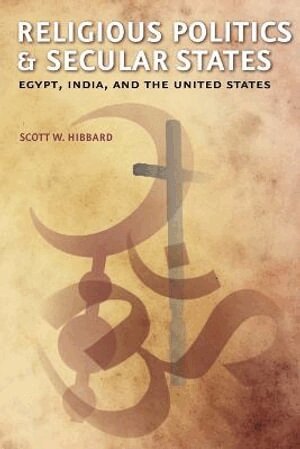
This comparative analysis probes why conservative renderings of religious tradition in the United States, India, and Egypt remain so influential in the politics of these three ostensibly secular societies. The United States, Egypt, and India were quintessential models of secular modernity in the 1950s and 1960s. By the 1980s and 1990s, conservative Islamists challenged the Egyptian government, India witnessed a surge in Hindu nationalism, and the Christian right in the United States rose to dominate the Republican Party and large swaths of the public discourse. Using a nuanced theoretical framework that emphasizes the interaction of religion and politics, Scott W. Hibbard argues that three interrelated issues led to this state of affairs. First, as an essential part of the construction of collective identities, religion serves as a basis for social solidarity and political mobilization. Second, in providing a moral framework, religion's traditional elements make it relevant to modern political life.Third, and most significant, in manipulating religion for political gain, political elites undermined the secular consensus of the modern state that had been in place since the end of World War II. Together, these factors sparked a new era of right-wing religious populism in the three nations. Although much has been written about the resurgence of religious politics, scholars have paid less attention to the role of state actors in promoting new visions of religion and society. Religious Politics and Secular States fills this gap by situating this trend within long-standing debates over the proper role of religion in public life.
402 kr
Skickas inom 7-10 vardagar
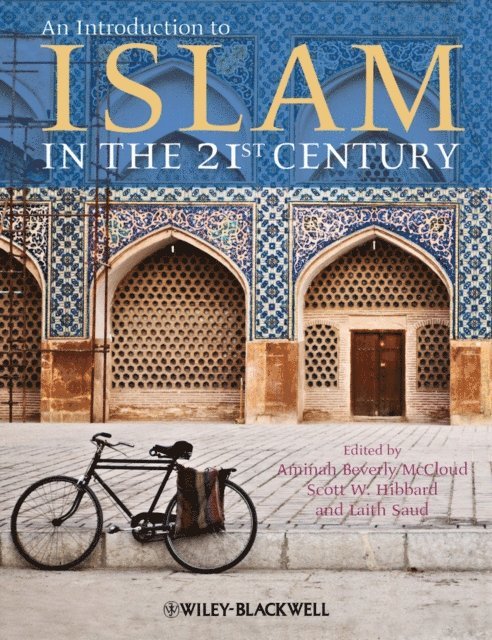
This engaging introduction to Islam examines its lived reality, its worldwide presence, and the variety of beliefs and practices encompassed by the religion. The global perspective uniquely captures the diversity of Islam expressed throughout different countries in the present day. A comprehensive, multi-disciplinary, and global introduction to Islam, covering its history as well as current issues, experiences, and challengesIncorporates key new research on Muslims from a variety of countries across Europe, Latin America, Indonesia, and Malaysia Central AsiaDirectly addresses controversial issues, including political violence and ‘terrorism’, anti-western sentiments, and IslamophobiaExplores different responses from various Islamic communities to globalizing trendsHighlights key patterns within Islamic history that shed light upon the origins and evolution of current movements and thought

1 191 kr
Skickas inom 5-8 vardagar
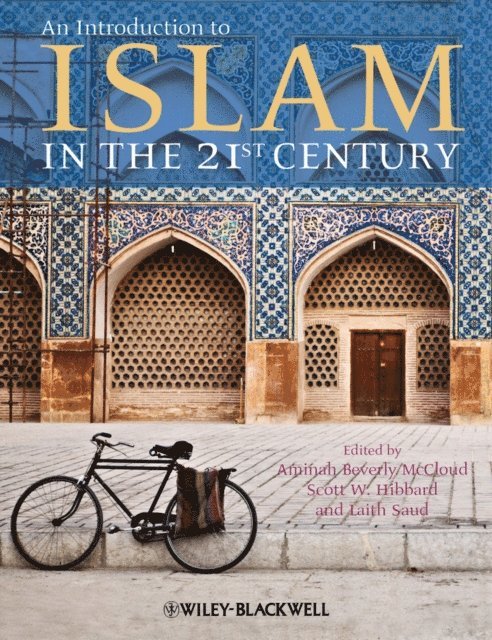
This engaging introduction to Islam examines its lived reality, its worldwide presence, and the variety of beliefs and practices encompassed by the religion. The global perspective uniquely captures the diversity of Islam expressed throughout different countries in the present day. A comprehensive, multi-disciplinary, and global introduction to Islam, covering its history as well as current issues, experiences, and challengesIncorporates key new research on Muslims from a variety of countries across Europe, Latin America, Indonesia, and Malaysia Central AsiaDirectly addresses controversial issues, including political violence and ‘terrorism’, anti-western sentiments, and IslamophobiaExplores different responses from various Islamic communities to globalizing trendsHighlights key patterns within Islamic history that shed light upon the origins and evolution of current movements and thought

441 kr
Skickas inom 5-8 vardagar
This comparative analysis probes why conservative renderings of religious tradition in the United States, India, and Egypt remain so influential in the politics of these three ostensibly secular societies. The United States, Egypt, and India were quintessential models of secular modernity in the 1950s and 1960s. By the 1980s and 1990s, conservative Islamists challenged the Egyptian government, India witnessed a surge in Hindu nationalism, and the Christian right in the United States rose to dominate the Republican Party and large swaths of the public discourse. Using a nuanced theoretical framework that emphasizes the interaction of religion and politics, Scott W. Hibbard argues that three interrelated issues led to this state of affairs. First, as an essential part of the construction of collective identities, religion serves as a basis for social solidarity and political mobilization. Second, in providing a moral framework, religion's traditional elements make it relevant to modern political life.Third, and most significant, in manipulating religion for political gain, political elites undermined the secular consensus of the modern state that had been in place since the end of World War II. Together, these factors sparked a new era of right-wing religious populism in the three nations. Although much has been written about the resurgence of religious politics, scholars have paid less attention to the role of state actors in promoting new visions of religion and society. Religious Politics and Secular States fills this gap by situating this trend within long-standing debates over the proper role of religion in public life.