S.D. Wratten – författare
Visar alla böcker från författaren S.D. Wratten. Handla med fri frakt och snabb leverans.
6 produkter
6 produkter
Inbunden, Engelska, 1993
1 633 kr
Skickas inom 10-15 vardagar
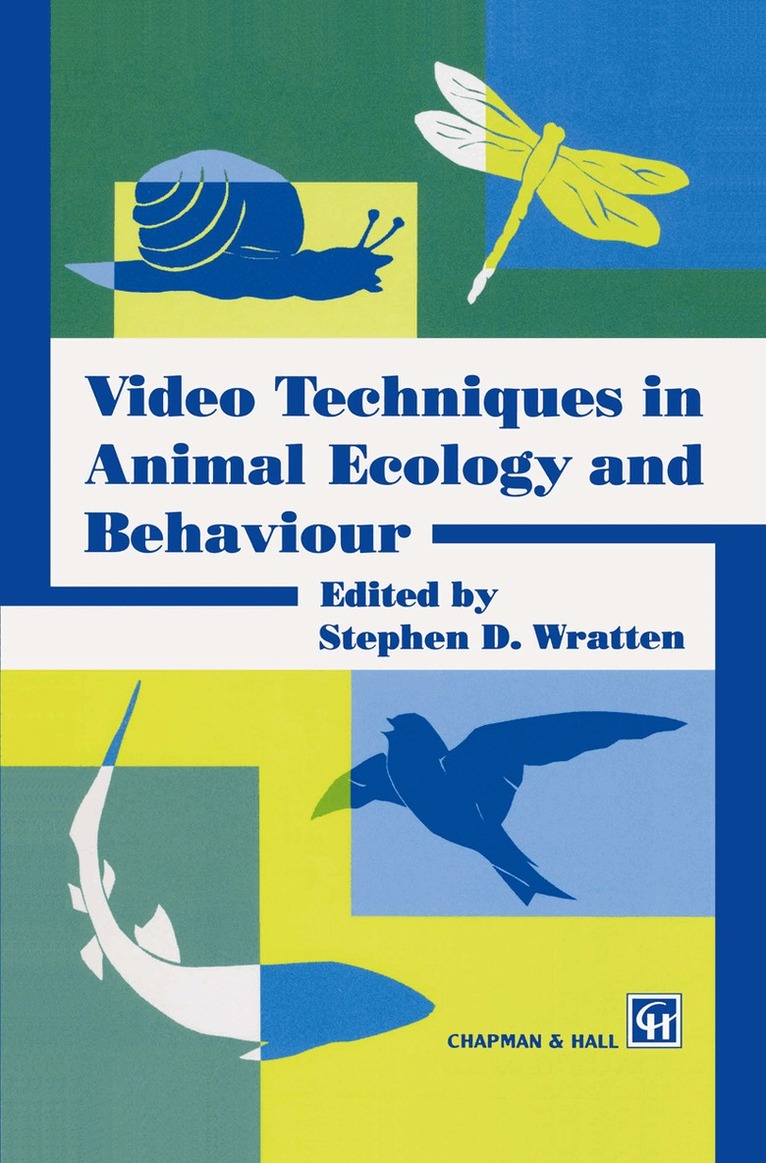
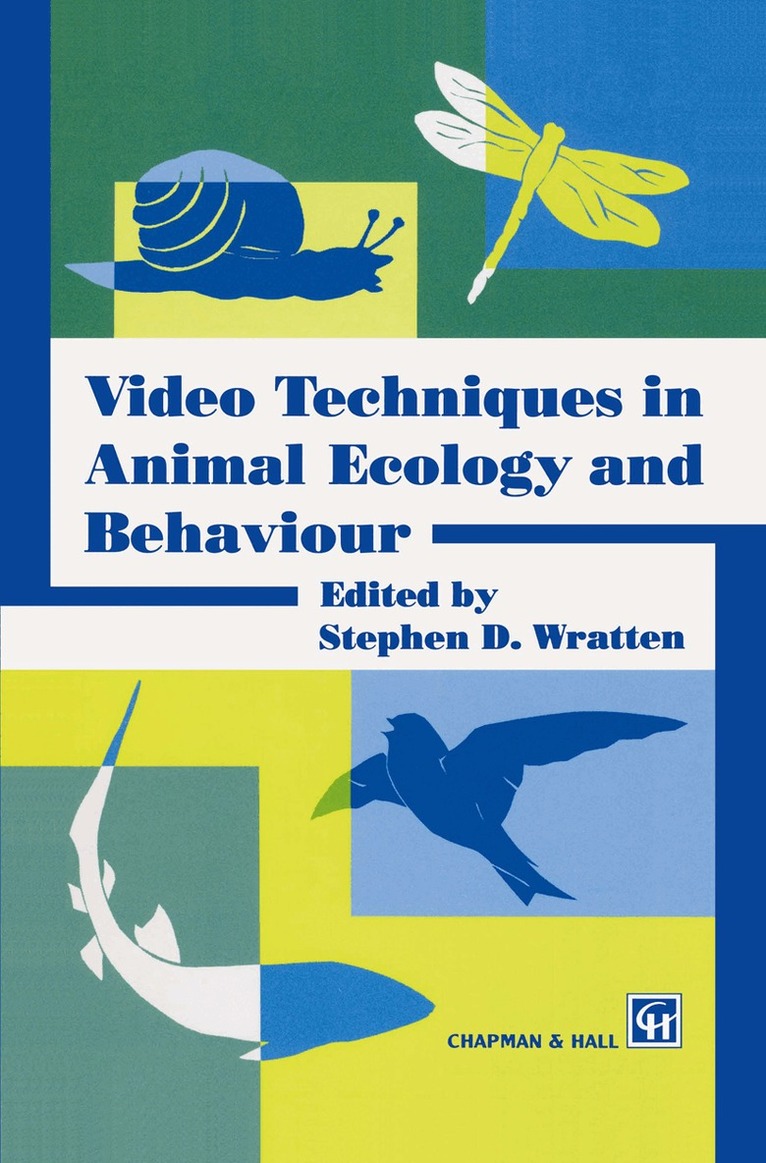
Video has vast potential in the biological sciences but researchers often do not have the technical confidence to embark on the purchase of equipment and software. Moreover, any new technique which purports to help biologists to develop new approaches to their field of study needs careful evaluation. This book provides that for the use of video techniques. Covering applied techniques both in the laboratory and the field, it demonstrates the way in which the technology of video has already been used successfully in biological research. From its use in a range of behavioural and ecological areas (e.g. dispersal, foraging and migration of animals) the latest results from leading expert researchers using such techniques are given. This book should be of interest to ecologists, entomologists, agriculturalists, applied biologists, ethologists and video technologists.
Inbunden, Engelska, 2000
1 633 kr
Skickas inom 10-15 vardagar
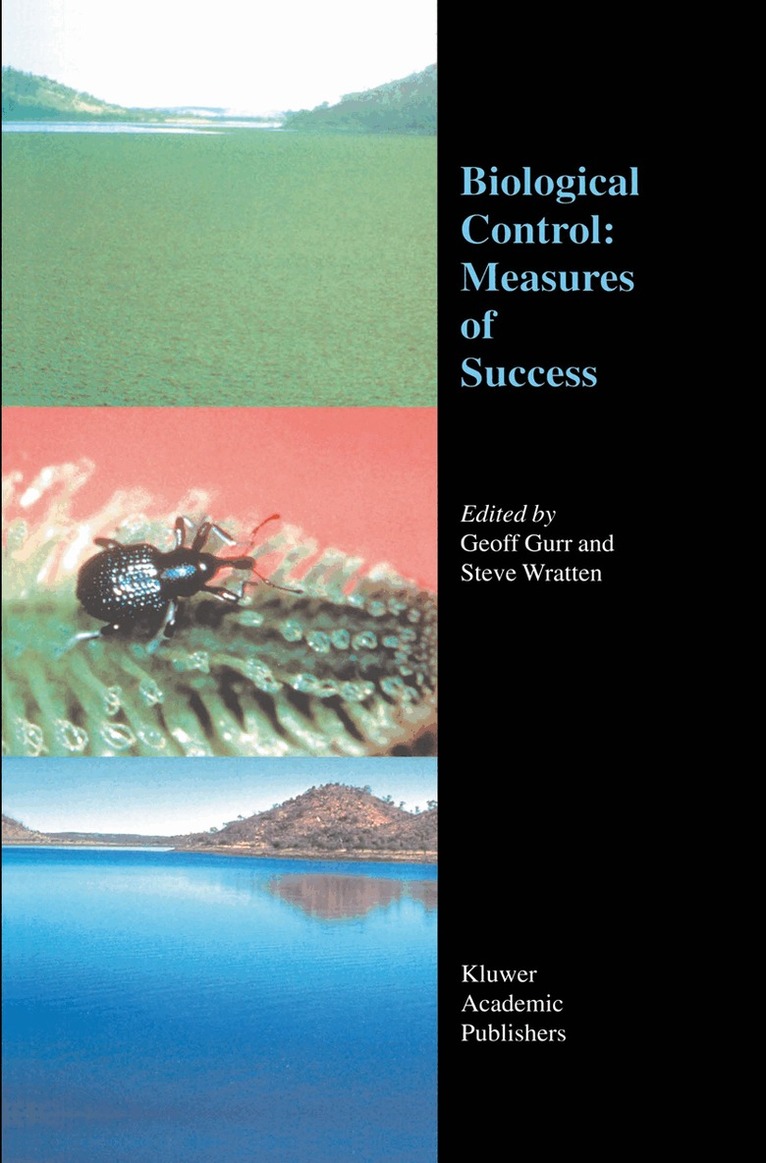
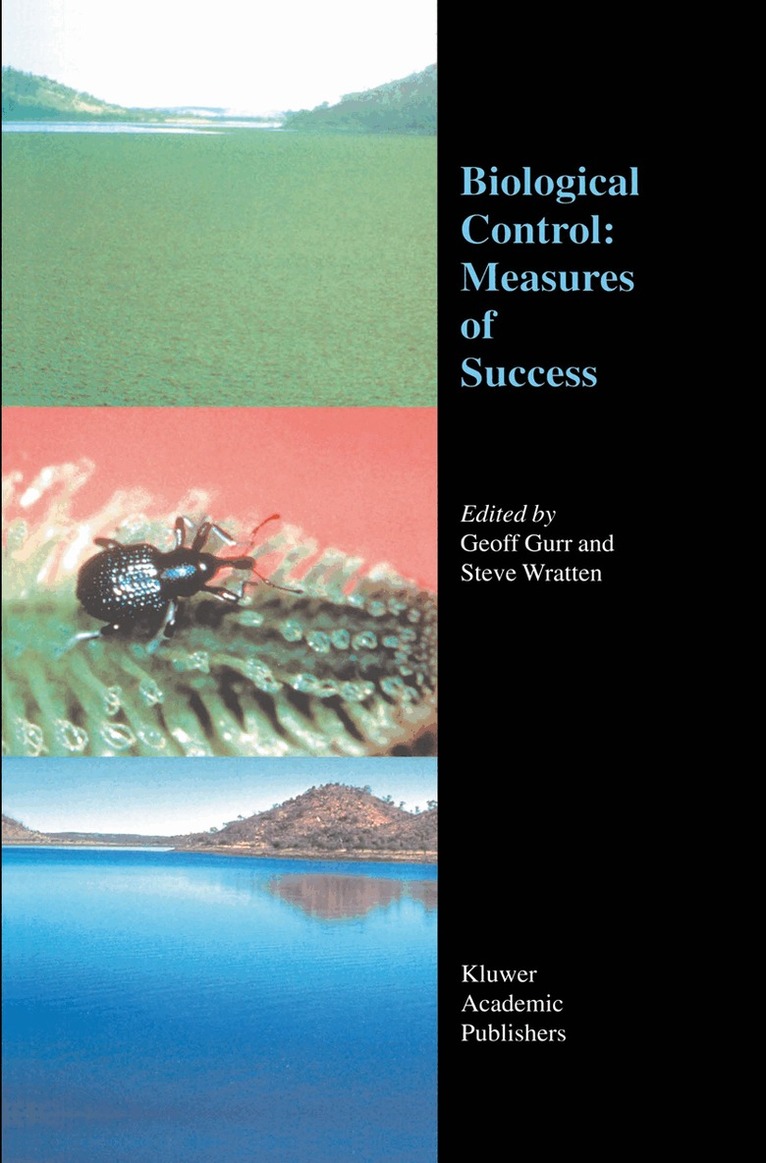
As well as examining successful biological control programmes this book analyses why the majority of attempts fail. Off-target and other negative effects of biological control are also dealt with. Chapters contributed by leading international researchers and practitioners in all areas of biological control afford the book a breadth of coverage and depth of analysis not possible with a single author volume. Combined with the use of other experts to review chapters and editorial oversight to ensure thematic integrity of the volume, this book provides the most authoritative analysis of biological control published. Key aspects addressed include how success may be measured, how successful biological control has been to date and how may it be made more successful in the future. With extensive use of contemporary examples, photographs, figures and tables this book will be invaluable to advanced undergraduate and postgraduate students as well as being a `must' for all involved in making biological control successful.
Häftad, Engelska, 2002
1 633 kr
Skickas inom 10-15 vardagar
As well as examining successful biological control programmes this book analyses why the majority of attempts fail. Off-target and other negative effects of biological control are also dealt with. Chapters contributed by leading international researchers and practitioners in all areas of biological control afford the book a breadth of coverage and depth of analysis not possible with a single author volume. Combined with the use of other experts to review chapters and editorial oversight to ensure thematic integrity of the volume, this book provides the most authoritative analysis of biological control published. Key aspects addressed include how success may be measured, how successful biological control has been to date and how may it be made more successful in the future. With extensive use of contemporary examples, photographs, figures and tables this book will be invaluable to advanced undergraduate and postgraduate students as well as being a `must' for all involved in making biological control successful.
Häftad, Engelska, 2012
1 633 kr
Skickas inom 10-15 vardagar
This book is about video techniques, not video technology. To deal with the latter would be a thankless task, as by the time the book was published it would be out of date, given the rapid rate of development of video hardware. However, these technological advances do help to make it an exciting field. As Joe Riley says in Chapter 1, 'Advances in video technology continually produce improvements in performance and reductions in both the cost and size of equipment, so it seems certain that the technique will prove to be an even more useful resource . . . in the future. ' In selecting the topics and authors represented in this book, I have tried to encompass most of the behavioural and ecological uses to which video is likely to be put over the next decade or so. I believe the book has captured the invaluable accumulated experience of the most active practitioners of the medium in this research area. The idea for the book arose from two workshops on the use of video in ecology and behaviour held at Southampton University, UK, during the 1980s. Three learned societies were involved in these meetings: the Association of Applied Biologists, the British Ecological Society and the Society for Experimental Biology.
E-bok
PDF, Engelska, 20121 977 kr
Läs direkt efter köp
This book is about video techniques, not video technology. To deal with the latter would be a thankless task, as by the time the book was published it would be out of date, given the rapid rate of development of video hardware. However, these technological advances do help to make it an exciting field. As Joe Riley says in Chapter 1, ''Advances in video technology continually produce improvements in performance and reductions in both the cost and size of equipment, so it seems certain that the technique will prove to be an even more useful resource . . . in the future. '' In selecting the topics and authors represented in this book, I have tried to encompass most of the behavioural and ecological uses to which video is likely to be put over the next decade or so. I believe the book has captured the invaluable accumulated experience of the most active practitioners of the medium in this research area. The idea for the book arose from two workshops on the use of video in ecology and behaviour held at Southampton University, UK, during the 1980s. Three learned societies were involved in these meetings: the Association of Applied Biologists, the British Ecological Society and the Society for Experimental Biology.
E-bok
PDF, Engelska, 20121 995 kr
Läs direkt efter köp
As well as examining successful biological control programmes this book analyses why the majority of attempts fail. Off-target and other negative effects of biological control are also dealt with. Chapters contributed by leading international researchers and practitioners in all areas of biological control afford the book a breadth of coverage and depth of analysis not possible with a single author volume. Combined with the use of other experts to review chapters and editorial oversight to ensure thematic integrity of the volume, this book provides the most authoritative analysis of biological control published. Key aspects addressed include how success may be measured, how successful biological control has been to date and how may it be made more successful in the future. With extensive use of contemporary examples, photographs, figures and tables this book will be invaluable to advanced undergraduate and postgraduate students as well as being a `must'' for all involved in making biological control successful.