Sean Cadigan – författare
Visar alla böcker från författaren Sean Cadigan. Handla med fri frakt och snabb leverans.
3 produkter
3 produkter
367 kr
Skickas inom 10-15 vardagar
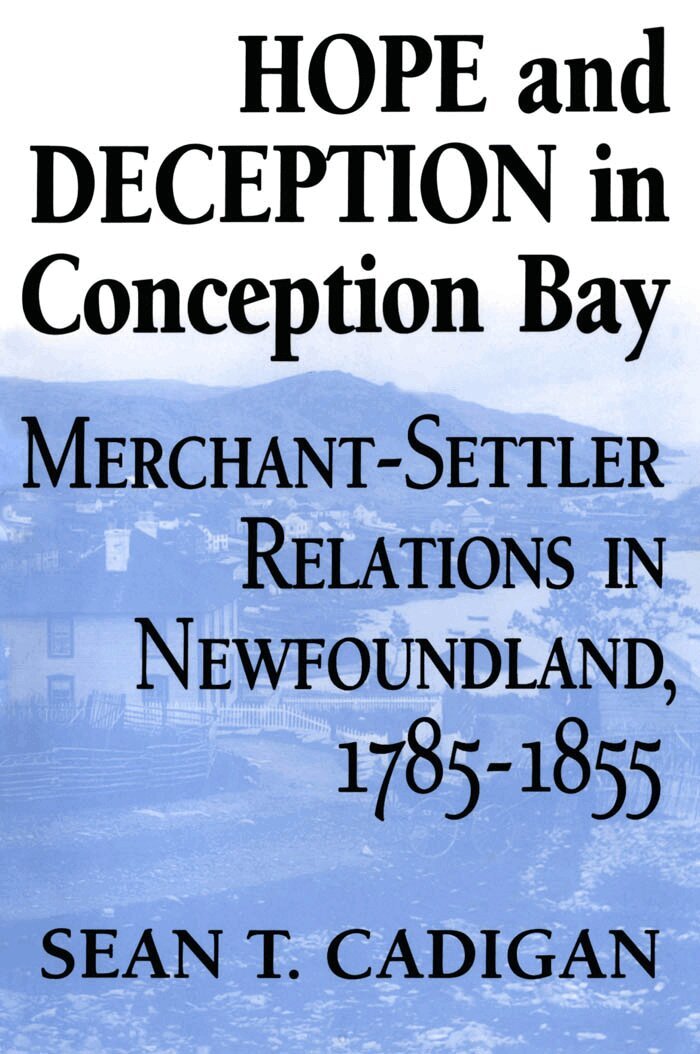
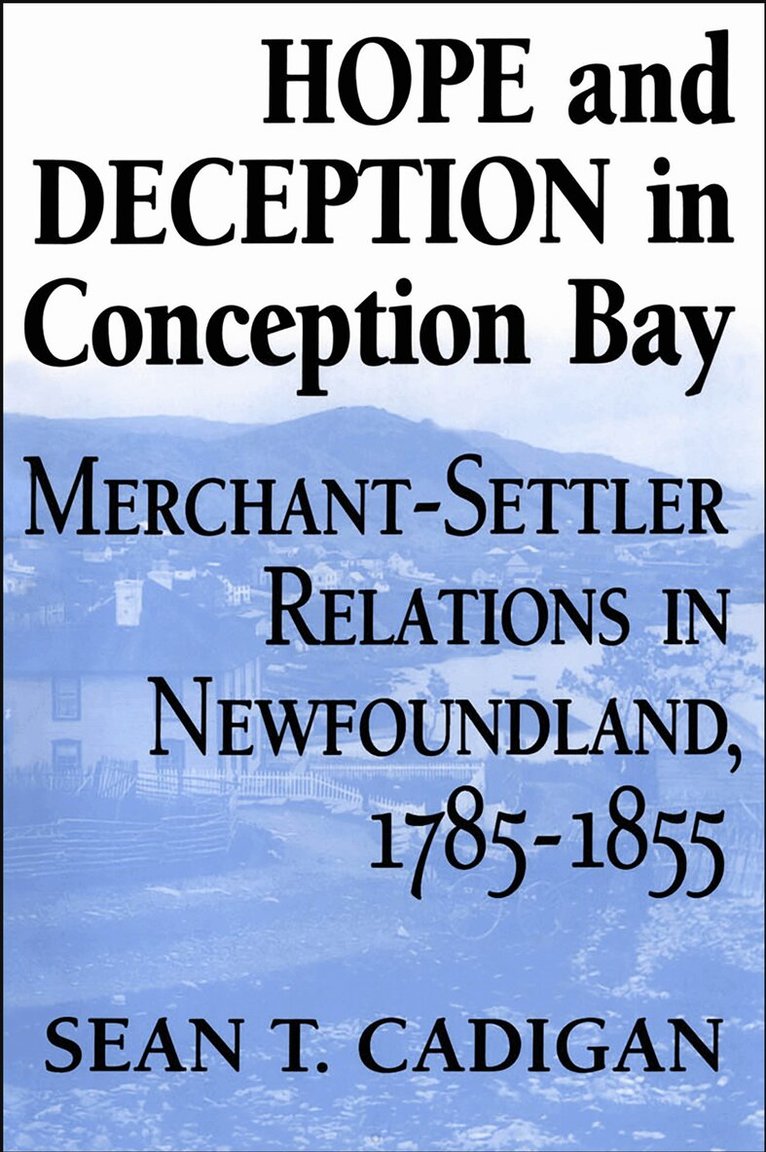
In late-eighteenth and early-nineteenth century Newfoundland, the evolution to colonial self-government within the empire was accompanied by an economic transition from a migratory to a residential fishery. This was the beginning of the modern liberal order for Newfoundland.The standard view is that the truck system, wherein merchants supplied fishing families with provisions, gear, and so on, against the season's catch, shamefully exploited resident fishermen, as well as planters and servants. Sean Cadigan reviews the economic and social developments of this period from a new perspective. He contends that the persistence of independent commodity production in the fishery of northeast-coast Newfoundland from 1785 to 1855 cannot be attributed to merchant-imposed truck credit practices. He calls for a reassessment of the truck system as a realistic accommodation to the limited possibilities and requirements of the local economy. The rise of the truck system and the household-based fishery was above all a historical outcome which involved the adjustments of settlers, merchants, and governments during a complex period of transition. Elements of the staple model are used to suggest that the resource base of the fishery and the legal institutions of the initial fishing industry limited the ability of fishing families to respond otherwise to exploitation by merchants. Later, reformers struggling for colonial self-government obscured the staple restraints on fishing families in order to discredit fish merchants politically by saying the latter purposefully used truck to impoverish the fishery and prevent agricultural development in order to preserve their hegemony in Newfoundland's economy and society.Besides newspapers accounts, missionary correspondence, and local government records, Cadigan makes use of court records which have never before been systematically used. These records provide evidence that serves as the basis for his discusssion of family production in the fishery, the unsuccessful attempts by families to diversify production through agriculture, the gender division of labour, and economic development.
430 kr
Skickas inom 5-8 vardagar
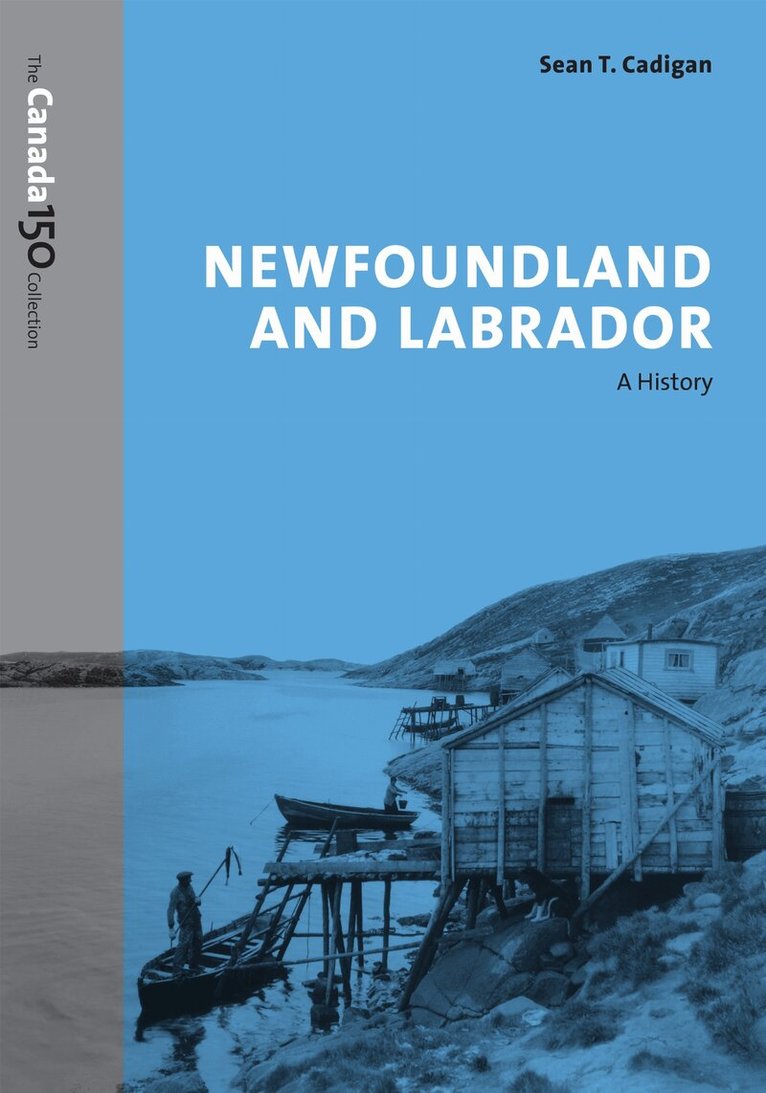
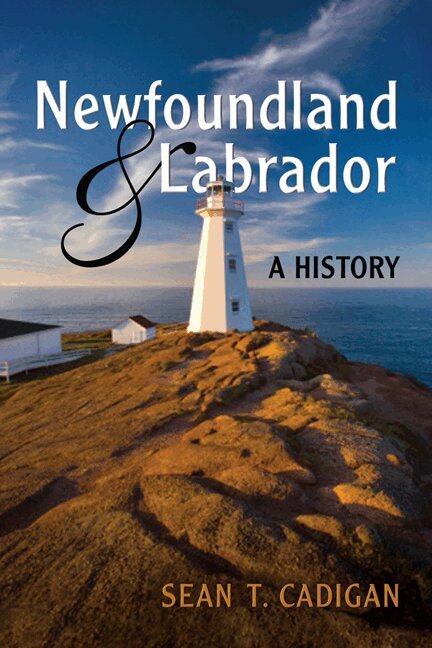
Published to coincide with the sixtieth anniversary of Newfoundland and Labrador joining Canada, Sean T. Cadigan has written the book that will surely become the definitive history of one of North America's most distinct and beautiful regions. The site of the first European settlement by Vikings one thousand years ago, a former colony of England, and known at various times as Terra Nova and Newfoundland until its official name change to Newfoundland and Labrador in 2001, this easternmost point of the continent has had a fascinating history in part because of its long-held position as the gateway between North America and Europe. Examining the region from prehistoric times to the present, Newfoundland and Labrador is not only a comprehensive history of the province, but an illuminating portrait of the Atlantic world and European colonisation of the Americas.Cadigan comprehensively details everything from the first European settlements, the displacement and extinction of the indigenous Beothuk by European settlers, the conflicts between settlers and imperial governance, to the Royal Newfoundland Regiment's near annihilation at the Battle of the Somme, the rise of Newfoundland nationalism, Joey Smallwood's case for confederation, and the modernization and economic disappointments instigated by joining Canada. Paying particular attention to the ways in which Newfoundland and Labrador's history has been shaped by its environment, this study considers how natural resources such as the Grand Banks, the disappearance of cod, and off-shore oil have affected the region and its inhabitants.Richly detailed, compelling, and written in an engaging and accessible style, Newfoundland and Labrador brings the rich and vibrant history of this remarkably interesting region to life.
403 kr
Skickas inom 5-8 vardagar
Published to coincide with the sixtieth anniversary of Newfoundland and Labrador joining Canada, Sean T. Cadigan has written the book that will surely become the definitive history of one of North America's most distinct and beautiful regions. The site of the first European settlement by Vikings one thousand years ago, a former colony of England, and known at various times as Terra Nova and Newfoundland until its official name change to Newfoundland and Labrador in 2001, this easternmost point of the continent has had a fascinating history in part because of its long-held position as the gateway between North America and Europe. Examining the region from prehistoric times to the present, Newfoundland and Labrador is not only a comprehensive history of the province, but an illuminating portrait of the Atlantic world and European colonisation of the Americas.Cadigan comprehensively details everything from the first European settlements, the displacement and extinction of the indigenous Beothuk by European settlers, the conflicts between settlers and imperial governance, to the Royal Newfoundland Regiment's near annihilation at the Battle of the Somme, the rise of Newfoundland nationalism, Joey Smallwood's case for confederation, and the modernization and economic disappointments instigated by joining Canada. Paying particular attention to the ways in which Newfoundland and Labrador's history has been shaped by its environment, this study considers how natural resources such as the Grand Banks, the disappearance of cod, and off-shore oil have affected the region and its inhabitants.Richly detailed, compelling, and written in an engaging and accessible style, Newfoundland and Labrador brings the rich and vibrant history of this remarkably interesting region to life.