Sean D. O’Reilly – författare
Visar alla böcker från författaren Sean D. O’Reilly. Handla med fri frakt och snabb leverans.
5 produkter
5 produkter
Inbunden, Engelska, 2018
1 998 kr
Skickas inom 10-15 vardagar
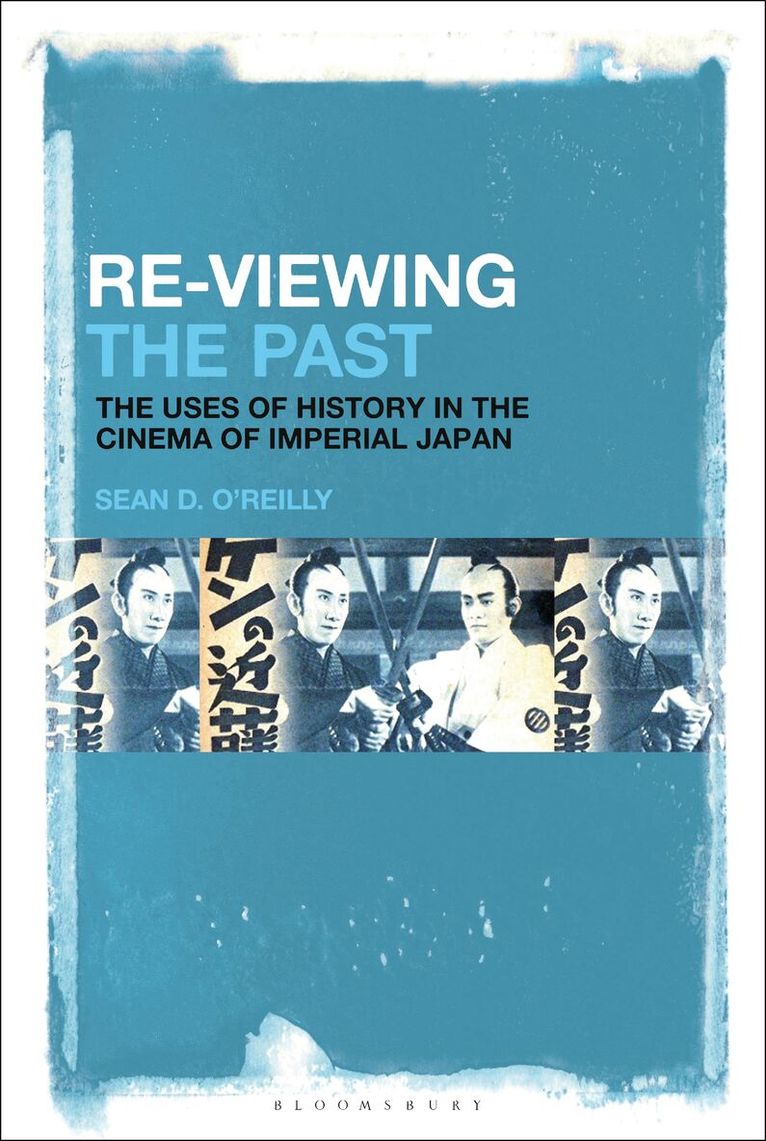
Re-Viewing the Past: The Uses of History in the Cinema of Imperial Japan analyzes the complicated relationship between history films, audiences, reviewers and censors in Japan for the critically important years from 1925-1945. First contextualizing the history of the popular “Bakumatsu” period (1853-1868), the moment of Japan’s emergence as a modern nation, Sean O'Reilly paves the way for a reinterpretation of Japanese pre and postwar cinema. Setting a film in the Bakumatsu period offered ‘cultural breathing room’ to both filmmakers and viewers, offering a cinematic space where apolitical entertainment and now-forbidden themes like romance still reigned. Some filmmakers—and viewers—even conceived of these films as being a form of resistance against Japan’s growing militarism. As comparisons between the popularity of such films versus that of state-sponsored propaganda films show, audiences responded enthusiastically to these glimmers of resistance. O'Reilly argues that we should turn our attention to the much more popular films of the time that were major hits with audiences in order to understand what resonated with wartime spectators, and to speculate about why this might have been the case. Including clips of these rare films, a so-far neglected area of Japanese film history is now firmly situated in context to offer a thought-provoking, multidisciplinary approach.
E-bok
Engelska, 2018511 kr
Läs direkt efter köp
Re-Viewing the Past: The Uses of History in the Cinema of Imperial Japan analyzes the complicated relationship between history films, audiences, reviewers and censors in Japan for the critically important years from 1925-1945. First contextualizing the history of the popular “Bakumatsu” period (1853-1868), the moment of Japan's emergence as a modern nation, Sean O'Reilly paves the way for a reinterpretation of Japanese pre and postwar cinema. Setting a film in the Bakumatsu period offered 'cultural breathing room' to both filmmakers and viewers, offering a cinematic space where apolitical entertainment and now-forbidden themes like romance still reigned. Some filmmakers-and viewers-even conceived of these films as being a form of resistance against Japan's growing militarism. As comparisons between the popularity of such films versus that of state-sponsored propaganda films show, audiences responded enthusiastically to these glimmers of resistance. O'Reilly argues that we should turn our attention to the much more popular films of the time that were major hits with audiences in order to understand what resonated with wartime spectators, and to speculate about why this might have been the case. Including clips of these rare films, a so-far neglected area of Japanese film history is now firmly situated in context to offer a thought-provoking, multidisciplinary approach.
E-bok
PDF, Engelska, 2018511 kr
Läs direkt efter köp
Re-Viewing the Past: The Uses of History in the Cinema of Imperial Japan analyzes the complicated relationship between history films, audiences, reviewers and censors in Japan for the critically important years from 1925-1945. First contextualizing the history of the popular “Bakumatsu” period (1853-1868), the moment of Japan's emergence as a modern nation, Sean O'Reilly paves the way for a reinterpretation of Japanese pre and postwar cinema. Setting a film in the Bakumatsu period offered 'cultural breathing room' to both filmmakers and viewers, offering a cinematic space where apolitical entertainment and now-forbidden themes like romance still reigned. Some filmmakers-and viewers-even conceived of these films as being a form of resistance against Japan's growing militarism. As comparisons between the popularity of such films versus that of state-sponsored propaganda films show, audiences responded enthusiastically to these glimmers of resistance. O'Reilly argues that we should turn our attention to the much more popular films of the time that were major hits with audiences in order to understand what resonated with wartime spectators, and to speculate about why this might have been the case. Including clips of these rare films, a so-far neglected area of Japanese film history is now firmly situated in context to offer a thought-provoking, multidisciplinary approach.
Häftad, Engelska, 2020
489 kr
Skickas inom 10-15 vardagar
Re-Viewing the Past: The Uses of History in the Cinema of Imperial Japan analyzes the complicated relationship between history films, audiences, reviewers and censors in Japan for the critically important years from 1925-1945. First contextualizing the history of the popular “Bakumatsu” period (1853-1868), the moment of Japan’s emergence as a modern nation, Sean O'Reilly paves the way for a reinterpretation of Japanese pre and postwar cinema. Setting a film in the Bakumatsu period offered ‘cultural breathing room’ to both filmmakers and viewers, offering a cinematic space where apolitical entertainment and now-forbidden themes like romance still reigned. Some filmmakers—and viewers—even conceived of these films as being a form of resistance against Japan’s growing militarism. As comparisons between the popularity of such films versus that of state-sponsored propaganda films show, audiences responded enthusiastically to these glimmers of resistance. O'Reilly argues that we should turn our attention to the much more popular films of the time that were major hits with audiences in order to understand what resonated with wartime spectators, and to speculate about why this might have been the case. Including clips of these rare films, a so-far neglected area of Japanese film history is now firmly situated in context to offer a thought-provoking, multidisciplinary approach.
Inbunden, Engelska, 2027
1 548 kr
Kommande
This volume offers a nuanced approach to Akira Kurosawa's evolving view of history through both his most famous and less-known films. The volume is comprised of four roughly chronological sections, spanning from early career works to the first half of his career golden age, through the second half of his golden age until his twilight years. Readers will follow every stage of his career to see how he was deeply involved with a highly personal exploration and interpretation of Japanese history as well as Japanese culture and philosophy, and, as such, refocusing our attention on history (and culture) and its value to Kurosawa is vitally important. Touching on all thirty of the films he made over the course of his career, this volume is a holistic exploration. Examining in detail the traces of Kurosawa’s stylistic influence on—and from—the earliest film projects on which he worked, the contributors to this collection offer valuable insights into a filmmaker’s storytelling techniques and his changing view of history.