Sean Feast – författare
Visar alla böcker från författaren . Handla med fri frakt och snabb leverans.
16 produkter
16 produkter
E-bok
Engelska, 2021125 kr
Läs direkt efter köp
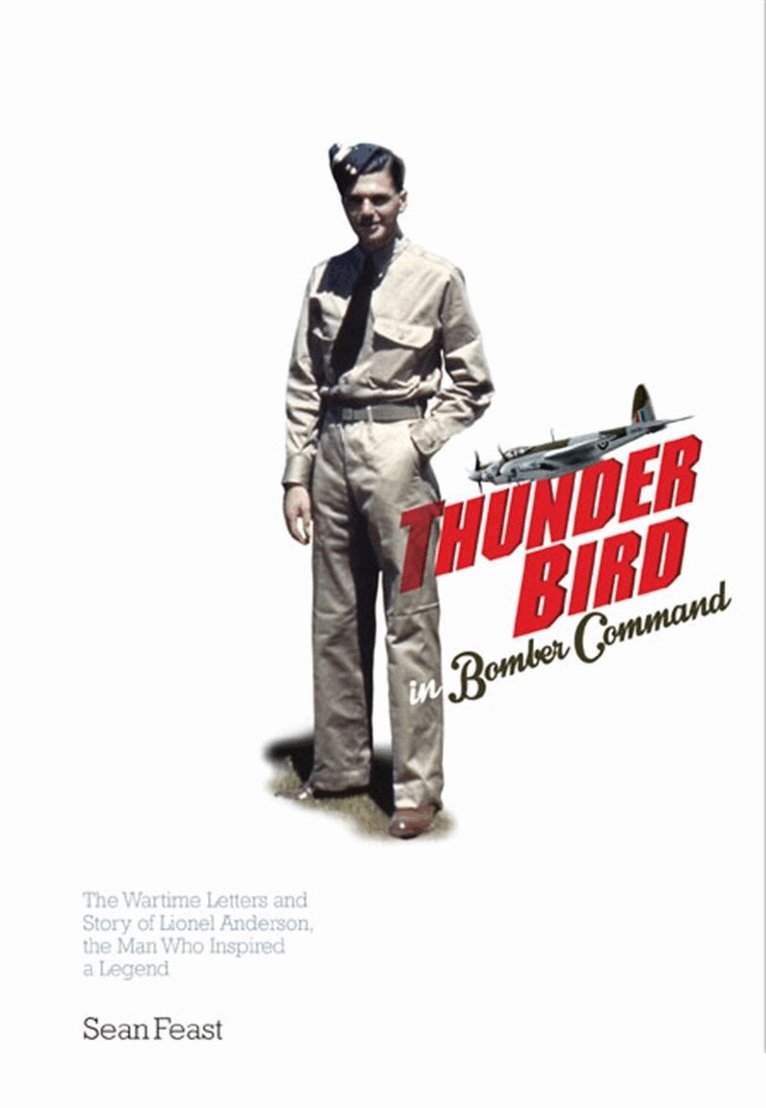
Shot down and killed in April 1944, Lionel Anderson, a low flying Mosquito intruder pilot, was part way through his second tour of operations. He had survived his first tour stooging up and down the French coast in an outdated Boulton Paul Defiant to confound the German night fighter defenses and allow the Royal Air Force bombers a free run to the target. Lionel’s journey to war had been one of enormous excitement, most of which had been spent training in the sunshine and mountains of Arizona, flying during the day and partying hard at the weekends. A prolific letter writer, Lionel continually regaled his parents with tales of cowboys and indians, rattlesnakes and spiders, ground loops and near misses. He also talked of his Hollywood connections, his new ‘pals’ Preston Foster and Gene Tierney, and a movie in which he had ‘starred’ as an ‘extra’. In A Thunder Bird in Bomber Command, acclaimed military aviation historian Sean Feast pieces together Lionel’s story revealing a young man dearly loved by his mother and father. He was similarly worshipped by his younger brother, Gerald, who would go on to become a world renowned television producer, director, and writer. It was Lionel’s connection with a little-known film that was to inspire Gerry Anderson to create a global phenomena - the legend of Thunderbirds.
Inbunden, Engelska, 2022
264 kr
Skickas
Inbunden, Engelska, 2024
365 kr
Skickas
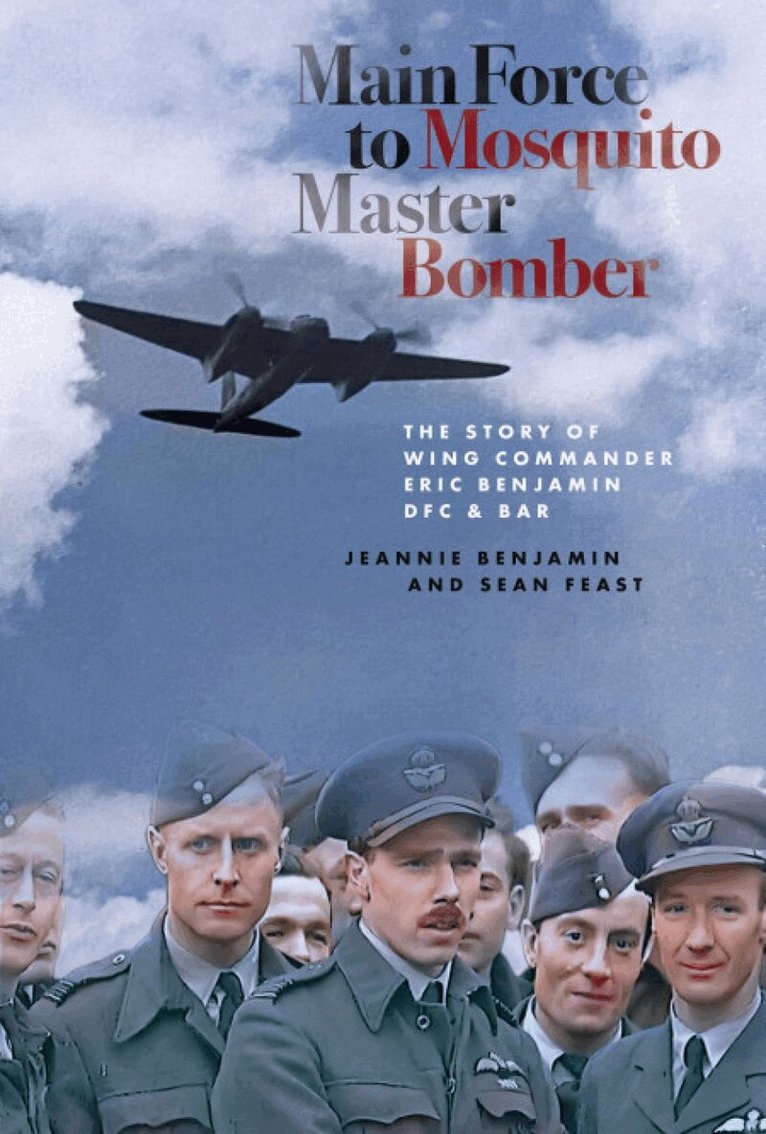
Wing Commander Eric Benjamin was no stranger to danger or excitement. In an action-packed career as part of the RAF Volunteer Reserve (RAFVR), he was awarded the Distinguished Flying Cross twice for his bravery under fire. He flew Fairey Battles with No. 150 Squadron during the Battle of France, Main Force Avro Lancasters with No. 61 Squadron during the Battle of Berlin, and De Havilland Mosquitoes as an elite Pathfinder Master Bomber in the latter stages of the war. He survived being shot down on his first operation, when his air gunner was severely wounded, and was among the last RAF aircrew to be evacuated from France in the summer of 1940. He was pulled clear of the mangled wreckage of a Vickers Wellington that crashed in flames during a spell as an instructor, narrowly escaping with his life for a second time, and ‘starred’ as a Flight Commander interviewed for Pathé News after a successful raid on Berlin in 1943. Towards the end of 1944, he achieved his ambition of flying Mosquitoes, and was selected and trained as a Master Bomber, operating as part of No. 54 Base in No. 5 Group and helping to mop up what was left of German industry and military might. It was from one of these sorties that his aircraft failed to return. Authored by Sean Feast and Eric’s daughter Jeannie, the book includes numerous previously unpublished photographs of Eric, his colleagues, and the aircraft he flew. An inveterate letter writer, Eric once said of flying that there was ‘no greater sport’. He died as he had lived, doing what he loved best.
Inbunden, Engelska, 2026
407 kr
Kommande
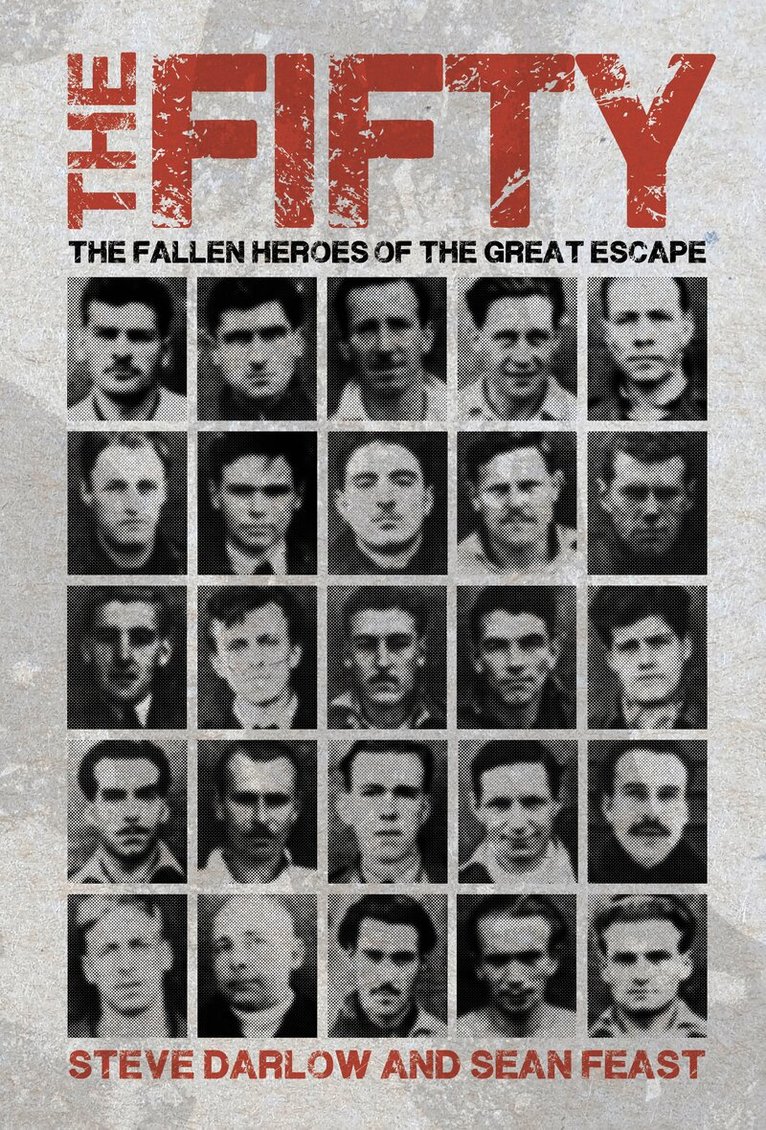
The Great Escape has gone down in history as a story of bravery and cunning that ultimately led to the killing of fifty prisoners of war, all officially recorded as ‘beim Fluchtversuch erschossen’ – shot whilst attempting to escape.While the names of surviving escapers may be familiar, having lived to tell their stories, most of the murdered fifty are less well known, and many receive no more than a footnote in the stories, films and documentaries created thus far. So, who were these men? Where did they come from? How much fighting had they done? And how did they come to be prisoners of war?In The Fifty – The Fallen Heroes of the Great Escape, authors Steve Darlow and Sean Feast present the stories of the killed escapers. They look at their early lives, operational careers, and how they came to be in Stalag Luft 3. They touch upon the very human side of the escape and its aftermath, how the families came to be told, and their practical struggles even thirty years after the event to conclude their loved ones’ affairs in obtaining proof of how, where, and when they died. Crucially, the authors look at the way in which the lives of the murdered men are commemorated, and how their families wished them to be remembered.Brought together in a single volume, The Fifty presents a series of profiles of the fallen heroes – an homage for those whose bid for freedom ended in the most tragic circumstances.
E-bok
Engelska, 2021124 kr
Läs direkt efter köp
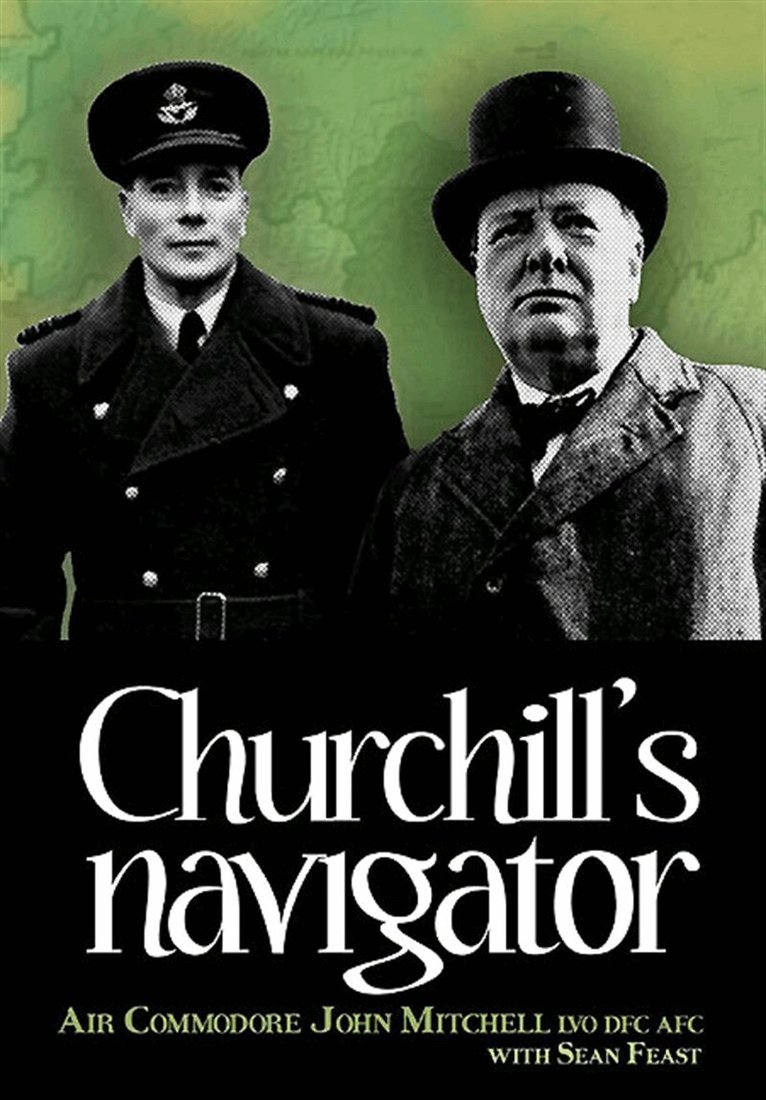
John Mitchell had a remarkable career. An RAF Volunteer Reserve officer, he was mobilized on the outbreak of war and just missed going to join a Battle Squadron in France where he would have undoubtedly been killed. He was instead posted to 58 Squadron flying Whitleys, surviving a tour of operations in 1940/41 including ditching in the North Sea. Awarded the DFC, he was sent to the US, becoming involved in the development of the first navigation training simulators with the famous Link Trainer factory. There, he was awarded the US Legion of Merit, signed by Harry Truman.Returning to the UK in 1942, he was personally selected to join the crew of Winston Churchill’s private aircraft, one of the early prototype Avro Yorks called Ascalon. For two years he navigated Churchill to conferences around the world – from North Africa to Italy, the Middle East to Moscow, including the famous Teheran and Yalta conferences. He also flew ‘General Lyon’ (aka HM George VI) on several occasions for which he received the LVO – an order that was personally in the gift of the sovereign for services rendered. After the war he enjoyed an eventful career as an air attaché, including an intelligence posting to Moscow and was senior navigation officer for the long range exercises over the Pole in the converted Lincoln, Aries III. His is an exceptional story, told with wit and verve to acclaimed author Sean Feast who has added his usual authoritative and informed insights. A worthy successor to Sean’s latest book A Pathfinder’s War.
E-bok
Engelska, 2021124 kr
Läs direkt efter köp
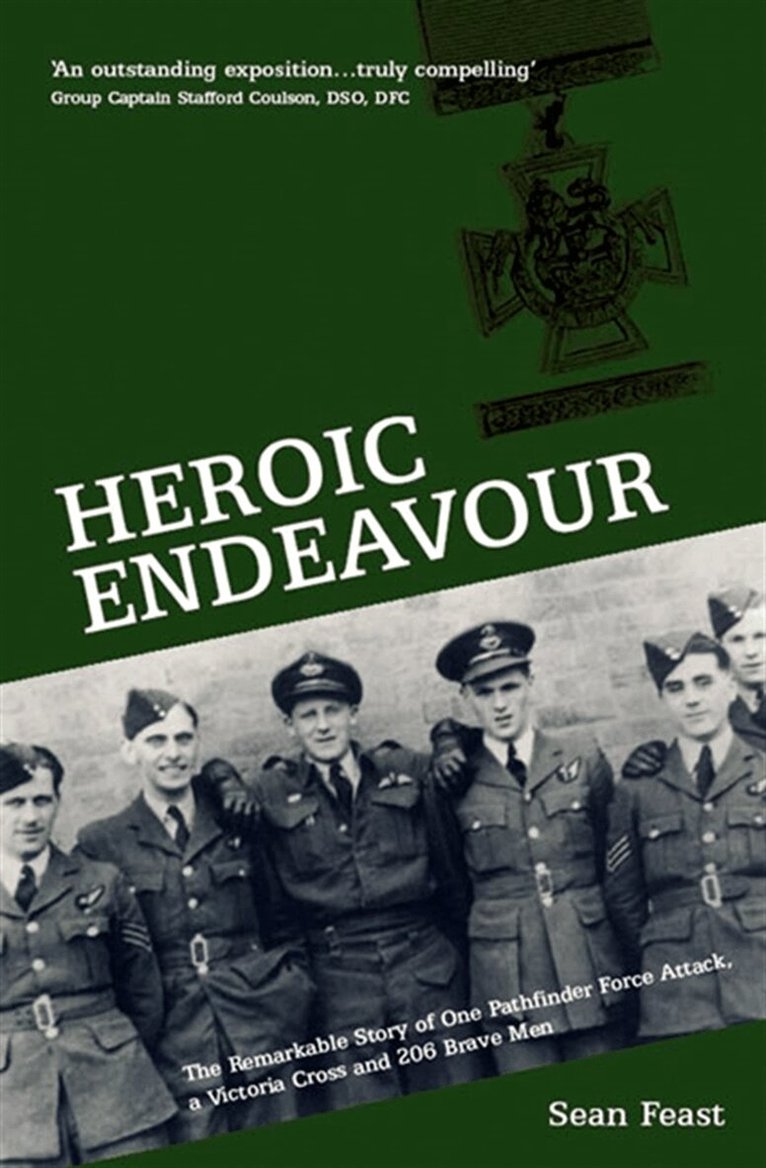
It is 23rd December 1944 and a heroic yet dreadful action is about to take place over Cologne, involving the bravest of the brave – The Pathfinder Force. In the log book of one of that force, Flight Sergeant George Owen, are the details of his 29 operations. The final entry for this date, above a heavily inked stamp proclaiming ‘Death Presumed’ is the simple word ‘missing’. The raid, one of the most important of that time, is scarcely mentioned in history books, and yet it was an operation in which its leader won the Victoria Cross, and a future VC fought a similarly heroic battle. But it was also an ordeal in which ordinary men fought and died – ordinary men doing extraordinary things. This story is for them. Journalist Sean Feast has written this, his third book, in two parts, the first the gripping narrative, the second the retrospective reactions of the survivors, in equal parts moving and informative. This last element is unique and gives the all-important ‘Forgotten Voice’ aspect to the work.
E-bok
Engelska, 2021125 kr
Läs direkt efter köp
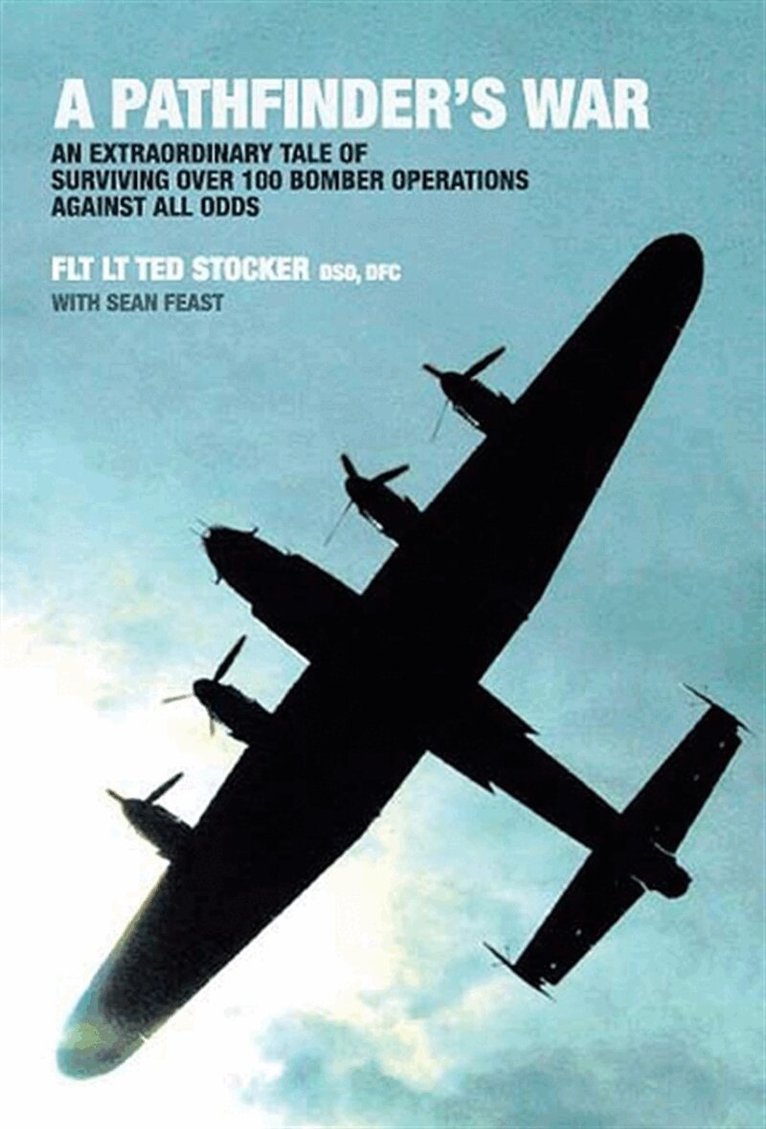
Ted Stocker lived a charmed life. Trained at RAF Halton as one of Trenchard’s ‘Brats’, a posting to Boscombe Down saw him fly in both the prototype Stirling and Halifax just as war engulfed Europe for the second time. Qualifying as one of the RAF’s first flight engineers, he flew operations in 1941/42 with 35 and 102 Squadrons, a contemporary of Leonard Cheshire, helping with the often hair-raising task of converting pilots from two to four engines. On his return to 35, he became a pathfinder and flight engineer leader, taking part in virtually every major air battle of the war. Awarded the DFC in 1943, he was posted to 7 and then 582 Squadrons, going on to complete more than 100 bombing operations , often as a master bomber, and flying with some of the pathfinder ‘greats’, including Don Bennett himself. Although his aircraft was frequently hit, and he survived a crash landing on only his second trip, Ted was never wounded. His achievements were recognized with the Distinguished Service Order, the only known DSO issued to a flight engineer during the war or since. After the war, he flew with Bomber Harris on a tour of Brazil and later qualified as a pilot, introducing the Lockheed Neptune anti-submarine aircraft to the RAF for the first time as a flight commander with Coastal Command.
E-bok
Engelska, 2021124 kr
Läs direkt efter köp
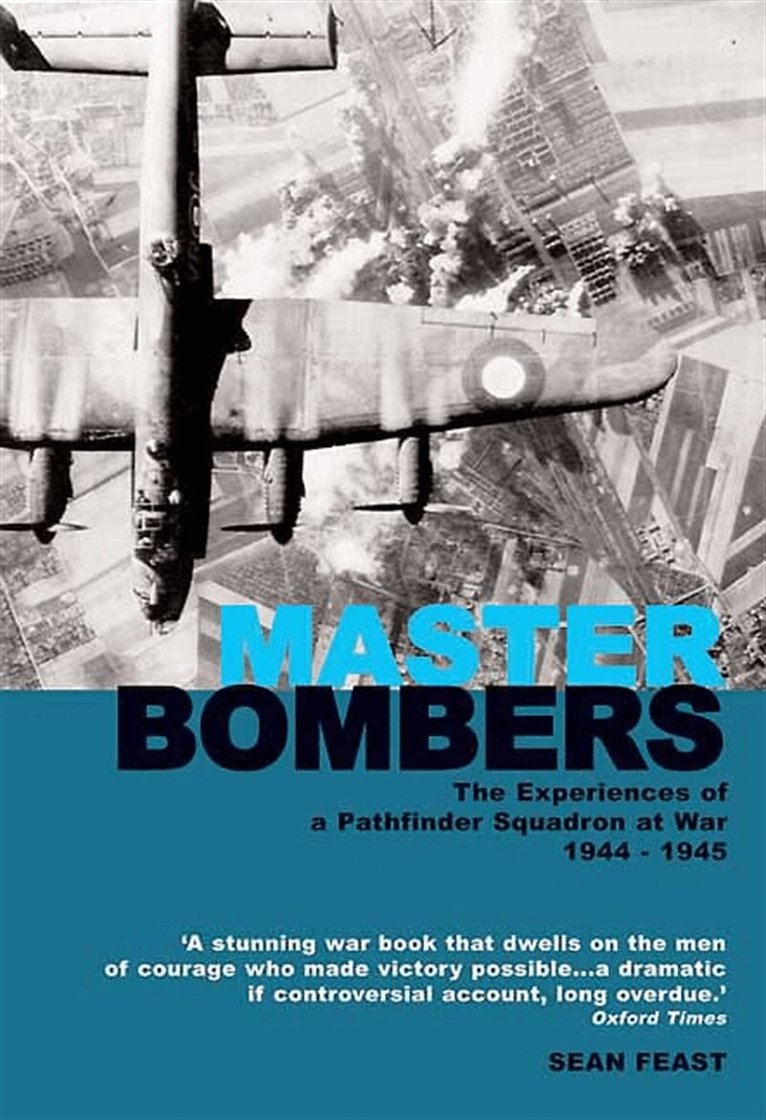
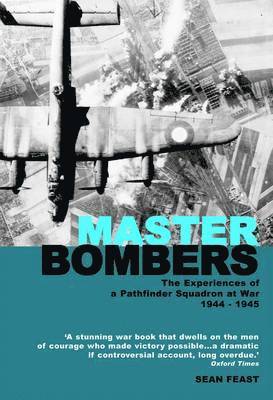
The Pathfinders were the corps d’elite of Bomber Command, the command that led the fight against Germany even before the fall of France. Pathfinder crews consisted of members who had flown a minimum of 45 operational sorties and while they were the best, they were made from all ranks and backgrounds. The Master Bomber was the aircraft in charge of the whole attack. They would transmit instructions over VHF radio to the main force telling them what colored markers to ignore and what to bomb.Master Bombers is a comprehensive and detailed exploration of the key figures involved in Pathfinder operations throughout World War Two.
E-bok
Engelska, 2021125 kr
Läs direkt efter köp
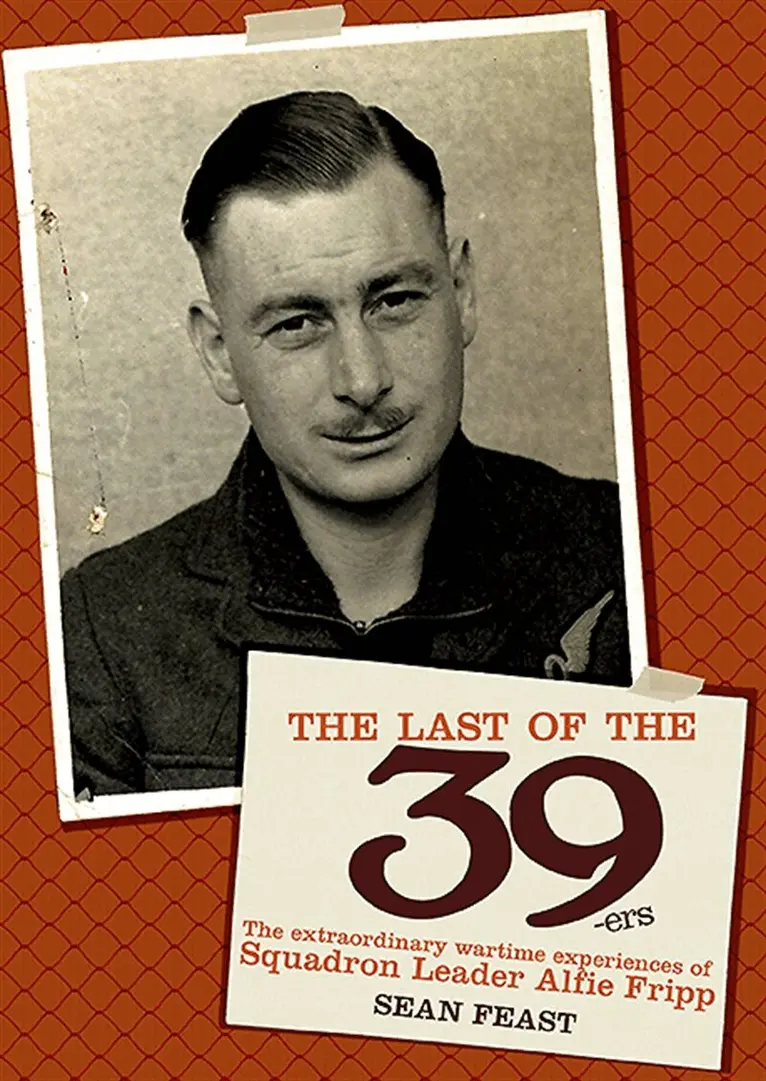
In some ways, Alfie Fripp’s war ended when he was shot down on a reconnaissance sortie over Germany in October 1939. In many others, it was only just beginning. Squadron Leader Alfie Fripp (RAF Retd) was the oldest surviving and longest-serving British prisoner of war (PoW) until his death in 2012 – the last of the so-called ‘39-ers’. Held during World War II in the Nazi PoW camp of Stalag Luft III in Sagan, he was a veteran of the real Great Escape in which he took an active role, and had the sadness of seeing his own skipper – Mike Casey – shot as one of the ‘50’. But Alfie’s story begins well before the outbreak of the Second World War. One of Trenchard’s ‘Brats’, Alfie trained as a wireless operator before spending more than five years in various flying boat squadrons in the Far East. He was again one of the last survivors from the days of the mighty Southampton, Scapa and Singapore flying boats that ruled both the skies and the waves, and helped ensure the safety of the Empire. Told to Sean Feast with striking honesty and simplicity, written with pace and insight, Alfie’s story has been brought alive. Accompanied by a superb collection of photographs, this long-overdue account is an excellent chance to discover the story of one of these legendary men. Sean Feast is a well-respected aviation historian whose past titles for Grub Street have been Heroic Endeavour, Master Bombers (now in paperback), A Pathfinder’s War (with Ted Stocker), and Churchill’s Navigator (with John Mitchell) and, most recently, The Pathfinder Companion.
E-bok
Engelska, 2021124 kr
Läs direkt efter köp
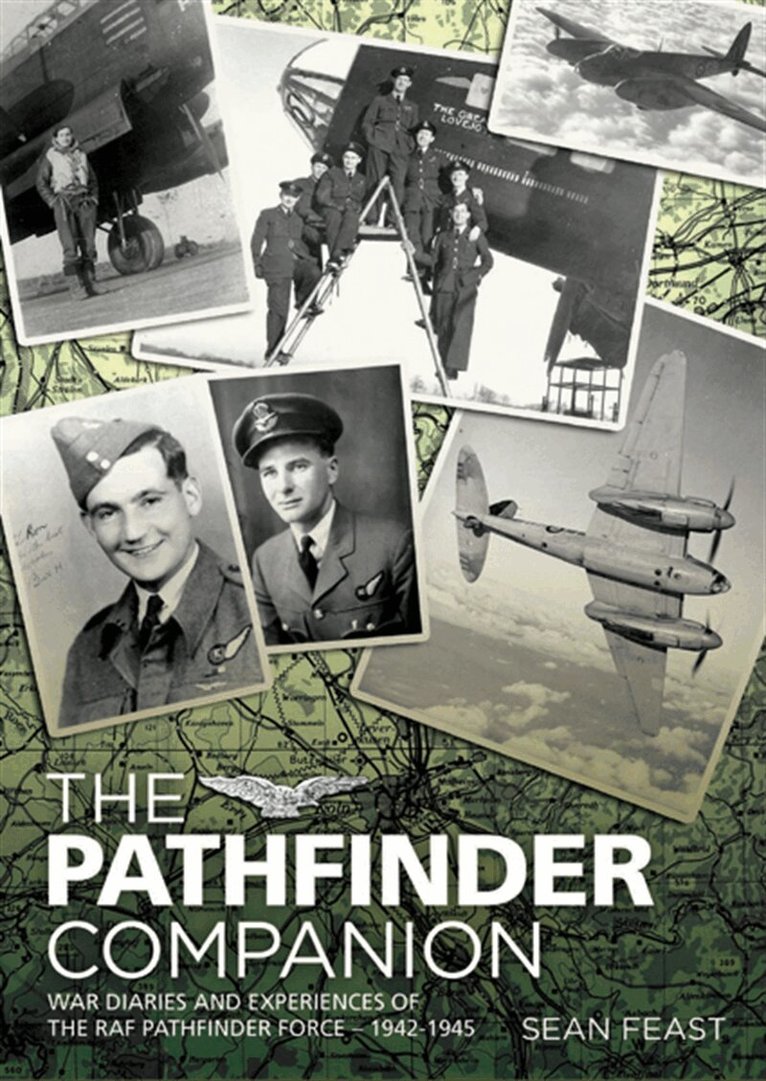
What sort of men were the Pathfinders, the corps d’élite of Bomber Command? What did they do? What risks did they face? And what contribution did they make to the air war and the ultimate defeat of Germany? By drawing on hundreds of hours of interviews with surviving veterans – many speaking for the first time – and combining these with official records and exclusive access to contemporary documents and exhibits at the Pathfinder Museum at RAF Wyton, Sean Feast looks to answer these questions and more, seeking to put these men’s achievements in the context of the time. The Pathfinder Companion, launched to coincide with the 70th anniversary of the foundation of Pathfinder Force in 1942, highlights the raids and the losses, the successes and failures, the terror and the turmoil these men endured, as well as the inevitable humor in the face of tremendous adversity. Profusely illustrated throughout with photos and memorabilia, the book shows how a poorly equipped, disparate group was forged over time into one of the most effective and devastatingly efficient fighting forces ever created. It includes stories and reminiscences not just from the Master Bombers and Long Stops – the elite of the elite controlling huge numbers of bombers over the target – but also the journeymen Pathfinder crews whose support was so essential to success and final victory. A must for anyone interested in Bomber Command. Sean Feast is a well respected aviation historian whose past titles for Grub Street have been Heroic Endeavour, Master Bombers (now in paperback), A Pathfinder’s War (with Ted Stocker), and Churchill’s Navigator (with John Mitchell).
E-bok
Engelska, 2021125 kr
Läs direkt efter köp
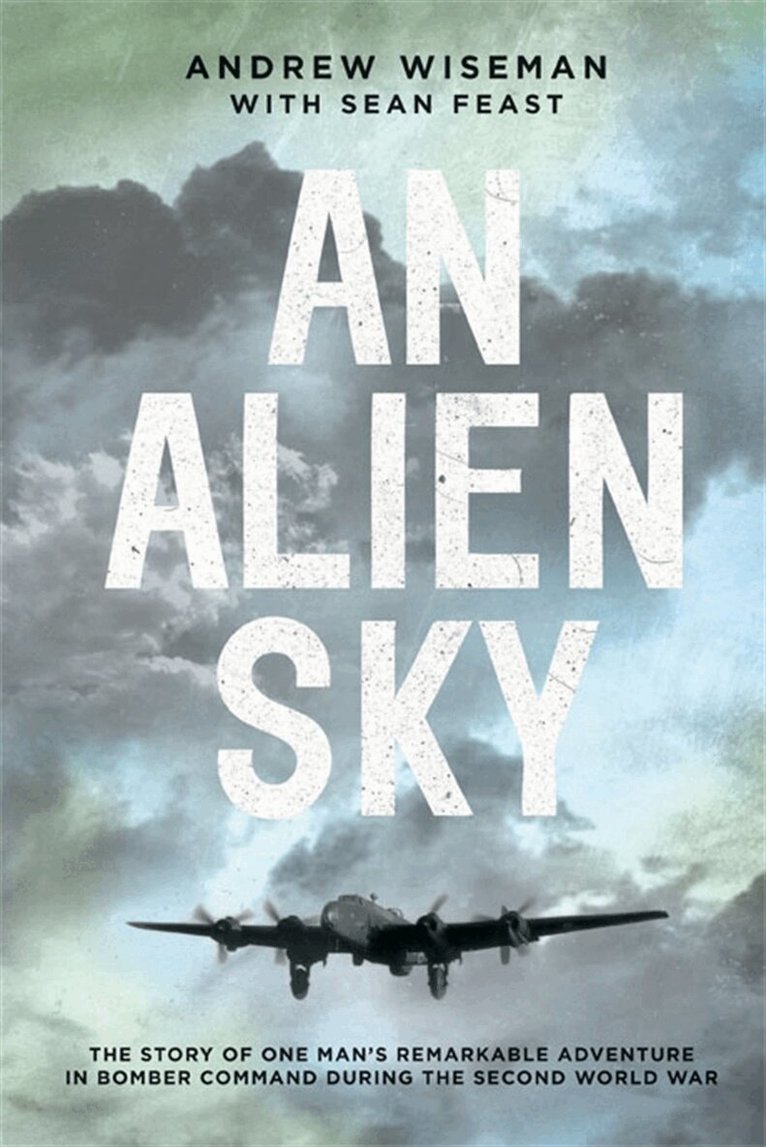
By any measure, Andrew Wiseman (born Weizman) is a lucky man. The only son of a Polish father and an American mother, Andy was born and grew up in Berlin, just as Adolf Hitler was coming to power. As a Jew educated at the famous Werner Siemens Real Gymnasium in Schoneberg, he left only months before his school was closed down and fled with his family to Poland, one step ahead of the Nazi persecution that was to follow and later take the life of his father. From Poland he again fled to England, this time without his parents, arriving as a 16-year-old with little or no grasp of English. After a crash course in the language, he avoided being called up into the Polish army in exile thanks to the timely intervention of no less a man than General Sikorski himself, to enlist in the RAF to train initially as a pilot and then as an air bomber in South Africa. On his return to the UK he was posted to an all-Australian Squadron (466 Squadron) equipped with the Handley Page Halifax. After his first operation in which he was nearly shot down, Andrew survived a handful of eventful trips before falling victim to one of the Luftwaffe’s top night fighter pilots and landing in France. Briefly on the run he was betrayed and captured, spending the next 12 months as a prisoner of war, using his knowledge of Russian, Polish and German to act as one of the principal camp interpreters, and working as a ‘scrounger’ for the ‘X’ committee of escapers. Moved from camp to camp, he was one of those forced into the ‘Long March’ by the Germans attempting to escape the Russian advance, and afterwards played a key role in avoiding the potential bloodshed that threatened when the Russians refused to allow the British and Norwegian prisoners to return home – a role for which he was later recognized by the King of Norway. Upon his release, Andy used his language skills to work with the BBC monitoring service and later, BBC Television as a producer, sharing many adventures with the great broadcasters of their time, including David Dimbleby and Raymond Baxter.
Inbunden, Engelska, 2020
256 kr
Skickas inom 5-8 vardagar
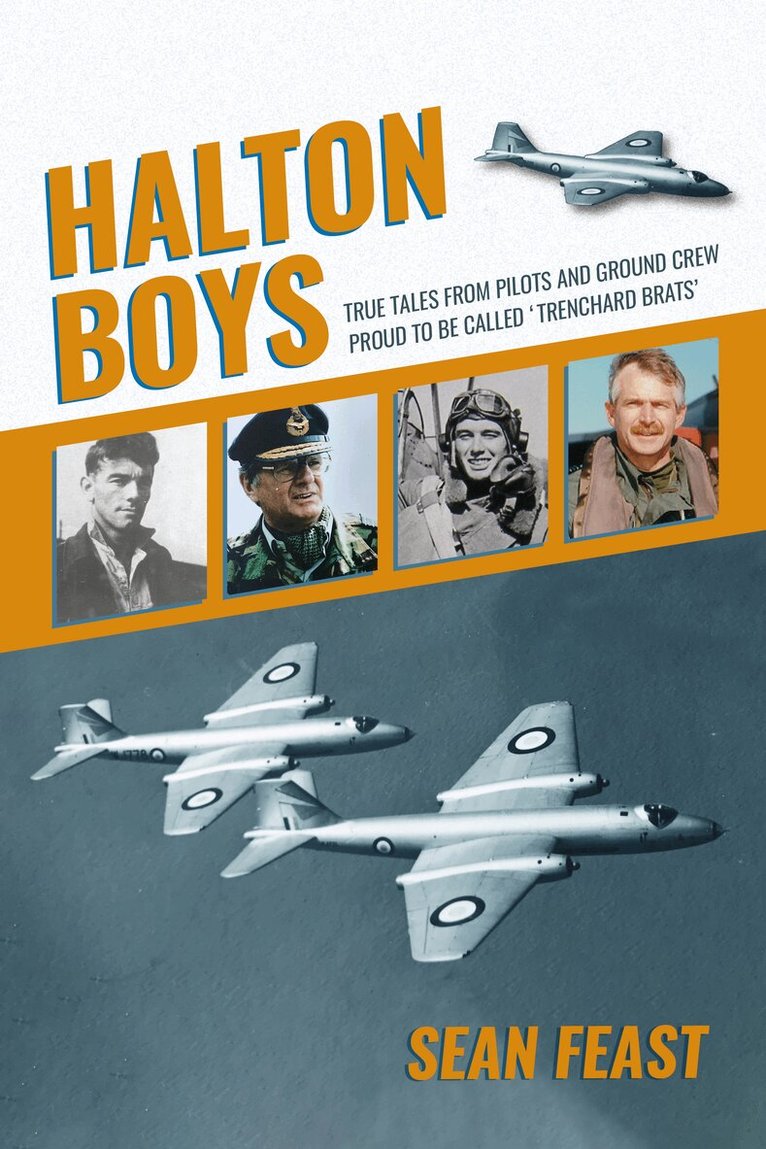
The RAF Halton Apprenticeship Scheme has a deserved reputation for excellence. The brainchild of MRAF Hugh Trenchard, the founder of the Royal Air Force, it took the ‘traditional’ idea of an apprenticeship and interpreted it in a novel way. It allowed teenage boys from any social background or geography to learn a technical trade that would equip them for their future lives, within and beyond the RAF. It also gave the best an opportunity to become pilots and break into the once public-school-dominated officer class. Of the 50,000 boys trained as apprentices, seventeen won the Sword of Honour at Cranwell, and more than 1,200 were commissioned with 110 achieving Air Rank. Eighteen have been knighted, with well over 1,000 others being honoured at various levels of state.More than a hundred Halton Boys served as pilots in the Battle of Britain (and many more as airframe/engine fitters and armourers), including the mercurial Don Finlay, the former Olympic hurdler. Others like Gerry Blacklock and Pat Connolly flew bombers on perilous missions over Western Europe or took part in the famous ‘Dams’ Raid. Then there were the three men murdered for their part in the Great Escape, and those who battled and survived years as prisoners of the Japanese in the Far East.In the jet era, ex-apprentice Graham Hulse became an ‘ace’ in Korea, serving with an American fighter squadron, and Mike Hines went on to become OC 617 Squadron after having first flown operations during the Suez crisis. Others like Charles Owen became a pioneer commercial jet pilot, and Peter Goodwin had the misfortune of being captured in the first Gulf War and used as a human shield.Some forged successful careers beyond the RAF, like Lawrie Haynes, who was on the main board at Rolls-Royce and is now chairman of the Board of Trustees of the Royal Air Force Benevolent Fund, and Eugene Borysuik – one of the many Polish apprentices trained at Halton, who enjoyed a successful career at GEC. And there were many others beyond air and ground crew including policemen, government officials and even bishops whose careers started with the Halton family.This is the story of Halton told through and by the boys who were there and who are still proud to be called ‘Trenchard Brats’.
Inbunden, Engelska, 2024
248 kr
Skickas inom 5-8 vardagar
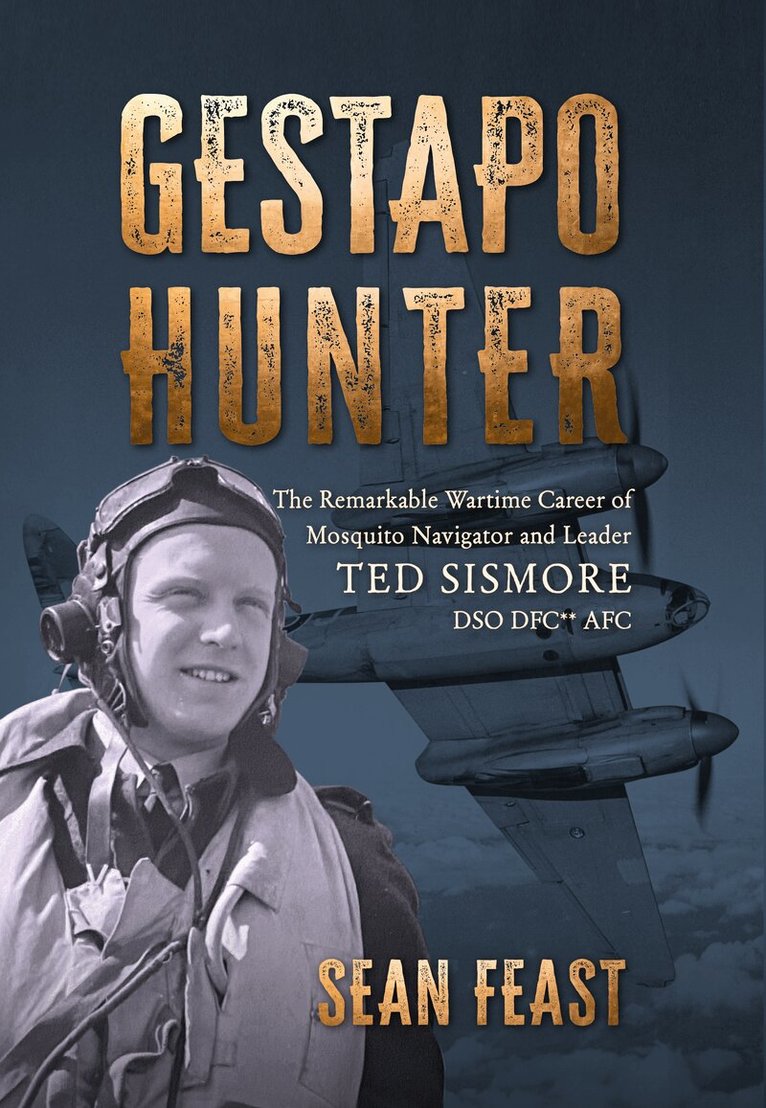
Gestapo Hunter explores the charmed life and exceptional career of Ted Sismore, widely considered one of the RAF’s very best wartime navigators and leaders. A quiet, unassuming man who was nicknamed ‘Daisy’ on account of his youthful complexion, Ted was one of only a handful of aircrew to complete a tour of operations in Blenheims in the summer of 1941.He is best remembered, however, for his long association with the Mosquito. Planning and leading some of the Mossie’s most famous raids against the Nazi regime’s most-loathed characters. He flew in the daylight attack on Berlin, timed to coincide with an address being given by Hermann Göring, for which he received the first of several awards for gallantry and which was widely publicised. This was followed by a range of attacks which demonstrated the Mosquito’s range and marked the aircraft out for further special duties.Identified by Basil Embry, the mercurial AOC of 2 Group, as something of a kindred spirit, Ted joined the Group’s HQ staff, planning Operation Jericho, the famous attack on Amiens prison on February 18, 1944. He then took part in further attacks aimed at disrupting Gestapo activities including the bombing of their HQ at Odense.After the war, Ted teamed up with Mick Martin, the famous Dambuster, to break the flying record from London to Cape Town, in 1947, a journey of almost 7,000 miles. He later qualified as a pilot, flying Meteors, Javelins and Canberras, retiring as an air commodore. He died in 2012.As far as he was able Sean Feast used Ted’s own words throughout the book. The result is a fascinating insight into the life of an extraordinary man.
Inbunden, Engelska, 2026
280 kr
Kommande
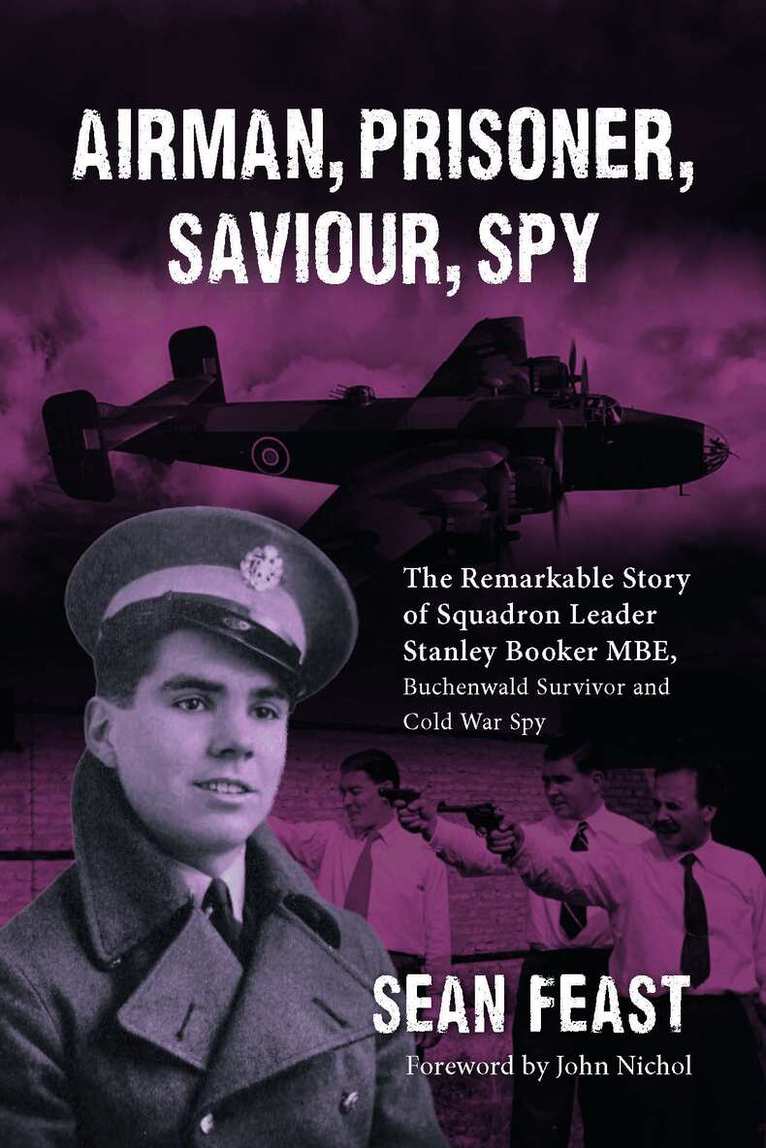
Stanley Booker volunteered for aircrew at the age of 18 and qualified as an observer, flying operations with 10 Squadron in the summer of 1944. Shot down just before D-Day, he was betrayed to the Gestapo and imprisoned in Fresnes, the notorious gaol on the outskirts of Paris, where he was subjected to a brutal interrogation and torture at the hands of the SS. His experiences troubled him for the rest of his life. Rather than being treated as a prisoner of war, Stanley was one of 168 airmen transported to Buchenwald Concentration camp to await execution as ‘Terror Flyers’, only to be saved at the eleventh house by the intervention of the Luftwaffe. On his ultimate return to England no-one wanted to believe where he had been or what he had seen. So began an 80-year battle with the authorities to prove what had happened, and to receive the recognition which he and his fellow prisoners were due, as well as ensuring those servicemen who had died or were murdered in the camp were properly commemorated. After the war, Stanley flew more than 200 operations during the Berlin Airlift, aiding a nation which only a few years earlier had been intent on his elimination. He was later recruited by the Intelligence agencies in Berlin at the height of the Cold War and suffered another betrayal, this time at the hands of the traitor George Blake. As John Nichol has written in his foreword:“Stanley Booker’s extraordinary story is painstakingly researched and sympathetically written, providing a remarkable account of individual service and sacrifice. Even though I was shot down myself during the Gulf War in 1991, held as a prisoner of war by hostile captors, I can only begin to imagine the terrible suffering Stanley had to endure, and I marvel at his fortitude as a survivor who died in January 2025, still fighting for justice, at the remarkable age of 102.”
Inbunden, Engelska, 2020
218 kr
Skickas
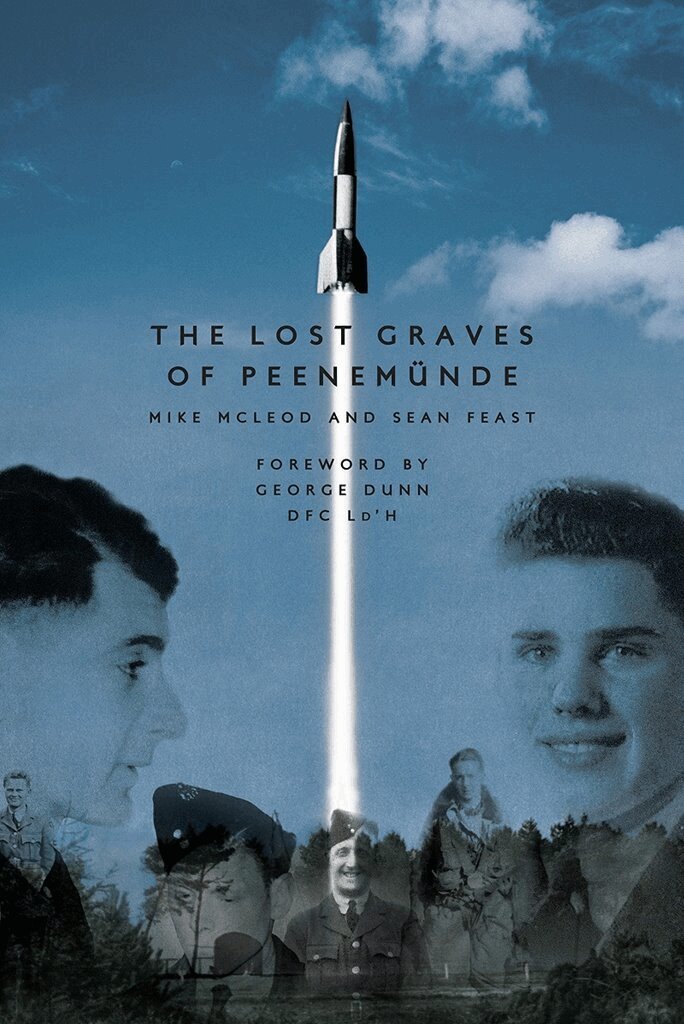
The raid on the secret rocket research establishment at Peenemünde on the Baltic coast in August 1943 has gone down in history as one of the most successful and remarkable of the war. The site was virtually obliterated, and the Germans forced to move rocket production and development elsewhere. But it came at a terrible cost. More than 40 bombers and 215 RAF aircrew failed to return. After the war, the bodies of many of those who were killed were recovered by the Missing Research and Enquiry Service (MRES) and buried in Commonwealth war graves. But not all. A series of mishaps and miscommunication led the MRES to search in the wrong place. Funds to continue the search dried up. And with the site falling into Russian hands, and access to British and US search parties severely restricted, the search ultimately had to be called off, and the remaining men commemorated on the Runnymede Memorial as having no known grave. But some of the missing men are still there, waiting to be found.With a foreword from Peenemünde raid veteran pilot George Dunn DFC L d'H, and illustrated with a wealth of previously unpublished photographs, Sean Feast and Mike McLeod tell the story of the forgotten graves of Peenemünde, the search to discover the truth about their final resting place, and the chance that their bodies may yet be discovered and returned.
Inbunden, Engelska, 2015
395 kr
Tillfälligt slut
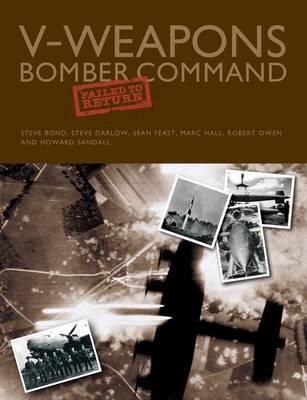
In the Summer of 1944 Nazi Germany launched its terrifying Vergeltungswaffen (reprisal weapon) attack against the population of south-east England. Under direct attack the Allies responded. The Supreme Allied Commander General Dwight D. Eisenhower was quite clear that the V-weapon counter measures were of paramount importance over everything except the urgent requirements of the D-Day and Normandy land battle, ’this priority to obtain until we can be certain that we have definitely gotten the upper hand of this particular business.’ He would use all the resources at his disposal including the Royal Air Force’s heavy bomber force.The task for RAF Bomber Command was simple. If the bomber crews could reduce the number of V1s launched, the fighter aircraft and gun defences had a better chance to intercept and shoot down the flying bombs. But these pilotless aircraft were not the only menace, the V2 rocket offensive would soon be launched, and the Allies closely monitored the construction of what they came to learn was the V3 ‘supergun’ site.When the war came to a close Bomber Command could justifiably claim success against the V-Weapons. There was a cost though – a cost in aircrew lives. V-Weapons Bomber Command Failed to Return tells the story of some of those airmen who were prepared to risk their lives countering the German V-Weapon offensive in direct defence of the civilian population. They had responded to what British Prime Minister Winston Churchill described as the attempt to ‘blast the viper in his nest’. Their story deserves to be told. ‘We Will Remember Them’.