Sean Neill – författare
Visar alla böcker från författaren Sean Neill. Handla med fri frakt och snabb leverans.
12 produkter
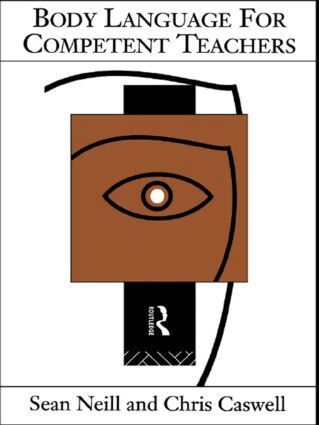
Body Language for Competent Teachers
Häftad, 1993
714 kr
Lägg i varukorg
Non-verbal skills are invaluable for teachers in getting their own messages across to classes and understanding the messages pupils are sending them.Here an educational psychologist and a classroom teacher join forces to show new teachers in particular how to use gesture, posture, facial expression …
OSCE Guide for the ABA Applied Examination
Av Sean Neill, William Simpson m. fl.
Häftad, 2017
1022 kr
Lägg i varukorg
The OSCE (Objective Structured Clinical Examination) component of the ABA Applied exam is a new concept that involves a number of 'live' practical stations in which candidates must demonstrate communication, professionalism and technical skills to the examiners. This book covers topics that are …
OSCE Guide for the ABA Applied Examination
Av Milo Engoren, Simon Maguire m. fl.
E-bok, 2017
1007 kr
Lägg i varukorg
The OSCE (Objective Structured Clinical Examination) component of the ABA Applied exam is a new concept that involves a number of ''live'' practical stations in which candidates must demonstrate communication, professionalism and technical skills to the examiners. This book covers topics that are …
OSCE Guide for the ABA Applied Examination
Av Milo Engoren, Simon Maguire m. fl.
E-bok, 2017
986 kr
Lägg i varukorg
The OSCE (Objective Structured Clinical Examination) component of the ABA Applied exam is a new concept that involves a number of ''live'' practical stations in which candidates must demonstrate communication, professionalism and technical skills to the examiners. This book covers topics that are …
Body Language for Competent Teachers
E-bok, 2003
823 kr
Lägg i varukorg
Non-verbal skills are invaluable for teachers in getting their own messages across to classes and understanding the messages pupils are sending them. Here an educational psychologist and a classroom teacher join forces to show new teachers in particular how to use gesture, posture, facial …
Body Language for Competent Teachers
E-bok, 2003
842 kr
Lägg i varukorg
Non-verbal skills are invaluable for teachers in getting their own messages across to classes and understanding the messages pupils are sending them. Here an educational psychologist and a classroom teacher join forces to show new teachers in particular how to use gesture, posture, facial …
Body Language for Competent Teachers
Inbunden, 2016
2439 kr
Lägg i varukorg
Non-verbal skills are invaluable for teachers in getting their own messages across to classes and understanding the messages pupils are sending them.Here an educational psychologist and a classroom teacher join forces to show new teachers in particular how to use gesture, posture, facial expression …
Classroom Nonverbal Communication
Av Sean Neill
Inbunden, 2017
2071 kr
Lägg i varukorg
Nonverbal signals are less easily controlled that words and thus, potentially, offer reliable information to both teachers and children on each other’s true intentions. But such signals are also more ambiguous than words, and this makes them valuable when teachers or children wish to send a message …
Classroom Nonverbal Communication
Av Sean Neill
Häftad, 2019
530 kr
Lägg i varukorg
Nonverbal signals are less easily controlled that words and thus, potentially, offer reliable information to both teachers and children on each other’s true intentions. But such signals are also more ambiguous than words, and this makes them valuable when teachers or children wish to send a message …
Classroom Nonverbal Communication
Av Sean Neill
E-bok, 2017
605 kr
Lägg i varukorg
Nonverbal signals are less easily controlled that words and thus, potentially, offer reliable information to both teachers and children on each other’s true intentions. But such signals are also more ambiguous than words, and this makes them valuable when teachers or children wish to send a …
Classroom Nonverbal Communication
Av Sean Neill
E-bok, 2017
623 kr
Lägg i varukorg
Nonverbal signals are less easily controlled that words and thus, potentially, offer reliable information to both teachers and children on each other’s true intentions. But such signals are also more ambiguous than words, and this makes them valuable when teachers or children wish to send a …