Sean Patrick Adams - Böcker
Visar alla böcker från författaren Sean Patrick Adams. Handla med fri frakt och snabb leverans.
11 produkter
11 produkter
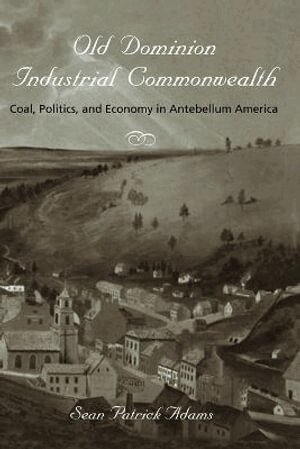
Old Dominion, Industrial Commonwealth
Coal, Politics, and Economy in Antebellum America
Inbunden, Engelska, 2005
642 kr
Skickas
In 1796, famed engineer and architect Benjamin Henry Latrobe toured the coal fields outside Richmond, Virginia, declaring enthusiastically, "Such a mine of Wealth exists, I believe, nowhere else!" With its abundant and accessible deposits, growing industries, and network of rivers and ports, Virginia stood poised to serve as the center of the young nation's coal trade. By the middle of the nineteenth century, however, Virginia's leadership in the American coal industry had completely unraveled while Pennsylvania, at first slow to exploit its vast reserves of anthracite and bituminous coal, had become the country's leading producer. Sean Patrick Adams compares the political economies of coal in Virginia and Pennsylvania from the late eighteenth century through the Civil War, examining the divergent paths these two states took in developing their ample coal reserves during a critical period of American industrialization. In both cases, Adams finds, state economic policies played a major role.Virginia's failure to exploit the rich coal fields in the western part of the state can be traced to the legislature's overriding concern to protect and promote the interests of the agrarian, slaveholding elite of eastern Virginia. Pennsylvania's more factious legislature enthusiastically embraced a policy of economic growth that resulted in the construction of an extensive transportation network, a statewide geological survey, and support for private investment in its coal fields. Using coal as a barometer of economic change, Old Dominion, Industrial Commonwealth addresses longstanding questions about North-South economic divergence and the role of state government in American industrial development, providing new insights for both political and economic historians of nineteenth-century America.
Old Dominion, Industrial Commonwealth
Coal, Politics, and Economy in Antebellum America
Häftad, Engelska, 2010
446 kr
Skickas inom 5-8 vardagar
In 1796, famed engineer and architect Benjamin Henry Latrobe toured the coal fields outside Richmond, Virginia, declaring enthusiastically, "Such a mine of Wealth exists, I believe, nowhere else!" With its abundant and accessible deposits, growing industries, and network of rivers and ports, Virginia stood poised to serve as the center of the young nation's coal trade. By the middle of the nineteenth century, however, Virginia's leadership in the American coal industry had completely unraveled while Pennsylvania, at first slow to exploit its vast reserves of anthracite and bituminous coal, had become the country's leading producer. Sean Patrick Adams compares the political economies of coal in Virginia and Pennsylvania from the late eighteenth century through the Civil War, examining the divergent paths these two states took in developing their ample coal reserves during a critical period of American industrialization. In both cases, Adams finds, state economic policies played a major role.Virginia's failure to exploit the rich coal fields in the western part of the state can be traced to the legislature's overriding concern to protect and promote the interests of the agrarian, slaveholding elite of eastern Virginia. Pennsylvania's more factious legislature enthusiastically embraced a policy of economic growth that resulted in the construction of an extensive transportation network, a statewide geological survey, and support for private investment in its coal fields. Using coal as a barometer of economic change, Old Dominion, Industrial Commonwealth addresses longstanding questions about North-South economic divergence and the role of state government in American industrial development, providing new insights for both political and economic historians of nineteenth-century America.
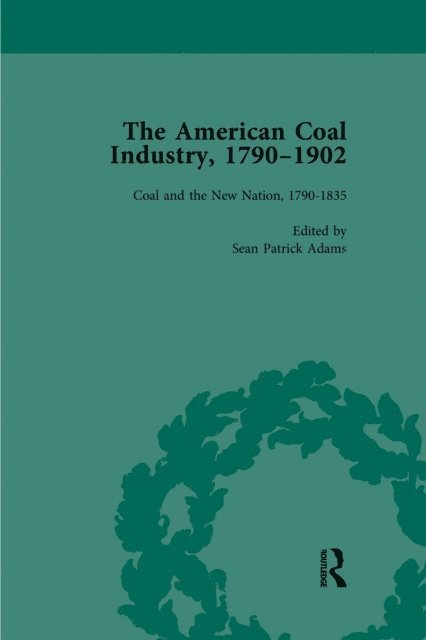
American Coal Industry 1790–1902, Volume I
Coal and the New Nation, 1790-1835
Inbunden, Engelska, 2013
1 804 kr
Skickas inom 10-15 vardagar
The emergence of coal-based fuel economy over the course of the nineteenth century was one of the most significant features of America’s Industrial Revolution, but the transition from wood to mineral energy sources was a gradual one that transpired over a number of decades. The documents in these volumes recreate the institutional history of the American coal industry in the nineteenth century — providing a first-hand perspective on the developments in regard to political economy, business structure and competition, the rise of formal trade unions, and the creation of a national coal trade. Although the collection strives to be wide-ranging in region and theme, the Pennsylvania anthracite coal trade forms the thematic backbone as it became the most important American mineral resource to see successful development throughout the nineteenth century. Consequently it saw unprecedented levels of intervention by the federal government. The texts for this collection were selected for their accessibility to modern readers as well as their relationship to a series of common themes across the nineteenth century American coal industry — with headnotes and annotations provided to explain their context and the reasons for their inclusion.In this first volume, covering the period 1790-1835, the selected documents seek to reconcile the optimism surrounding the early American coal industry with the difficulties in actually realising its growth. It presents voices that capture the optimism and frustration of the Rhode Island and Virginia colliers, before focusing on the rise of Pennsylvania’s anthracite region — tracing the false-starts and ideological hostility that accompanied the early coal trade.
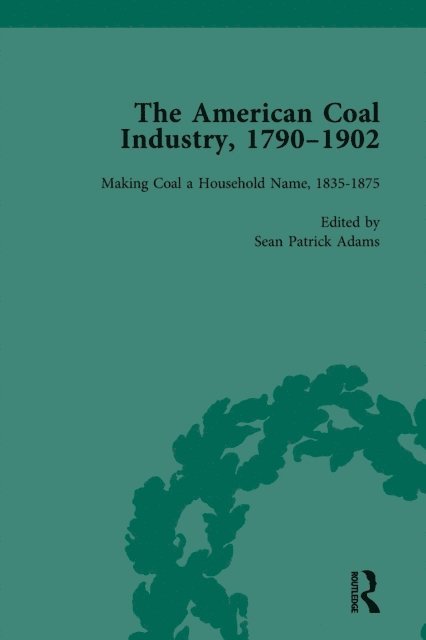
American Coal Industry 1790-1902, Volume II
Making Coal a Household Name, 1835-1875
Inbunden, Engelska, 2013
2 357 kr
Skickas inom 10-15 vardagar
The emergence of coal-based fuel economy over the course of the nineteenth century was one of the most significant features of America’s Industrial Revolution, but the transition from wood to mineral energy sources was a gradual one that transpired over a number of decades. The documents in these volumes recreate the institutional history of the American coal industry in the nineteenth century — providing a first-hand perspective on the developments in regard to political economy, business structure and competition, the rise of formal trade unions, and the creation of a national coal trade. Although the collection strives to be wide-ranging in region and theme, the Pennsylvania anthracite coal trade forms the thematic backbone as it became the most important American mineral resource to see successful development throughout the nineteenth century. Consequently it saw unprecedented levels of intervention by the federal government. The texts for this collection were selected for their accessibility to modern readers as well as their relationship to a series of common themes across the nineteenth century American coal industry — with headnotes and annotations provided to explain their context and the reasons for their inclusion.The second volume, following on from the first, traces the continuation of the anthracite boom and also introduces new concerns for the coal industry. Overall the period from 1835-1875 saw the American coal trade expand from a hit-or-miss business dominated by risk-taking proprietary firms to a well-funded industry that employed the resources of state governments, large mining corporations and powerful railroads in order to keep a steady stream of mineral fuel flowing to the growing industrial and commercial heating markets of the United States. The transformation generated many conflicts — which are illustrated by the documents in this volume.
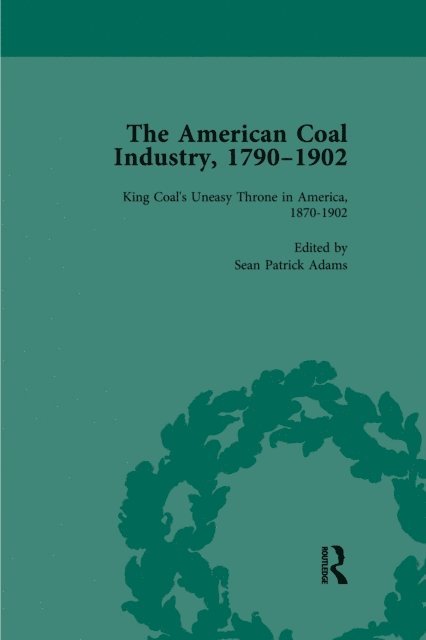
American Coal Industry 1790–1902, Volume III
King Coal's Uneasy Throne in America, 1870-1902
Inbunden, Engelska, 2013
1 804 kr
Skickas inom 10-15 vardagar
The emergence of coal-based fuel economy over the course of the nineteenth century was one of the most significant contributions the America’s Industrial Revolution, but the transition from wood to mineral energy sources was a gradual one that transpired over a number of decades. The documents in these volumes recreate the institutional history of the American coal industry in the nineteenth century; in doing so they provide a first-hand perspective on the developments in regard to political economy, business structure and competition, the rise of formal trade unions, and the creation of a national coal trade. Although the collection strives to be wide-ranging in region and theme, the Pennsylvania anthracite coal trade forms the thematic backbone as it became the most important American mineral resource to see successful development throughout the nineteenth century and consequently saw unprecedented levels of intervention by the federal government. The texts for this collection were selected for their accessibility to modern readers as well as their relationship to a series of common themes across the nineteenth century American coal industry — with headnotes and annotations provided to explain their context and the reasons for their inclusion.The third volume in this set traces the three decades following the American Civil War, during which time the use of coal for manufacturing, locomotives and domestic heating helped build a dynamic industrial economy in the United States. Mineral fuel growth powered the growth of the nation and by 1885 coal became the single most important source of American energy. Coal mining spread to nearly every corner of the nation in the half-century following the civil war. By the time of the Great Anthracite Strike in 1902, the American coal industry was a truly national phenomenon. The rise of large and well-funded mining and railroad corporations, the national unions, and the inroads by state governments into mine safety all suggest a significant reshaping had occurred.
1 157 kr
Skickas inom 7-10 vardagar
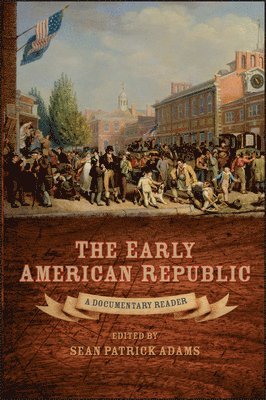
THE EARLY AMERICAN REPUBLIC UNCOVERING THE PAST: DOCUMENTARY READERS IN AMERICAN HISTORY “Selected with imagination and wisdom, these incisive and wide-ranging texts will provide a ‘road map’ for students of the first sixty years of American independence.”Daniel Walker Howe, Winner of 2008 Pulitzer Prize for History “A nice blend of comprehensiveness and coherence, the selections are individually interesting, relate well to each other, and provide a wide-ranging, imaginative, and disciplined conversation about the Early Republic.”Paul E. Johnson, University of South Carolina “This handy collection of speeches, documents, private letters, and pieces of literature, complete with context-setting prefaces, will be invaluable in any course covering major themes in the history of early national America.”Joanne Freeman, Yale University “Expertly edited and chock-full of enlightening and telling primary documents, this reader conveys a beautifully textured sense of the past and attends to all of the key issues during the formative years of the United States.”Mark M. Smith, University of South Carolina “Finally, a primary sources reader that includes the full breadth of voices (both familiar and lesser known) that characterized the Early American Republic. Sean Adams’s informative introduction ties these voices together well, making this book a helpful teaching tool for conveying the rich variety of social and political issues that the young nation faced.”Steven Deyle, University of Houston “Students will marvel at the fifty-year struggle to forge a nation in the decades following the American Revolution.”Seth Rockman, Brown University
408 kr
Skickas inom 7-10 vardagar
THE EARLY AMERICAN REPUBLIC UNCOVERING THE PAST: DOCUMENTARY READERS IN AMERICAN HISTORY “Selected with imagination and wisdom, these incisive and wide-ranging texts will provide a ‘road map’ for students of the first sixty years of American independence.”Daniel Walker Howe, Winner of 2008 Pulitzer Prize for History “A nice blend of comprehensiveness and coherence, the selections are individually interesting, relate well to each other, and provide a wide-ranging, imaginative, and disciplined conversation about the Early Republic.”Paul E. Johnson, University of South Carolina “This handy collection of speeches, documents, private letters, and pieces of literature, complete with context-setting prefaces, will be invaluable in any course covering major themes in the history of early national America.”Joanne Freeman, Yale University “Expertly edited and chock-full of enlightening and telling primary documents, this reader conveys a beautifully textured sense of the past and attends to all of the key issues during the formative years of the United States.”Mark M. Smith, University of South Carolina “Finally, a primary sources reader that includes the full breadth of voices (both familiar and lesser known) that characterized the Early American Republic. Sean Adams’s informative introduction ties these voices together well, making this book a helpful teaching tool for conveying the rich variety of social and political issues that the young nation faced.”Steven Deyle, University of Houston “Students will marvel at the fifty-year struggle to forge a nation in the decades following the American Revolution.”Seth Rockman, Brown University
457 kr
Tillfälligt slut
Home Fires tells the fascinating story of how changes in home heating over the nineteenth century spurred the growth of networks that helped remake American society. Sean Patrick Adams reconstructs the ways in which the "industrial hearth" appeared in American cities, the methods that entrepreneurs in home heating markets used to convince consumers that their product designs and fuel choices were superior, and how elite, middle-class, and poor Americans responded to these overtures. Adams depicts the problem of dwindling supplies of firewood and the search for alternatives; the hazards of cutting, digging, and drilling in the name of home heating; the trouble and expense of moving materials from place to place; the rise of steam power; the growth of an industrial economy; and questions of economic efficiency, at both the individual household and the regional level. Home Fires makes it clear that debates over energy sources, energy policy, and company profit margins have been around a long time. The challenge of staying warm in the industrializing North becomes a window into the complex world of energy transitions, economic change, and emerging consumerism.Readers will understand the struggles of urban families as they sought to adapt to the ever-changing nineteenth-century industrial landscape. This perspective allows a unique view of the development of an industrial society not just from the ground up but from the hearth up.
288 kr
Skickas inom 7-10 vardagar
Home Fires tells the fascinating story of how changes in home heating over the nineteenth century spurred the growth of networks that helped remake American society. Sean Patrick Adams reconstructs the ways in which the "industrial hearth" appeared in American cities, the methods that entrepreneurs in home heating markets used to convince consumers that their product designs and fuel choices were superior, and how elite, middle-class, and poor Americans responded to these overtures. Adams depicts the problem of dwindling supplies of firewood and the search for alternatives; the hazards of cutting, digging, and drilling in the name of home heating; the trouble and expense of moving materials from place to place; the rise of steam power; the growth of an industrial economy; and questions of economic efficiency, at both the individual household and the regional level. Home Fires makes it clear that debates over energy sources, energy policy, and company profit margins have been around a long time. The challenge of staying warm in the industrializing North becomes a window into the complex world of energy transitions, economic change, and emerging consumerism.Readers will understand the struggles of urban families as they sought to adapt to the ever-changing nineteenth-century industrial landscape. This perspective allows a unique view of the development of an industrial society not just from the ground up but from the hearth up.
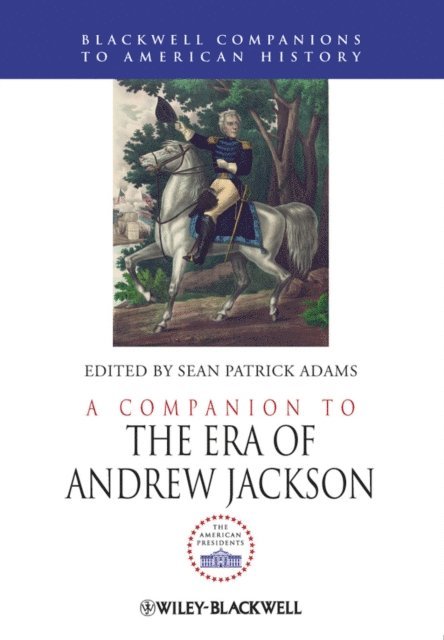
Del 69 - Wiley Blackwell Companions to American History
Companion to the Era of Andrew Jackson
Inbunden, Engelska, 2013
2 206 kr
Skickas inom 5-8 vardagar
A COMPANION TO THE ERA OF ANDREW JACKSON More than perhaps any other president, Andrew Jackson’s story mirrored that of the United States; from his childhood during the American Revolution, through his military actions against both Native Americans and Great Britain, and continuing into his career in politics. As president, Jackson attacked the Bank of the United States, railed against disunion in South Carolina, defended the honor of Peggy Eaton, and founded the Democratic Party. In doing so, Andrew Jackson was not only an eyewitness to some of the seminal events of the Early American Republic; he produced an indelible mark on the nation’s political, economic, and cultural history. A Companion to the Era of Andrew Jackson features a collection of more than 30 original essays by leading scholars and historians that consider various aspects of the life, times, and legacy of the seventh president of the United States. Topics explored include life in the Early American Republic; issues of race, religion, and culture; the rise of the Democratic Party; Native American removal events; the Panic of 1837; the birth of women’s suffrage, and more.
8 220 kr
Skickas inom 10-15 vardagar
The emergence of coal-based fuel economy over the course of the nineteenth century was one of the most significant features of America’s Industrial Revolution, but the transition from wood to mineral energy sources was a gradual one that transpired over a number of decades. The documents in these volumes recreate the institutional history of the American coal industry in the nineteenth century — providing a first-hand perspective on the developments in regard to political economy, business structure and competition, the rise of formal trade unions, and the creation of a national coal trade. Although the collection strives to be wide-ranging in region and theme, the Pennsylvania anthracite coal trade forms the thematic backbone as it became the most important American mineral resource to see successful development throughout the nineteenth century. Consequently it saw unprecedented levels of intervention by the federal government. The texts for this collection were selected for their accessibility to modern readers as well as their relationship to a series of common themes across the nineteenth century American coal industry — with headnotes and annotations provided to explain their context and the reasons for their inclusion.