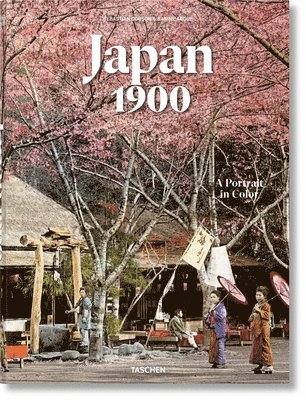
The Golden Age of Travel neatly overlaps with the reign of the Emperor Meiji, which began in 1868 with the overthrow of a feudal order that had kept Japan secluded from the outside world for more than 200 years. In the ensuing four-and-a-half decades, Japan became a less remote and more attractive destination for the international traveler and a popular subject for photographers, both Japanese and foreign.In 536 pages, this book presents more than 700 vintage images of Japan, texts by a specialist in early Japanese photography, and extensive commentary through thematic sections exploring traditions as varied as tea, silk and Buddhism, as well as itineraries across five regions, all of which guide the reader through this captivating land.Our travels take us from the enchanting vistas of Nagasaki to the seagirt shrine of Miyajima, long esteemed among the "Three Views" considered the most beautiful in Japan; from the rambling streets of Kobe to the energetic bustle of Osaka; from the cornucopia of historic sights in the ancient cities of Kyoto and Nara to the twin delights of shopping and sex in the vibrant modern port of Yokohama; from the timeless beauty of Mount Fuji and the mountainside scenery of nearby Hakone to the urban melange of Japan’s modern capital, where the traditions of Edo and the modernity of Tokyo co-existed; and, finally, from the jewel-like architecture of Nikkō set amidst forests and waterfalls to the islet-studded bay of Matsushima, until our journey ends in the remote wilds of Hokkaido, home to the indigenous Ainu.
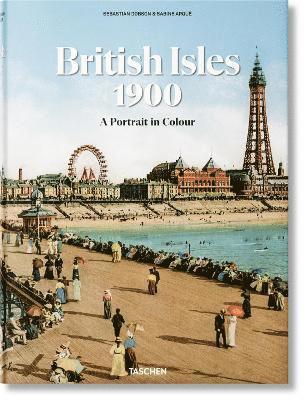
The beauty and rich history of the four nations of the United Kingdom – England, Wales, Scotland and Ireland – had much to offer to the international tourist in 1900. More than 800 photochromes present an intimate view of the wild landscapes, manicured lawns, bustling cityscapes and bucolic charm of the British Isles before the First World War.Colour photochromes, 19th- and early 20th-century photographs, postcards, travel posters and luggage labels guide the reader through this historic ‘Kingdom by the Sea’, a welcoming land of extraordinary diversity and fascinating heritage, full of secrets and legends.
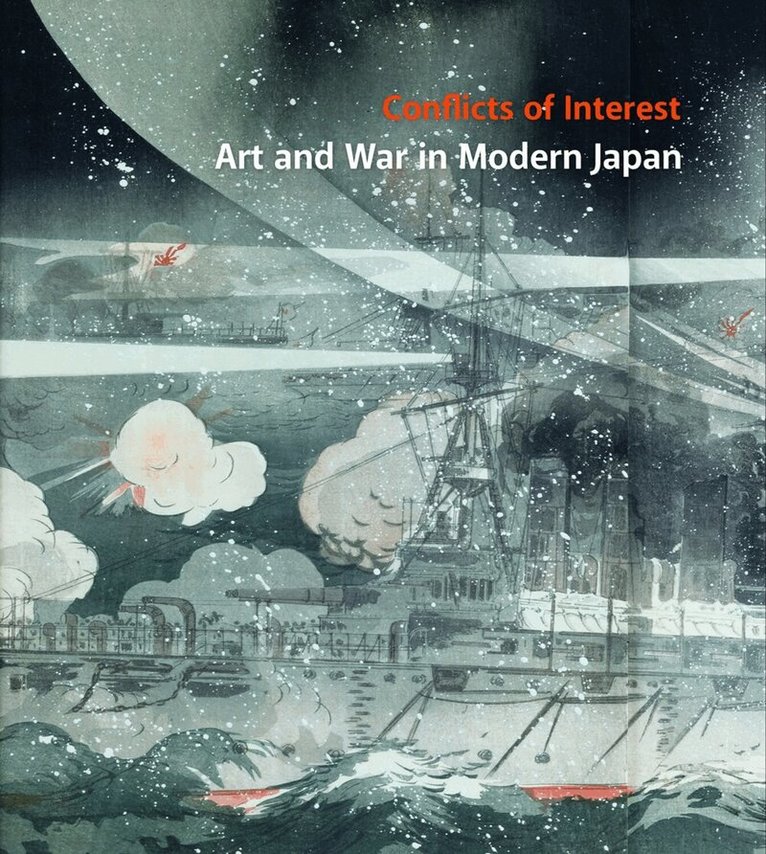
This fascinating publication showcases the Saint Louis Art Museum’s collection of Japanese military prints and related materials—one of the largest collections of such works in the world. The 1,400 objects in the collection are mostly color woodblock prints, but the holdings also include paintings, lithographs, photographs, stereographs, books, magazines, maps, game boards, textiles, ceramics, toys, sketchbooks, and commemorative materials. This extraordinary body of visual works chronicles Japan’s rise as a modern nation from the beginning of the Meiji Restoration in 1868 through the aftermath of Pearl Harbor in 1942, with a focus on the Sino-Japanese and Russo-Japanese wars. Conflicts of Interest will bring to light an important aspect of Japan’s visual culture and the narratives it circulated for its citizens, allies, and enemies on the world stage.
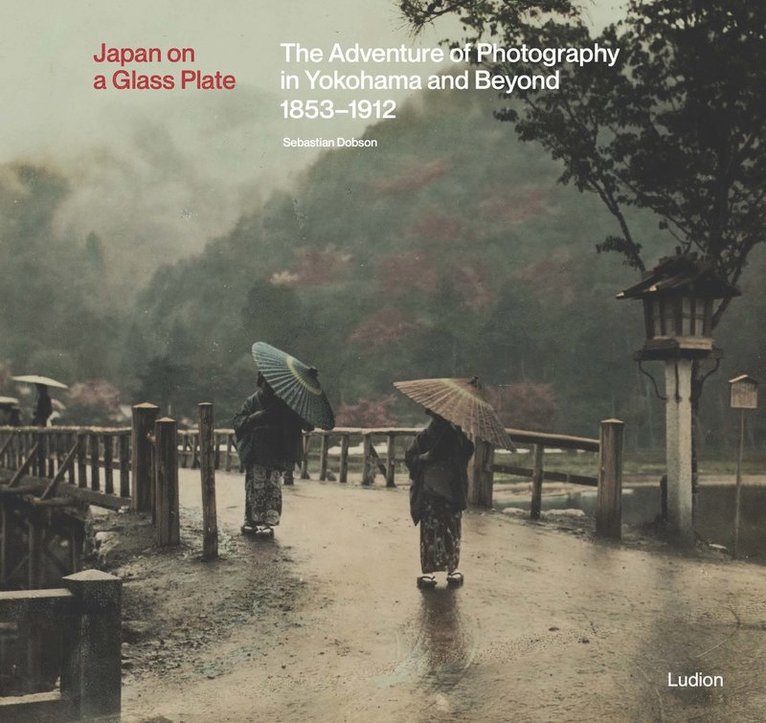
Between the twilight years of the Tokugawa shogunate (1603–1867) and the end of the Meiji Era (1868–1912) that followed it, photography offered a unique insight into the rapid transformation of Japan from an isolated, feudal society to a modern, industrialized state. In the four decades that followed the opening of the country in 1853, the camera evolved from an imported novelty to a familiar witness of Japanese daily life. Operating from the Treaty Ports of Yokohama and elsewhere, early practitioners of photography plied an often precarious trade in images of Japan and laid the foundations of what would soon become a highly competitive industry with a global reach. Whether cherished as souvenirs of an exotic land of fond imagination or curated as visual documents of a fast-changing society, these images by foreign and Japanese photographers, often packaged in exquisitely produced albums, enjoyed a wide circulation abroad and played an important role in influencing perceptions of Japan in the West well into the early 20th century. Drawing from an extensive private collection assembled over many years, this book presents a unique selection of 19th century photographs of Japan, many of which are published here for the first time.