Sebastian Martinez – författare
Visar alla böcker från författaren Sebastian Martinez. Handla med fri frakt och snabb leverans.
6 produkter
6 produkter
Häftad, Engelska, 2010
518 kr
Skickas inom 10-15 vardagar
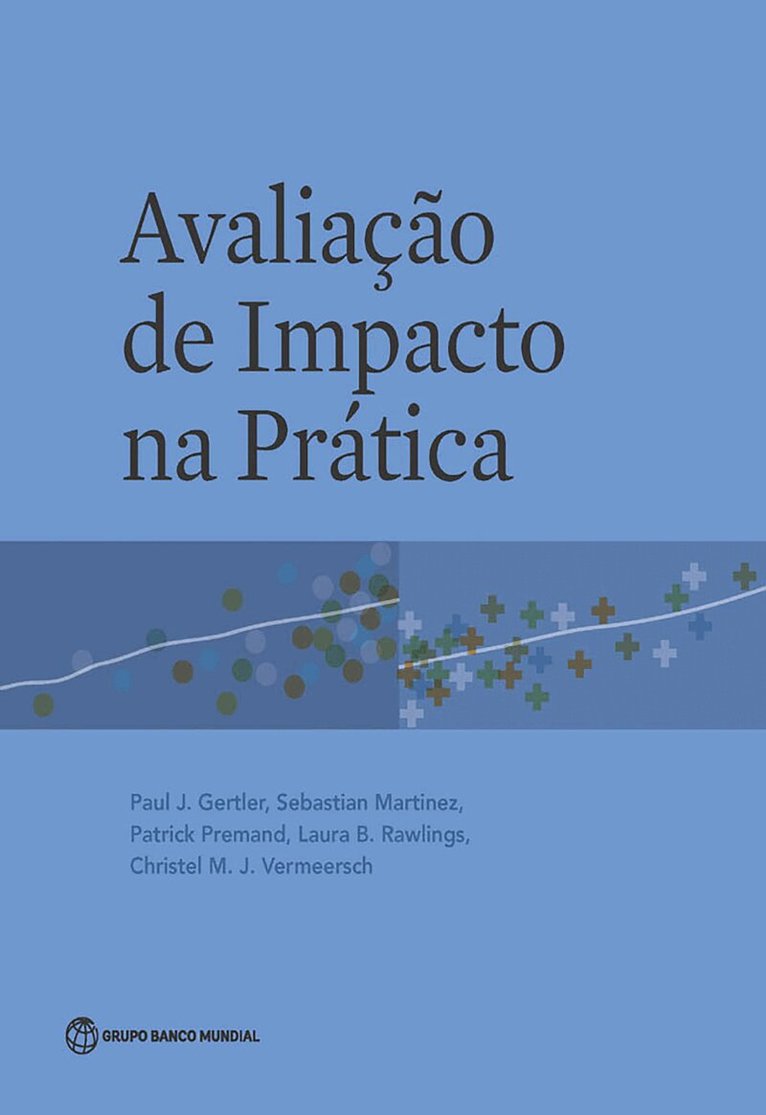
This book offers an accessible introduction to the topic of impact evaluation and its practice in development. While the book is geared principally towards development practitioners and policymakers designing prospective impact evaluations, we trust that it will be a valuable resource for students and others interested in using impact evaluation. Prospective impact evaluations should be used selectively to assess whether or not a program has achieved its intended results, or to test alternatives for achieving those results. We consider that more and better impact evaluation will help strengthen the evidence base for development policies and programs around the world. If governments and development practitioners can make policy decisions based on evidence - including evidence generated through impact evaluation - our hope is that development resources will be spent more effectively, and ultimately have a greater impact on reducing poverty and improving people’s lives. The three chapters in this handbook provide a non-technical introduction to impact evaluations, including “Why Evaluate” in Chapter 1, “How to Evaluate” in Chapter 2 and “How to Implement Impact Evaluations” in Chapter 3. These elements are the basic ‘tools’ needed in order to successfully carry out an impact evaluation.From a methodological standpoint our approach to impact evaluation is largely pragmatic: we think that the most appropriate methods should be identified to fit the operational context, and not the other way around. This is best achieved at the outset of the program, through the design of prospective impact evaluation that can be built into the project’s implementation. We argue that gaining consensus between key stakeholders and identifying an evaluation design that fits the political and operational context is as important as the method itself. We also believe strongly that impact evaluations should be upfront about their limitations and caveats. Finally, we strongly encourage policymakers and program managers to consider impact evaluations in a logical framework that clearly sets out the causal pathways by which the program works to produce outputs and influence final outcomes, and to combine impact evaluations with monitoring and selected complementary evaluation approach to gain a full picture of performance.
Häftad, Engelska, 2015
399 kr
Skickas inom 5-8 vardagar
This book offers an accessible introduction to the topic of impact evaluation and its practise in development. While the book is geared principally towards development practitioners and policymakers designing prospective impact evaluations, we trust that it will be a valuable resource for students and others interested in using impact evaluation. Prospective impact evaluations should be used selectively to assess whether or not a programme has achieved its intended results, or to test alternatives for achieving those results. We consider that more and better impact evaluation will help strengthen the evidence base for development policies and programmes around the world. If governments and development practitioners can make policy decisions based on evidence - including evidence generated through impact evaluation - our hope is that development resources will be spent more effectively, and ultimately have a greater impact on reducing poverty and improving people’s lives. The three chapters in this handbook provide a non-technical introduction to impact evaluations, including “Why Evaluate” in Chapter 1, “How to Evaluate” in Chapter 2 and “How to Implement Impact Evaluations” in Chapter 3. These elements are the basic ‘tools’ needed in order to successfully carry out an impact evaluation.From a methodological standpoint our approach to impact evaluation is largely pragmatic: we think that the most appropriate methods should be identified to fit the operational context and not the other way around. This is best achieved at the outset of the programme, through the design of prospective impact evaluation that can be built into the project’s implementation. We argue that gaining consensus between key stakeholders and identifying an evaluation design that fits the political and operational context is as important as the method itself. We also believe strongly that impact evaluations should be upfront about their limitations and caveats. Finally, we strongly encourage policymakers and programme managers to consider impact evaluations in a logical framework that clearly sets out the causal pathways by which the programme works to produce outputs and influence final outcomes, and to combine impact evaluations with monitoring and selected complementary evaluation approach to gain a full picture of performance.This book builds on a core set of teaching materials developed for the “Turning Promises to Evidence” workshops organised by the office of the Chief Economist for Human Development (HDNCE) in partnership with regional units and the Development Economics Research Group (DECRG) at the World Bank.
Häftad, Engelska, 2016
518 kr
Skickas inom 10-15 vardagar
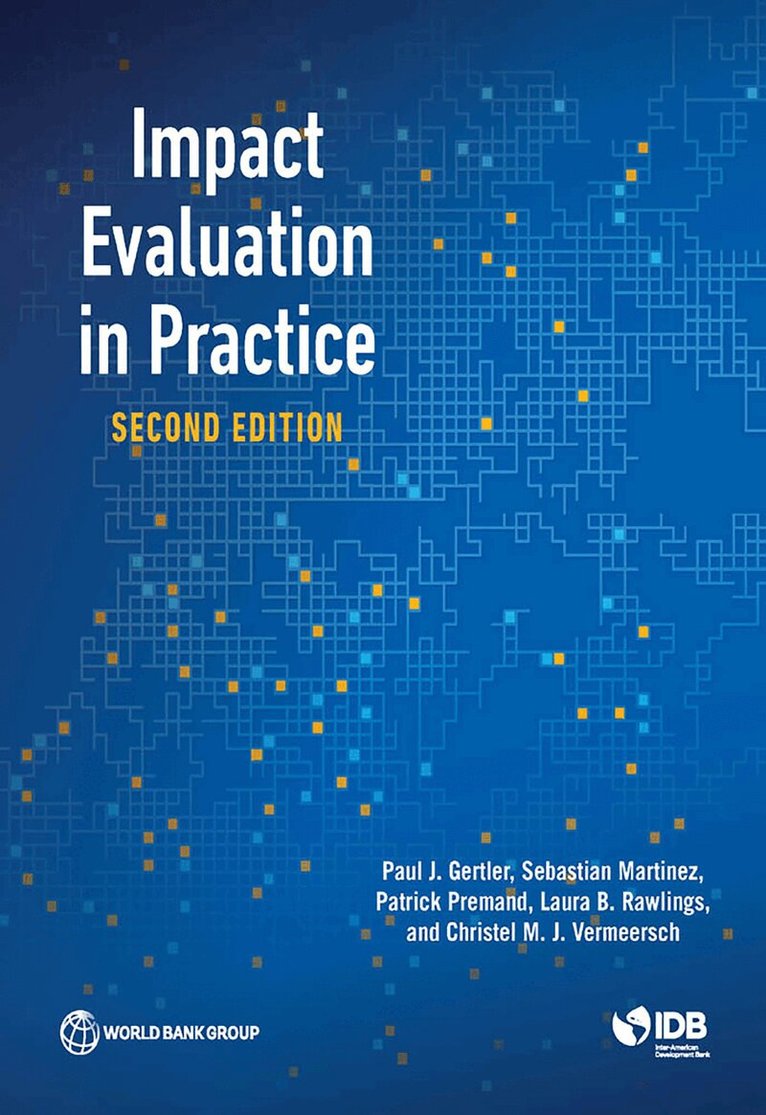
The second edition of the Impact Evaluation in Practice handbook is a comprehensive and accessible introduction to impact evaluation for policy makers and development practitioners. First published in 2011, it has been used widely across the development and academic communities. The book incorporates real-world examples to present practical guidelines for designing and implementing impact evaluations. Readers will gain an understanding of impact evaluations and the best ways to use them to design evidence-based policies and programs. The updated version covers the newest techniques for evaluating programs and includes state-of-the-art implementation advice, as well as an expanded set of examples and case studies that draw on recent development challenges. It also includes new material on research ethics and partnerships to conduct impact evaluation. The handbook is divided into four sections: Part One discusses what to evaluate and why; Part Two presents the main impact evaluation methods; Part Three addresses how to manage impact evaluations; Part Four reviews impact evaluation sampling and data collection. Case studies illustrate different applications of impact evaluations. The book links to complementary instructional material available online, including an applied case as well as questions and answers. The updated second edition will be a valuable resource for the international development community, universities, and policy makers looking to build better evidence around what works in development.
Häftad, Portugisiska, 2018
518 kr
Skickas inom 10-15 vardagar
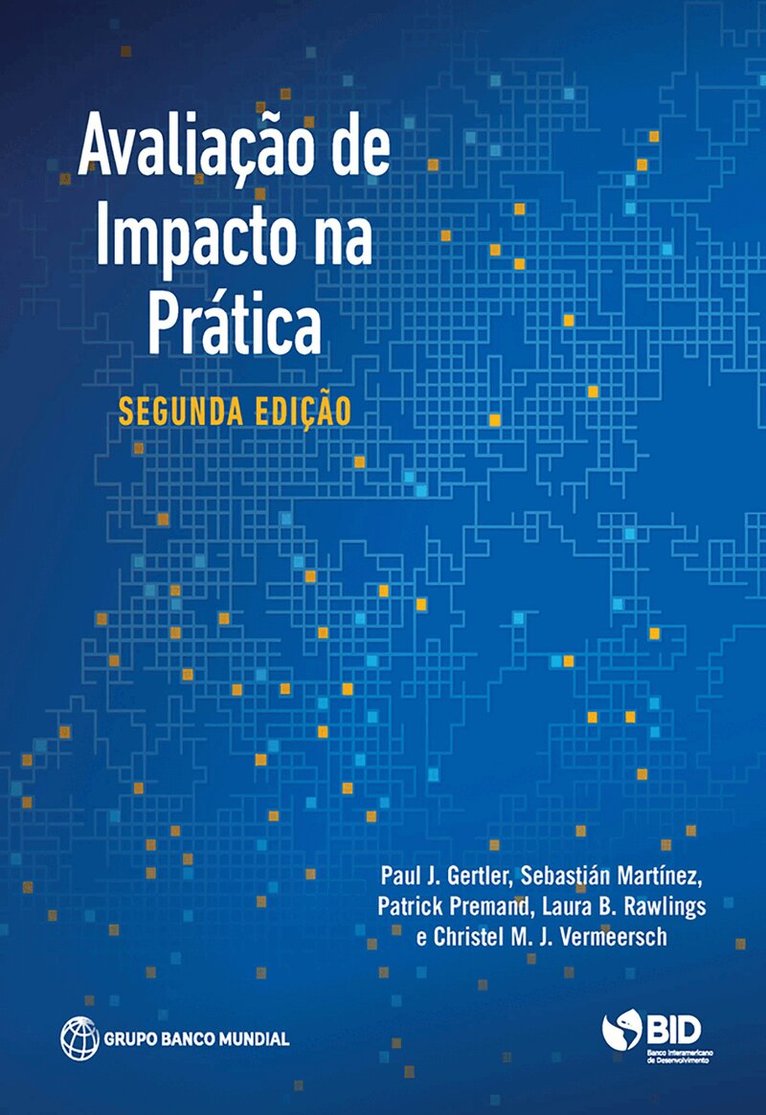
The second edition of the Impact Evaluation in Practice handbook is a comprehensive and accessible introduction to impact evaluation for policymakers and development practitioners.
E-bok
PDF, Spanska, 2023124 kr
Läs direkt efter köp
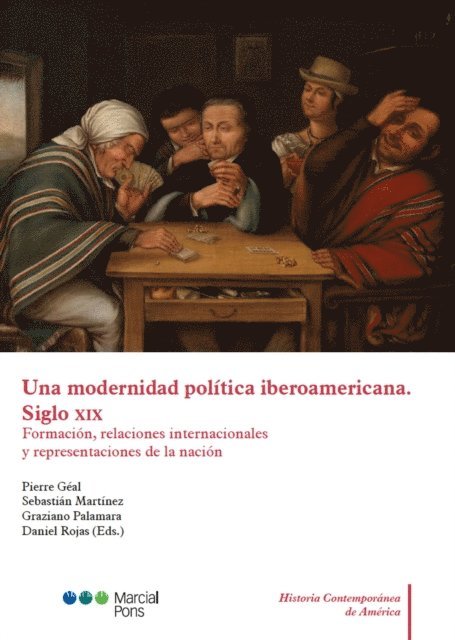
Este libro explora los diversos significados de la modernidad política en la historia iberoamericana del siglo xix. Si los bicentenarios de la fundación de las repúblicas de Colombia y Perú, de los imperios de México y Brasil, y del estallido de las revoluciones liberales en España y Portugal fueron el estímulo original para iniciar el trabajo, el enfoque adoptado sobrepasa la coyuntura memorial y se inscribe en un horizonte reflexivo más amplio. Se trata, pues, de demostrar que la modernidad política no solo es asimilable a la ruptura revolucionaria de 1808, sino que el tránsito entre los valores tradicionales y revolucionarios que caracterizaron el surgimiento de los Estados nacionales en el espacio iberoamericano se efectuó en un segmento espacio-temporal más extenso.Además de reexaminar temas clásicos como la génesis y el impacto de la crisis provocada por la invasión francesa a España, la dimensión política del doceañismo y los pronunciamientos, o la construcción del panteón nacional, el lector tiene en sus manos un volumen elaborado por un conjunto de historiadores y literatos de Europa y América Latina que abordan problemas que no habían sido observados a través del prisma de la modernidad política: las mujeres y la condición femenina, la dimensión económica del liberalismo político, la reactualización moderna del pensamiento conservador, el establecimiento y administración de las fronteras internas, la historia de las relaciones internacionales, así como la articulación de Portugal-Brasil a las Revoluciones Atlánticas.
E-bok
Spanska, 201511 kr
Läs direkt efter köp
El sonido del silencio es un pequeño libro de autoayuda para grandes almas. Es para todas las personas que quieran comenzar a despertar, el autor los invita a salir del espacio de comodidad en el que viven, romper paradigmas y animarse a vivir la vida en el AQUÍ Y AHORA. Con un largo camino transitado este joven autor dedico su vida al camino de mirar hacia su interior. Recorrió el mundo y fue bendecido por los grandes maestros de Oriente. Desde sus siete años de edad intuyo que había algo más, para eso tuvo que salir al mundo y buscar. Finalmente se dio cuenta que todas las respuestas están adentro nuestro, y para lograr eso aprendió a escuchar "El Sonido del Silencio".