Sebastiano Maffettone - Böcker
Visar alla böcker från författaren Sebastiano Maffettone. Handla med fri frakt och snabb leverans.
6 produkter
6 produkter
2 162 kr
Skickas inom 10-15 vardagar
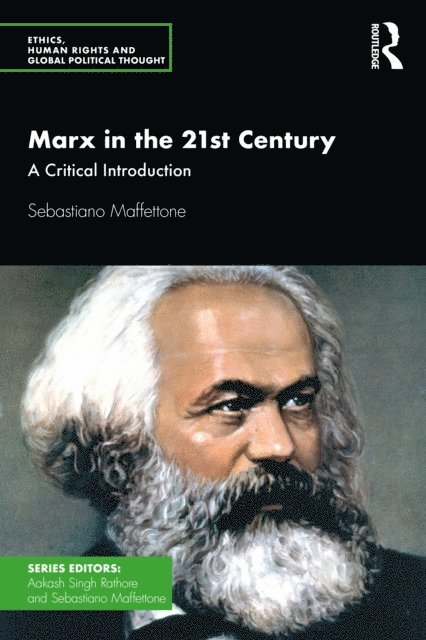
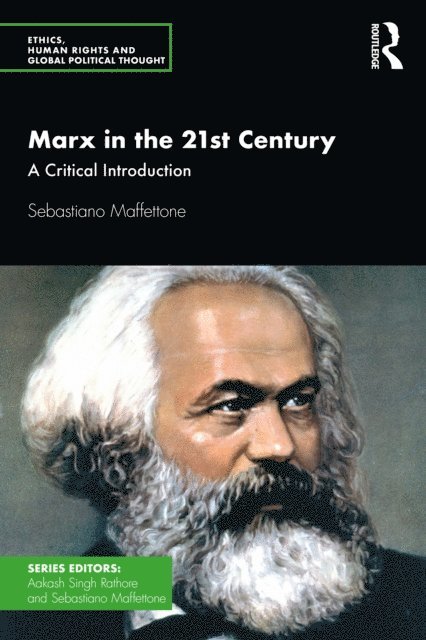
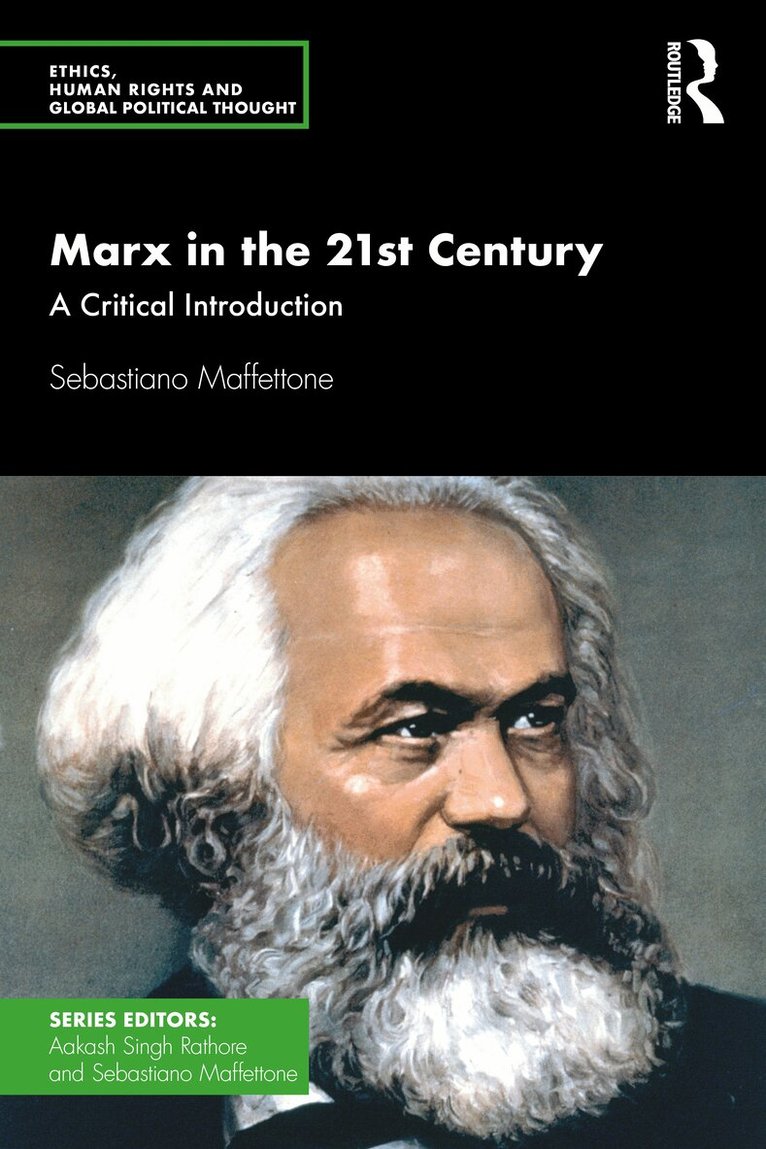
This book introduces Marx as a political philosopher to the 21st-century reader. Equal parts comprehensive, accessible, and engaging, it presents an unconventional reinterpretation of class struggle. Maffettone sheds light on Marx the individual, the intellectual, the political leader and icon, and links his lasting legacy to contemporary theories of justice.As one of the most prominent intellectual presences in history, Marx should not be read as a theorist of communism and socialism. Rather, he was, is, and shall remains today and remain for the foreseeable future, a radical critic of liberalism and capitalism. Within this innovative interpretive framework, he must be kept absolutely present in the analysis of contemporary politics. Under such premise, the volume explores Marx’s life, his thoughts, his most important writings, his works on historical materialism and economic theory with a focus on concepts of labor, commerce, capitalism, and surplus. The book also includes discussions on the Manuscripts of 1844, the Manifesto of 1848, and a brief critical summary of Capital.A truly definitive work on the "phenomenon" that is Marx, this critical introduction will be of immense interest to scholars and researchers of political science, modern history, cultural studies, social anthropology, political philosophy, critical theory, justice, and economics, as well as appeal to the general reader.
2 167 kr
Skickas inom 10-15 vardagar
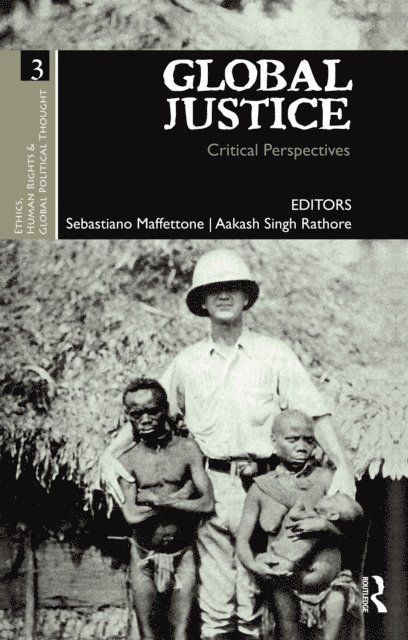
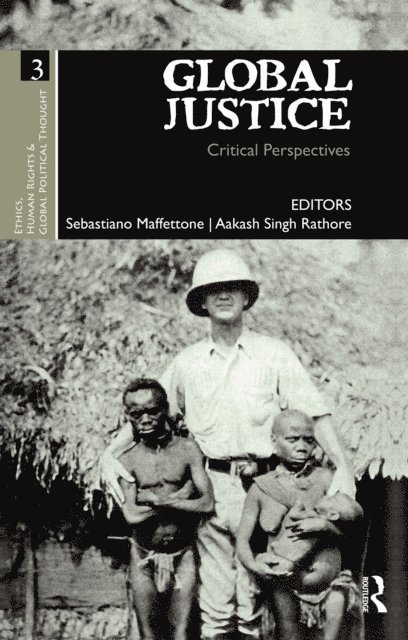
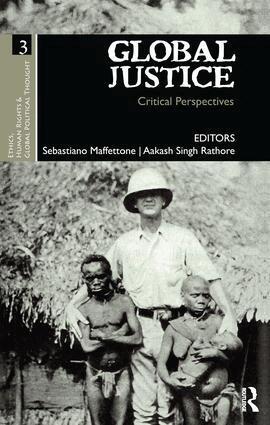
The global justice debate has been raging for forty years. Not merely the terms and conditions, but, more deeply, the epistemic, existential and ethical grounds of the international relations of persons, states and institutions are being determined, debated and negotiated. Yet the debate remains essentially a parochial one, confined largely to Western intellectuals and institutional spaces. An Introduction to the field is therefore still urgently required, because it remains necessary to include more ‘global’ voices into this debate of worldwide reach and significance.The book addresses this need in two closely related ways. In Part I, it introduces the main contours of the debate by reproducing three of the most fundamental and influential essays that have been composed on the topic — essays by Peter Singer, Thomas Pogge and Thomas Nagel. In Part II, it makes a decisive critical intervention in the main stream of the debate through exposing the participation deficit afflicting the theorization of global justice. This part begins with a well-known essay by Amartya Sen, who famously referred to the ‘parochialism’ of the global justice debate in making a break with the Rawlsian paradigm that has dominated the field until now. Finally, a series of lively essays newly composed for this volume reflect on the possibilities for deparochializing global justice opened up by Sen’s work in this area.The book will be useful for students of international relations, postcolonial studies, political theory, and social and political philosophy, as well as for those engaged in studies of globalization or global studies.
860 kr
Skickas inom 7-10 vardagar
Rawls: An Introduction is a uniquely comprehensive introduction to the work of the American philosopher John Rawls (1921-2002), who transformed contemporary political philosophy. In the 1950s and 1960s, political philosophy seemed to have reached a dead end characterized by a loose predominance of utilitarian theses. Rawls’sconception of liberalism placed civil liberties and social justice at its core, and his extraordinary influence has only been confirmed by the extent of the criticism he has provoked. The book is divided into three parts which correspond to Rawls’s three major books. The first concentrates on A Theory of Justice (1971) and examines the way in which Rawls’s general vision of social justice is presented. Maffettone also includes here a discussion of some of the most important critiques of Rawls. The second part of the book highlights Political Liberalism (1993-6), with a chapter dedicated to the “passage” from Theory of Justice to Political Liberalism. Finally, the third part provides a discussion of The Law of Peoples (1999). This work is acomprehensive examination of these three major texts by a renowned Rawls scholar and will appeal to all philosophers and social scientists for whom it is essential to understand the key theories of this most influential of political philosophers.
335 kr
Skickas inom 7-10 vardagar
Rawls: An Introduction is a uniquely comprehensive introduction to the work of the American philosopher John Rawls (1921-2002), who transformed contemporary political philosophy. In the 1950s and 1960s, political philosophy seemed to have reached a dead end characterized by a loose predominance of utilitarian theses. Rawls’sconception of liberalism placed civil liberties and social justice at its core, and his extraordinary influence has only been confirmed by the extent of the criticism he has provoked. The book is divided into three parts which correspond to Rawls’s three major books. The first concentrates on A Theory of Justice (1971) and examines the way in which Rawls’s general vision of social justice is presented. Maffettone also includes here a discussion of some of the most important critiques of Rawls. The second part of the book highlights Political Liberalism (1993-6), with a chapter dedicated to the “passage” from Theory of Justice to Political Liberalism. Finally, the third part provides a discussion of The Law of Peoples (1999). This work is acomprehensive examination of these three major texts by a renowned Rawls scholar and will appeal to all philosophers and social scientists for whom it is essential to understand the key theories of this most influential of political philosophers.
563 kr
Skickas inom 10-15 vardagar
This book introduces Marx as a political philosopher to the 21st-century reader. Equal parts comprehensive, accessible, and engaging, it presents an unconventional reinterpretation of class struggle. Maffettone sheds light on Marx the individual, the intellectual, the political leader and icon, and links his lasting legacy to contemporary theories of justice.As one of the most prominent intellectual presences in history, Marx should not be read as a theorist of communism and socialism. Rather, he was, is, and shall remains today and remain for the foreseeable future, a radical critic of liberalism and capitalism. Within this innovative interpretive framework, he must be kept absolutely present in the analysis of contemporary politics. Under such premise, the volume explores Marx’s life, his thoughts, his most important writings, his works on historical materialism and economic theory with a focus on concepts of labor, commerce, capitalism, and surplus. The book also includes discussions on the Manuscripts of 1844, the Manifesto of 1848, and a brief critical summary of Capital.A truly definitive work on the "phenomenon" that is Marx, this critical introduction will be of immense interest to scholars and researchers of political science, modern history, cultural studies, social anthropology, political philosophy, critical theory, justice, and economics, as well as appeal to the general reader.
803 kr
Skickas inom 10-15 vardagar
The global justice debate has been raging for forty years. Not merely the terms and conditions, but, more deeply, the epistemic, existential and ethical grounds of the international relations of persons, states and institutions are being determined, debated and negotiated. Yet the debate remains essentially a parochial one, confined largely to Western intellectuals and institutional spaces. An Introduction to the field is therefore still urgently required, because it remains necessary to include more ‘global’ voices into this debate of worldwide reach and significance.The book addresses this need in two closely related ways. In Part I, it introduces the main contours of the debate by reproducing three of the most fundamental and influential essays that have been composed on the topic — essays by Peter Singer, Thomas Pogge and Thomas Nagel. In Part II, it makes a decisive critical intervention in the main stream of the debate through exposing the participation deficit afflicting the theorization of global justice. This part begins with a well-known essay by Amartya Sen, who famously referred to the ‘parochialism’ of the global justice debate in making a break with the Rawlsian paradigm that has dominated the field until now. Finally, a series of lively essays newly composed for this volume reflect on the possibilities for deparochializing global justice opened up by Sen’s work in this area.The book will be useful for students of international relations, postcolonial studies, political theory, and social and political philosophy, as well as for those engaged in studies of globalization or global studies.