Seifudein Adem Ph.D - Böcker
Visar alla böcker från författaren Seifudein Adem Ph.D. Handla med fri frakt och snabb leverans.
3 produkter
3 produkter
581 kr
Skickas inom 10-15 vardagar
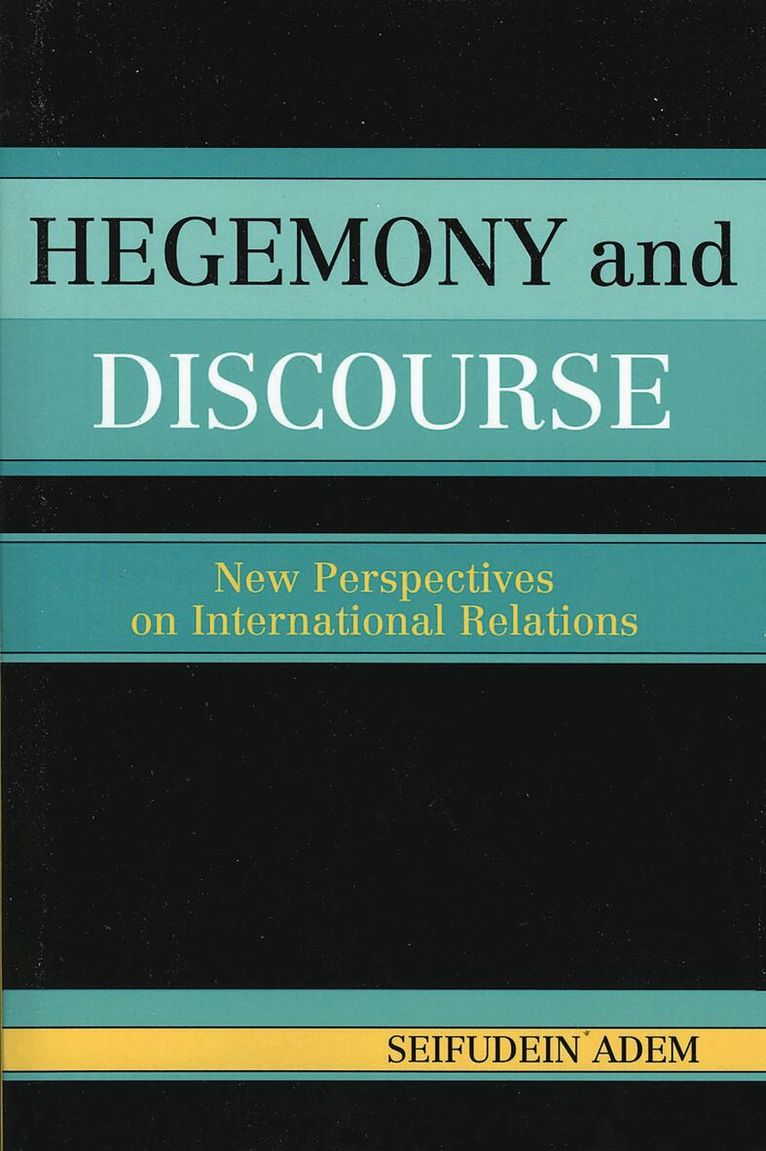
Hegemony and Discourse examines contemporary theories and practices of international relations from a non-Western perspective and suggests some tentative and intriguing conclusions about the complex relationship between discourse and hegemony. The first part of the book examines the burning global issues in, what the author calls, the post post-Cold War period. These are issues arising from recent developments that have consequences on an international scale, including September 2001 terrorist attacks in the U.S.; the subsequent war in Afghanistan; and the Anglo-American invasion and occupation of Iraq in 2003. The second part of the book scrutinizes the political ideas of a 14th century Afro-Muslim thinker, Ibn-Khaldun. These works are analyzed in the context of the discourse on modernity in order to demonstrate a longstanding tradition of hegemonic discourse in Western historiography and the contemporary relevancy of Ibn-Khaldun's ideas.
1 209 kr
Skickas inom 10-15 vardagar
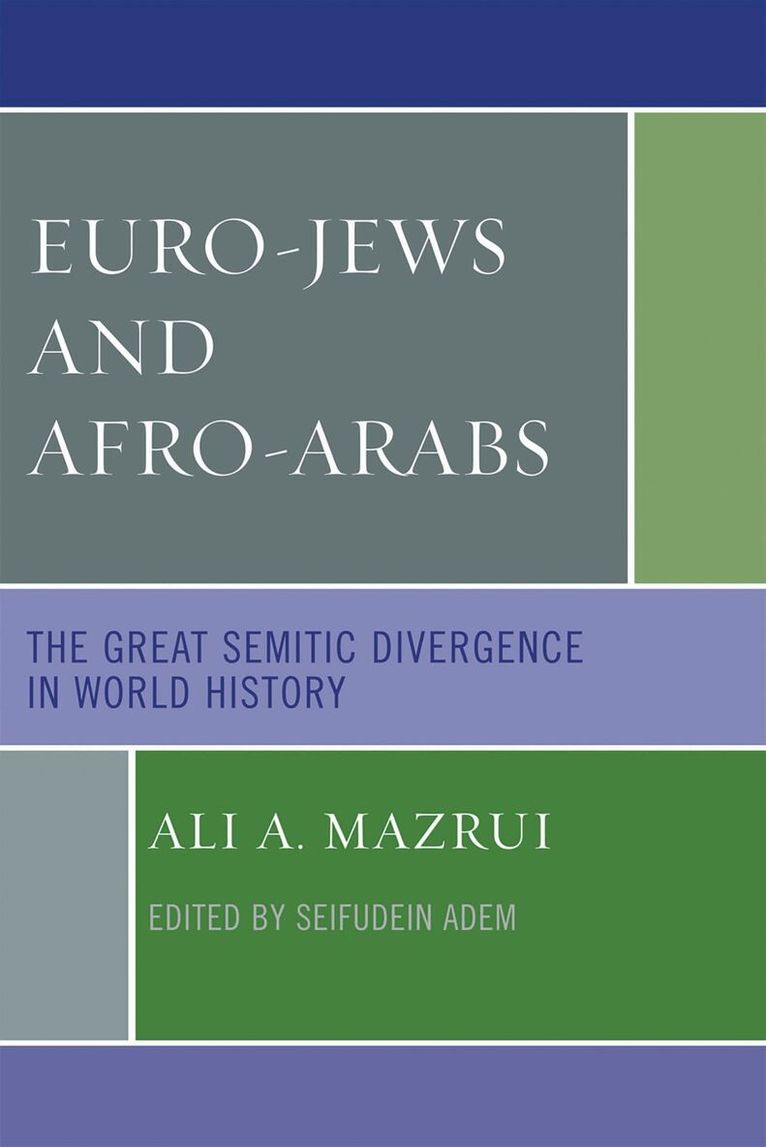
The impact of European and Semitic peoples upon world civilization and African history is addressed in this scholarly study. The Jewish wing of the Semitic people converged with the Western world; the Arab wing of the Semites converged with Africa. The three Abrahamic religions of Judaism, Christianity, and Islam have confronted the racial divide between Caucasian people and people of color. This book explores the geographical regions of Africa, the Middle East, and the Western world in the context of fragile structures and resilient cultures.
675 kr
Skickas inom 10-15 vardagar
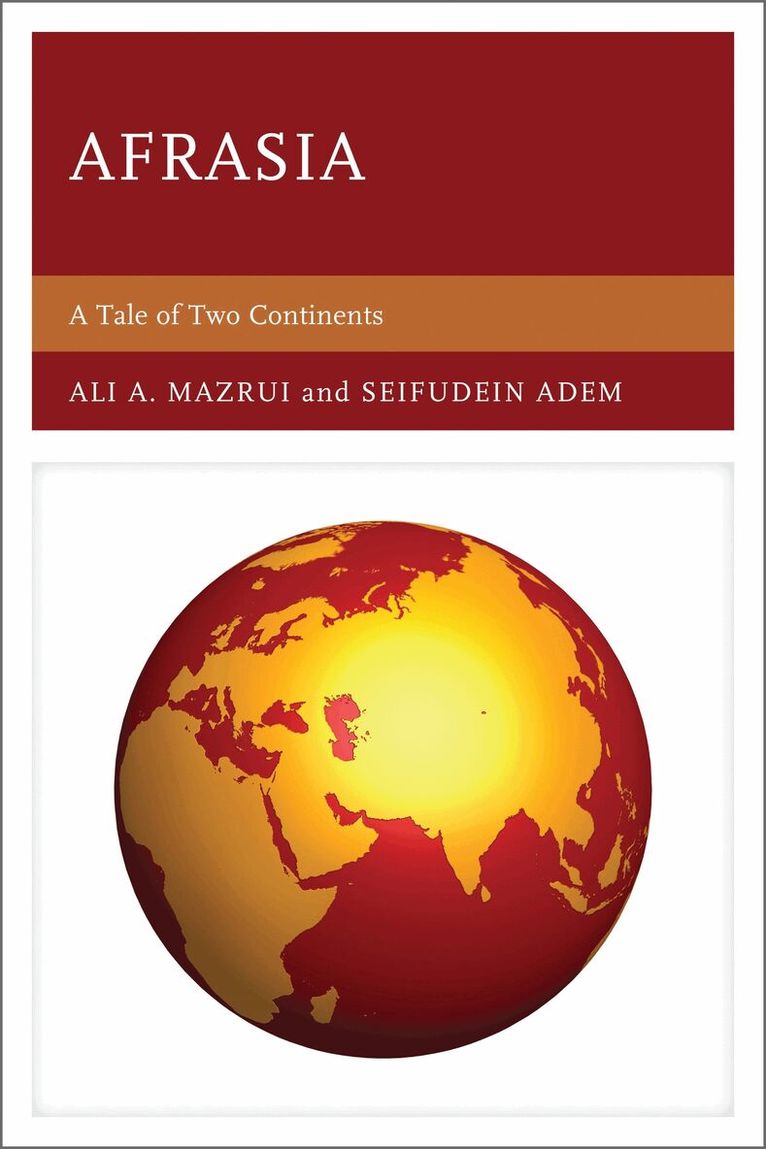
Is there a new scramble for Africa involving China, Japan, and India in competition with each other and with the Western world? In the second half of the twentieth century, Mao’s China and Jawaharlal Nehru’s India were political players in Africa, while Japan limited itself to trade and investment in Africa. Africa and Asia have historically been allies against Western exploitation and have also been rivals as producers of raw materials. India and West Asia have led the way in the soft power of culture and religion in Africa while Japan and China have engaged in the harder disciplines of the economy and the construction of infrastructure. This book explores the historical and unfolding dynamic interactions among China, India, Japan, and Africa and their ramifications.