Sejad Mekić – författare
Visar alla böcker från författaren Sejad Mekić. Handla med fri frakt och snabb leverans.
4 produkter
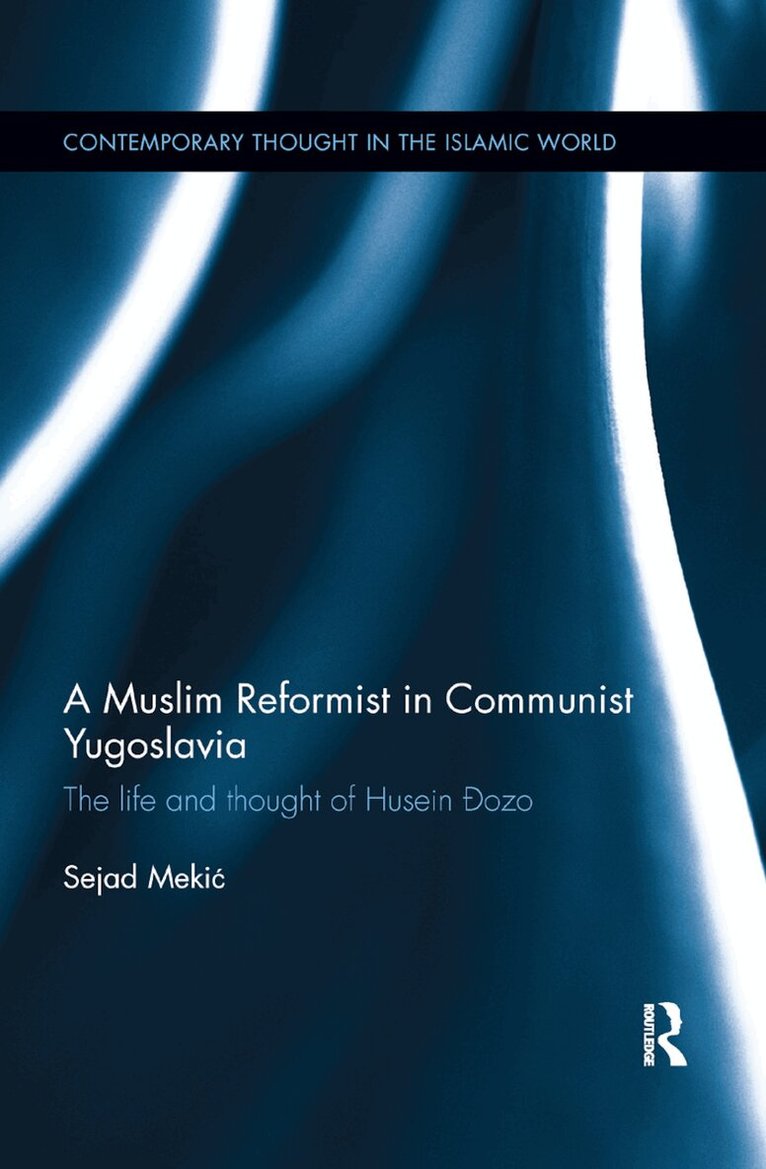
Muslim Reformist in Communist Yugoslavia
The Life and Thought of Husein Đozo
Av Sejad Mekić
Häftad, 2019
706 kr
Lägg i varukorg
A Muslim Reformist in Communist Yugoslavia examines the Islamic modernist thought of Husein Đozo, a prominent Balkan scholar. Born at a time when the external challenges to the Muslim world were many, and its internal problems both complex and overwhelming, Đozo made it his goal to reinterpret the …
Muslim Reformist in Communist Yugoslavia
The Life and Thought of Husein Đozo
Av Sejad Mekić
Inbunden, 2016
2743 kr
Lägg i varukorg
A Muslim Reformist in Communist Yugoslavia examines the Islamic modernist thought of Husein Đozo, a prominent Balkan scholar. Born at a time when the external challenges to the Muslim world were many, and its internal problems both complex and overwhelming, Đozo made it his goal to reinterpret the …
Muslim Reformist in Communist Yugoslavia
The Life and Thought of Husein ozo
Av Sejad Mekic
E-bok, 2016
831 kr
Lägg i varukorg
A Muslim Reformist in Communist Yugoslavia examines the Islamic modernist thought of Husein Äozo, a prominent Balkan scholar. Born at a time when the external challenges to the Muslim world were many, and its internal problems both complex and overwhelming, Äozo made it his goal to reinterpret …
Muslim Reformist in Communist Yugoslavia
The Life and Thought of Husein ozo
Av Sejad Mekic
E-bok, 2016
807 kr
Lägg i varukorg
A Muslim Reformist in Communist Yugoslavia examines the Islamic modernist thought of Husein Äozo, a prominent Balkan scholar. Born at a time when the external challenges to the Muslim world were many, and its internal problems both complex and overwhelming, Äozo made it his goal to reinterpret …