Senem Aydin-Düzgit – författare
Visar alla böcker från författaren Senem Aydin-Düzgit. Handla med fri frakt och snabb leverans.
13 produkter
Constructions of European Identity
Debates and Discourses on Turkey and the EU
Av Kenneth A. Loparo, Senem Aydin-Düzgit m. fl.
Inbunden, 2012
552 kr
Lägg i varukorg
This book examines EU discourses on Turkey in the European Commission, European Parliament and three EU member states (France, Germany and Britain), to reveal the discursive construction of European identity through EU representations of Turkey. Based on a poststructuralist framework that …
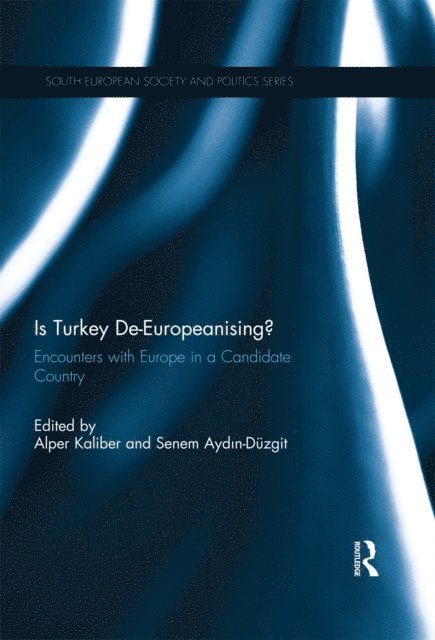
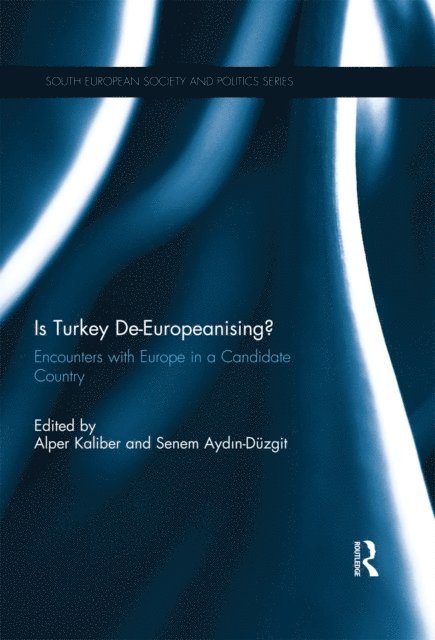
Is Turkey De-Europeanising?
Encounters with Europe in a Candidate Country
Av Alper Kaliber, Senem Aydin-Düzgit
Häftad, 2019
749 kr
Lägg i varukorg
This comprehensive edited volume conceptually develops the notion of ‘de-Europeanisation’ as an important development in the literature on Europeanisation, and applies it specifically to the case of Turkey. ‘De-Europeanisation’ is defined as the loss or weakening of the EU/Europe as a …
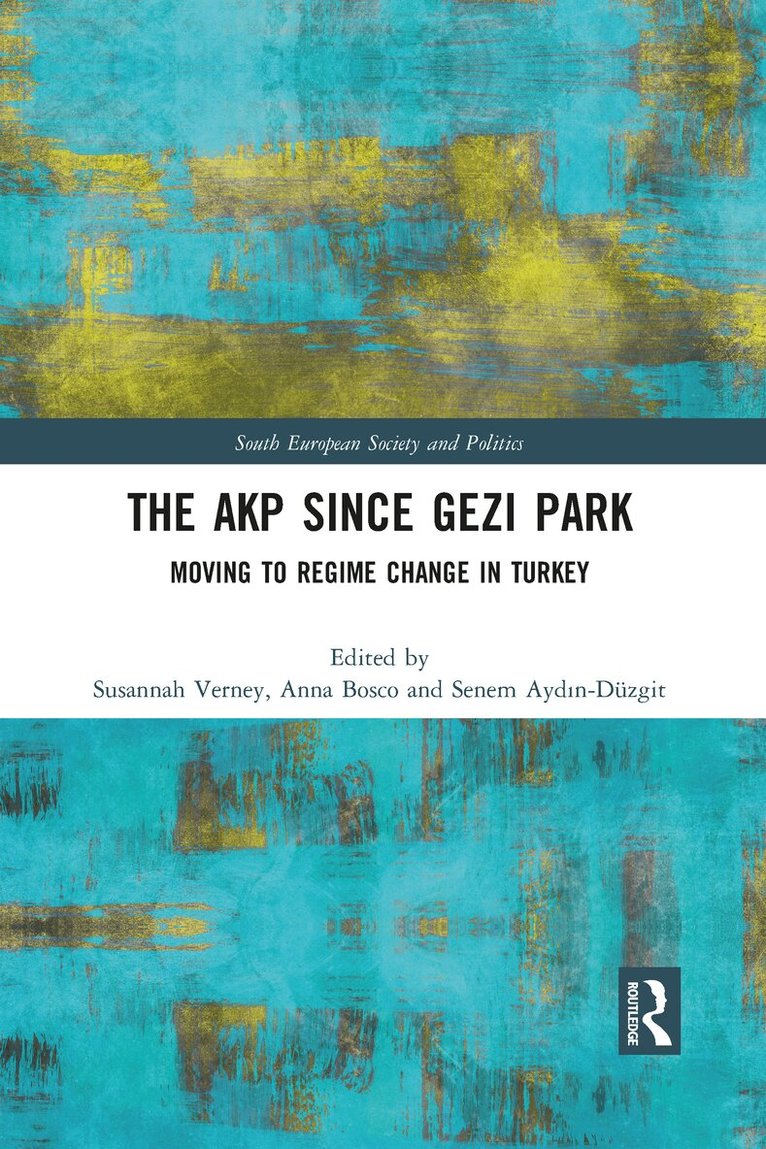
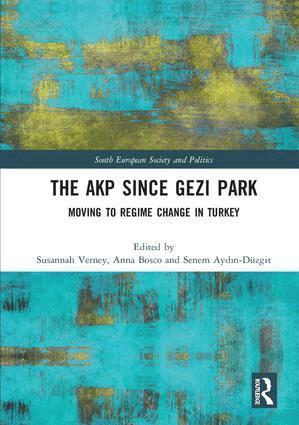
AKP Since Gezi Park
Moving to Regime Change in Turkey
Av Susannah Verney, Anna Bosco m. fl.
Häftad, 2021
691 kr
Lägg i varukorg
While the Justice and Development Party (AKP) has dominated Turkish politics for a decade and a half, recent years have seen a qualitative change, culminating in the 2017 referendum on the move to a presidential system. This volume focuses on the later years of AKP rule after the first direct …
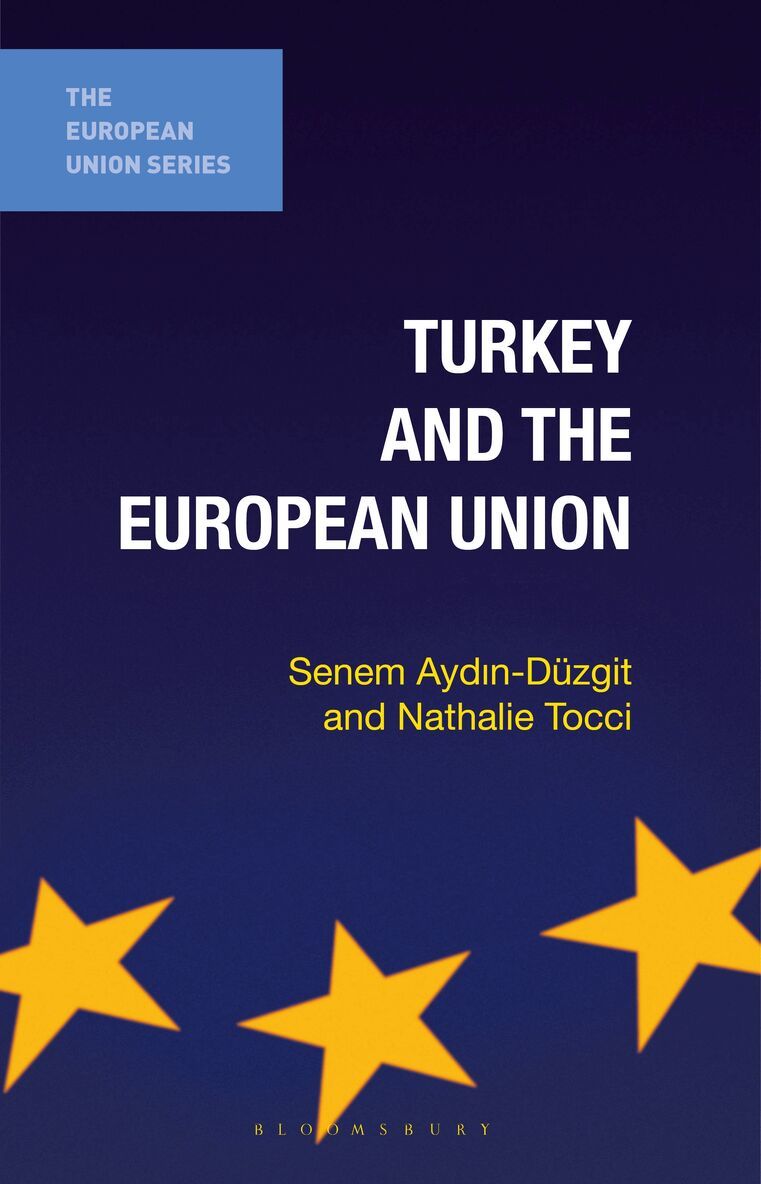
Turkey and the European Union
Av Senem Aydin-Düzgit, Nathalie Tocci
Häftad, 2015
600 kr
Lägg i varukorg
This book by two leading experts provides a comprehensive analysis of Turkey's relationship with the European Union, set in its regional and international context. It provides three analytical lenses through which the relationship might be understood – Turkey as an enlargement country, as an EU …
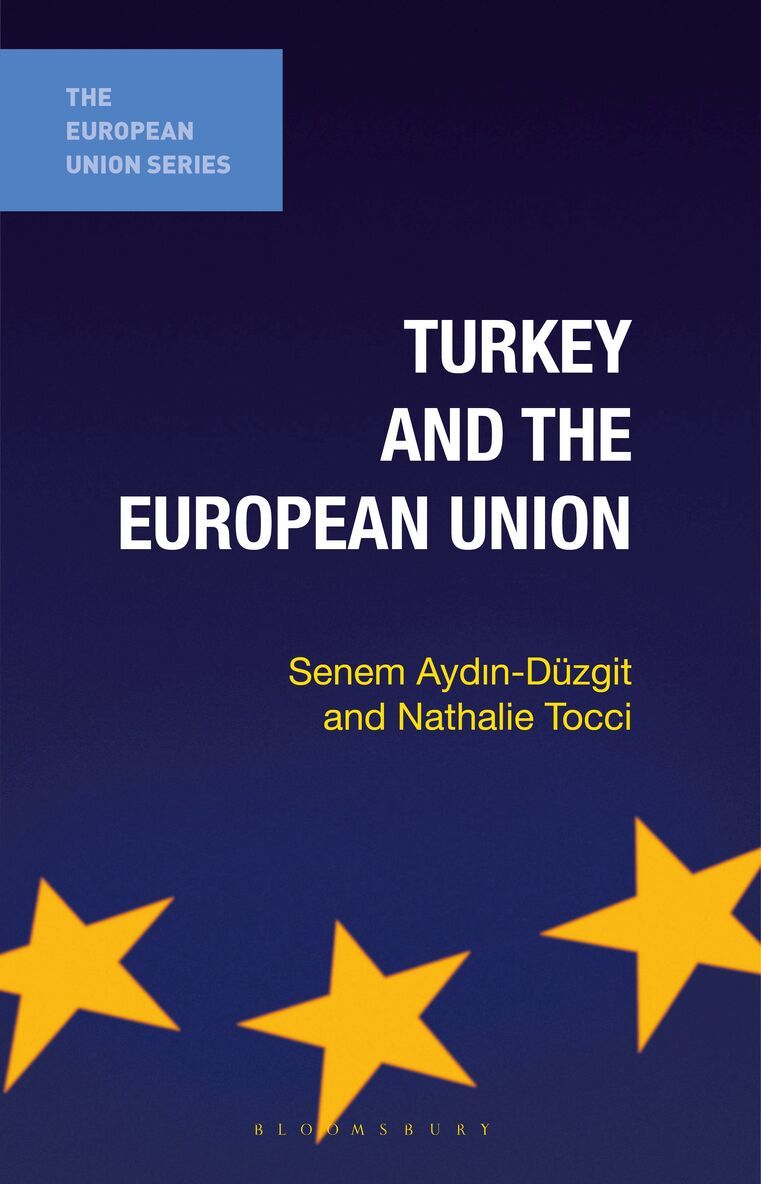
Turkey and the European Union
Av Senem Aydin-Düzgit, Nathalie Tocci
Inbunden, 2015
2125 kr
Lägg i varukorg
This book by two leading experts provides a comprehensive analysis of Turkey's relationship with the European Union, set in its regional and international context. It provides three analytical lenses through which the relationship might be understood – Turkey as an enlargement country, as an EU …
Turkey and the European Union
Av Senem Aydin-Düzgit, Nathalie Tocci
E-bok, 2015
655 kr
Lägg i varukorg
This book by two leading experts provides a comprehensive analysis of Turkey''s relationship with the European Union, set in its regional and international context. It provides three analytical lenses through which the relationship might be understood – Turkey as an enlargement country, as an EU …
Is Turkey De-Europeanising?
Encounters with Europe in a Candidate Country
Av Alper Kaliber, Senem Aydin-Düzgit
Inbunden, 2017
2510 kr
Lägg i varukorg
This comprehensive edited volume conceptually develops the notion of ‘de-Europeanisation’ as an important development in the literature on Europeanisation, and applies it specifically to the case of Turkey. ‘De-Europeanisation’ is defined as the loss or weakening of the EU/Europe as a …
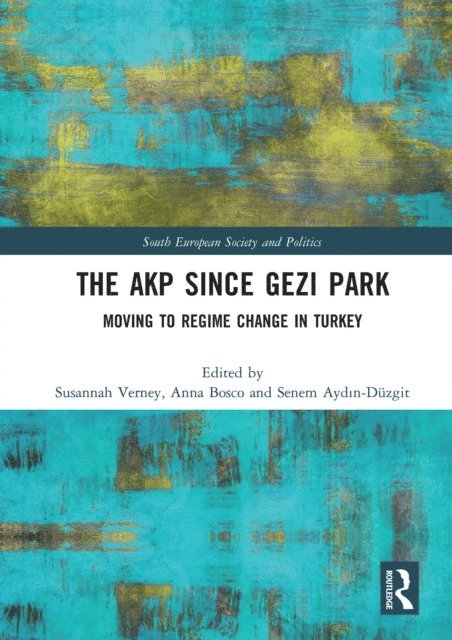
AKP Since Gezi Park
Moving to Regime Change in Turkey
Av Susannah Verney, Anna Bosco m. fl.
Inbunden, 2019
2510 kr
Lägg i varukorg
While the Justice and Development Party (AKP) has dominated Turkish politics for a decade and a half, recent years have seen a qualitative change, culminating in the 2017 referendum on the move to a presidential system. This volume focuses on the later years of AKP rule after the first direct …
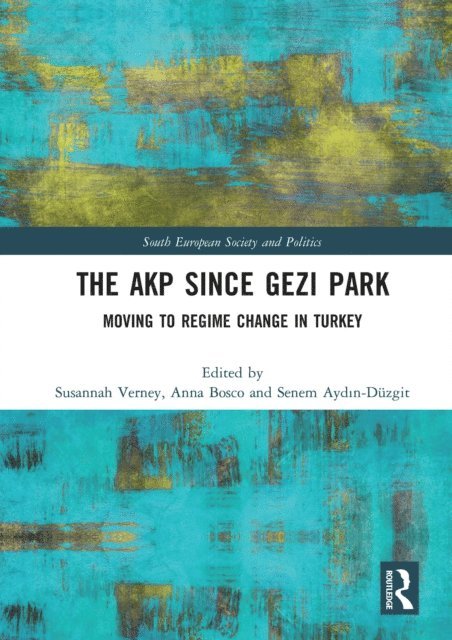
AKP Since Gezi Park
Moving to Regime Change in Turkey
Av Senem Aydin-Duzgit, Anna Bosco m. fl.
E-bok, 2020
814 kr
Lägg i varukorg
While the Justice and Development Party (AKP) has dominated Turkish politics for a decade and a half, recent years have seen a qualitative change, culminating in the 2017 referendum on the move to a presidential system. This volume focuses on the later years of AKP rule after the first direct …
AKP Since Gezi Park
Moving to Regime Change in Turkey
Av Senem Aydin-Duzgit, Anna Bosco m. fl.
E-bok, 2020
796 kr
Lägg i varukorg
While the Justice and Development Party (AKP) has dominated Turkish politics for a decade and a half, recent years have seen a qualitative change, culminating in the 2017 referendum on the move to a presidential system. This volume focuses on the later years of AKP rule after the first direct …
Is Turkey De-Europeanising?
Encounters with Europe in a Candidate Country
Av Senem Aydin-Duzgit, Alper Kaliber
E-bok, 2018
883 kr
Lägg i varukorg
This comprehensive edited volume conceptually develops the notion of ‘de-Europeanisation’ as an important development in the literature on Europeanisation, and applies it specifically to the case of Turkey. ‘De-Europeanisation’ is defined as the loss or weakening of the EU/Europe as a …
Is Turkey De-Europeanising?
Encounters with Europe in a Candidate Country
Av Senem Aydin-Duzgit, Alper Kaliber
E-bok, 2018
883 kr
Lägg i varukorg
This comprehensive edited volume conceptually develops the notion of ‘de-Europeanisation’ as an important development in the literature on Europeanisation, and applies it specifically to the case of Turkey. ‘De-Europeanisation’ is defined as the loss or weakening of the EU/Europe as a …