Sergio Rosales-Mendoza – författare
1 604 kr
Skickas inom 10-15 vardagar
Biomedical Innovations to Combat COVID-19 provides an updated overview on the development of vaccines, antiviral drugs and nanomaterials, and diagnostic methods for the fight against COVID-19. Perspectives on such technologies are identified, discussed, and enriched with figures for easy understanding and applicability. Furthermore, it contains basic aspects of virology, immunology, and antiviral drugs that are needed to fully appreciate these innovations.
This book is split into four sections: introduction, presenting basic virologic and epidemiological aspects of COVID-19; vaccines against COVID-19, discussing their different types and applications used to develop them; diagnostic approaches for SARS-CoV-2, encompassing advanced sensing and microfluidic-based biosensors; and drug development and delivery, where antivirals based on nanomaterials or drugs are presented.
It is a valuable source for virologists, biotechnologists, and members of biomedical field interested in learning more about how novel technologies can be applied to fasten the eradication of the COVID-19 and similar pandemics.
Presents updated literature coverage summarizing the most relevant information on COVID-19 Written by experts from diverse scientific domains in order to provide readers with a thorough view on the subject Encompasses tables, figures and information trees especially developed for the book in order to condense and highlight key points for quick reference2 247 kr
Läs direkt efter köp
Genetically Engineered Plants as a Source of Vaccines Against Wide Spread Diseases
An Integrated View
1 619 kr
Skickas inom 10-15 vardagar
Genetically Engineered Plants as a Source of Vaccines Against Wide Spread Diseases
An Integrated View
1 977 kr
Läs direkt efter köp
Genetically Engineered Plants as a Source of Vaccines Against Wide Spread Diseases: An Integrated View provides an integrated outlook of the disciplines involved in the development of plant-based vaccines as well as an updated compilation of the successful developments in the field. The volume covers immunological aspects of mucosal vaccine design, molecular approaches to attain high levels of the recombinant antigens, the rationale of using bioreactor to expand plant biomass, and pharmaceutical technology approaches that have been applied to the development of plant-based vaccine formulations. Practical figures and tables are presented to facilitate reading and identification of key points. Perspectives for this field are also discussed.
Written by authorities in the field, Genetically Engineered Plants as a Source of Vaccines Against Wide Spread Diseases: An Integrated View is a comprehensive resource for researchers and students interested in plant genetics and breeding, immunology, and genetic engineering.
Genetically Engineered Plants as a Source of Vaccines Against Wide Spread Diseases
An Integrated View
1 619 kr
Skickas inom 10-15 vardagar
1 114 kr
Skickas inom 10-15 vardagar
1 408 kr
Läs direkt efter köp
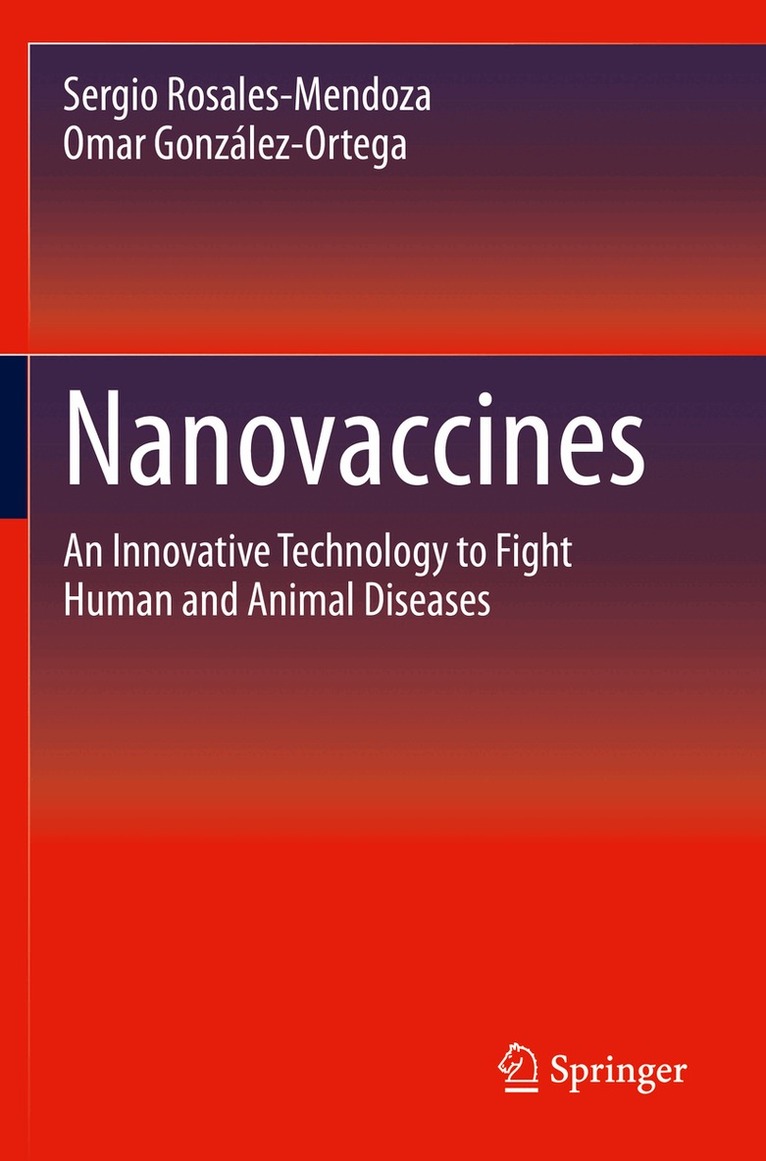
This book provides a compilation of the current developments in mucosal nanovaccines, which are an attractive approach to fight against infectious and non-communicable diseases. Since nanomaterials possess unique properties; many of them have a positive effect on vaccine efficacy when used as antigen carriers and have been applied in vaccinology with significant advances over the past years. This book addresses the methodologies for mucosal nanovaccines synthesis; based on the following nanomaterials: gold, PLGA, silica, and chitosan nanoparticles; as well as nanogels, carbon nanotubes, liposomes, and Virus-like particles. A description of the immunogenic properties of the mucosal nanovaccines is presented, highlighting the improvements achieved with this approach when compared to conventional formulations. Mucosal vaccines constitute the most practical immunization approach since they are easy to administer (promoting patient´s comfort and increasing compliance), allow triggering relevant immune responses at both the site of administration and distant compartments, and thus may protect the main entry portal for pathogens (oral, nasal, and genital mucosae). In this context, the potential of nanovaccines to result in new mucosal formulations in the benefit of global health is analyzed.
Covers the synthesis and functionalization of nanomaterials for the development of nanovaccines;Discusses the underlying mechanisms involved in the induction of immune responses through mucosal compartments and the advantages of nanomaterials in the formulation of nanovaccines;Transmits the state of the art for the development of mucosal nanovaccines;Provides routes for the design and evaluation of mucosal nanovaccines;Presents key perspectives for the field of mucosal vaccine development.1 114 kr
Skickas inom 10-15 vardagar
1 941 kr
Skickas inom 10-15 vardagar
2 443 kr
Läs direkt efter köp
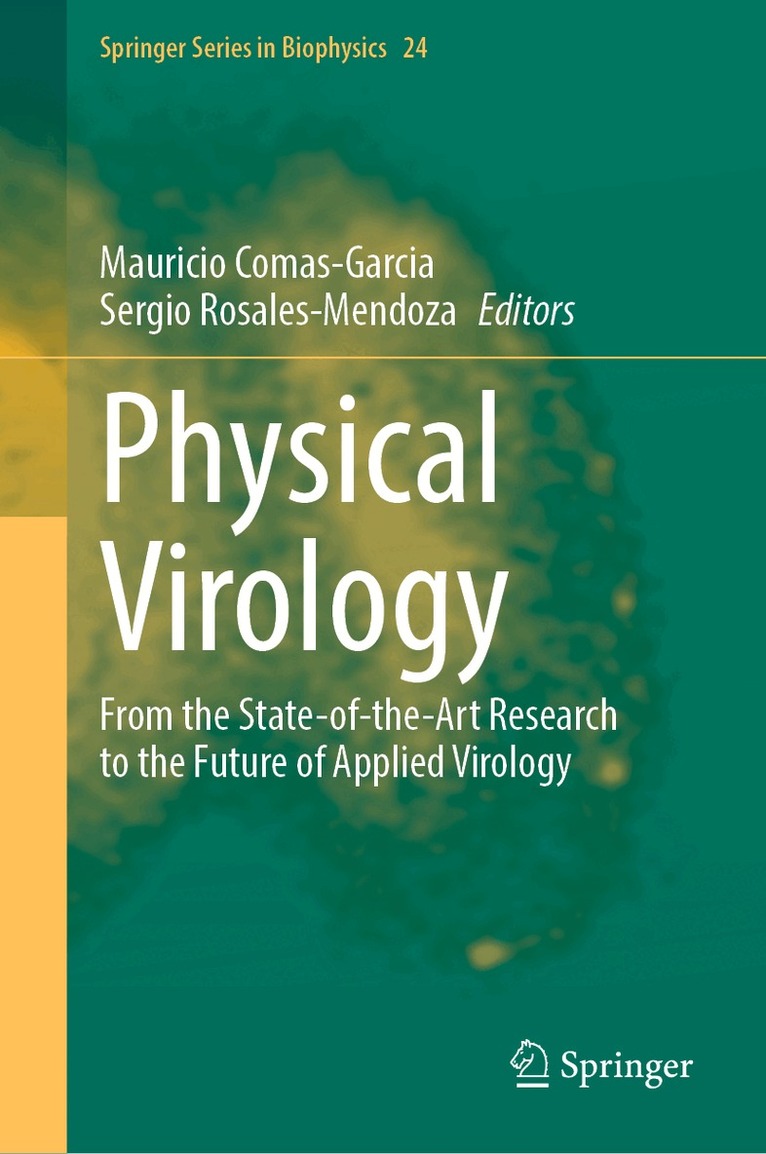
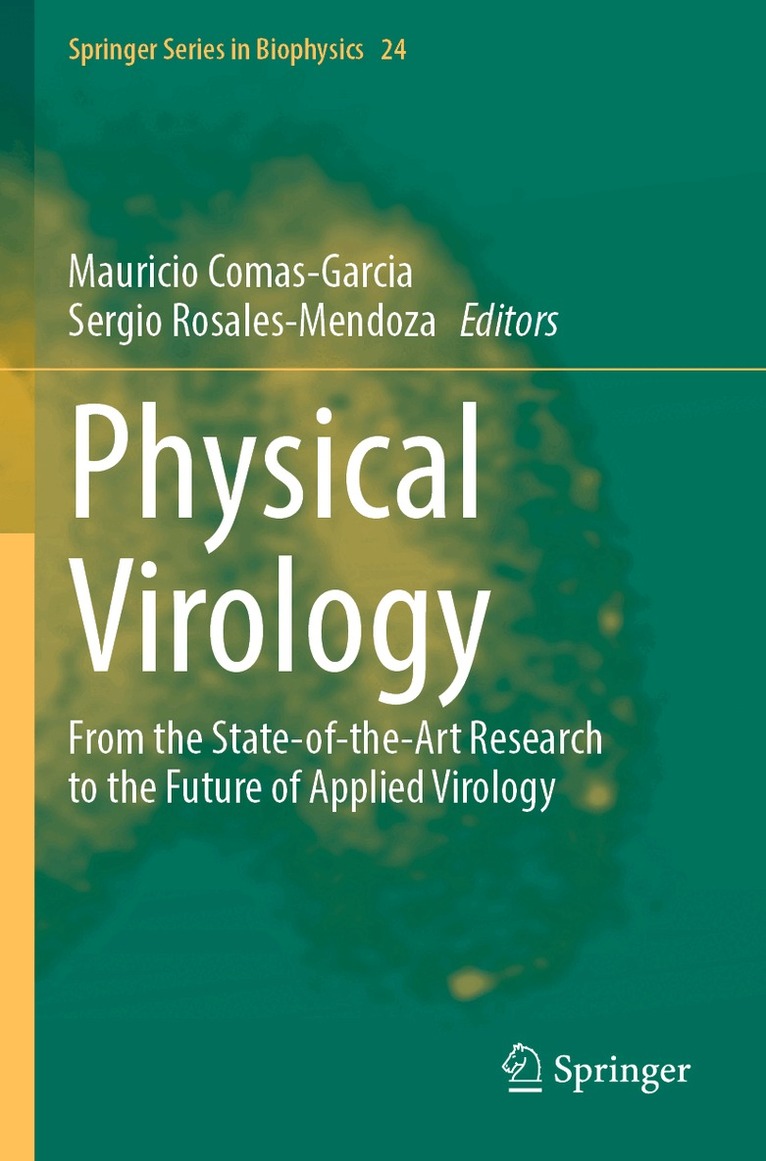
This book highlights key findings generated during the past years from the main disciplines that constitute Physical Virology, from theoretical physics and simulations to material sciences and vaccines development to structural biology. Each chapter is written by world-class scientists from these areas and is a comprehensive review of where this field stands, as well as the future of Physical Virology. The diversity in the formal training of these scientists results in solving common problems using very distinct approaches, which can produce surprising findings. The multi- and interdisciplinary nature of this field has created a remarkable community that aims at understanding how viruses work and how they can be used in material sciences, chemistry, and biomedicine. Furthermore, the development of Physical Virology has resulted in technological advances that have shaped other fields; for example, it would be impossible to think about the development of Cryo-EM to solve the structure of complex viruses with atomic resolution without the contribution of scientists that created the field of Physical Virology. In the past decade, there has been a great success in the generation of viral systems that can encapsulate drugs, non-viral genetic material, or nanoparticles, as well as in the chemical and genetical modification of virions. Without any doubt in the immediate future, some of these technologies will jump from the bench to the market, creating a revolution in translational and biomedical sciences. The book provides key perspectives for the field, derived from expert´s opinions.
1 941 kr
Skickas inom 10-15 vardagar
1 082 kr
Skickas inom 10-15 vardagar
1 408 kr
Läs direkt efter köp
This book constitutes a key reference on the use of algae in the biopharmaceuticals production field; providing an updated outlook on the achievements accomplished thus far and transmitting a prospective view for this biotechnological application.
This book provides a detailed description of the technology as well as an updated outlook of the strides achieved thus far in the field of algae-based biopharmaceuticals. Algae constitute attractive expression hosts for the production of recombinant proteins with medical applications. Among the features that make them attractive candidates are: low cost, fast growth, wide biosynthetic capacity, and absence of human pathogens; which constitute substantial advantages with respect to bacterial and mammalian systems.
First, the features of algae as convenient hosts for the production of BFs are analyzed in terms of production costs, biosynthetic capacity, and safety (Chapter 1). Second, the genetic engineering tools for algae-species are described. Nuclear and chloroplast-based expression approaches are analyzed and compared in terms of biosynthetic advantages, gene expression complexity, and DNA transfer approaches (Chapter 2). In the following sections, chapters 3 to 7, the state of the art on producing distinct types of BFs in algae species is presented. Although this book is mainly focused on BFs, considering that the production of compounds with health-promoting properties are achieved using genetically-engineered algae strains, chapter 8 deals with nutraceuticals. In the ninth chapter, the developments reported thus far are placed in perspective and challenges for the field are discussed. Critical future prospects comprise the following: optimizing large-scale production in bioreactors, implementing glycoengineering approaches, optimizing nuclear expression, exploring new approaches for oral delivery, and implementing regulatory frameworks to accomplish technology transferand regulatory approval of algae-made BFs.
1 114 kr
Skickas inom 10-15 vardagar