Seth C. Rasmussen – författare
Visar alla böcker från författaren Seth C. Rasmussen. Handla med fri frakt och snabb leverans.
14 produkter
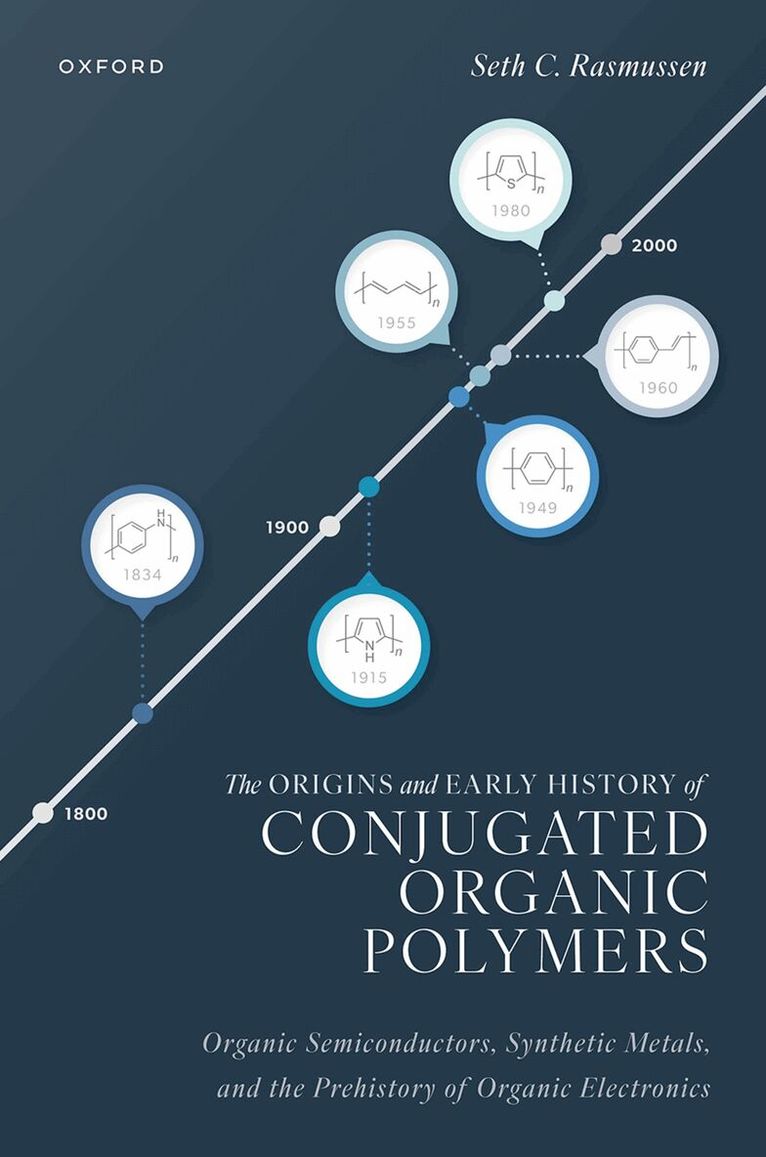
The Origins and Early History of Conjugated Organic Polymers
Organic Semiconductors, Synthetic Metals, and the Prehistory of Organic Electronics
Inbunden, 2025
1176 kr
Lägg i varukorg
Conjugated organic polymers first drew significant interest in the late 1970s when metallic-looking plastic films of polyacetylene were shown to exhibit conductivities in the metallic regime after treatment with various oxidizing agents. These results formed the basis for awarding Alan MacDiarmid, …
Origins and Early History of Conjugated Organic Polymers
Organic Semiconductors, Synthetic Metals, and the Prehistory of Organic Electronics
E-bok, 2025
1253 kr
Lägg i varukorg
Conjugated organic polymers first drew significant interest in the late 1970s when metallic-looking plastic films of polyacetylene were shown to exhibit conductivities in the metallic regime after treatment with various oxidizing agents. These results formed the basis for awarding Alan MacDiarmid, …
Origins and Early History of Conjugated Organic Polymers
Organic Semiconductors, Synthetic Metals, and the Prehistory of Organic Electronics
E-bok, 2025
1253 kr
Lägg i varukorg
Conjugated organic polymers first drew significant interest in the late 1970s when metallic-looking plastic films of polyacetylene were shown to exhibit conductivities in the metallic regime after treatment with various oxidizing agents. These results formed the basis for awarding Alan MacDiarmid, …
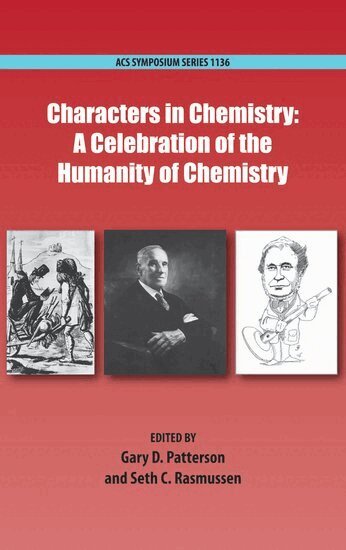
Characters in Chemistry
A Celebration of the Humanity of Chemistry
Av PATTERSON, Gary D. Patterson m. fl.
Inbunden, 2014
2719 kr
Lägg i varukorg
This book is a collection of essays, written by an international group of historians of chemistry, about some of the most interesting chemists dating back into the 18th century. The contributing authors are well-established biographers, and their subjects make a diverse cast of chemistry …
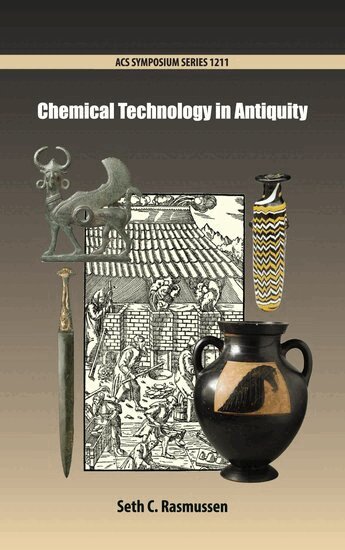
Chemical Technology in Antiquity
Av RASMUSSEN, Seth C. Rasmussen
Inbunden, 2016
2800 kr
Lägg i varukorg
Chemistry is intimately involved in the development of the oldest known civilizations, resulting in a range of chemical technologies that not only continue to be part of modern civilized societies, but are so commonplace that it would be hard to imagine life without them. Such chemical technology …
IGNITING THE CHEMICAL RING OF FIRE: HISTORICAL EVOLUTION OF THE CHEMICAL COMMUNITIES OF THE PACIFIC RIM
Av Rasmussen Seth C, Seth C Rasmussen
Inbunden, 2018
1433 kr
Lägg i varukorg
From the rise of chemical technology in antiquity to the present day, Igniting the Chemical Ring of Fire tracks the development of professional chemistry communities in the countries of the Pacific Rim. Critical in this process was the development of local education and training in chemistry. The …
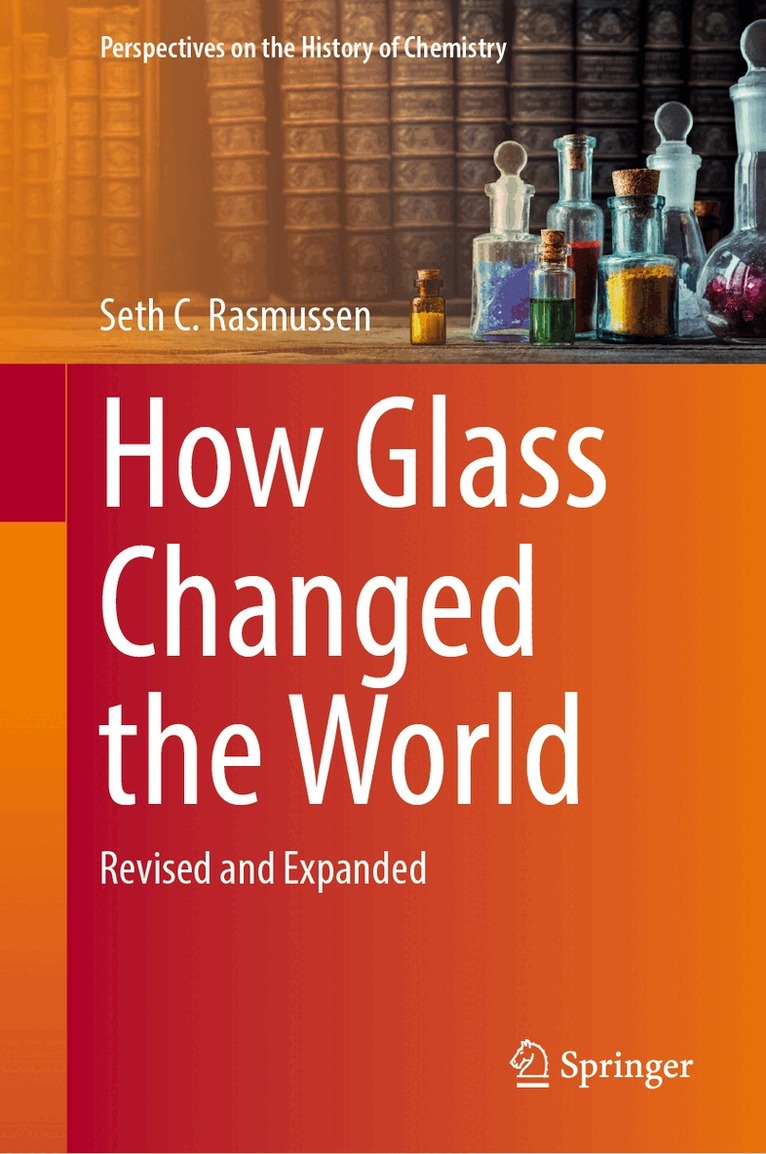
How Glass Changed the World
Revised and Expanded
Inbunden, 2026
1748 kr
Lägg i varukorg
This monograph explores the history and chemistry of glass technology, tracing its origins from antiquity through its evolution into a vital material for science and society. Beginning with early synthetic silica glass production around 2500 BCE, it examines its development up through the Roman …
How Glass Changed the World
Revised and Expanded
E-bok, 2026
2274 kr
Lägg i varukorg
This monograph explores the history and chemistry of glass technology, tracing its origins from antiquity through its evolution into a vital material for science and society. Beginning with early synthetic silica glass production around 2500 BCE, it examines its development up through the Roman …
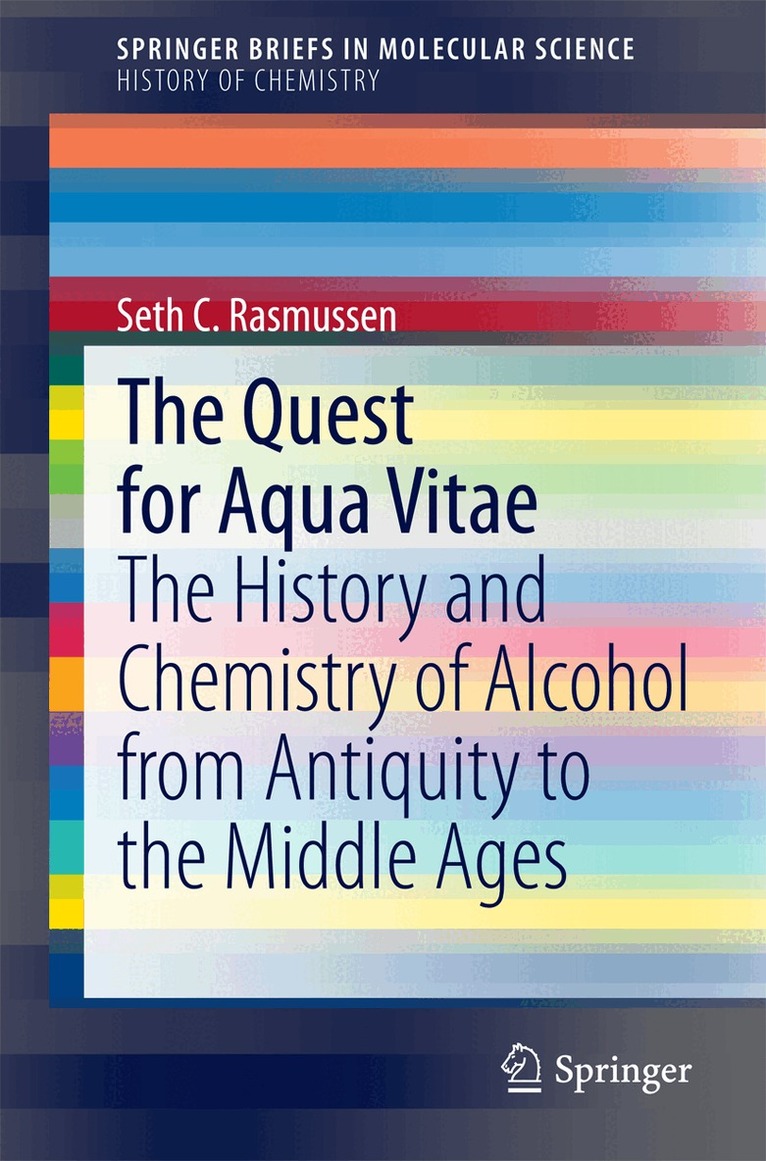
Quest for Aqua Vitae
The History and Chemistry of Alcohol from Antiquity to the Middle Ages
Häftad, 2014
680 kr
Lägg i varukorg
Ethyl alcohol, or ethanol, is one of the most ubiquitous chemical compounds in the history of the chemical sciences. The generation of alcohol via fermentation is also one of the oldest forms of chemical technology, with the production of fermented beverages such as mead, beer and wine predating …
Quest for Aqua Vitae
The History and Chemistry of Alcohol from Antiquity to the Middle Ages
E-bok, 2014
903 kr
Lägg i varukorg
Ethyl alcohol, or ethanol, is one of the most ubiquitous chemical compounds in the history of the chemical sciences. The generation of alcohol via fermentation is also one of the oldest forms of chemical technology, with the production of fermented beverages such as mead, beer and wine predating …
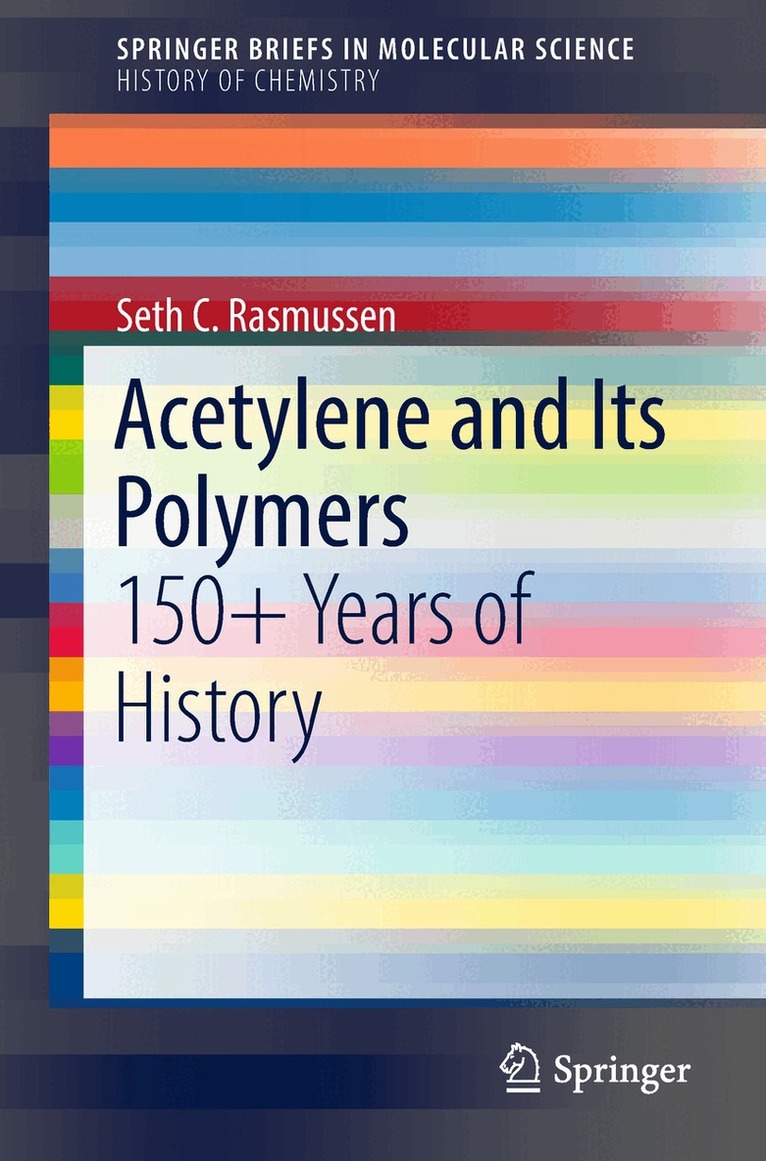
Acetylene and Its Polymers
150+ Years of History
Häftad, 2018
551 kr
Lägg i varukorg
This Brief presents for the first time a detailed historical overview of the development of acetylene polymers, beginning with the initial discovery of acetylene in 1836 and continuing up through the 2000 Nobel Prize in Chemistry. The polymerization of acetylene is most commonly associated with …
Acetylene and Its Polymers
150+ Years of History
E-bok, 2018
734 kr
Lägg i varukorg
This Brief presents for the first time a detailed historical overview of the development of acetylene polymers, beginning with the initial discovery of acetylene in 1836 and continuing up through the 2000 Nobel Prize in Chemistry. The polymerization of acetylene is most commonly associated with …
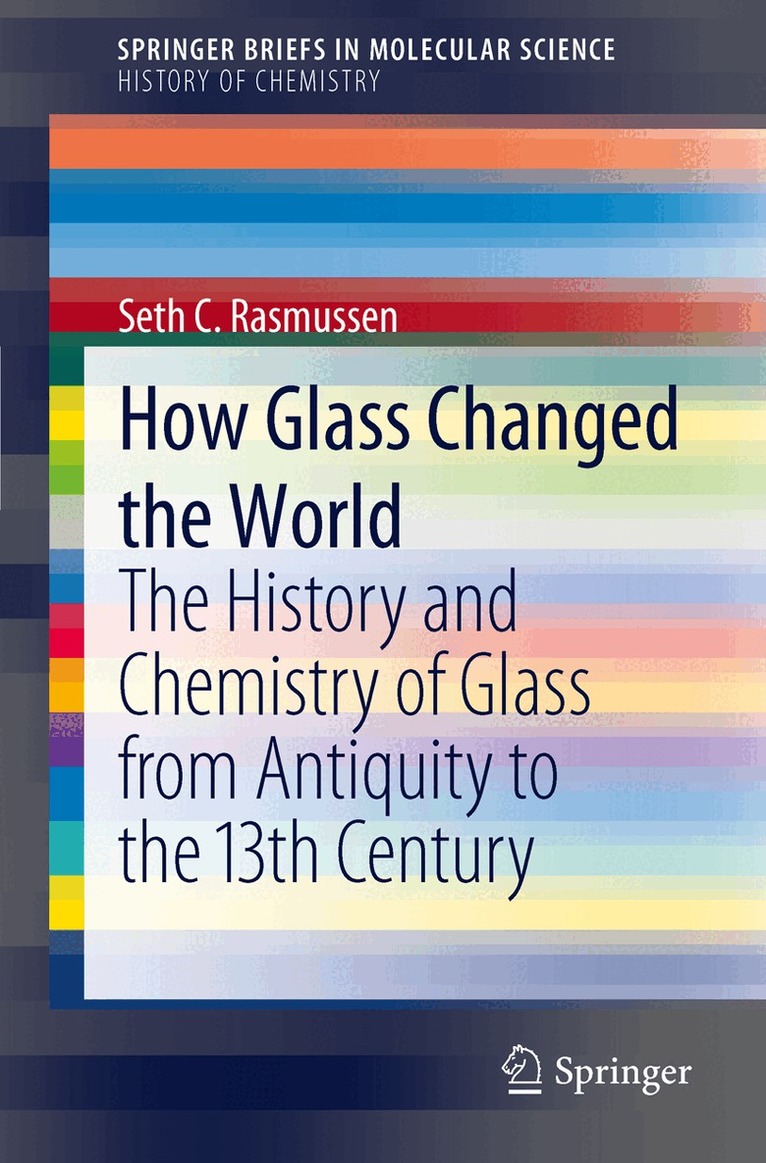
How Glass Changed the World
The History and Chemistry of Glass from Antiquity to the 13th Century
Häftad, 2012
748 kr
Lägg i varukorg
Glass production is thought to date to ~2500 BC and had found numerous uses by the height of the Roman Empire. Yet the modern view of glass-based chemical apparatus (beakers, flasks, stills, etc.) was quite limited due to a lack of glass durability under rapid temperature changes and chemical …
How Glass Changed the World
The History and Chemistry of Glass from Antiquity to the 13th Century
E-bok, 2012
1011 kr
Lägg i varukorg
Glass production is thought to date to ~2500 BC and had found numerous uses by the height of the Roman Empire. Yet the modern view of glass-based chemical apparatus (beakers, flasks, stills, etc.) was quite limited due to a lack of glass durability under rapid temperature changes and chemical …