Severo Sarduy – författare
Visar alla böcker från författaren Severo Sarduy. Handla med fri frakt och snabb leverans.
7 produkter
7 produkter
Del 16 - Coleccion Clasicos Cubanos
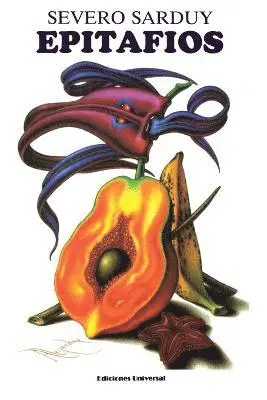
Epitafios, Imitación, Aforismos
Häftad, Engelska, 2015
201 kr
Skickas inom 5-8 vardagar
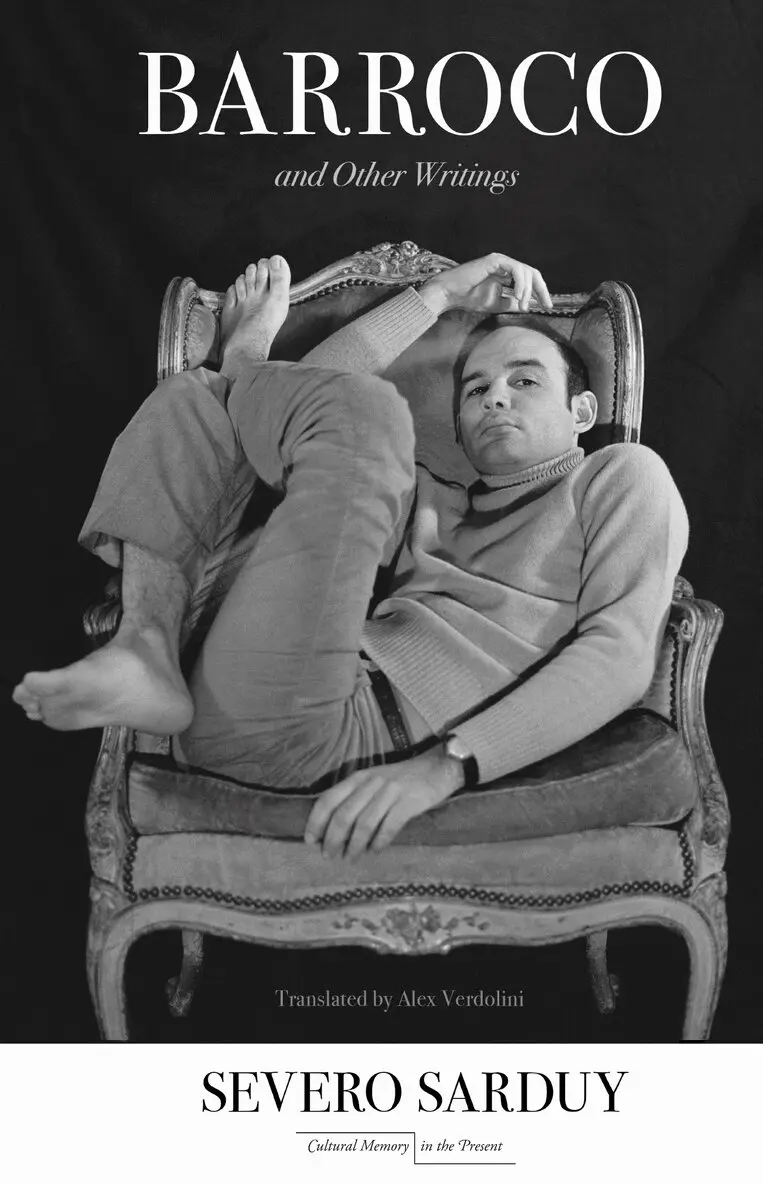
Inbunden, Engelska, 2024
1 196 kr
Skickas inom 5-8 vardagar
Severo Sarduy was among the most important figures in twentieth-century Latin American fiction and a major representative of the literary tendency to which he gave the name Neobaroque. While most of Sarduy's literary work is available in English, his theoretical writings have largely remained untranslated. This volume—presenting Sarduy's central theoretical contribution, Barroco (1974), alongside other related works—remedies that oversight.Barroco marks a watershed in postwar thought on the Baroque, both in French post-structuralism and in the Latin American context. Sarduy traces a double history, reading events in the history of science alongside developments in the history of art, architecture, and literature. What emerges is a theory of the Baroque as decentering and displacement, as supplement and excess, a theory capacious enough to account for the old European Baroque as well as its queer, Latin American and global futures.In addition to Barroco, this volume includes texts spanning Sarduy's career, from 1960s essays published originally in Tel Quel to late works from the 1980s and '90s. It thus offers a complete picture of Sarduy's thinking on the Baroque.
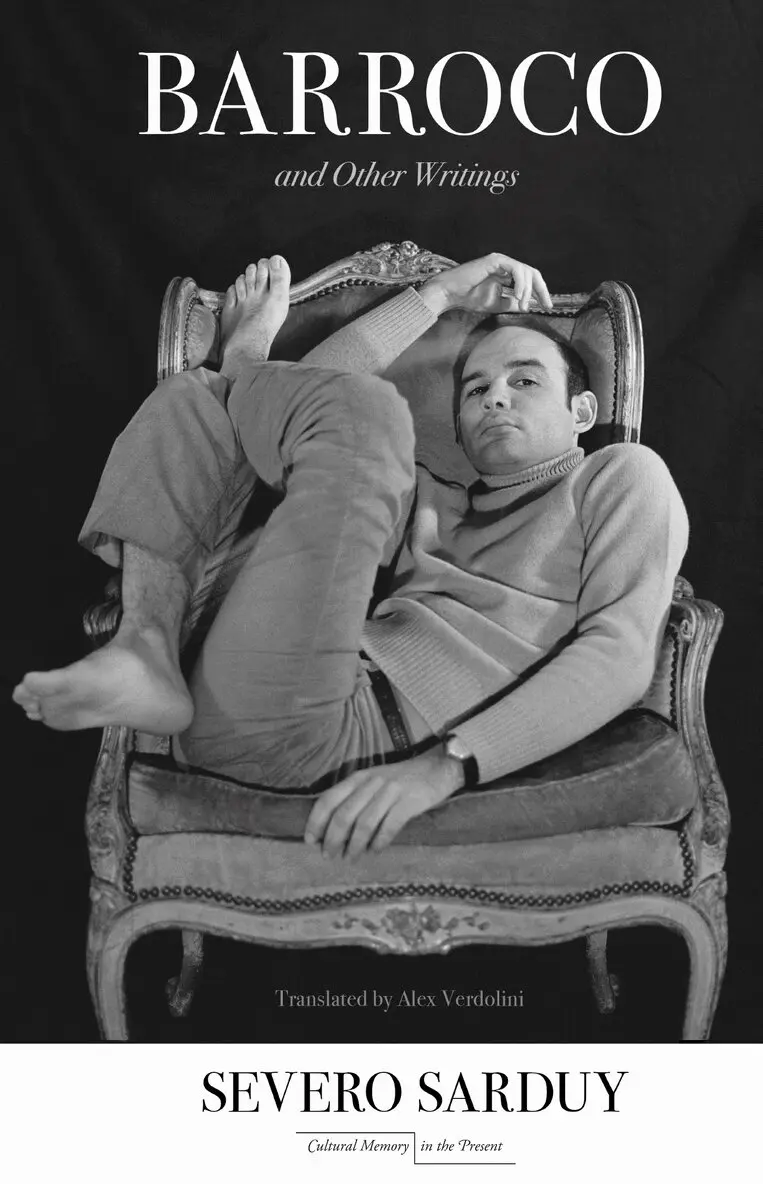
Häftad, Engelska, 2024
279 kr
Skickas
Severo Sarduy was among the most important figures in twentieth-century Latin American fiction and a major representative of the literary tendency to which he gave the name Neobaroque. While most of Sarduy's literary work is available in English, his theoretical writings have largely remained untranslated. This volume—presenting Sarduy's central theoretical contribution, Barroco (1974), alongside other related works—remedies that oversight.Barroco marks a watershed in postwar thought on the Baroque, both in French post-structuralism and in the Latin American context. Sarduy traces a double history, reading events in the history of science alongside developments in the history of art, architecture, and literature. What emerges is a theory of the Baroque as decentering and displacement, as supplement and excess, a theory capacious enough to account for the old European Baroque as well as its queer, Latin American and global futures.In addition to Barroco, this volume includes texts spanning Sarduy's career, from 1960s essays published originally in Tel Quel to late works from the 1980s and '90s. It thus offers a complete picture of Sarduy's thinking on the Baroque.
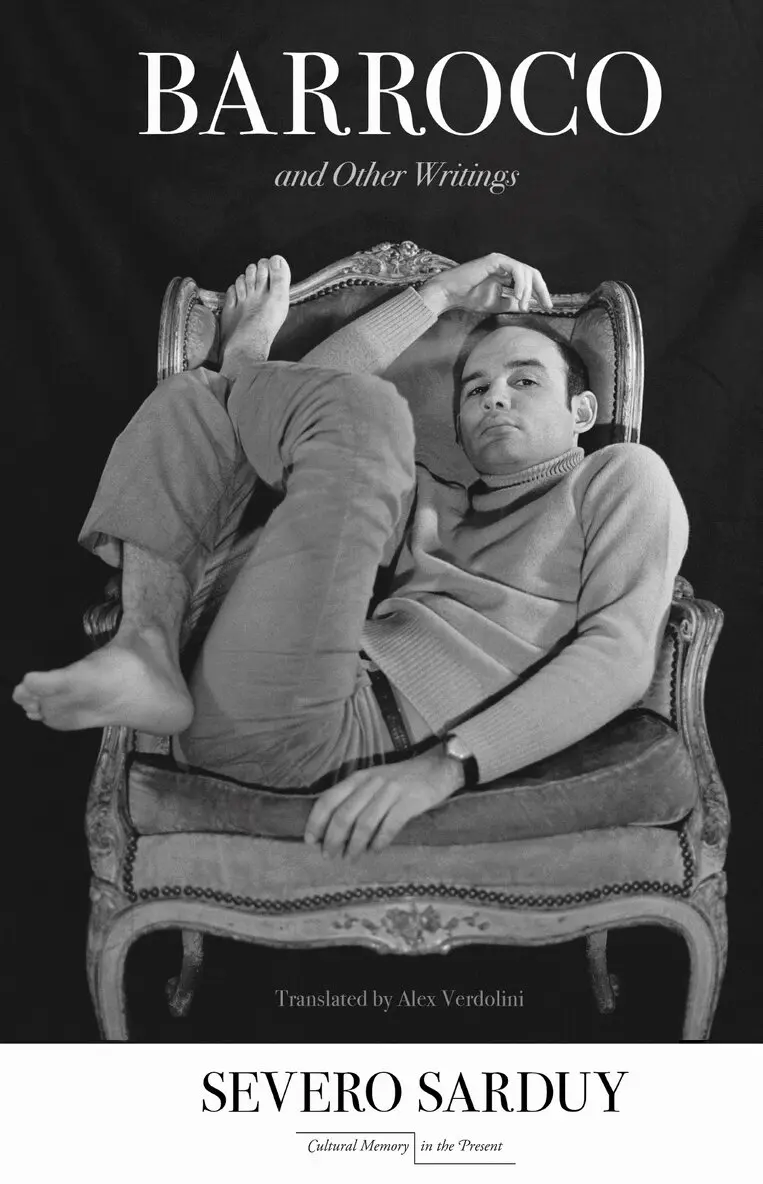
E-bok
Engelska, 2024336 kr
Läs direkt efter köp
Severo Sarduy was among the most important figures in twentieth-century Latin American fiction and a major representative of the literary tendency to which he gave the name Neobaroque. While most of Sarduy's literary work is available in English, his theoretical writings have largely remained untranslated. This volume—presenting Sarduy's central theoretical contribution, Barroco (1974), alongside other related works—remedies that oversight.Barroco marks a watershed in postwar thought on the Baroque, both in French post-structuralism and in the Latin American context. Sarduy traces a double history, reading events in the history of science alongside developments in the history of art, architecture, and literature. What emerges is a theory of the Baroque as decentering and displacement, as supplement and excess, a theory capacious enough to account for the old European Baroque as well as its queer, Latin American and global futures.In addition to Barroco, this volume includes texts spanning Sarduy's career, from 1960s essays published originally in Tel Quel to late works from the 1980s and '90s. It thus offers a complete picture of Sarduy's thinking on the Baroque.
E-bok
Tyska, 2014170 kr
Läs direkt efter köp
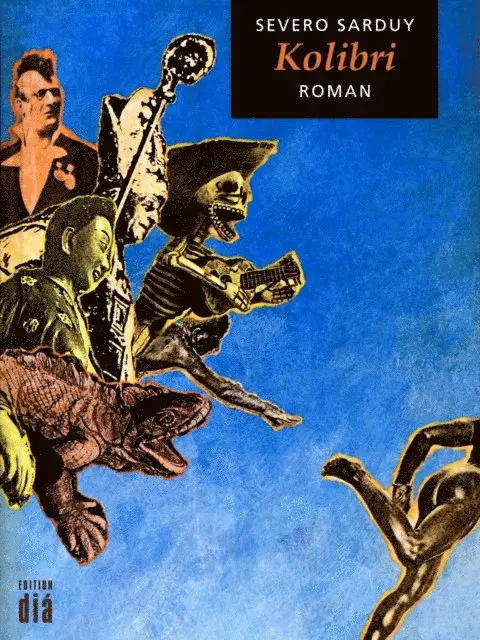
Vorhang auf für Kolibri - das männliche Prachtstück eines fellinesken Dschungelbordells irgendwo in Mittelamerika. Hier stranden Haie und Wale, Delfine und Piranhas - die ganze abenteuerliche Männerfauna eines Tropendeltas mit ihren Gelüsten und Zwisten, zärtlich umsorgt oder tyrannisch herumkommandiert von der Regentin und ihren schlagkräftigen und verwandlungsfähigen Trabanten. Wüst und brünstig geht es zu, für alle ist die Welt in Ordnung, bis Kolibri und der japanische Sumoringer, sein Showkollege, die Flucht ergreifen. Eine groteske Kamarilla nimmt die Verfolgung auf …Severo Sarduy erzählt einen prallbunten, erotischen, fantastischen Bilderbogen, fesselnd, verführerisch, augenzwinkernd, »aufs Glanzvollste von Thomas Brovot übersetzt« (Süddeutsche Zeitung).Von Severo Sarduy außerdem in der Edition diá:Woher die Sänger sind. RomanAus dem kubanischen Spanisch von Thomas BrovotISBN 9783860345221
E-bok
Tyska, 2014170 kr
Läs direkt efter köp
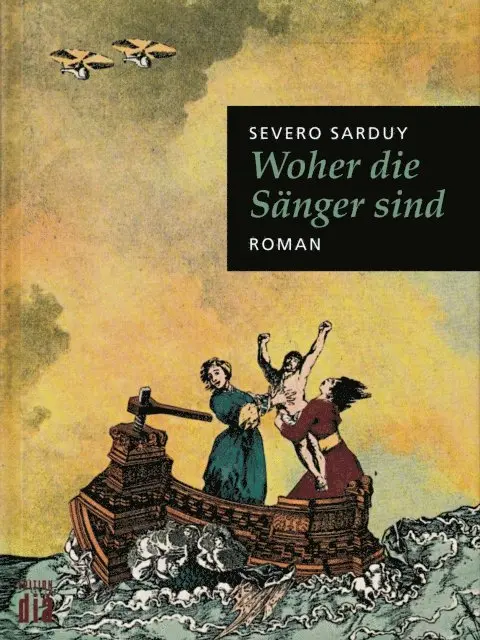
Kuba ist ein kultureller Tequila Sunrise: Die spanische, die afrikanische und die chinesische Einwandererkultur leben, jede mit ihrer eigenen unverwechselbaren Farbe, neben- und übereinander, nicht verquirlt, aber im selben Glas, mit fließenden Übergängen - bunter Regenbogen.Zwei verführerische »Fremdenführerinnen«, Auxilio und Socorro, begleiten den Leser bei der Reise durch die drei Kubas. Zunächst lernen wir das Chinesenviertel Havannas kennen - der General, »Darsteller« der spanischen Einwanderer, stellt Lotosblüte nach, einer Sängerin an der chinesischen Oper; doch sie verschmäht seine Liebe. Aufstieg und Fall der üppigen schwarzen Rumbatänzerin Dolores, die durch das Bett eines Senators nach oben kommt und mit ihm stürzt, bilden den roten Faden der politischen Farce aus dem afrikanischen Kuba.Katholisch und spanisch geht es schließlich zu bei der fantastischen Prozession, mit der Auxilio und Socorro einen beunruhigend lebendigen Holzchristus in Havanna einziehen lassen - ein virtuoser Parforceritt vom Spanien des Mittelalters ins Kuba der Castro-Revolution.Sarduy wäre nicht Sarduy, wenn die Figuren und Episoden seines Romans nicht voller Verwandlungen, Überraschungen, ironischer Volten und sprühender Metaphern steckten. Diese sinnlich flirrende Entdeckungsreise durch sein Heimatland lässt sich ebenso als vielschichtige poetische Prosa lesen wie als literarischer Comicstrip: ein Lesevergnügen der ganz besonderen Art.Von Severo Sarduy außerdem in der Edition diá:KolibriAus dem kubanischen Spanisch von Thomas BrovotISBN 9783860345214
Häftad, Engelska, 2006
153 kr
Tillfälligt slut
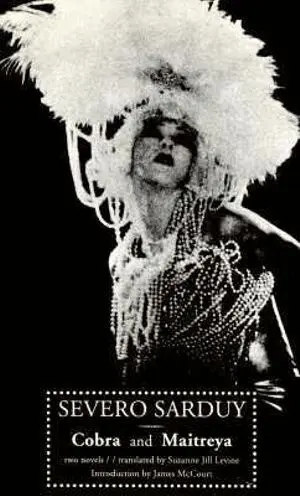
The late Severo Sarduy was one of the most outrageous and baroque of the Latin American Boom writers of the sixties and seventies, and here bound back to back are his two finest creations. Cobra (1972) recounts the tale of a transvestite named Cobra, star of the Lyrical Theater of the Dolls, whose obsession is to transform his/her body. She is assisted in her metamorphosis by the Madam and Pup, Cobra’s dwarfish double. They too change shape, through the violent ceremonies of a motorcycle gang, into a sect of Tibetan lamas seeking to revive Tantric Buddhism.Maitreya (1978) continues the theme of metamorphosis, this time in the person of Luis Leng, a humble Cuban-Chinese cook, who becomes a reincarnation of Buddha. Through Leng, Sarduy traces the metamorphosis of two hitherto incomparable societies, Tibet at the moment of the Chinese invasion, and Cuba at the moment of revolution. Transgressing genres and genders, reveling in literal and figurative transvestism, these two novels are among the most daring achievements of postmodern Latin American fiction.