
SeyedAmirHossein Asghari – författare
Visar alla böcker från författaren . Handla med fri frakt och snabb leverans.
4 produkter
4 produkter
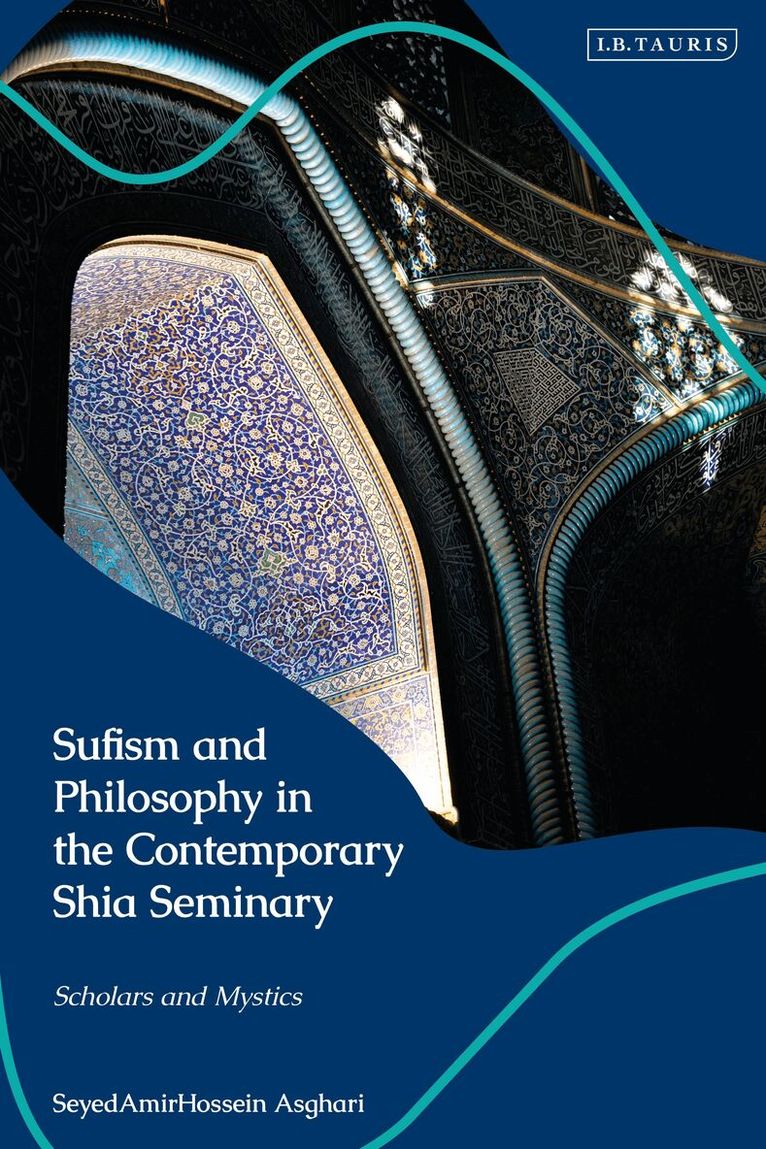
Inbunden, Engelska, 2025
1 179 kr
Skickas inom 10-15 vardagar
What is the place of Sufi and philosophical thought in Shi’ism today?This book delves into the ongoing debate within the contemporary Shia seminary over the role of Sufi and philosophical thought in interpreting religion. It examines two opposing schools: the Sufi School of Najaf, which harmonizes philosophy, Sufism, and revelation, and the Maktab-i Tafkik (School of Separation), which rejects such integration.Tracing their historical development from the mid-19th century to the present, the book explores how these schools emerged and spread, analyzing their contrasting approaches to religion.Beyond historical narrative, it provides an in-depth analysis of the philosophical and theological arguments of each school, highlighting their differing views on the soul, divine revelation, and the interplay of reason and faith.By examining manuscripts, historical texts, and personal memoirs, the book offers a nuanced perspective on the intellectual currents shaping today's Shia thought, inviting readers to reconsider the relationship between philosophy, Sufism, and Shia theology.
E-bok
Engelska, 20251 286 kr
Läs direkt efter köp
What is the place of Sufi and philosophical thought in Shi'ism today? This book delves into the ongoing debate within the contemporary Shia seminary over the role of Sufi and philosophical thought in interpreting religion. It examines two opposing schools: the Sufi School of Najaf, which harmonizes philosophy, Sufism, and revelation, and the Maktab-i Tafkik (School of Separation), which rejects such integration.Tracing their historical development from the mid-19th century to the present, the book explores how these schools emerged and spread, analyzing their contrasting approaches to religion. Beyond historical narrative, it provides an in-depth analysis of the philosophical and theological arguments of each school, highlighting their differing views on the soul, divine revelation, and the interplay of reason and faith.By examining manuscripts, historical texts, and personal memoirs, the book offers a nuanced perspective on the intellectual currents shaping today's Shia thought, inviting readers to reconsider the relationship between philosophy, Sufism, and Shia theology.
E-bok
PDF, Engelska, 20251 286 kr
Läs direkt efter köp
What is the place of Sufi and philosophical thought in Shi'ism today? This book delves into the ongoing debate within the contemporary Shia seminary over the role of Sufi and philosophical thought in interpreting religion. It examines two opposing schools: the Sufi School of Najaf, which harmonizes philosophy, Sufism, and revelation, and the Maktab-i Tafkik (School of Separation), which rejects such integration.Tracing their historical development from the mid-19th century to the present, the book explores how these schools emerged and spread, analyzing their contrasting approaches to religion. Beyond historical narrative, it provides an in-depth analysis of the philosophical and theological arguments of each school, highlighting their differing views on the soul, divine revelation, and the interplay of reason and faith.By examining manuscripts, historical texts, and personal memoirs, the book offers a nuanced perspective on the intellectual currents shaping today's Shia thought, inviting readers to reconsider the relationship between philosophy, Sufism, and Shia theology.
Häftad, Engelska, 2027
495 kr
Kommande
What is the place of Sufi and philosophical thought in Shi’ism today?This book delves into the ongoing debate within the contemporary Shia seminary over the role of Sufi and philosophical thought in interpreting religion. It examines two opposing schools: the Sufi School of Najaf, which harmonizes philosophy, Sufism, and revelation, and the Maktab-i Tafkik (School of Separation), which rejects such integration.Tracing their historical development from the mid-19th century to the present, the book explores how these schools emerged and spread, analyzing their contrasting approaches to religion.Beyond historical narrative, it provides an in-depth analysis of the philosophical and theological arguments of each school, highlighting their differing views on the soul, divine revelation, and the interplay of reason and faith.By examining manuscripts, historical texts, and personal memoirs, the book offers a nuanced perspective on the intellectual currents shaping today's Shia thought, inviting readers to reconsider the relationship between philosophy, Sufism, and Shia theology.