Shahab Fazal – författare
Visar alla böcker från författaren Shahab Fazal. Handla med fri frakt och snabb leverans.
8 produkter
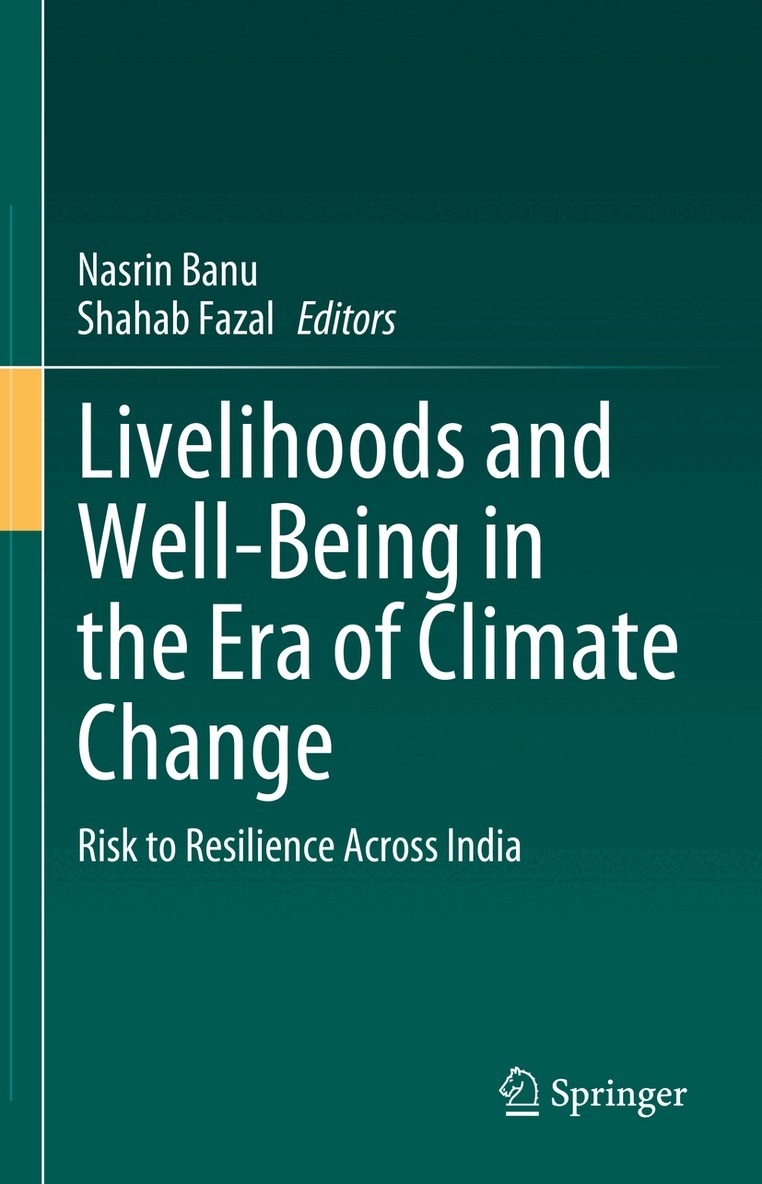
Livelihoods and Well-Being in the Era of Climate Change
Risk to Resilience Across India
Inbunden, 2025
2183 kr
Lägg i varukorg
This volume addresses livelihood vulnerabilities due to climate change-induced socio-environmental stresses among different communities in various geographical locations in India, and discusses how the people and communities can become resilient to these stresses. Through multiple case studies and …
Livelihoods and Well-Being in the Era of Climate Change
Risk to Resilience Across India
E-bok, 2025
2925 kr
Lägg i varukorg
This volume addresses livelihood vulnerabilities due to climate change-induced socio-environmental stresses among different communities in various geographical locations in India, and discusses how the people and communities can become resilient to these stresses. Through multiple case studies and …
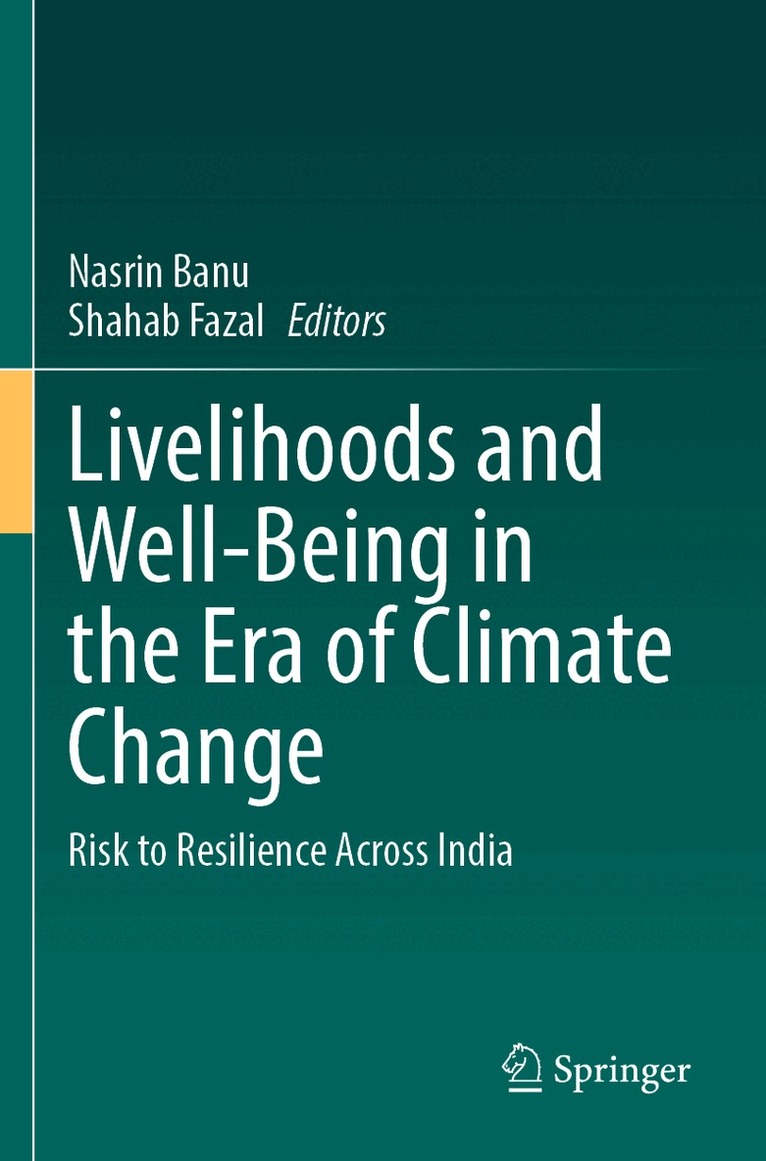
Livelihoods and Well-Being in the Era of Climate Change
Risk to Resilience Across India
Häftad, 2026
2183 kr
Lägg i varukorg
This volume addresses livelihood vulnerabilities due to climate change-induced socio-environmental stresses among different communities in various geographical locations in India, and discusses how the people and communities can become resilient to these stresses. Through multiple case studies and …
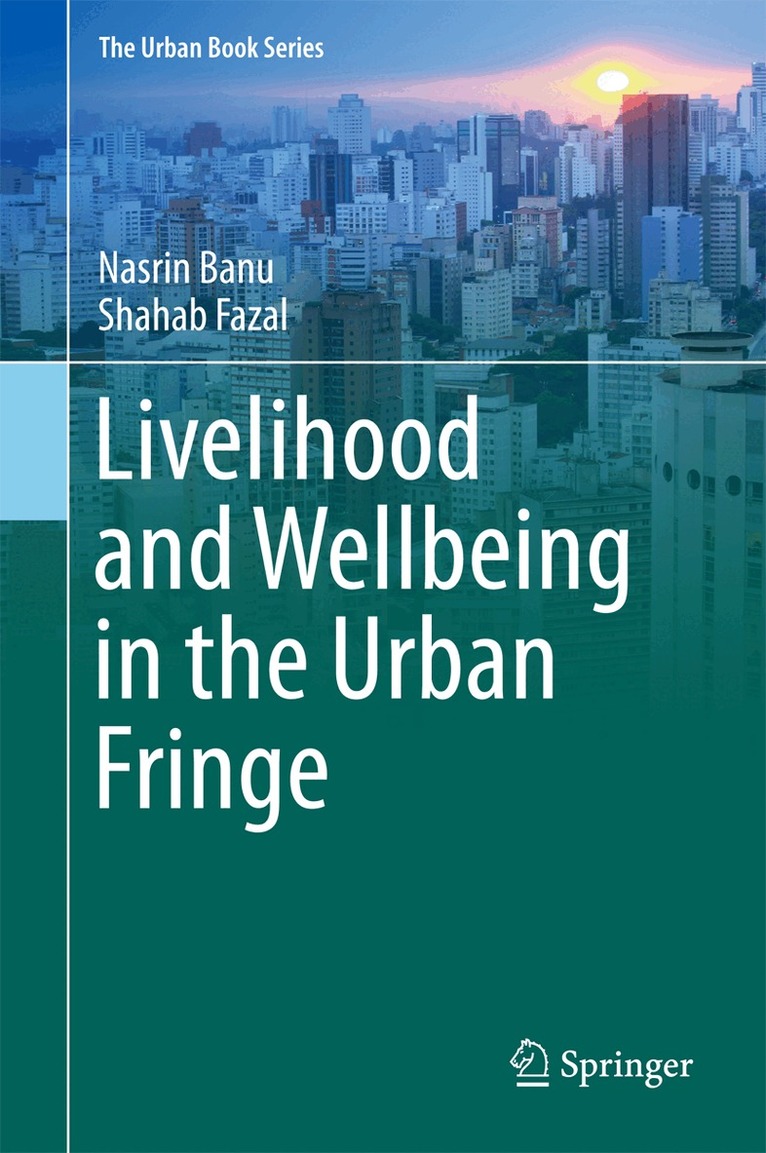
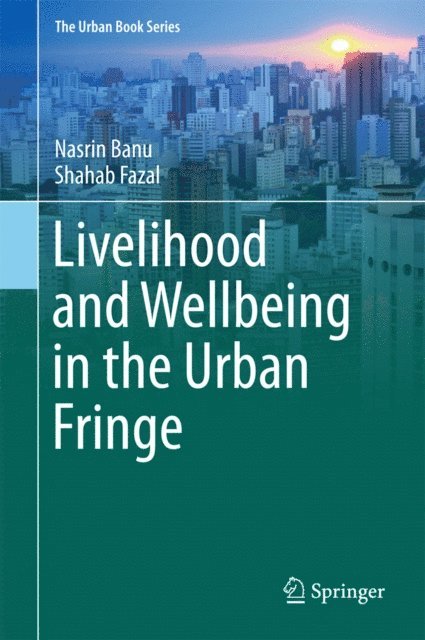
Livelihood and Wellbeing in the Urban Fringe
Inbunden, 2016
1095 kr
Lägg i varukorg
This book presents a detailed study on Aligarh’s urban fringe, focusing on the livelihood of the villagers who have lived there for generations, and on that of the migrants residing in the villages. As a Class-I city, located in the most populated state (Uttar Pradesh) of India, Aligarh has gained …
Livelihood and Wellbeing in the Urban Fringe
E-bok, 2016
1427 kr
Lägg i varukorg
This book presents a detailed study on Aligarh’s urban fringe, focusing on the livelihood of the villagers who have lived there for generations, and on that of the migrants residing in the villages. As a Class-I city, located in the most populated state (Uttar Pradesh) of India, Aligarh has gained …
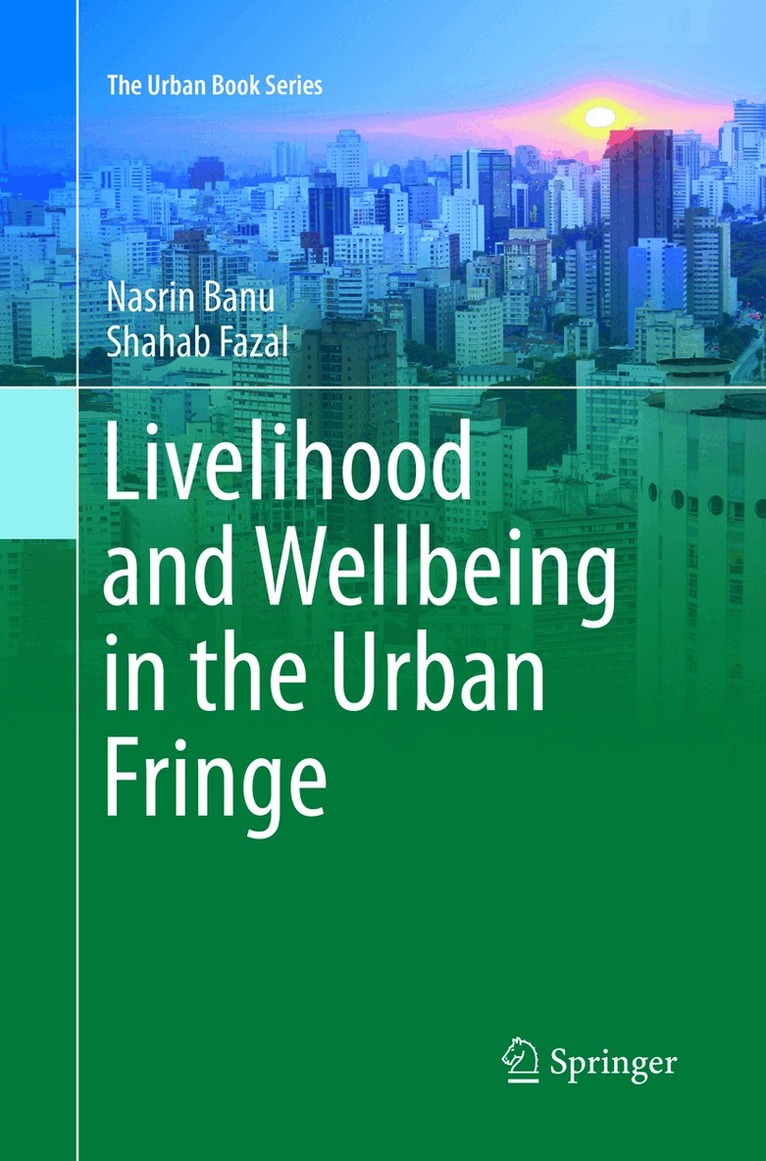
Livelihood and Wellbeing in the Urban Fringe
Häftad, 2018
1095 kr
Lägg i varukorg
This book presents a detailed study on Aligarh’s urban fringe, focusing on the livelihood of the villagers who have lived there for generations, and on that of the migrants residing in the villages. As a Class-I city, located in the most populated state (Uttar Pradesh) of India, Aligarh has gained …
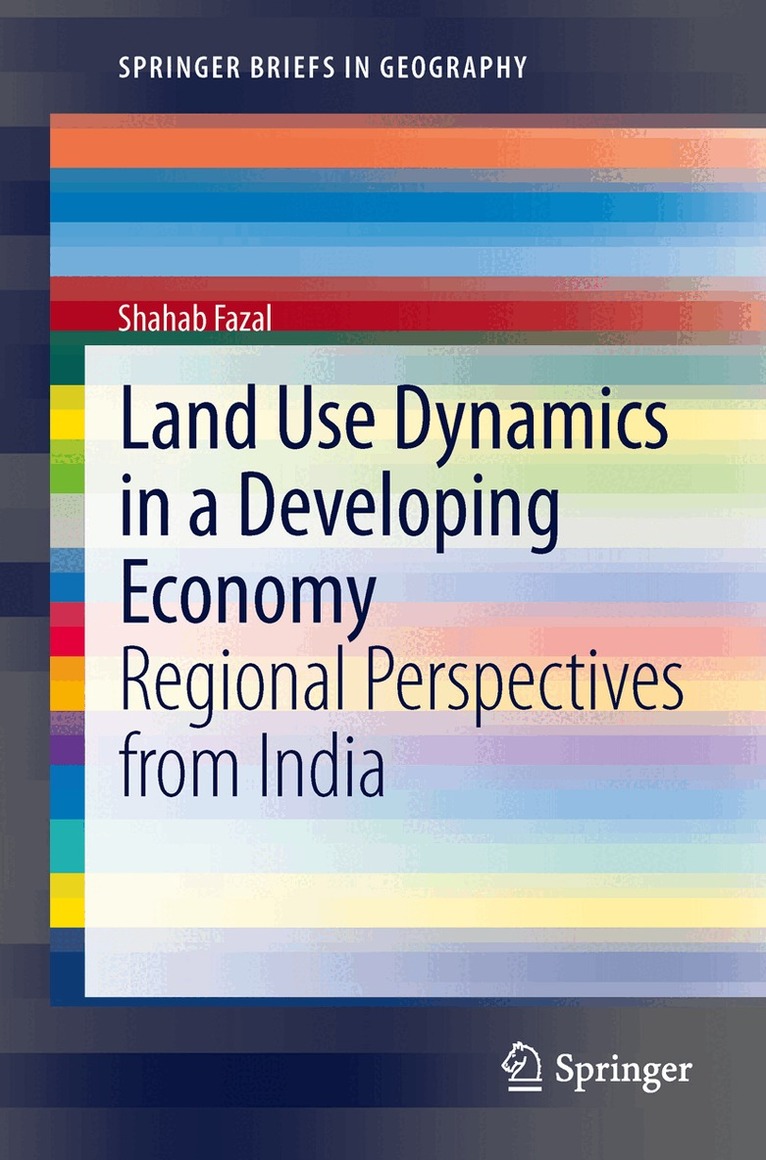
Land Use Dynamics in a Developing Economy
Regional Perspectives from India
Av Shahab Fazal
Häftad, 2012
551 kr
Lägg i varukorg
Today, India still remains a rural agricultural country although the share of urban population has also increased but these figures do not tell the whole story. There are evidences that urban growth is dispersed and urban sprawl promotes the spread of urban land use into the rural-urban fringe. …
Land Use Dynamics in a Developing Economy
Regional Perspectives from India
Av Shahab Fazal
E-bok, 2012
710 kr
Lägg i varukorg
Today, India still remains a rural agricultural country although the share of urban population has also increased but these figures do not tell the whole story. There are evidences that urban growth is dispersed and urban sprawl promotes the spread of urban land use into the rural-urban fringe. …