Shahidur Rahman – författare
2 193 kr
Skickas inom 10-15 vardagar
599 kr
Skickas inom 10-15 vardagar
682 kr
Läs direkt efter köp
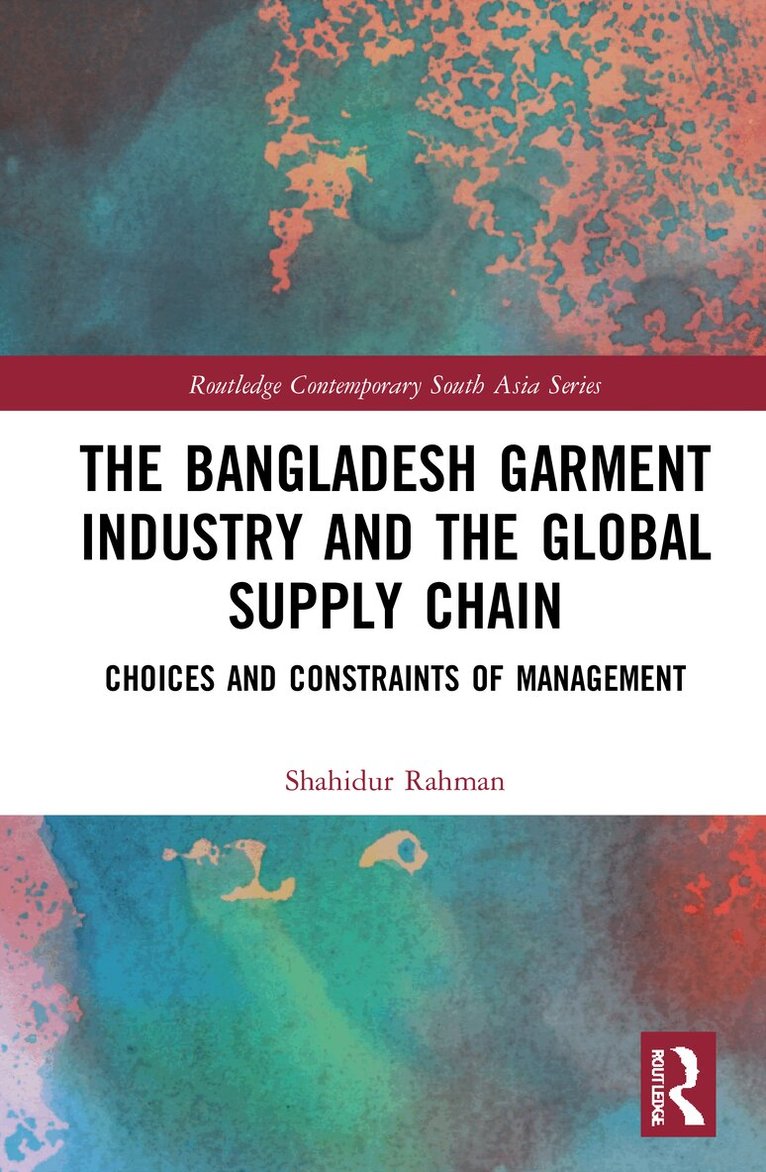
This book analyzes the choices and constraints of management within the Bangladesh garment industry and how management negotiates these challenges to ensure the global garment supply chain is sustainable.
Exploring the international South Asian garment industry and using middle management and the owners of Bangladeshi factories as a case study, the book assesses the limits and costs of globalization for Bangladesh, and outlines the challenges of the fast-fashion business model for the global market. It focusses on the changing dynamics of the entrepreneur class, how they manage factories and their experiences with Accord-Alliance, and the challenges of sustainability. Within these four broader themes, the author critically examines management strategies towards compliance and labour productivity, transnational governance, buyer–supplier relationships, and power dynamics. This book is the first to explore management’s perceptions of workers, buyers, and government through an analysis of four factories which demonstrate the role of mid-level management, how supervisors treat production workers, workers’ impact on innovation, welfare programmes as well as CSR policies, and the impact of COVID-19.
Offering new perspectives on Bangladesh’s garment export industry, this book will be of interest to researchers in the field of policy studies, labour studies, South and South-East Asian studies, development studies, international trade, and political science.
682 kr
Läs direkt efter köp
This book analyzes the choices and constraints of management within the Bangladesh garment industry and how management negotiates these challenges to ensure the global garment supply chain is sustainable.
Exploring the international South Asian garment industry and using middle management and the owners of Bangladeshi factories as a case study, the book assesses the limits and costs of globalization for Bangladesh, and outlines the challenges of the fast-fashion business model for the global market. It focusses on the changing dynamics of the entrepreneur class, how they manage factories and their experiences with Accord-Alliance, and the challenges of sustainability. Within these four broader themes, the author critically examines management strategies towards compliance and labour productivity, transnational governance, buyer–supplier relationships, and power dynamics. This book is the first to explore management’s perceptions of workers, buyers, and government through an analysis of four factories which demonstrate the role of mid-level management, how supervisors treat production workers, workers’ impact on innovation, welfare programmes as well as CSR policies, and the impact of COVID-19.
Offering new perspectives on Bangladesh’s garment export industry, this book will be of interest to researchers in the field of policy studies, labour studies, South and South-East Asian studies, development studies, international trade, and political science.
1 982 kr
Skickas inom 10-15 vardagar
656 kr
Skickas inom 10-15 vardagar
698 kr
Läs direkt efter köp
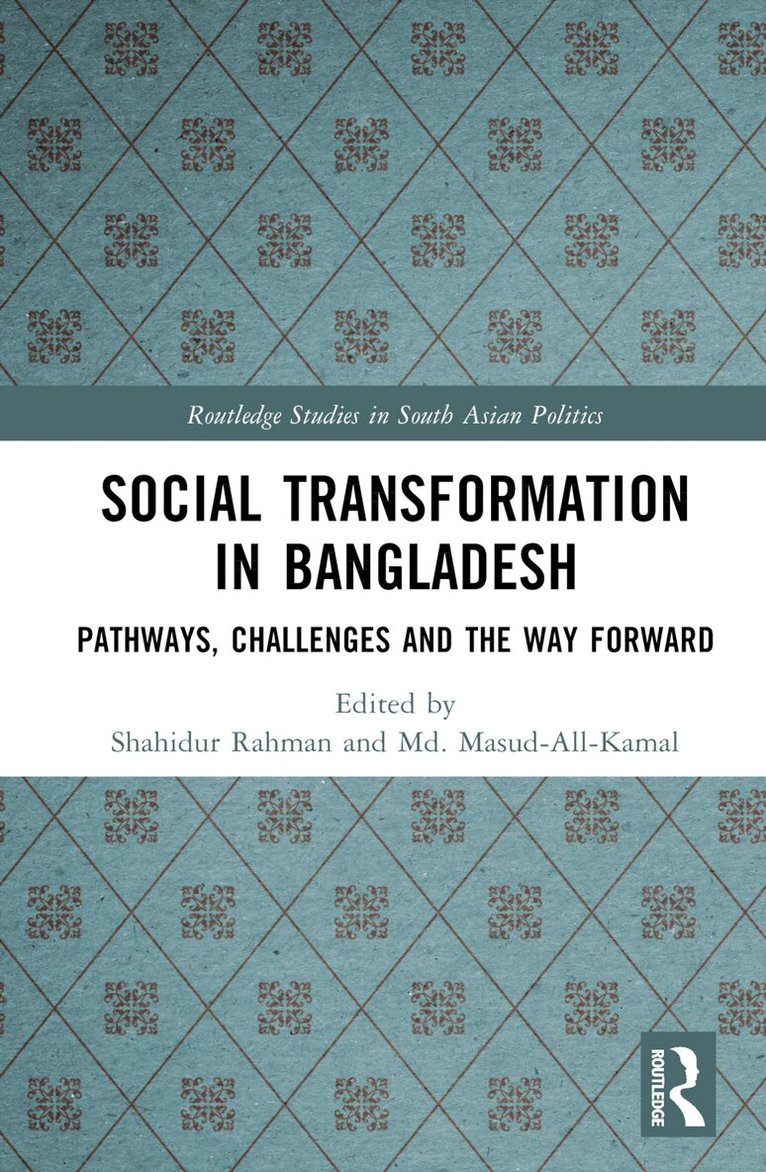
Social Transformation in Bangladesh explores the social, political, and cultural implications of the unprecedented economic development that has occurred in Bangladesh since its independence in 1971.
In the 1970s, Bangladesh was labelled an international basket case because of food insecurity and low levels of per capita income with high population growth and various social problems. Defying overwhelming odds, however, a societal transformation is underway in Bangladesh with diverse opportunities and challenges. This edited book analyses issues of inclusivity, extractivism, sustainability and equitability as it takes a look at the interconnected metamorphosis of the economy, society, culture, and the environment of Bangladesh. Discussing topics from the products of post-industrial society, such as YouTube sensations and digital labour platforms, to groups that have suffered marginalisation for decades, such as the urban poor, and Indigenous peoples, a wide array of scholarship and case studies are used to analyse the challenges and opportunities offered by the process of societal transformation.
With insights from multidisciplinary scholars, this collection will be of great interest to those specialising in the fields of sociology, political science, anthropology, development, refugee and migrant studies, media studies, labour studies, health, and indigeneity.
698 kr
Läs direkt efter köp
Social Transformation in Bangladesh explores the social, political, and cultural implications of the unprecedented economic development that has occurred in Bangladesh since its independence in 1971.
In the 1970s, Bangladesh was labelled an international basket case because of food insecurity and low levels of per capita income with high population growth and various social problems. Defying overwhelming odds, however, a societal transformation is underway in Bangladesh with diverse opportunities and challenges. This edited book analyses issues of inclusivity, extractivism, sustainability and equitability as it takes a look at the interconnected metamorphosis of the economy, society, culture, and the environment of Bangladesh. Discussing topics from the products of post-industrial society, such as YouTube sensations and digital labour platforms, to groups that have suffered marginalisation for decades, such as the urban poor, and Indigenous peoples, a wide array of scholarship and case studies are used to analyse the challenges and opportunities offered by the process of societal transformation.
With insights from multidisciplinary scholars, this collection will be of great interest to those specialising in the fields of sociology, political science, anthropology, development, refugee and migrant studies, media studies, labour studies, health, and indigeneity.
835 kr
Skickas inom 10-15 vardagar