Shailendra Kumar Shukla – författare
Visar alla böcker från författaren Shailendra Kumar Shukla. Handla med fri frakt och snabb leverans.
4 produkter
4 produkter
1 875 kr
Kommande
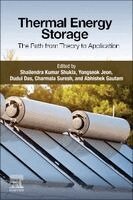
Thermal Energy Storage: The Path from Theory to Application offers a comprehensive exploration of the science and practical implementation of thermal energy storage (TES) systems. The book consolidates significant scientific contributions, covering foundational principles such as thermodynamics, heat transfer, and fluid flow, with detailed insights into various TES methods, including sensible, latent, thermochemical, and hybrid systems. Sections emphasize the evolution of TES technologies, their advantages, limitations, and innovative approaches to addressing current energy challenges. Then, the book delves into advanced techniques like predictive modeling, numerical methods, experimental strategies, and cutting-edge tools such as 3-D printing and specialized software.Sections also highlight the application of TES across diverse sectors, including building management, power generation, decentralized electrification, food supply chains, and data centers, all supported by practical case studies from around the world. It concludes with a discussion of market dynamics, environmental benefits, and emerging trends shaping the future of thermal energy storage, making it an essential resource for both researchers and practitioners.Explains the fundamental principles of thermal energy storage, including thermodynamics, heat transfer, and fluid flow, providing a solid foundation for understanding TES technologiesAnalyzes various TES methods-sensible, latent, thermochemical, and hybrid systems-highlighting their principles, advantages, and limitationsDemonstrates practical approaches to solving TES challenges through predictive modeling, experimental techniques, and innovative tools like 3-D printing and software applicationsShowcases diverse real-world applications across sectors such as building energy management, power generation, food supply chains, and data centers (supported by global case studies)Discusses market trends, environmental impacts, and future developments, equipping professionals and researchers with insights to foster sustainable energy solutions
2 353 kr
Kommande
The world is witnessing an unprecedented rise in solid, liquid, and hazardous waste due to rapid urbanization, industrialization, and shifting consumption patterns. Inadequate infrastructure, inefficient segregation, and minimal resource recovery continue to pose critical threats to public health, ecosystems, and climate goals. There is an urgent global need for sustainable, technology-driven solutions that transform waste into a valuable resource. Sustainability in Waste Management: An Engineering Perspective presents a comprehensive framework for integrating environmental engineering, renewable energy, digital innovation, and circular economy principles into modern waste management. It blends theory with real-world applications, drawing insights from diverse regions, including both developed and developing countries. Structured across nine chapters, the book covers:Core concepts such as waste classification, characterization, landfilling, and decentralized wastewater treatmentResource recovery from organic, biomedical, and food wasteRenewable-powered systems such as solar dryers and PV-based waste handlingEmerging technologies like hydrogen production, energy storage, carbon capture, and AI-enabled waste monitoringThe book aligns with key global targets such as the UN Sustainable Development Goals (SDGs) particularly SDG 6 (Clean Water and Sanitation), SDG 7 (Affordable and Clean Energy), and SDG 11 (Sustainable Cities and Communities). Intended for engineers, researchers, urban planners, and policymakers, this book offers scalable, adaptable, and technically sound solutions to modern waste challenges. It aims to catalyze a transition toward cleaner, smarter, and more resilient waste management systems worldwide.Interdisciplinary Approach with Real-World Applications: The book merges concepts from environmental engineering, renewable energy, material science, and digital technologies (AI, IoT) to present unified solutionsModular Chapter Design for Structured Learning and Practical Reference: Each chapter is designed with clear sub-sections covering theory, process mechanisms, technologies, and case studiesGlobal Perspective with Case Studies and SDG Alignment: Features international case studies, technology comparisons, and policy insights, linking local actions to global sustainability goals (SDG 6, 7, and 11)
1 919 kr
Skickas inom 10-15 vardagar
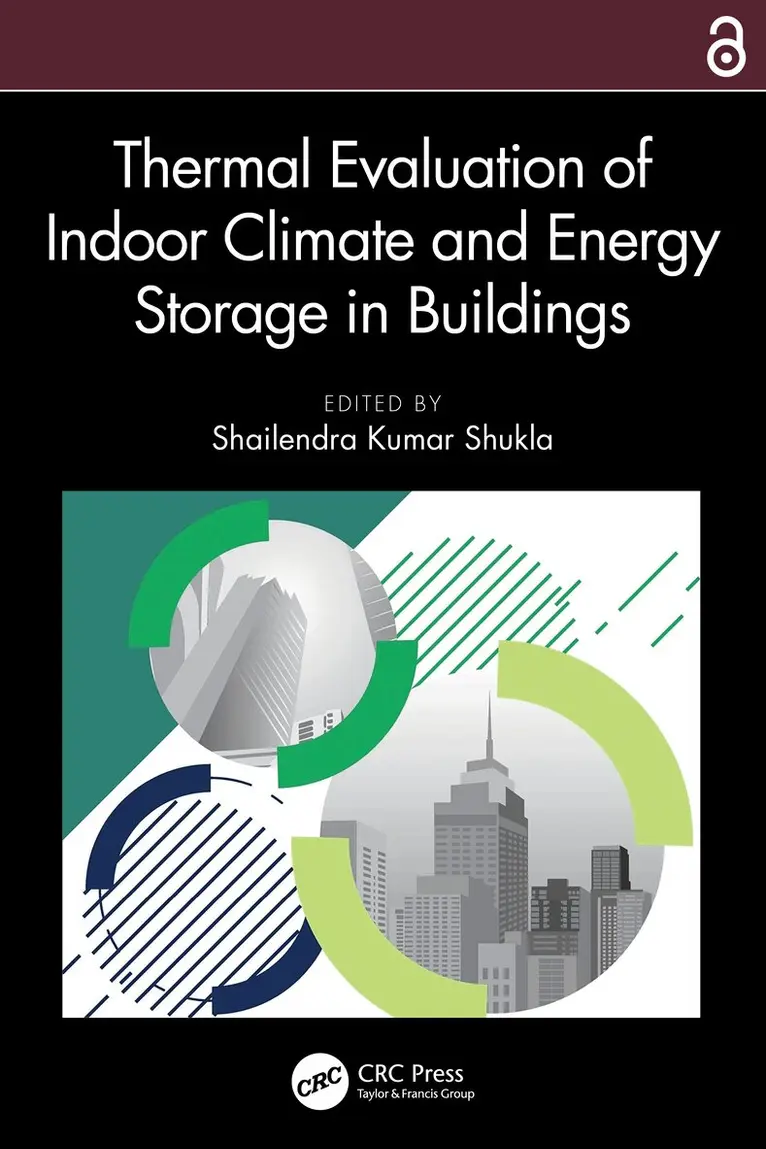
There is a need to reduce energy consumption for space cooling and heating via energy efficient solutions/technologies for implementation in the buildings. Thermal energy storage regulates indoor temperature, shifting the peak load to the off-peak hours and reducing the energy need for space cooling and heating. This book presents the most recent advances related to the thermal energy storage system design and integration in buildings. Additionally, modelling, application, synthetization, and characterization of energy efficient building materials are also considered.Features: Provides a deep understanding of thermal energy storage technology and summarizes its utility and feasibility that can be commercially implemented worldwideCovers recent advancements related to thermal energy storage system design and integration in buildingsDiscusses modelling, application, synthetization, and characterization of energy-efficient building materialsDetails novel and emerging heat storage materials and their application to energy and environmental processesHighlights the need for future research on building comfort in cooling, heating, and ventilation through a green energy perspectiveThis book is aimed at researchers and graduate students in mechanical, renewable energy, and HVAC engineering.
753 kr
Skickas inom 10-15 vardagar
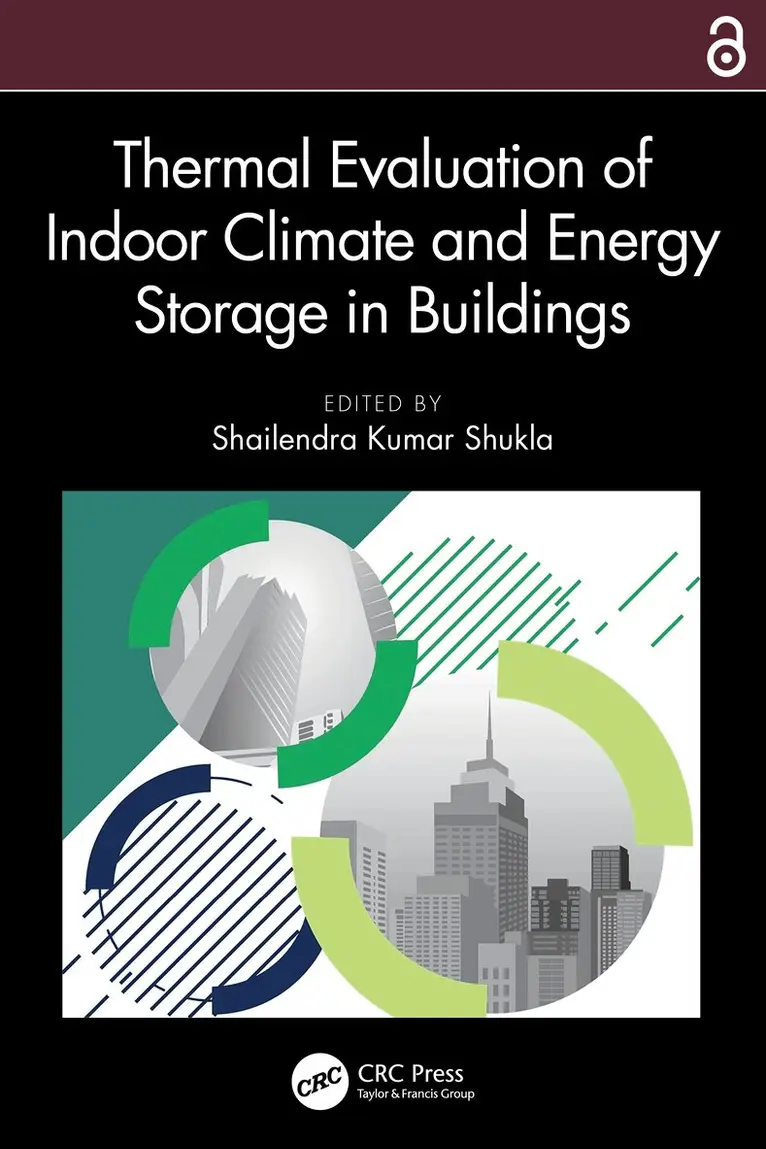
There is a need to reduce energy consumption for space cooling and heating via energy efficient solutions/technologies for implementation in the buildings. Thermal energy storage regulates indoor temperature, shifting the peak load to the off-peak hours and reducing the energy need for space cooling and heating. This book presents the most recent advances related to the thermal energy storage system design and integration in buildings. Additionally, modelling, application, synthetization, and characterization of energy efficient building materials are also considered.Features: Provides a deep understanding of thermal energy storage technology and summarizes its utility and feasibility that can be commercially implemented worldwideCovers recent advancements related to thermal energy storage system design and integration in buildingsDiscusses modelling, application, synthetization, and characterization of energy-efficient building materialsDetails novel and emerging heat storage materials and their application to energy and environmental processesHighlights the need for future research on building comfort in cooling, heating, and ventilation through a green energy perspectiveThis book is aimed at researchers and graduate students in mechanical, renewable energy, and HVAC engineering.