Shane Epting - Böcker
Visar alla böcker från författaren Shane Epting. Handla med fri frakt och snabb leverans.
9 produkter
9 produkter
1 808 kr
Skickas
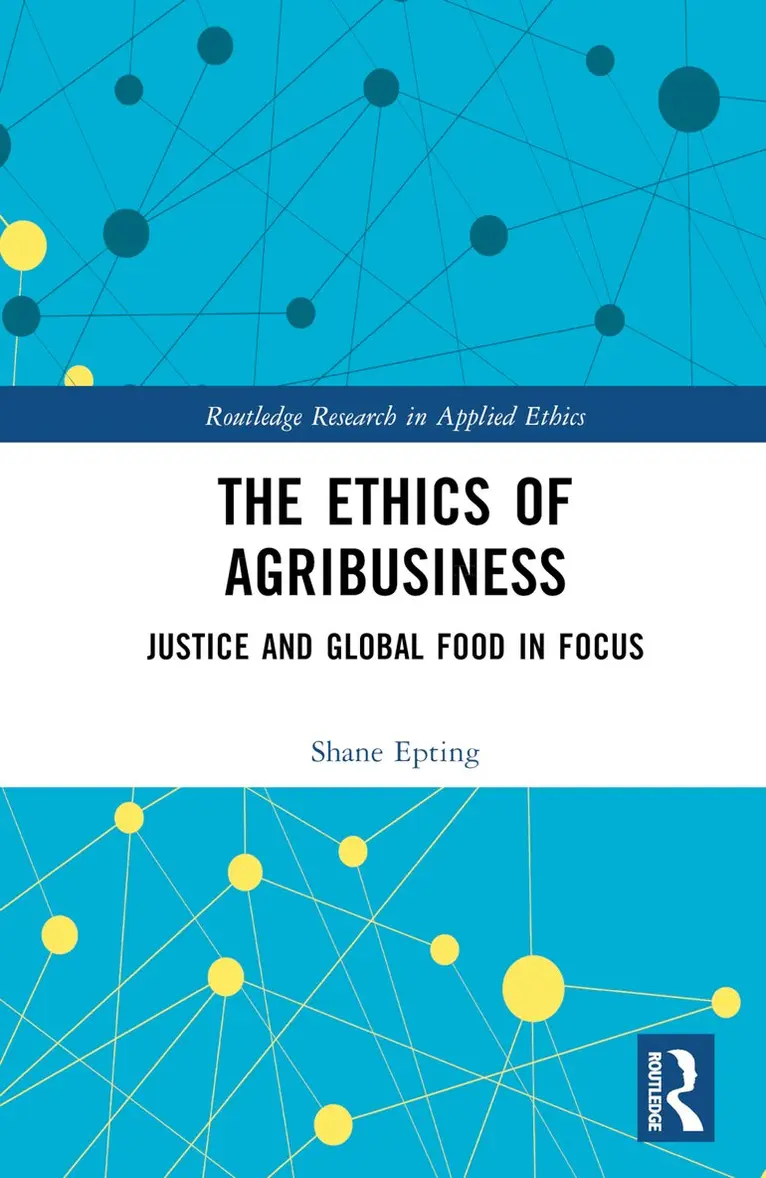
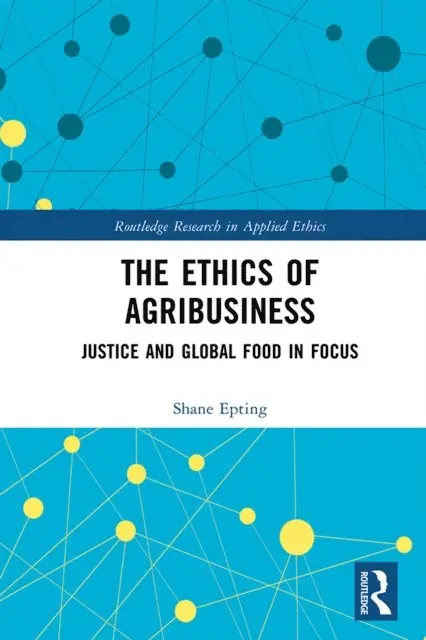
This book offers an original perspective on food supply chains. It argues that the ability to trade food on a global scale could be intrinsically good aside from any instrumental value that people gain from it.While the author’s argument seems to counter wholesale anti-agribusiness views, it is consistent with the larger goals of food-justice movements. The author examines the structures of food supply chains, revealing the kinds of harm they help produce. They include slavery, abusive labor, geopolitical exploitation, ecological degradation, and public health impacts. Although the book argues that food supply chains can be collectively beneficial, eliminating their immoral features must hold steady as a continuous enterprise. Securing this outcome means that we go beyond critique. The final chapter advocates for the sustainable food label to address issues of food justice and food sovereignty.The Ethics of Agribusiness will interest researchers and advanced students working in food ethics, environmental ethics, and agricultural ethics.
563 kr
Skickas inom 10-15 vardagar
This book offers an original perspective on food supply chains. It argues that the ability to trade food on a global scale could be intrinsically good aside from any instrumental value that people gain from it.While the author’s argument seems to counter wholesale anti-agribusiness views, it is consistent with the larger goals of food-justice movements. The author examines the structures of food supply chains, revealing the kinds of harm they help produce. They include slavery, abusive labor, geopolitical exploitation, ecological degradation, and public health impacts. Although the book argues that food supply chains can be collectively beneficial, eliminating their immoral features must hold steady as a continuous enterprise. Securing this outcome means that we go beyond critique. The final chapter advocates for the sustainable food label to address issues of food justice and food sovereignty.The Ethics of Agribusiness will interest researchers and advanced students working in food ethics, environmental ethics, and agricultural ethics.
1 886 kr
Skickas inom 10-15 vardagar
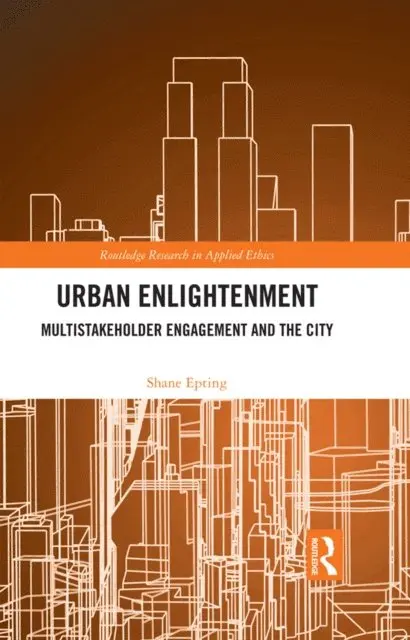
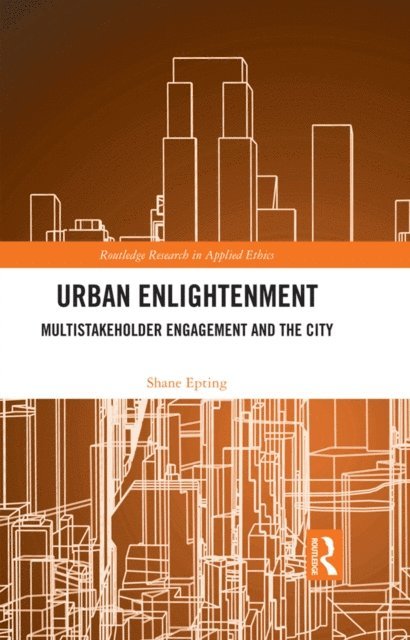
This book applies the concept of moral ordering to urban affairs. It demonstrates how multi-stakeholder engagement can enhance the quality of city life while supporting ambitions such as ethical urban sustainability and human flourishing. While there is a history of philosophers viewing cities as technologies, cities’ encompassing nature inherently limits them. Urban sustainability matters often affect marginalized and vulnerable people, the public, nonhuman species, future generations, and urban artifacts. Problems can arise when stakeholders’ interests and needs appear at odds. The author argues in favor of the concept of moral ordering, a process designed to address issues involving different stakeholder groups such as municipal officials and residents. By employing moral ordering, a view comes into focus, revealing that the attention that each group receives reflects their place in the process, providing the necessary degree of moral respect. Finally, the author shows how moral ordering can lead to urban enlightenment. He examines real-world applications of moral ordering, such as New York City’s Participatory Budgeting Project, to make the case that municipalities can begin to bolster municipal-community relations in ways that promote urban enlightenment. Urban Enlightenment will appeal to researchers and advanced students working in philosophy of the city, applied ethics, philosophy of technology, urban planning, environmental studies, and political science.
576 kr
Skickas inom 10-15 vardagar
This book applies the concept of moral ordering to urban affairs. It demonstrates how multi-stakeholder engagement can enhance the quality of city life while supporting ambitions such as ethical urban sustainability and human flourishing. While there is a history of philosophers viewing cities as technologies, cities’ encompassing nature inherently limits them. Urban sustainability matters often affect marginalized and vulnerable people, the public, nonhuman species, future generations, and urban artifacts. Problems can arise when stakeholders’ interests and needs appear at odds. The author argues in favor of the concept of moral ordering, a process designed to address issues involving different stakeholder groups such as municipal officials and residents. By employing moral ordering, a view comes into focus, revealing that the attention that each group receives reflects their place in the process, providing the necessary degree of moral respect. Finally, the author shows how moral ordering can lead to urban enlightenment. He examines real-world applications of moral ordering, such as New York City’s Participatory Budgeting Project, to make the case that municipalities can begin to bolster municipal-community relations in ways that promote urban enlightenment. Urban Enlightenment will appeal to researchers and advanced students working in philosophy of the city, applied ethics, philosophy of technology, urban planning, environmental studies, and political science.
2 088 kr
Skickas inom 10-15 vardagar
This book will benefit readers by revealing how urban existence is a multifaceted affair that, once examined, will forever change the way they think about their place in the city and what it means to live in one.Engaging in urban existentialism requires interrogating the idea of “The City,” delving into the facets of its conception. The lights, sounds, exquisite buildings, art, culture, and, most importantly, the endless possibilities entice people. They are where your wildest dreams of love, success, and happiness can come true. Yet, reality can stymie those aspirations. However, if you can make it there, you can make it anywhere. The reason is that many urban places, as hypercompetitive networks of socio-material arrangements, test you at every turn. They mold urban dwellers into adaptable beings who can survive the torment of traffic, bad weather, displeasing persons, and grueling work—all before lunch. Despite such complexity, what we want is probably simple: people to love, to be loved, a safe place to call home, good food, acceptance of oneself, and the ability to pursue a fulfilling existence through work and recreation. Like cities, nothing is that simple. Examining the built environment reveals competing interests between several stakeholder groups, and how each person relates to others remains at the center of such an enterprise. Questioning one’s place among others is at the heart of this book, and it can help you find meaning in the metropolis.Meaning in the Metropolis will interest philosophers, graduate students, maverick urban planners, and city lovers looking for meaning in the places they call home.
563 kr
Skickas inom 10-15 vardagar
This book will benefit readers by revealing how urban existence is a multifaceted affair that, once examined, will forever change the way they think about their place in the city and what it means to live in one.Engaging in urban existentialism requires interrogating the idea of “The City,” delving into the facets of its conception. The lights, sounds, exquisite buildings, art, culture, and, most importantly, the endless possibilities entice people. They are where your wildest dreams of love, success, and happiness can come true. Yet, reality can stymie those aspirations. However, if you can make it there, you can make it anywhere. The reason is that many urban places, as hypercompetitive networks of socio-material arrangements, test you at every turn. They mold urban dwellers into adaptable beings who can survive the torment of traffic, bad weather, displeasing persons, and grueling work—all before lunch. Despite such complexity, what we want is probably simple: people to love, to be loved, a safe place to call home, good food, acceptance of oneself, and the ability to pursue a fulfilling existence through work and recreation. Like cities, nothing is that simple. Examining the built environment reveals competing interests between several stakeholder groups, and how each person relates to others remains at the center of such an enterprise. Questioning one’s place among others is at the heart of this book, and it can help you find meaning in the metropolis.Meaning in the Metropolis will interest philosophers, graduate students, maverick urban planners, and city lovers looking for meaning in the places they call home.
2 088 kr
Skickas inom 10-15 vardagar
This book fleshes out the idea that everything about the city involves a fight for the good life. From how we conceptualize it to its streets and the fiber-optic cables beneath them, nothing is excluded from creating the cities we want to call home.In turn, this book continues Shane Epting’s ideas developed in Urban Enlightenment and Meaning in the Metropolis. It begins with an examination of how scholars define the term “city.” He argues that while cities are often described as ecosystems or technologies, these views should be abandoned in most cases. Instead, Epting maintains that cities are groups of people capable of shaping the built environment and its supporting technologies, united by the goal of creating places where people can live their best lives. This is the fight for the city. That fight involves many elements vital to city living, such as streets, land use, historic preservation, and preparation for extreme weather. He argues that fighting for the city is not merely about control. Rather, its purpose is to create environments that foster human flourishing while safeguarding communities against disaster.Creating Future Cities will be essential reading for scholars and advanced students in philosophy, urban studies, and architecture.
1 209 kr
Skickas inom 10-15 vardagar
Cities’ transportation systems affect people, nonhuman life, urban artifacts, and could impact future generations, increasing tensions through what appear to be conflicting interests at times. Ethically addressing these concerns requires dealing with the problem of moral prioritization. Shane Epting illustrates how “moral ordering” benefits this issue. Examining these matters provides conceptual advantages for thinking through the ethical dimensions of urban mobility in an everchanging world. Along with these insights, this book reveals how exploring transportation philosophically deepens our understanding of what it means to move about the city.
641 kr
Skickas inom 10-15 vardagar
This book makes the case that several urban technologies contribute to wicked problems such as climate change and vast social and economic inequalities. These conditions force us to expand the taxonomy of technology to include new designations: “wicked” and “saving” technologies.