Shannon C. Stimson – författare
Visar alla böcker från författaren Shannon C. Stimson. Handla med fri frakt och snabb leverans.
12 produkter
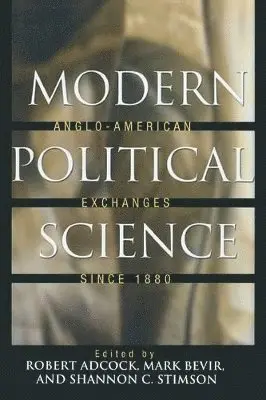
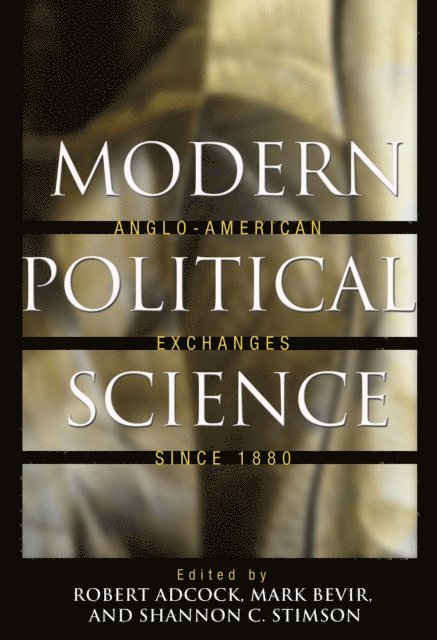
Modern Political Science
Anglo-American Exchanges since 1880
Av Robert Adcock, Mark Bevir m. fl.
Häftad, 2007
444 kr
Lägg i varukorg
Since emerging in the late nineteenth century, political science has undergone a radical shift--from constructing grand narratives of national political development to producing empirical studies of individual political phenomena. What caused this change? Modern Political Science--the first …
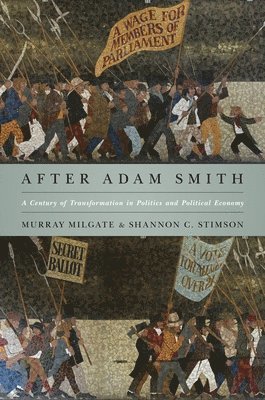
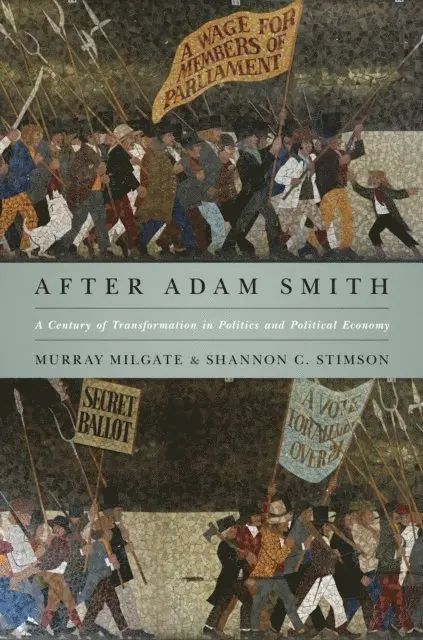
After Adam Smith
A Century of Transformation in Politics and Political Economy
Av Murray Milgate, Shannon C. Stimson
Häftad, 2011
348 kr
Lägg i varukorg
Few issues are more central to our present predicaments than the relationship between economics and politics. In the century after Adam Smith's Wealth of Nations the British economy was transformed. After Adam Smith looks at how politics and political economy were articulated and altered. It …
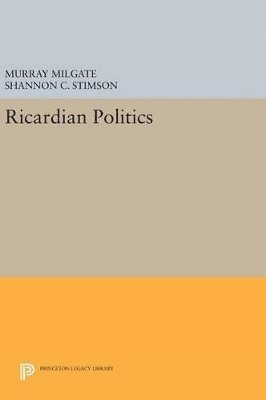
Ricardian Politics
Av Murray Milgate, Shannon C. Stimson
Häftad, 2014
678 kr
Lägg i varukorg
Few deny that the work of economists has often embodied or stimulated significant contributions to political thought. Smith, Keynes, Hayek, and Friedman are good examples. However, the work of the great classical economist David Ricardo is not usually placed in such company. Despite Ricardo's …
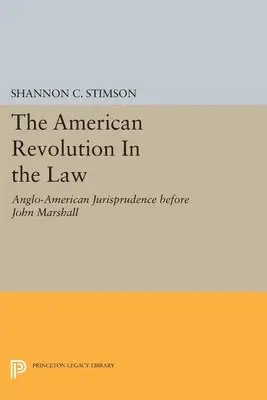
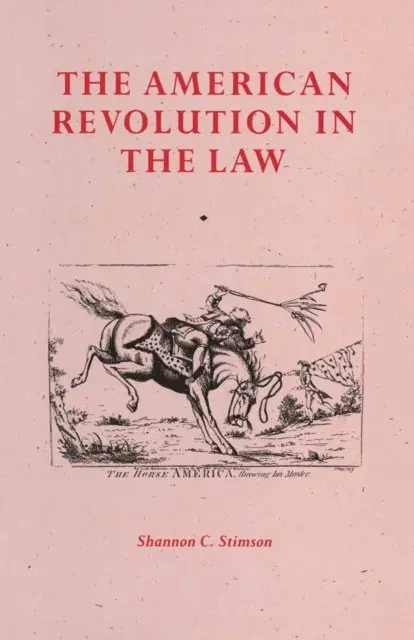
The American Revolution In the Law
Anglo-American Jurisprudence before John Marshall
Häftad, 2014
431 kr
Lägg i varukorg
Ricardian Politics
Av Murray Milgate, Shannon C. Stimson
Inbunden, 2016
1479 kr
Lägg i varukorg
Few deny that the work of economists has often embodied or stimulated significant contributions to political thought. Smith, Keynes, Hayek, and Friedman are good examples. However, the work of the great classical economist David Ricardo is not usually placed in such company. Despite Ricardo's …
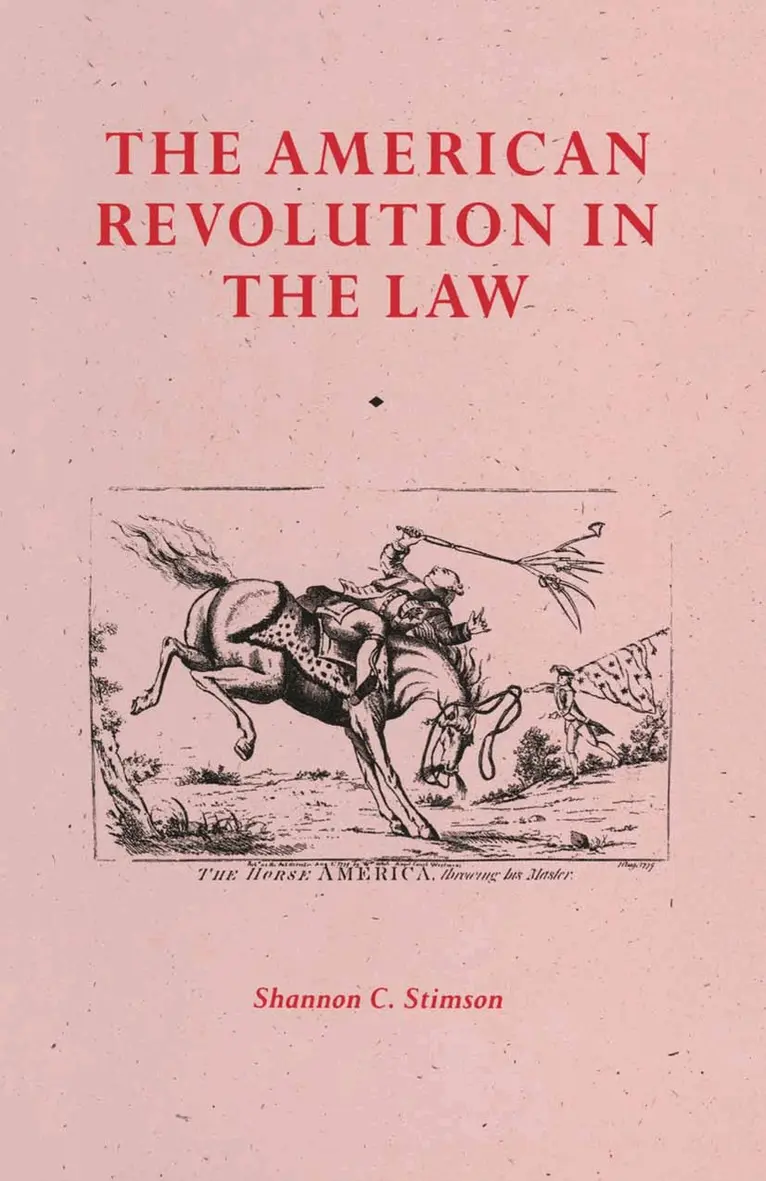
The American Revolution in the Law: Anglo-American Jurisprudence Before John Marshall
Inbunden, 2016
1688 kr
Lägg i varukorg
American Revolution In The Law
Anglo-American Jurisprudence before John Marshall
E-bok, 1990
803 kr
Lägg i varukorg
This study of the political and legal thought of the American Revolution and founding period explores the differences in the perceptions of judicial and jural power that characterized the conditions of law in late 18th century America, as compared to her British counterparts.
American Revolution In The Law
Anglo-American Jurisprudence before John Marshall
Häftad, 1990
568 kr
Lägg i varukorg
This study of the political and legal thought of the American Revolution and founding period explores the differences in the perceptions of judicial and jural power that characterized the conditions of law in late 18th century America, as compared to her British counterparts.
Modern Political Science
Anglo-American Exchanges since 1880
Av Shannon C. Stimson, Mark Bevir m. fl.
E-bok, 2009
599 kr
Lägg i varukorg
Since emerging in the late nineteenth century, political science has undergone a radical shift--from constructing grand narratives of national political development to producing empirical studies of individual political phenomena. What caused this change? Modern Political Science --the first …
After Adam Smith
A Century of Transformation in Politics and Political Economy
Av Shannon C. Stimson, Murray Milgate
E-bok, 2011
460 kr
Lägg i varukorg
How writers after Adam Smith helped shape our thinking about economics and politics Few issues are more central to our present predicaments than the relationship between economics and politics. In the century after Adam Smith''s Wealth of Nations the British economy was transformed. After Adam …
Ricardian Politics
Av Shannon C. Stimson, Murray Milgate
E-bok, 2014
514 kr
Lägg i varukorg
Few deny that the work of economists has often embodied or stimulated significant contributions to political thought. Smith, Keynes, Hayek, and Friedman are good examples. However, the work of the great classical economist David Ricardo is not usually placed in such company. Despite Ricardo's …
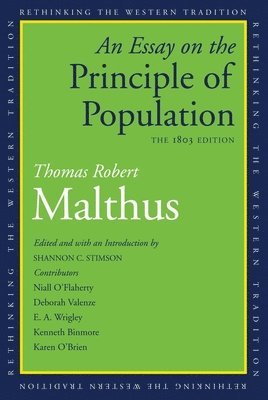
Essay on the Principle of Population
The 1803 Edition
Av Thomas Robert Malthus, Shannon C. Stimson
Häftad, 2018
197 kr
Tillfälligt slut
Malthus’s Essay on the Principle of Population remains one of the most influential works of political economy ever written. Most widely circulated in its initial 1798 version, this is the first publication of his benchmark 1803 edition since 1989. Introduced by editor Shannon C. Stimson, this …