Shari Spiegel – författare
Visar alla böcker från författaren Shari Spiegel. Handla med fri frakt och snabb leverans.
8 produkter
8 produkter
E-bok
PDF, Engelska, 2006409 kr
Läs direkt efter köp
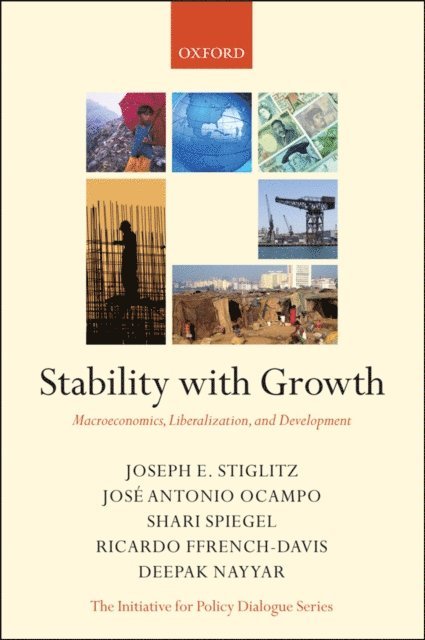
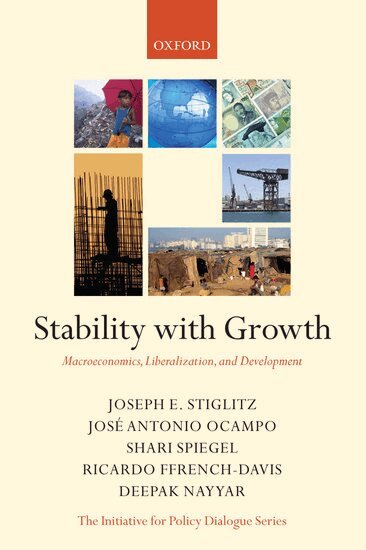
There is growing dissatisfaction with the economic policies advocated by the IMF and other international financial institutions - policies that have often resulted in stagnating growth, crises, and recessions for client countries. This book presents an alternative to "Washington Consensus" neo-liberal economic policies by showing that both macro-economic and liberalization policy must be sensitive to the particular circumstances of developing countries.One-size-fits-all policy prescriptions are likely to fail given the vast differences between countries. This book discusses how alternative approaches to economic policy can better serve developing countries both in ordinary times and in times of crisis.
E-bok
PDF, Engelska, 2010397 kr
Läs direkt efter köp
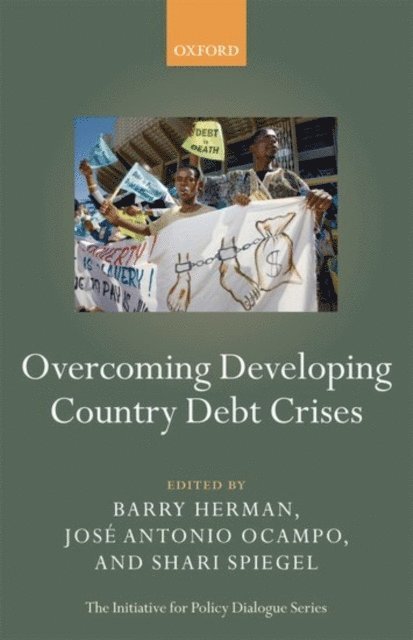
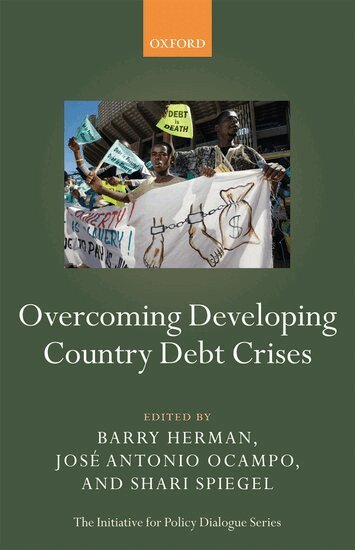
Developing country debt crises have been a recurrent phenomenon over the past two centuries. In recent times sovereign debt insolvency crises in developing and emerging economies peaked in the 1980s and, again, from the middle 1990s to the start of the new millennium. Despite the fact that several developing countries now have stronger economic fundamentals than they did in the 1990s, sovereign debt crises will reoccur again. The reasons for this are numerous, butthe central one is that economic fluctuations are inherent features of financial markets, the boom and bust nature of which intensify under liberalized financial environments that developing countries have increasingly adopted since the 1970s. Indeed, today we are in the midst of an almostunprecedented global "bust."The timing of the book is important. The conventional wisdom is that the international economic and financial system is broken. Policymakers in both the poorest and the richest countries are likely to seriously consider how to restructure the international trade and financial system, including how to resolve sovereign debt crises in a more effective and fair manner.This book calls for the international reform of sovereign debt workouts which derives from both economic theory and real-world experiences. Country case studies underline the point that we need to do better. This book recognizes that the politics of the international treatment of sovereign debt have not supported systemic reform efforts thus far; however, failure in the past does not preclude success in the future in an evolving international political environment, and the book thus puts forthalternative reform ideas for consideration.
E-bok
Engelska, 2010393 kr
Läs direkt efter köp
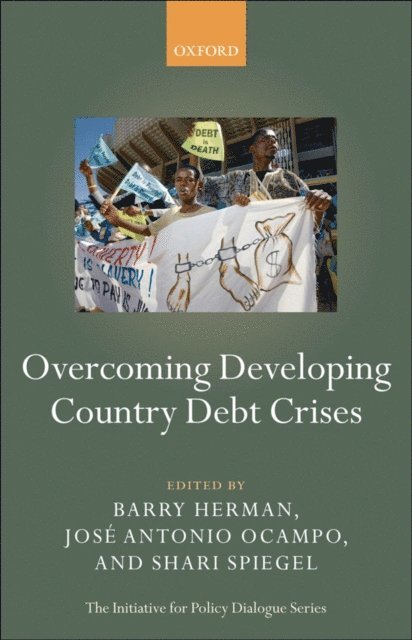
Developing country debt crises have been a recurrent phenomenon over the past two centuries. In recent times sovereign debt insolvency crises in developing and emerging economies peaked in the 1980s and, again, from the middle 1990s to the start of the new millennium. Despite the fact that several developing countries now have stronger economic fundamentals than they did in the 1990s, sovereign debt crises will reoccur again. The reasons for this are numerous, butthe central one is that economic fluctuations are inherent features of financial markets, the boom and bust nature of which intensify under liberalized financial environments that developing countries have increasingly adopted since the 1970s. Indeed, today we are in the midst of an almostunprecedented global "bust."The timing of the book is important. The conventional wisdom is that the international economic and financial system is broken. Policymakers in both the poorest and the richest countries are likely to seriously consider how to restructure the international trade and financial system, including how to resolve sovereign debt crises in a more effective and fair manner.This book calls for the international reform of sovereign debt workouts which derives from both economic theory and real-world experiences. Country case studies underline the point that we need to do better. This book recognizes that the politics of the international treatment of sovereign debt have not supported systemic reform efforts thus far; however, failure in the past does not preclude success in the future in an evolving international political environment, and the book thus puts forthalternative reform ideas for consideration.
E-bok
Engelska, 2006460 kr
Läs direkt efter köp
There is growing dissatisfaction with the economic policies advocated by the IMF and other international financial institutions - policies that have often resulted in stagnating growth, crises, and recessions for client countries. This book presents an alternative to "Washington Consensus" neo-liberal economic policies by showing that both macro-economic and liberalization policy must be sensitive to the particular circumstances of developing countries.One-size-fits-all policy prescriptions are likely to fail given the vast differences between countries. This book discusses how alternative approaches to economic policy can better serve developing countries both in ordinary times and in times of crisis.
Häftad, Engelska, 2006
678 kr
Skickas inom 5-8 vardagar
There is growing dissatisfaction with the economic policies advocated by the IMF and other international financial institutions - policies that have often resulted in stagnating growth, crises, and recessions for client countries. This book presents an alternative to "Washington Consensus" neo-liberal economic policies by showing that both macro-economic and liberalization policy must be sensitive to the particular circumstances of developing countries. One-size-fits-all policy prescriptions are likely to fail given the vast differences between countries. This book discusses how alternative approaches to economic policy can better serve developing countries both in ordinary times and in times of crisis.
Inbunden, Engelska, 2010
1 237 kr
Skickas inom 3-6 vardagar
Developing country debt crises have been a recurrent phenomenon over the past two centuries. In recent times sovereign debt insolvency crises in developing and emerging economies peaked in the 1980s and, again, from the middle 1990s to the start of the new millennium. Despite the fact that several developing countries now have stronger economic fundamentals than they did in the 1990s, sovereign debt crises will reoccur again. The reasons for this are numerous, but the central one is that economic fluctuations are inherent features of financial markets, the boom and bust nature of which intensify under liberalized financial environments that developing countries have increasingly adopted since the 1970s. Indeed, today we are in the midst of an almost unprecedented global "bust."The timing of the book is important. The conventional wisdom is that the international economic and financial system is broken. Policymakers in both the poorest and the richest countries are likely to seriously consider how to restructure the international trade and financial system, including how to resolve sovereign debt crises in a more effective and fair manner. This book calls for the international reform of sovereign debt workouts which derives from both economic theory and real-world experiences. Country case studies underline the point that we need to do better. This book recognizes that the politics of the international treatment of sovereign debt have not supported systemic reform efforts thus far; however, failure in the past does not preclude success in the future in an evolving international political environment, and the book thus puts forth alternative reform ideas for consideration.
Häftad, Engelska, 2010
829 kr
Skickas inom 5-8 vardagar
Developing country debt crises have been a recurrent phenomenon over the past two centuries. In recent times sovereign debt insolvency crises in developing and emerging economies peaked in the 1980s and, again, from the middle 1990s to the start of the new millennium. Despite the fact that several developing countries now have stronger economic fundamentals than they did in the 1990s, sovereign debt crises will reoccur again. The reasons for this are numerous, but the central one is that economic fluctuations are inherent features of financial markets, the boom and bust nature of which intensify under liberalized financial environments that developing countries have increasingly adopted since the 1970s. Indeed, today we are in the midst of an almost unprecedented global "bust."The timing of the book is important. The conventional wisdom is that the international economic and financial system is broken. Policymakers in both the poorest and the richest countries are likely to seriously consider how to restructure the international trade and financial system, including how to resolve sovereign debt crises in a more effective and fair manner. This book calls for the international reform of sovereign debt workouts which derives from both economic theory and real-world experiences. Country case studies underline the point that we need to do better. This book recognizes that the politics of the international treatment of sovereign debt have not supported systemic reform efforts thus far; however, failure in the past does not preclude success in the future in an evolving international political environment, and the book thus puts forth alternative reform ideas for consideration.
Inbunden, Engelska, 2006
1 821 kr
Tillfälligt slut
There is growing dissatisfaction with the economic policies advocated by the IMF and other international financial institutions - policies that have often resulted in stagnating growth, crises, and recessions for client countries. This book presents an alternative to "Washington Consensus" neo-liberal economic policies by showing that both macro-economic and liberalization policy must be sensitive to the particular circumstances of developing countries. One-size-fits-all policy prescriptions are likely to fail given the vast differences between countries. This book discusses how alternative approaches to economic policy can better serve developing countries both in ordinary times and in times of crisis. Written by the leading names in the field, this book introduces the issues and the objectives of macroeconomic policy from various perspectives. It also presents an analysis of macroeconomic models and policy perspectives on stabilization and capital markets liberalization from conservative, Keynesian, and heterodox perspectives.