Sharit K. Bhowmik – författare
Visar alla böcker från författaren Sharit K. Bhowmik. Handla med fri frakt och snabb leverans.
8 produkter
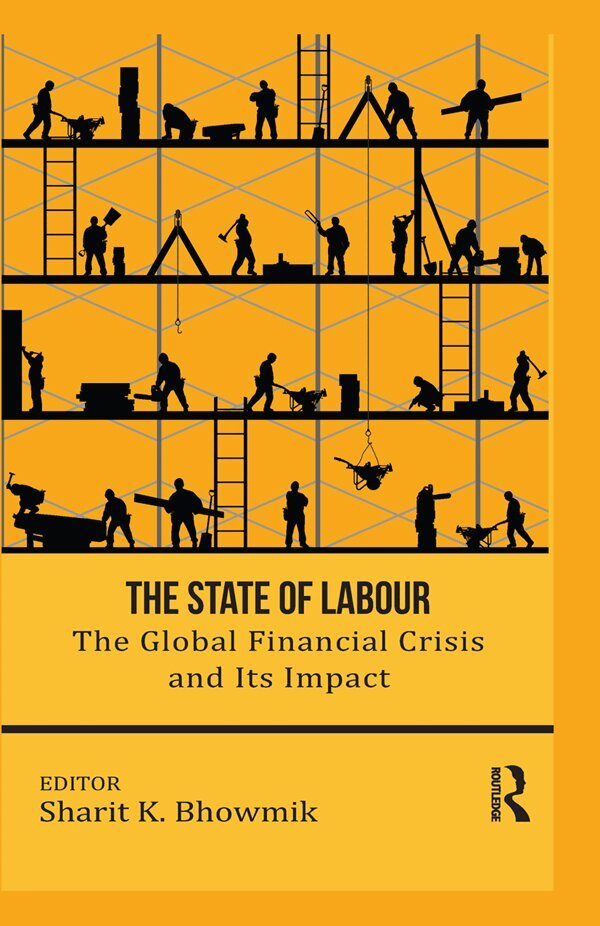
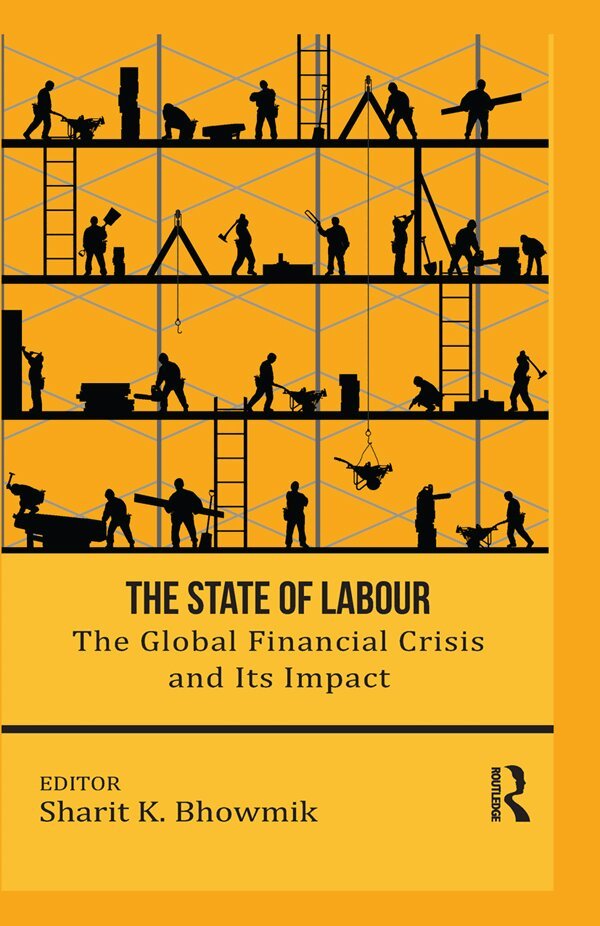
State of Labour
The Global Financial Crisis and its Impact
Inbunden, 2013
1517 kr
Lägg i varukorg
This book analyzes the adverse effects of globalization and liberalization — acutely manifest in the increased financialization of capital and the concomitant global financial crisis of 2008–09 — on the labour force, especially in the developing countries. Drawing upon case studies from several …
State of Labour
The Global Financial Crisis and its Impact
Häftad, 2016
576 kr
Lägg i varukorg
This book analyzes the adverse effects of globalization and liberalization — acutely manifest in the increased financialization of capital and the concomitant global financial crisis of 2008–09 — on the labour force, especially in the developing countries. Drawing upon case studies from several …
State of Labour
The Global Financial Crisis and its Impact
E-bok, 2014
676 kr
Lägg i varukorg
This book analyzes the adverse effects of globalization and liberalization — acutely manifest in the increased financialization of capital and the concomitant global financial crisis of 2008–09 — on the labour force, especially in the developing countries. Drawing upon case studies from several …
State of Labour
The Global Financial Crisis and its Impact
E-bok, 2014
661 kr
Lägg i varukorg
This book analyzes the adverse effects of globalization and liberalization — acutely manifest in the increased financialization of capital and the concomitant global financial crisis of 2008–09 — on the labour force, especially in the developing countries. Drawing upon case studies from several …
Industry, Labour and Society
Häftad, 2024
398 kr
Lägg i varukorg
The author looks at how the lowering of trade barriers and the move towards liberalisation, privatisation and outsourcing, have affected the working class. He shows how providing labour rights can be a more effective way of ensuring productivity. In this context, he examines the notion of ‘Decent …
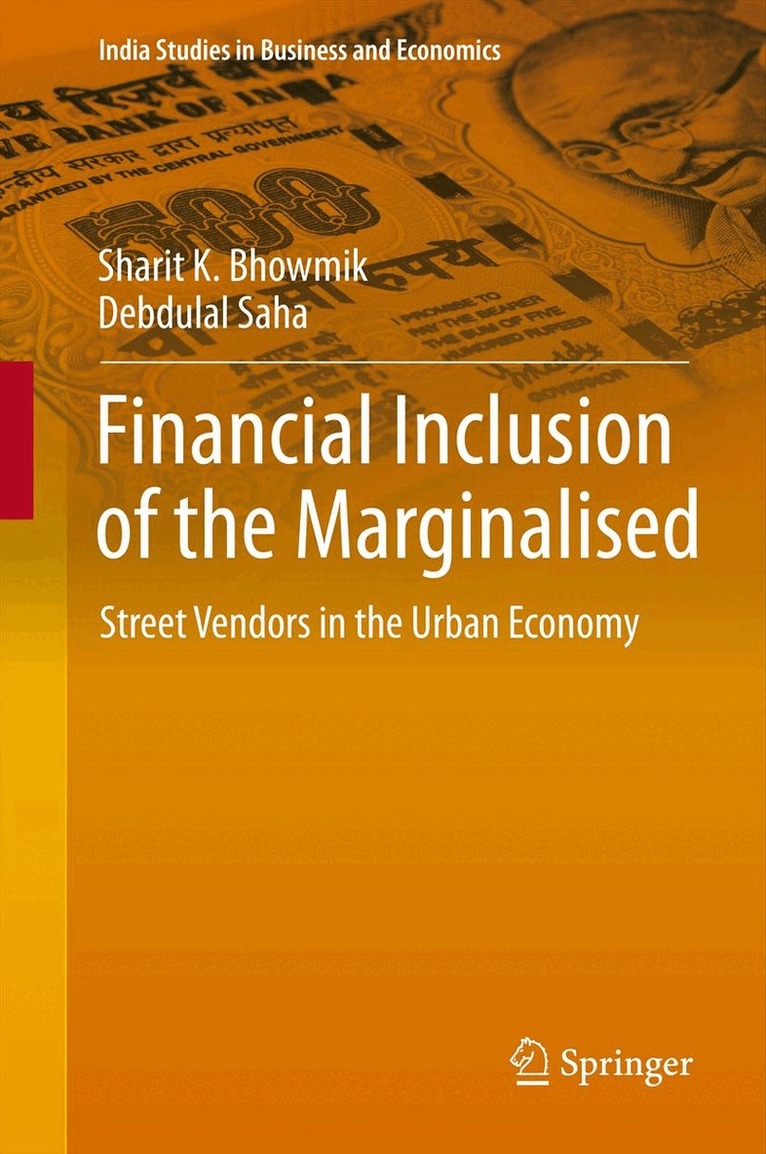
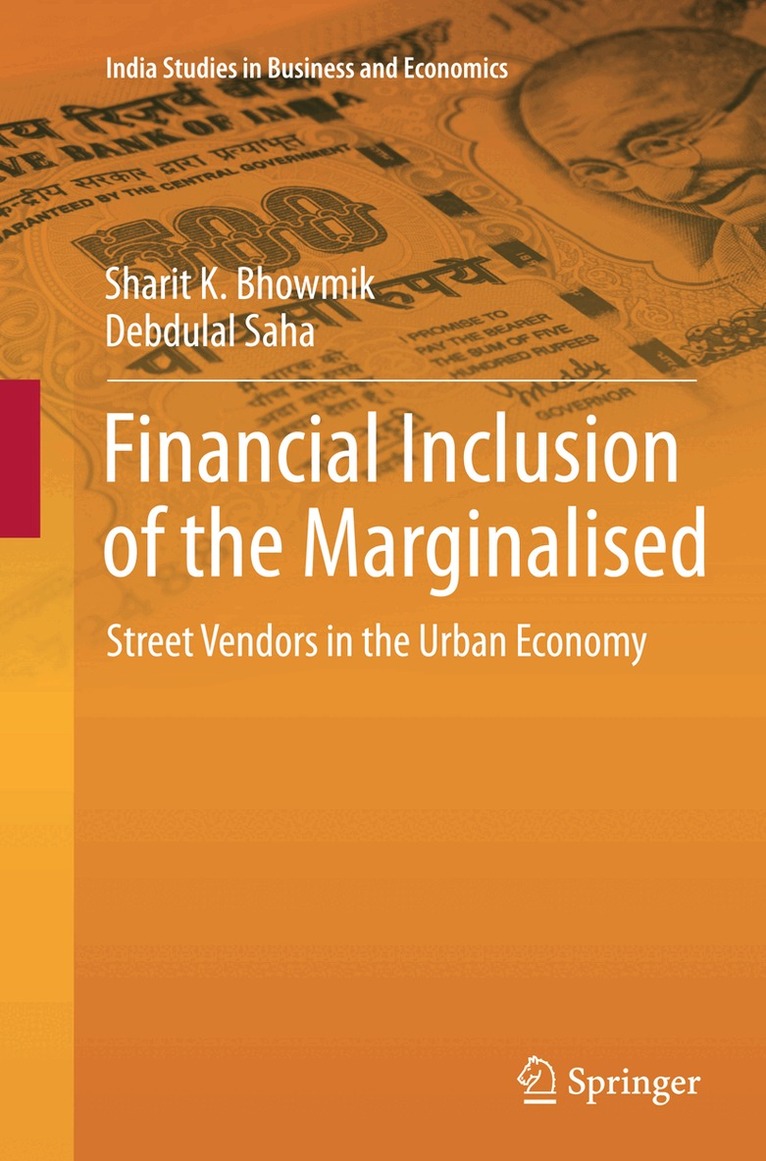
Financial Inclusion of the Marginalised
Street Vendors in the Urban Economy
Av Sharit K. Bhowmik, Debdulal Saha
Inbunden, 2013
1131 kr
Lägg i varukorg
This book is the product of a study conducted by the Tata Institute of Social Sciences (TISS) in collaboration with the United Nations Development Programme (UNDP) and Ministry of Urban Housing and Poverty Alleviation (MoHUPA). Its objective is to highlight some of the problems faced by street …
Financial Inclusion of the Marginalised
Street Vendors in the Urban Economy
Av Debdulal Saha, Sharit K. Bhowmik
E-bok, 2013
1502 kr
Lägg i varukorg
This book is the product of a study conducted by the Tata Institute of Social Sciences (TISS) in collaboration with the United Nations Development Programme (UNDP) and Ministry of Urban Housing and Poverty Alleviation (MoHUPA). Its objective is to highlight some of the problems faced by street …
Financial Inclusion of the Marginalised
Street Vendors in the Urban Economy
Av Sharit K. Bhowmik, Debdulal Saha
Häftad, 2015
1131 kr
Lägg i varukorg
This book is the product of a study conducted by the Tata Institute of Social Sciences (TISS) in collaboration with the United Nations Development Programme (UNDP) and Ministry of Urban Housing and Poverty Alleviation (MoHUPA). Its objective is to highlight some of the problems faced by street …