Sharmila Purkayastha – författare
Visar alla böcker från författaren Sharmila Purkayastha. Handla med fri frakt och snabb leverans.
5 produkter
5 produkter
Inbunden, Engelska, 2023
1 204 kr
Skickas inom 7-10 vardagar
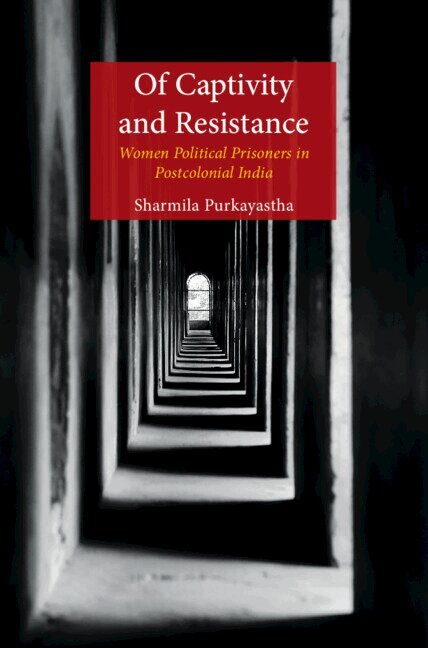
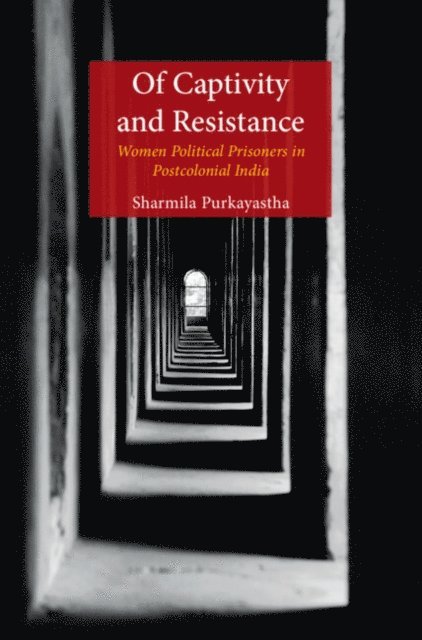
Of Captivity and Resistance offers a historical and political study of women's experiences of dissent and detention in postcolonial India. Primarily focusing on the Naxalite movement (1967-75) and on the pan-Indian period of Emergency (1975-77), the study traces women's political participation in revolutionary movements and in dissident politics, and attends to their experiences of torture and incarceration. Simultaneously, by drawing on the varied histories of women's incarceration before and after the 'long seventies', the book provides an expanded terrain for evaluating the gendered dimensions of radical politics and of testimonial literature on carcerality, state violence and impunity. The analysis focuses on women's transformation from marginal political participants to resistant detainees. By studying the linkages between radical politics, captivity and resistance, the book offers a widened account of women's political participation, contributes to contemporary debates on political incarceration and strengthens the resistant history of rights and of dissenting literature in India and in the Global South.
E-bok
PDF, Engelska, 20231 371 kr
Läs direkt efter köp
Inbunden, Engelska, 2019
1 447 kr
Skickas inom 10-15 vardagar
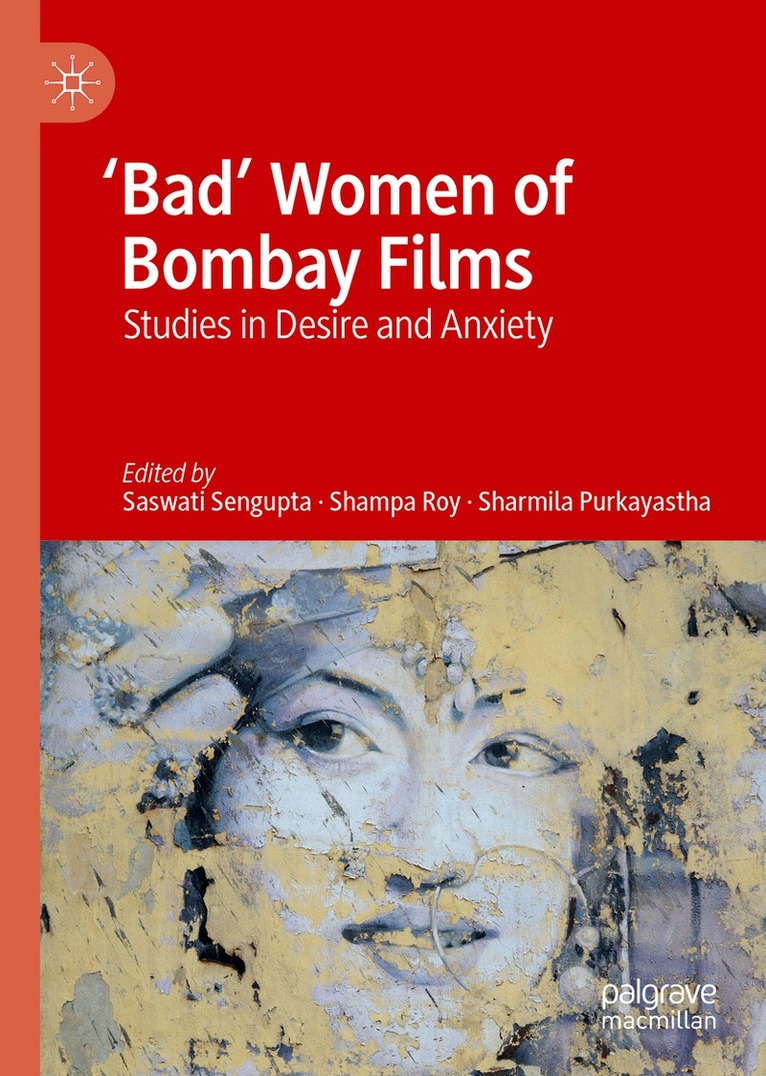
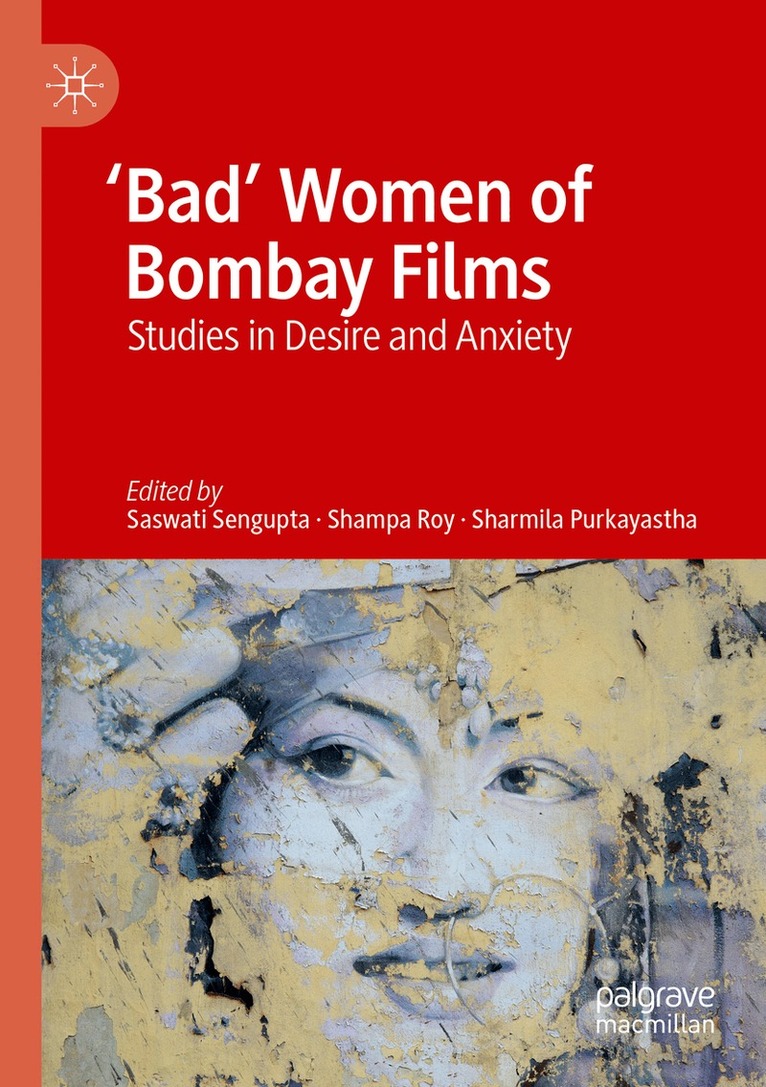
This book presents a feminist mapping of the articulation and suppression of female desire in Hindi films, which comprise one of modern India’s most popular cultural narratives. It explores the lineament of evil and the corresponding closure of chastisement or domesticity that appear as necessary conditions for the representation of subversive female desire. The term ‘bad’ is used heuristically, and not as a moral or essential category, to examine some of the iconic disruptive women of Hindi cinema and to uncover the nexus between patriarchy and other hierarchies, such as class, caste and religion in these representations. The twenty-one essays examine the politics of female desire/s from the 1930s to the present day - both through in-depth analyses of single films and by tracing the typologies in multiple films. The essays are divided into five sections indicating the various gendered desires and rebellions that patriarchal society seeks to police, silence and domesticate.
E-bok
Engelska, 20191 785 kr
Läs direkt efter köp
This book presents a feminist mapping of the articulation and suppression of female desire in Hindi films, which comprise one of modern India’s most popular cultural narratives. It explores the lineament of evil and the corresponding closure of chastisement or domesticity that appear as necessary conditions for the representation of subversive female desire. The term ‘bad’ is used heuristically, and not as a moral or essential category, to examine some of the iconic disruptive women of Hindi cinema and to uncover the nexus between patriarchy and other hierarchies, such as class, caste and religion in these representations. The twenty-one essays examine the politics of female desire/s from the 1930s to the present day - both through in-depth analyses of single films and by tracing the typologies in multiple films. The essays are divided into five sections indicating the various gendered desires and rebellions that patriarchal society seeks to police, silence and domesticate.
Häftad, Engelska, 2021
1 405 kr
Skickas inom 10-15 vardagar
This book presents a feminist mapping of the articulation and suppression of female desire in Hindi films, which comprise one of modern India’s most popular cultural narratives. It explores the lineament of evil and the corresponding closure of chastisement or domesticity that appear as necessary conditions for the representation of subversive female desire. The term ‘bad’ is used heuristically, and not as a moral or essential category, to examine some of the iconic disruptive women of Hindi cinema and to uncover the nexus between patriarchy and other hierarchies, such as class, caste and religion in these representations. The twenty-one essays examine the politics of female desire/s from the 1930s to the present day - both through in-depth analyses of single films and by tracing the typologies in multiple films. The essays are divided into five sections indicating the various gendered desires and rebellions that patriarchal society seeks to police, silence and domesticate.