Sharon Shaffer – författare
2 117 kr
Skickas inom 10-15 vardagar
565 kr
Skickas inom 10-15 vardagar
647 kr
Läs direkt efter köp
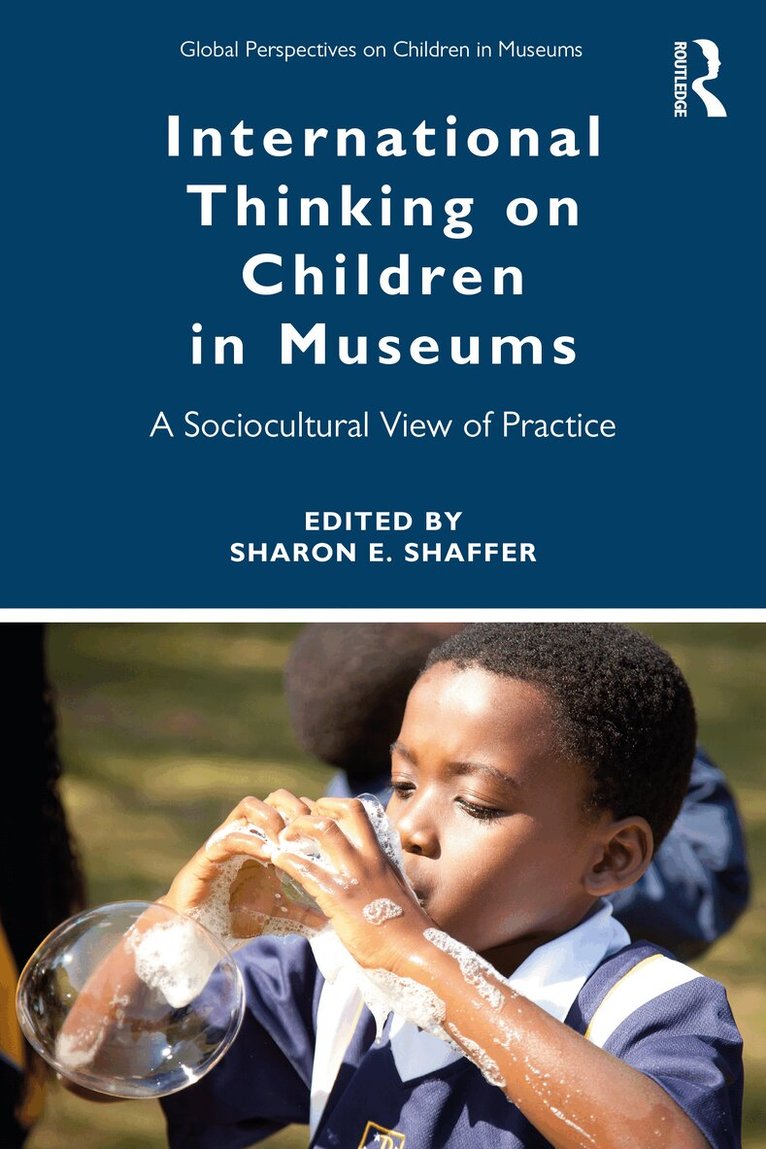
International Thinking on Children in Museums introduces current research, theory, and practice about young learners in museums around the world. The book imparts vital knowledge about the nature of childhood and children’s learning that will improve understanding of the very youngest museum-goers.
Including contributions from practitioners, scholars, and consultants around the globe, this volume examines museum practices and children’s learning across a range of distinct cultural and geographic locales. The framework of the book is based on research and current thinking in the realm of developmental psychology, sociology, and anthropology, allowing the contributors to examine the evolution of early learning and children’s programs through a sociocultural lens. This broad-based look at international museum practices for children offers a rare view of the field from an important, but oft-neglected perspective: that of society and culture.
International Thinking on Children in Museums will broaden understanding of museum practice across cultures and geographic regions and, as such, will be of interest to scholars and students engaged in the study of museum education, museum studies, and early learning. It should also provide a much-needed source of inspiration for museum practitioners working around the world.
647 kr
Läs direkt efter köp
International Thinking on Children in Museums introduces current research, theory, and practice about young learners in museums around the world. The book imparts vital knowledge about the nature of childhood and children’s learning that will improve understanding of the very youngest museum-goers.
Including contributions from practitioners, scholars, and consultants around the globe, this volume examines museum practices and children’s learning across a range of distinct cultural and geographic locales. The framework of the book is based on research and current thinking in the realm of developmental psychology, sociology, and anthropology, allowing the contributors to examine the evolution of early learning and children’s programs through a sociocultural lens. This broad-based look at international museum practices for children offers a rare view of the field from an important, but oft-neglected perspective: that of society and culture.
International Thinking on Children in Museums will broaden understanding of museum practice across cultures and geographic regions and, as such, will be of interest to scholars and students engaged in the study of museum education, museum studies, and early learning. It should also provide a much-needed source of inspiration for museum practitioners working around the world.
685 kr
Läs direkt efter köp
Sponsored by the Museum Education Roundtable, this is volume 37, Number 1 of the Journal of Museum Education (JME) Early Learning: A National Conversation, published in the spring of 2012. This edition includes articles on the integrating scaffolding experiences for the youngest visitors; a national conversation on early learning; from classroom to gallery; museums and community, the benefits of working together; uncovering visitor identity and bringing art through multi -sensory tours.
685 kr
Läs direkt efter köp
Sponsored by the Museum Education Roundtable, this is volume 37, Number 1 of the Journal of Museum Education (JME) Early Learning: A National Conversation, published in the spring of 2012. This edition includes articles on the integrating scaffolding experiences for the youngest visitors; a national conversation on early learning; from classroom to gallery; museums and community, the benefits of working together; uncovering visitor identity and bringing art through multi -sensory tours.
685 kr
Läs direkt efter köp
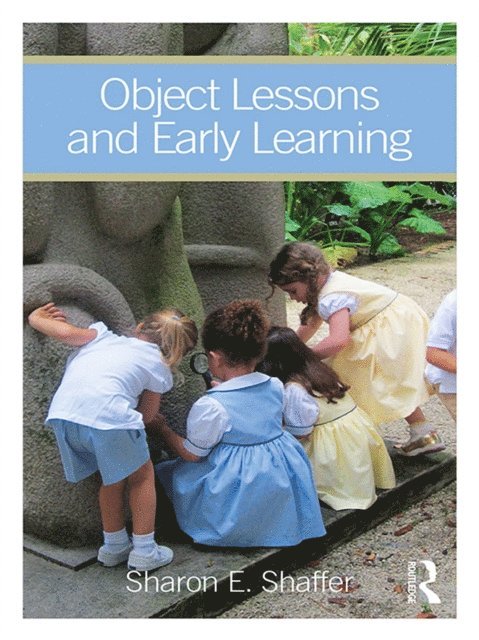
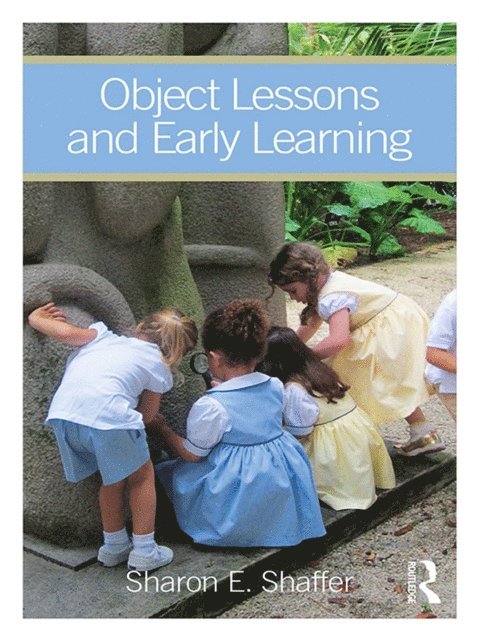
The twenty-first century is a time of change for early learning in museums, due in part to society''s evolving view of childhood, from an age of innocence to understanding the robust learning that defines the first years of life. This perspective is a catalyst for international conversation and continues to raise attention and interest across society. Object Lessons and Early Learning leverages what is known about the cognitive development of young children to examine the power of learning through objects in museum and heritage settings.
Exploring the history and modern day practice of object-based learning, Shaffer outlines the rationale for endorsing this approach in both formal and informal learning spaces. She argues that museums, as collecting institutions, are learning spaces uniquely positioned to allow children to make meaning about their world through personal connections to cultural artifacts, natural specimens, and works of art. A range of descriptive object lessons, inspired by objects in museums as well as from the everyday world, are presented throughout the text as examples of ways in which children can be encouraged to engage with museum collections.
Object Lessons and Early Learning offers insights into strategies for engaging young children as learners in museum settings and in their everyday world, and, as such, will be essential reading for museum professionals, classroom educators, and students. It should also be of great interest to academics and researchers engaged in the study of museums and education.
691 kr
Läs direkt efter köp
The twenty-first century is a time of change for early learning in museums, due in part to society''s evolving view of childhood, from an age of innocence to understanding the robust learning that defines the first years of life. This perspective is a catalyst for international conversation and continues to raise attention and interest across society. Object Lessons and Early Learning leverages what is known about the cognitive development of young children to examine the power of learning through objects in museum and heritage settings.
Exploring the history and modern day practice of object-based learning, Shaffer outlines the rationale for endorsing this approach in both formal and informal learning spaces. She argues that museums, as collecting institutions, are learning spaces uniquely positioned to allow children to make meaning about their world through personal connections to cultural artifacts, natural specimens, and works of art. A range of descriptive object lessons, inspired by objects in museums as well as from the everyday world, are presented throughout the text as examples of ways in which children can be encouraged to engage with museum collections.
Object Lessons and Early Learning offers insights into strategies for engaging young children as learners in museum settings and in their everyday world, and, as such, will be essential reading for museum professionals, classroom educators, and students. It should also be of great interest to academics and researchers engaged in the study of museums and education.
2 244 kr
Skickas inom 10-15 vardagar
599 kr
Skickas inom 10-15 vardagar