Shauna L. Tominey - Böcker
Visar alla böcker från författaren Shauna L. Tominey. Handla med fri frakt och snabb leverans.
5 produkter
5 produkter
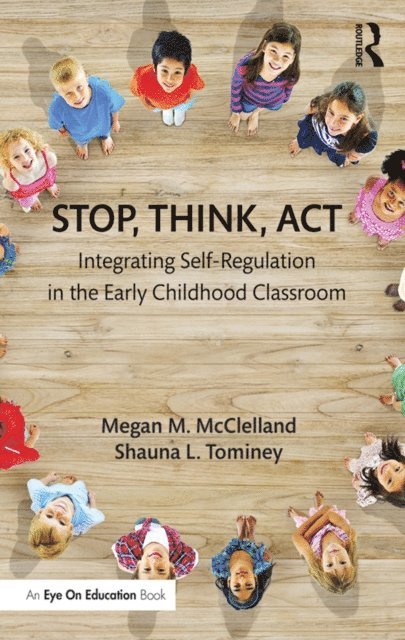
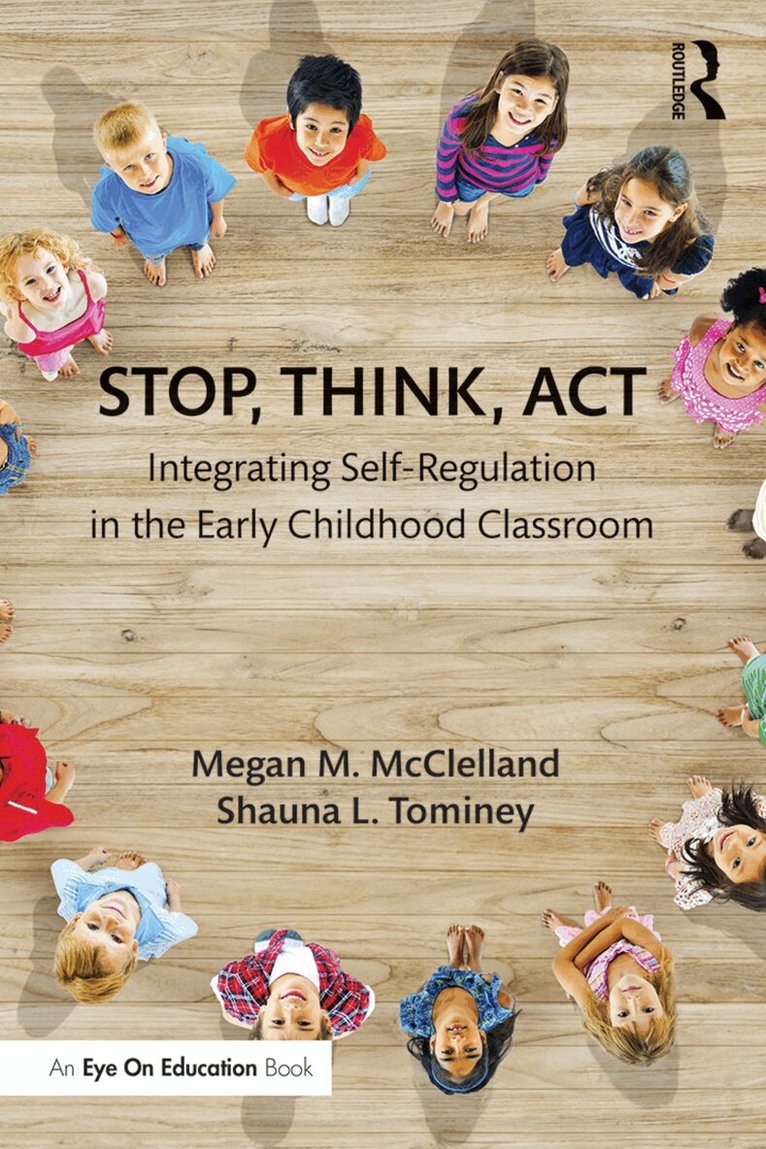
Stop, Think, Act
Integrating Self-Regulation in the Early Childhood Classroom
Inbunden, Engelska, 2015
1 650 kr
Skickas inom 10-15 vardagar
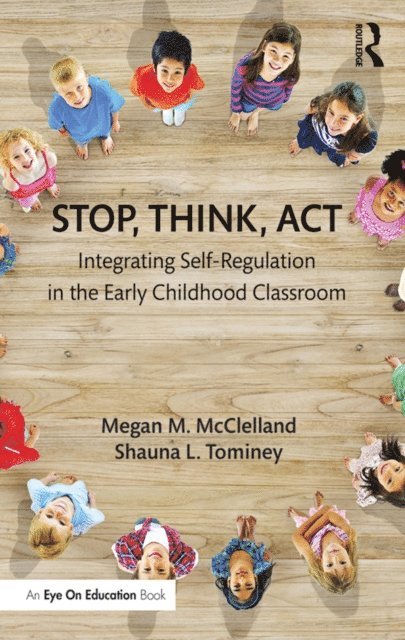
Stop, Think, Act: Integrating Self-regulation in the Early Childhood Classroom offers early childhood teachers the latest research and a wide variety of hands-on activities to help children learn and practice self-regulation techniques. Self-regulation in early childhood leads to strong academic performance, helps students form healthy friendships, and gives them the social and emotional resources they need to face high-stress situations throughout life.The book takes you through everything you need to know about using self-regulation principles during circle time, in literacy and math instruction, and during gross motor and outdoor play. Each chapter includes a solid research base as well as practical, developmentally-appropriate games, songs, and strategies that you can easily incorporate in your own classroom. With Stop, Think, Act, you’ll be prepared to integrate self-regulation into every aspect of the school day.
427 kr
Skickas inom 10-15 vardagar
Stop, Think, Act: Integrating Self-regulation in the Early Childhood Classroom offers early childhood teachers the latest research and a wide variety of hands-on activities to help children learn and practice self-regulation techniques. Self-regulation in early childhood leads to strong academic performance, helps students form healthy friendships, and gives them the social and emotional resources they need to face high-stress situations throughout life.The book takes you through everything you need to know about using self-regulation principles during circle time, in literacy and math instruction, and during gross motor and outdoor play. Each chapter includes a solid research base as well as practical, developmentally-appropriate games, songs, and strategies that you can easily incorporate in your own classroom. With Stop, Think, Act, you’ll be prepared to integrate self-regulation into every aspect of the school day.
1 229 kr
Skickas inom 10-15 vardagar
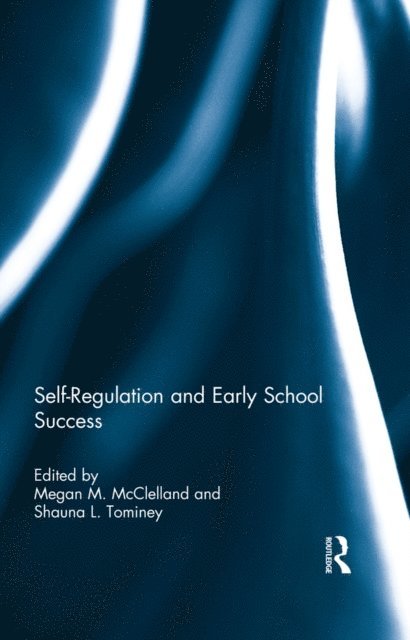
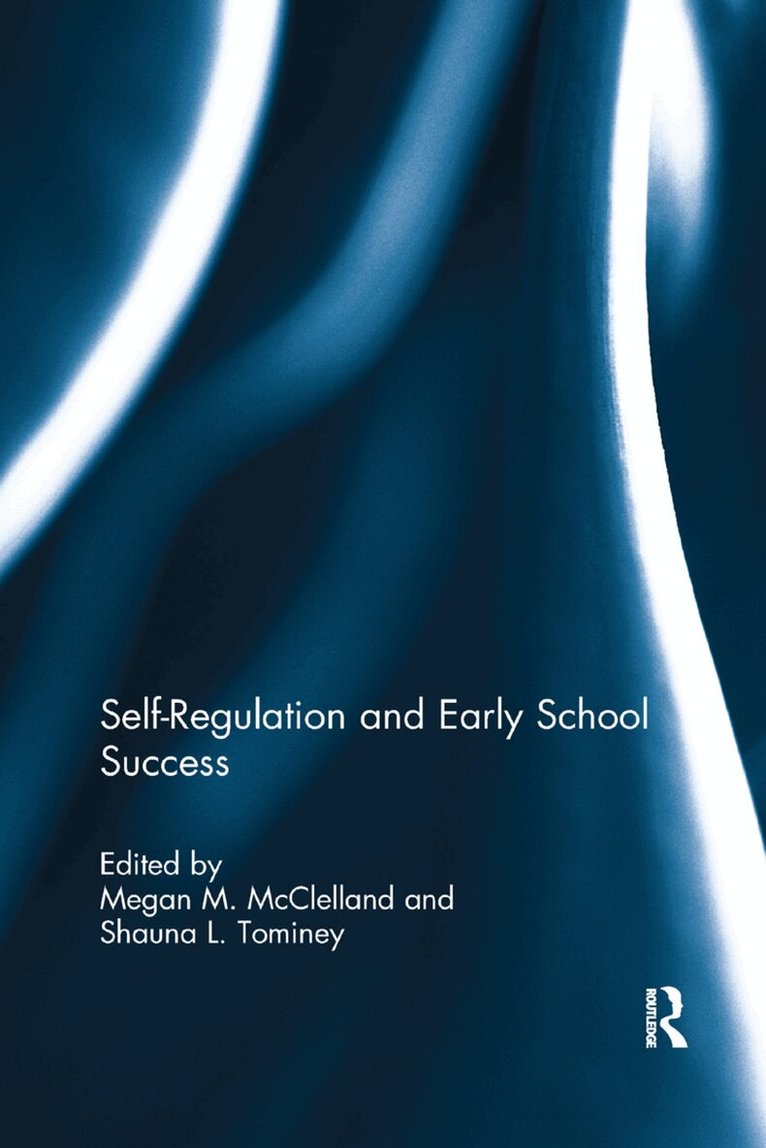
Self-regulation has been identified as an important predictor of school readiness and academic achievement in young children. Children who struggle with self-regulation are at risk of experiencing peer rejection and academic difficulties. Teachers report that there is high variability in children’s self-regulatory abilities at school entry and that children with an accumulation of risk factors are especially likely to enter school without adequate self-regulation skills. Moreover, early academic skills are often cumulative, so children who fail to acquire early skills are at risk of falling behind their peers academically and facing achievement gaps that widen over time. Although the relation between self-regulation and school-related outcomes has been clearly documented, our understanding of the pathways through which self-regulation influences early achievement and school success remains unclear. This special issue considers previously neglected areas in the current understanding of self-regulation. The seven articles focus on issues including (a) the complex relations between self-regulation and school readiness, (b) predictors of self-regulation and academic achievement, and (c) advances in measurement of self-regulation and related skills. Research that continues to investigate the complex relations and mechanisms that influence early self-regulation and related outcomes will inform policy and practice in ways that help all children develop the self-regulation skills they need. The volume will be of interest to researchers in the field of child development or education, and educators and policy makers who are interested in promoting school readiness and academic success.This book was originally published as a special issue of Early Education and Development.
467 kr
Skickas inom 10-15 vardagar
Self-regulation has been identified as an important predictor of school readiness and academic achievement in young children. Children who struggle with self-regulation are at risk of experiencing peer rejection and academic difficulties. Teachers report that there is high variability in children’s self-regulatory abilities at school entry and that children with an accumulation of risk factors are especially likely to enter school without adequate self-regulation skills. Moreover, early academic skills are often cumulative, so children who fail to acquire early skills are at risk of falling behind their peers academically and facing achievement gaps that widen over time. Although the relation between self-regulation and school-related outcomes has been clearly documented, our understanding of the pathways through which self-regulation influences early achievement and school success remains unclear. This special issue considers previously neglected areas in the current understanding of self-regulation. The seven articles focus on issues including (a) the complex relations between self-regulation and school readiness, (b) predictors of self-regulation and academic achievement, and (c) advances in measurement of self-regulation and related skills. Research that continues to investigate the complex relations and mechanisms that influence early self-regulation and related outcomes will inform policy and practice in ways that help all children develop the self-regulation skills they need. The volume will be of interest to researchers in the field of child development or education, and educators and policy makers who are interested in promoting school readiness and academic success.This book was originally published as a special issue of Early Education and Development.
415 kr
Skickas inom 7-10 vardagar
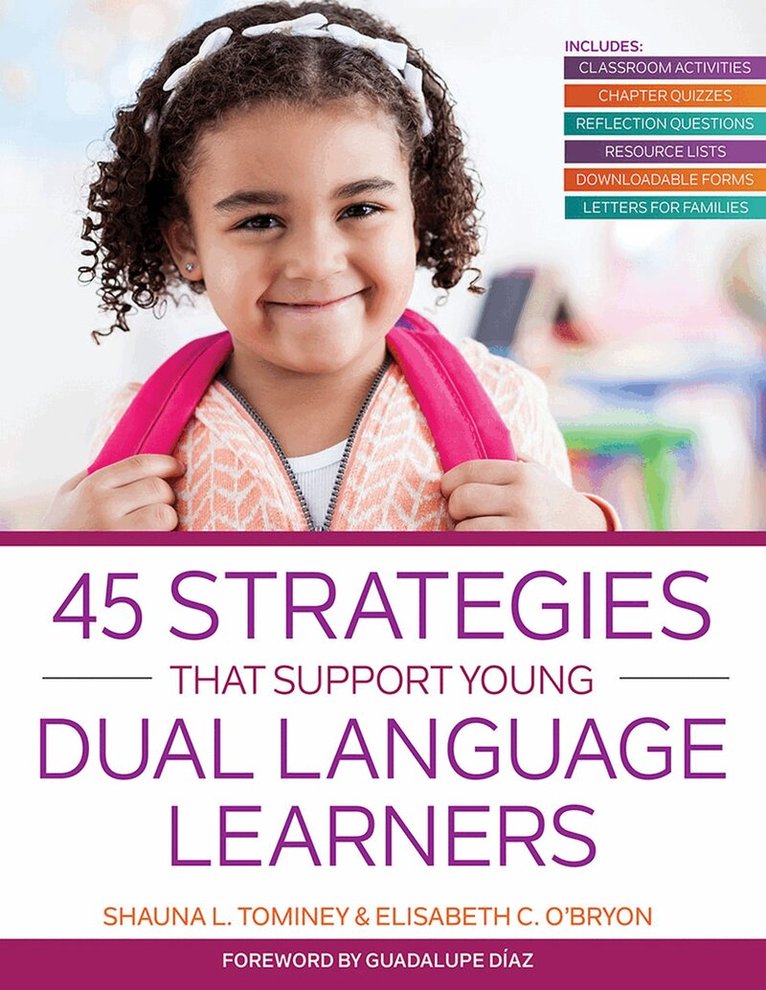
This book shows teachers how to develop a toolbox of strategies for effectively teaching and engaging dual language learners while also supporting their families from diverse backgrounds. The book is organized by outlining and describing 45 teaching tips that educators can use to implement best practices for effectively supporting dual language learners in their classroom. Using these tips, the authors detail how teachers can foster a language- and culture-inclusive classroom environment for all students.