Shayne Lee - Böcker
Visar alla böcker från författaren Shayne Lee. Handla med fri frakt och snabb leverans.
8 produkter
8 produkter
515 kr
Skickas inom 10-15 vardagar
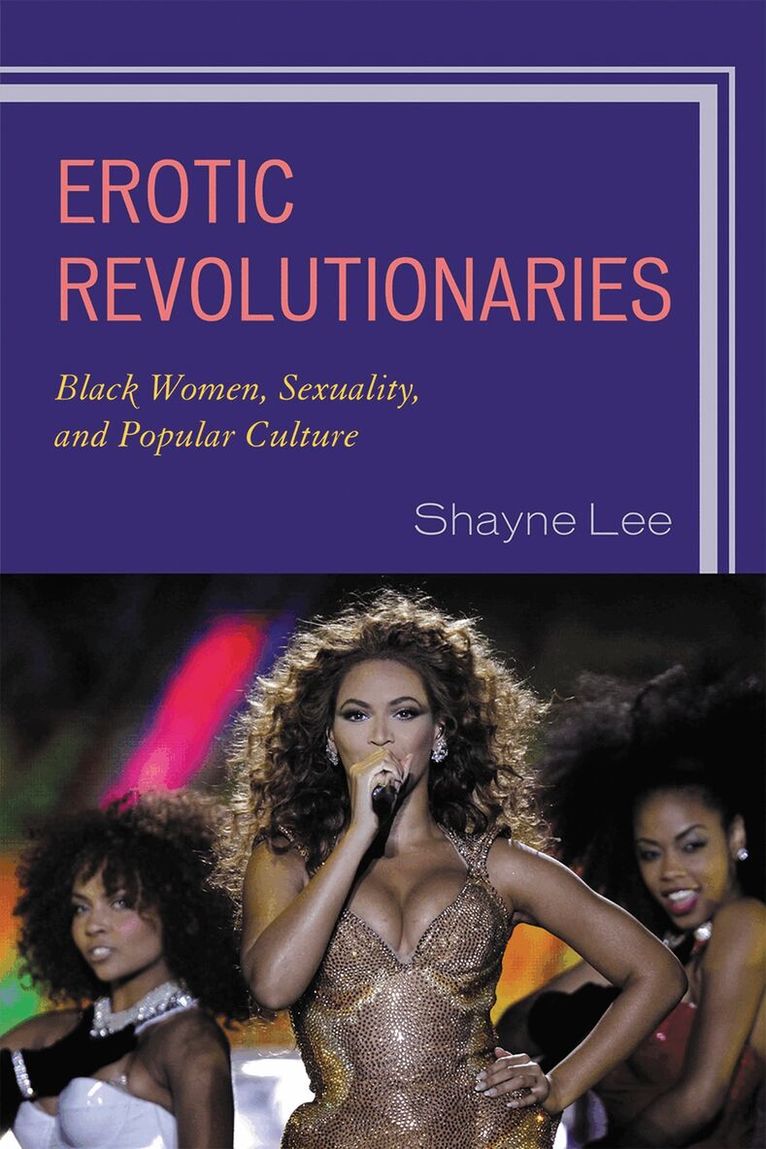
Why is there no "pro-sex" contingency in black feminist scholarship? Why do so few African-American scholars expound on issues celebrating female sexual pleasure? Perhaps the answers to these questions reside within a discursive matrix of sexual repression commonly referred to as the politics of respectability, and its rein on black sexual politics.In Erotic Revolutionaries: Black Women, Sexuality, and Popular Culture, sociologist Shayne Lee steers black sexual politics toward a more sex-positive trajectory. Introducing feminist analysis to a conceptual ménage à trois of scripting theory, media representation, and black sexual politics, Lee considers the ways in which the feminist quest for social and sexual equality can delve into popular culture to see the production of subversive scripts for female sexuality and erotic agency. Whereas most feminist scholarship underscores how sexual representations of black women in media are exploitative and problematic, Lee portrays black female celebrities like Janet Jackson, Beyoncé, Karrine Steffans, Zane, Tyra Banks, Juanita Bynum, Sheryl Underwood and many more as feminists of sorts who afford women access to cultural tools to renegotiate sexual identity and celebrate sexual agency and empowerment.Erotic Revolutionaries navigates the uncharted spaces where social constructionism, third-wave feminism, and black popular culture collide to locate a new site for sexuality studies that is theoretically innovative, politically subversive, and stylistically chic.
408 kr
Tillfälligt slut
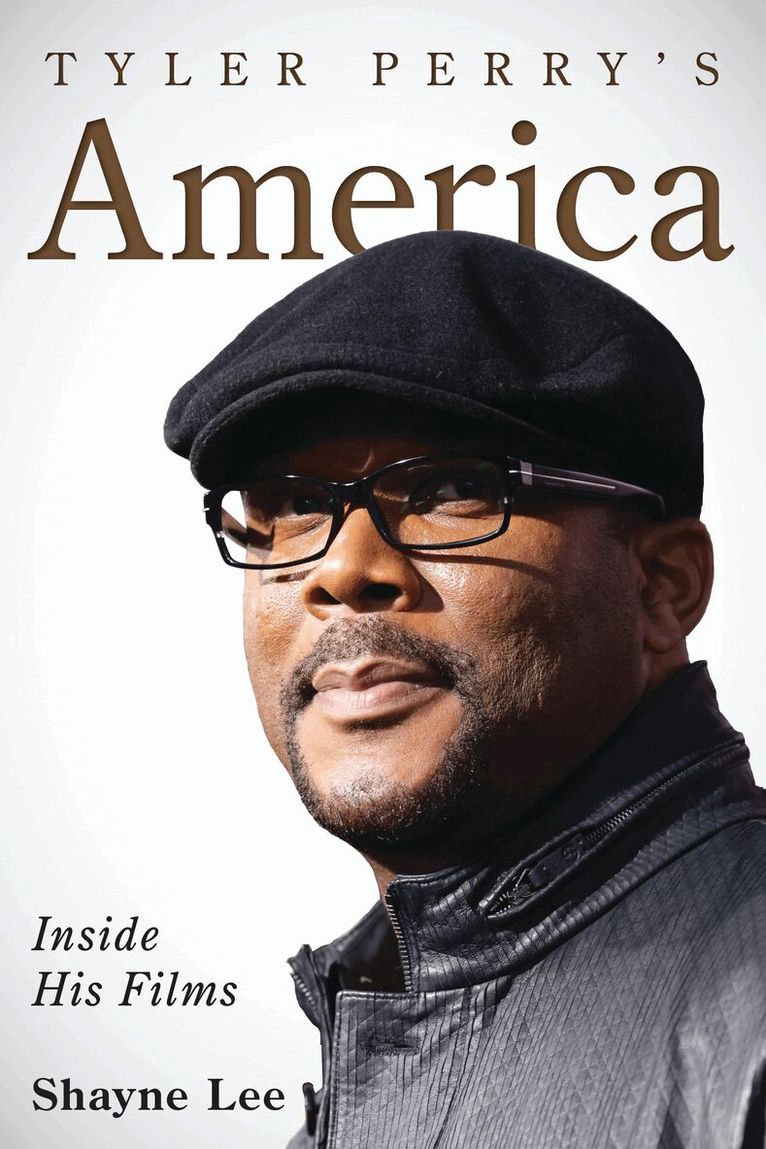
Tyler Perry is the most successful African-American filmmaker of his generation, garnering both accolades and controversies with each new film. In Tyler Perry’s America, Shayne Lee digs into eleven of Perry’s highest-grossing films to explore key themes of race, gender, class, and religion, and, ultimately, to discuss what Perry’s films reveal about contemporary African-American life.Filled with slapstick humor, musical wizardry, and religious imagery, Tyler Perry’s films have inspired legions of fans, and yet critics often dismiss them or demean their audience. Tyler Perry’s America takes the films seriously in their own right. After providing essential background information on Perry’s life and film career, the book looks at what the films reveal about post–civil rights America and why they inspire so many people. The book examines the way the films explore social class in America—featuring characters from super-rich Wesley Deeds to homeless Lindsey Wakefield—and the way Perry both celebrates upward mobility and critiques soulless wealth. The book discusses the way religion fills the films—from gospel music to biblical quotes, the power of sexuality, and more. Lee also devotes a chapter to Madea, one of Perry’s most controversial and complicated characters.Tyler Perry’s America is a thought-provoking examination of this powerhouse filmmaker which highlights the way Perry’s films appeal to viewers by connecting a rich African-American folk-cultural past with the promise of modern sophistication.
961 kr
Skickas inom 10-15 vardagar
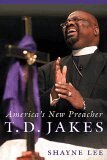
Examines the rise of one of the most prolific spiritual leader of modern timesT.D. Jakes has emerged as one of the most prolific spiritual leaders of our time. He is pastor of one of the largest churches in the country, CEO of a multimillion dollar empire, the host of a television program, author of a dozen bestsellers, and the producer of two Grammy Award-nominated CDs and three critically acclaimed plays. In 2001 Time magazine featured Jakes on the cover and asked: Is Jakes the next Billy Graham?T.D. Jakes draws on extensive research, including interviews with numerous friends and colleagues of Jakes, to examine both Jakes's rise to prominence and proliferation of a faith industry bent on producing spiritual commodities for mass consumption. Lee frames Jakes and his success as a metaphor for changes in the Black Church and American Protestantism more broadly, looking at the ramifications of his rise—and the rise of similar preachers—for the way in which religion is practiced in this country, how social issues are confronted or ignored, and what is distinctly "American" about Jakes's emergence. While offering elements of biography, the work also seeks to shed light on important aspects of the contemporary American and African American religious experience.Lee contends that Jakes's widespread success symbolizes a religious realignment in which mainline churches nationwide are in decline, while innovative churches are experiencing phenomenal growth. He emphasizes the "American-ness" of Jakes's story and reveals how preachers like Jakes are drawing followers by delivering therapeutic and transformative messages and providing spiritual commodities that are more in tune with postmodern sensibilities.As the first work to critically examine Bishop Jakes's life and message, T.D. Jakes is an important contribution to contemporary American religion as well as popular culture.
351 kr
Skickas inom 7-10 vardagar
Examines the rise of one of the most prolific spiritual leader of modern timesT.D. Jakes has emerged as one of the most prolific spiritual leaders of our time. He is pastor of one of the largest churches in the country, CEO of a multimillion dollar empire, the host of a television program, author of a dozen bestsellers, and the producer of two Grammy Award-nominated CDs and three critically acclaimed plays. In 2001 Time magazine featured Jakes on the cover and asked: Is Jakes the next Billy Graham?T.D. Jakes draws on extensive research, including interviews with numerous friends and colleagues of Jakes, to examine both Jakes's rise to prominence and proliferation of a faith industry bent on producing spiritual commodities for mass consumption. Lee frames Jakes and his success as a metaphor for changes in the Black Church and American Protestantism more broadly, looking at the ramifications of his rise—and the rise of similar preachers—for the way in which religion is practiced in this country, how social issues are confronted or ignored, and what is distinctly "American" about Jakes's emergence. While offering elements of biography, the work also seeks to shed light on important aspects of the contemporary American and African American religious experience.Lee contends that Jakes's widespread success symbolizes a religious realignment in which mainline churches nationwide are in decline, while innovative churches are experiencing phenomenal growth. He emphasizes the "American-ness" of Jakes's story and reveals how preachers like Jakes are drawing followers by delivering therapeutic and transformative messages and providing spiritual commodities that are more in tune with postmodern sensibilities.As the first work to critically examine Bishop Jakes's life and message, T.D. Jakes is an important contribution to contemporary American religion as well as popular culture.
921 kr
Skickas inom 10-15 vardagar
Joel Osteen, Paula White, T. D. Jakes, Rick Warren, and Brian McLaren pastor some the largest churches in the nation, lead vast spiritual networks, write best-selling books, and are among the most influential preachers in American Protestantism today. Spurred by the phenomenal appeal of these religious innovators, sociologist Shayne Lee and historian Phillip Luke Sinitiere investigate how they operate and how their style of religious expression fits into America's cultural landscape. Drawing from the theory of religious economy, the authors offer new perspectives on evangelical leadership and key insights into why some religious movements thrive while others decline.Holy Mavericks provides a useful overview of contemporary evangelicalism while emphasizing the importance of "supply-side thinking" in understanding shifts in American religion. It reveals how the Christian world hosts a culture of celebrity very similar to the secular realm, particularly in terms of marketing, branding, and publicity. Holy Mavericks reaffirms that religion is always in conversation with the larger society in which it is embedded, and that it is imperative to understand how those religious suppliers who are able to change with the times will outlast those who are not.
351 kr
Skickas inom 7-10 vardagar
Joel Osteen, Paula White, T. D. Jakes, Rick Warren, and Brian McLaren pastor some the largest churches in the nation, lead vast spiritual networks, write best-selling books, and are among the most influential preachers in American Protestantism today. Spurred by the phenomenal appeal of these religious innovators, sociologist Shayne Lee and historian Phillip Luke Sinitiere investigate how they operate and how their style of religious expression fits into America's cultural landscape. Drawing from the theory of religious economy, the authors offer new perspectives on evangelical leadership and key insights into why some religious movements thrive while others decline.Holy Mavericks provides a useful overview of contemporary evangelicalism while emphasizing the importance of "supply-side thinking" in understanding shifts in American religion. It reveals how the Christian world hosts a culture of celebrity very similar to the secular realm, particularly in terms of marketing, branding, and publicity. Holy Mavericks reaffirms that religion is always in conversation with the larger society in which it is embedded, and that it is imperative to understand how those religious suppliers who are able to change with the times will outlast those who are not.
1 142 kr
Skickas inom 10-15 vardagar
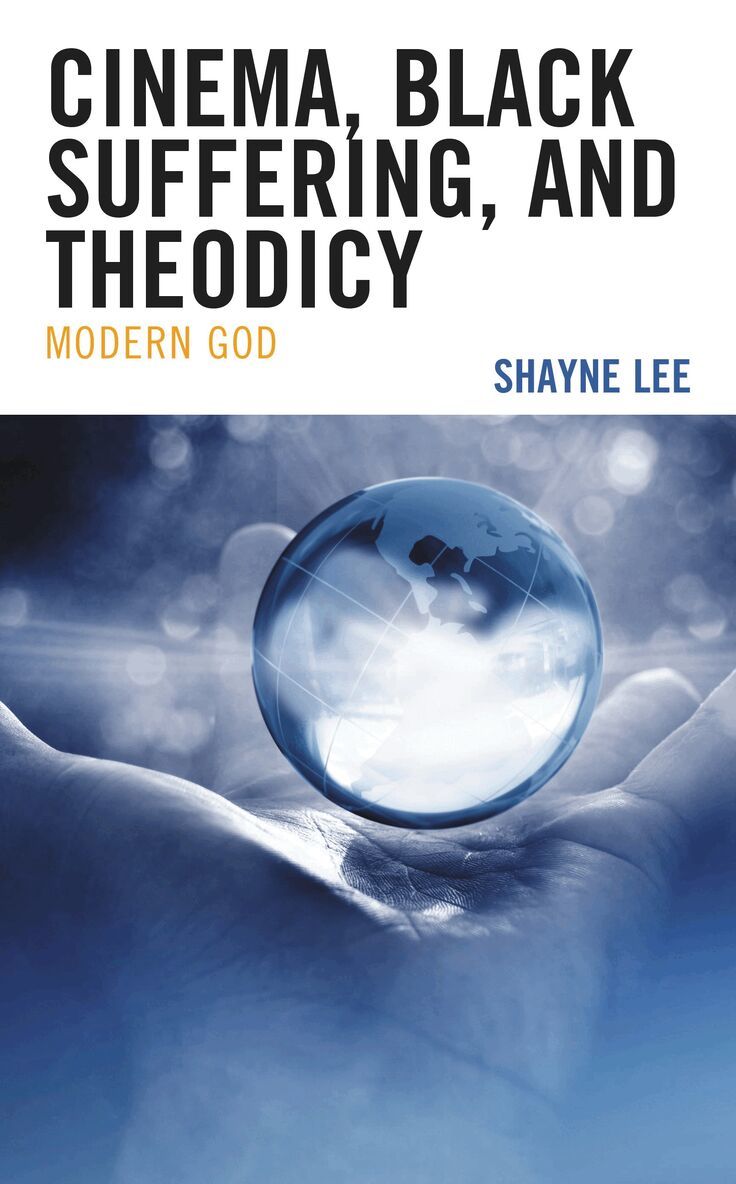
This book explicates how many films intersect black suffering and God-talk in ways that instantiate secular limitations to divine efficacy. The book’s concept of a modern God introduces a new method of analysis that reimagines theodical discourses as mechanisms of modern identities and filmmakers as skillful exegetes who recalibrate divine attributes to the sensemaking cadences of their contemporaries. Shayne Lee demonstrates how cinematic theodicy navigates a happy medium between affirming divine benevolence and sidelining supernatural activity and that filmic characters, like their real-world counterparts, are quite clever at triangulating rationality, faith, and tragedy. In addition to positing synergistic links between theodicy and secularity, Lee offers critical insights into cinema’s relevance to the sociology of evil by specifying how films code and narrate malevolent actions and outcomes, demarcate clear lines of distinction between victims and perpetrators, clarify societal dynamics driving inequality and oppression, and transform individual episodes of suffering into collective and memorialized identities of trauma. This book illuminates how filmic treatments of theodicy construct evil and suffering in calculated ways that connect specific acts, effects, and institutions to greater structures of meaning.
434 kr
Skickas inom 10-15 vardagar
This book explicates how many films intersect black suffering and God-talk in ways that instantiate secular limitations to divine efficacy. The book’s concept of a modern God introduces a new method of analysis that reimagines theodical discourses as mechanisms of modern identities and filmmakers as skillful exegetes who recalibrate divine attributes to the sensemaking cadences of their contemporaries. Shayne Lee demonstrates how cinematic theodicy navigates a happy medium between affirming divine benevolence and sidelining supernatural activity and that filmic characters, like their real-world counterparts, are quite clever at triangulating rationality, faith, and tragedy. In addition to positing synergistic links between theodicy and secularity, Lee offers critical insights into cinema’s relevance to the sociology of evil by specifying how films code and narrate malevolent actions and outcomes, demarcate clear lines of distinction between victims and perpetrators, clarify societal dynamics driving inequality and oppression, and transform individual episodes of suffering into collective and memorialized identities of trauma. This book illuminates how filmic treatments of theodicy construct evil and suffering in calculated ways that connect specific acts, effects, and institutions to greater structures of meaning.