Sheila Preston - Böcker
Visar alla böcker från författaren Sheila Preston. Handla med fri frakt och snabb leverans.
10 produkter
10 produkter
392 kr
Skickas inom 10-15 vardagar
At once both guide book and provocation, this is an indispensable companion for students and practitioners of applied theatre. It addresses all key aspects: principles, origins, politics and aesthetics in a concise and accessible style designed to appeal both to those who have recently discovered this sub-discipline and to experienced practitioners and academics.Part 1 is divided into two chapters. The first introduces the sub-discipline of Theatre for Development, covering its origins, principles and history, and providing an overview of theatre for development in Western contexts as well as in Africa, Asia, the Indian Subcontinent and Latin America. The second focuses upon theoretical and philosophical issues confronting the discipline and its relationship to contemporary politics, as well as considering its future role.Part 2 consists of seven chapters contributed by leading figures and current practitioners from around the world and covering a diverse range of themes, methodologies and aesthetic approaches. One chapter offers a series of case studies concerned with sexual health education and HIV prevention, drawn from practitioners working in Vietnam, Papua New Guinea, Southern Africa, and China. Other chapters include studies of intercultural theatre in the Peruvian Amazon; a programme of applied theatre conducted in schools in Canterbury, New Zealand, following the 2010 earthquake; an attempt to reinvigorate a community theatre group in South Brazil; and an exchange between a Guatemalan arts collective and a Dutch youth theatre company, besides others.
1 619 kr
Skickas inom 10-15 vardagar
At once both guide book and provocation, this is an indispensable companion for students and practitioners of applied theatre. It addresses all key aspects: principles, origins, politics and aesthetics in a concise and accessible style designed to appeal both to those who have recently discovered this sub-discipline and to experienced practitioners and academics.Part 1 is divided into two chapters. The first introduces the sub-discipline of Theatre for Development, covering its origins, principles and history, and providing an overview of theatre for development in Western contexts as well as in Africa, Asia, the Indian Subcontinent and Latin America. The second focuses upon theoretical and philosophical issues confronting the discipline and its relationship to contemporary politics, as well as considering its future role.Part 2 consists of seven chapters contributed by leading figures and current practitioners from around the world and covering a diverse range of themes, methodologies and aesthetic approaches. One chapter offers a series of case studies concerned with sexual health education and HIV prevention, drawn from practitioners working in Vietnam, Papua New Guinea, Southern Africa, and China. Other chapters include studies of intercultural theatre in the Peruvian Amazon; a programme of applied theatre conducted in schools in Canterbury, New Zealand, following the 2010 earthquake; an attempt to reinvigorate a community theatre group in South Brazil; and an exchange between a Guatemalan arts collective and a Dutch youth theatre company, besides others.
392 kr
Skickas inom 10-15 vardagar
Applied Theatre: Aesthetics re-examines how the idea of 'the aesthetic' is relevant to performance in social settings. The disinterestedness that traditional aesthetics claims as a key characteristic of art makes little sense when making performances with ordinary people, rooted in their lives and communities, and with personal and social change as its aim. Yet practitioners of applied arts know that their work is not reducible to social work, therapy or education. Reconciling the simultaneous autonomy and heteronomy of art is the problem of aesthetics in applied arts. Gareth White's introductory essay reviews the field, and proposes an interdisciplinary approach that builds on new developments in evolutionary, cognitive and neuro-aesthetics alongside the politics of art. It addresses the complexities of art and the aesthetic as everyday behaviours and responses. The second part of the book is made up of essays from leading experts and new voices in the practice and theory of applied performance, reflecting on the key problematics of applying performance with non-performers. New and innovative practice is described and interrogated, and fresh thinking is introduced in response to perennial problems.
1 619 kr
Skickas inom 10-15 vardagar
Applied Theatre: Aesthetics re-examines how the idea of 'the aesthetic' is relevant to performance in social settings. The disinterestedness that traditional aesthetics claims as a key characteristic of art makes little sense when making performances with ordinary people, rooted in their lives and communities, and with personal and social change as its aim. Yet practitioners of applied arts know that their work is not reducible to social work, therapy or education. Reconciling the simultaneous autonomy and heteronomy of art is the problem of aesthetics in applied arts. Gareth White's introductory essay reviews the field, and proposes an interdisciplinary approach that builds on new developments in evolutionary, cognitive and neuro-aesthetics alongside the politics of art. It addresses the complexities of art and the aesthetic as everyday behaviours and responses. The second part of the book is made up of essays from leading experts and new voices in the practice and theory of applied performance, reflecting on the key problematics of applying performance with non-performers. New and innovative practice is described and interrogated, and fresh thinking is introduced in response to perennial problems.
420 kr
Skickas inom 10-15 vardagar
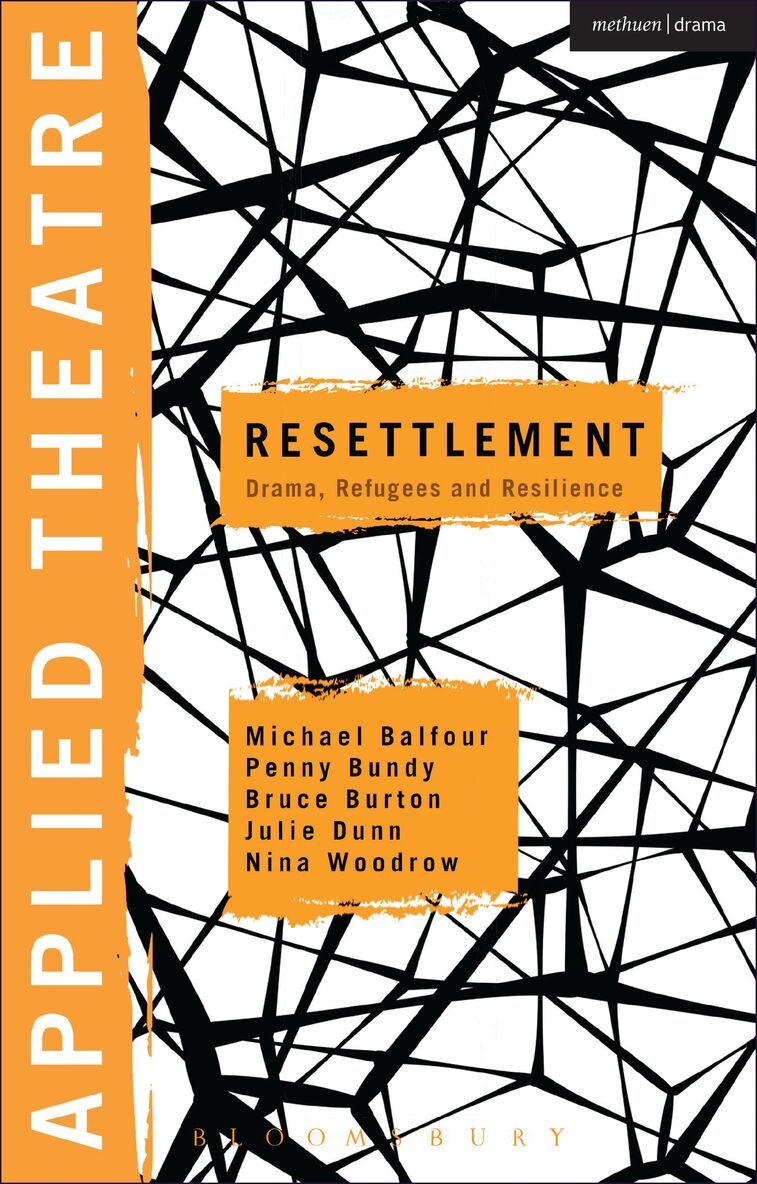
The book offers a compelling combination of analyis and detailed description of aesthetic projects with young refugee arrivals in Australia. In it the authors present a framework that contextualises the intersections of refugee studies, resilience and trauma, and theatre and arts-based practice, setting out a context for understanding and valuing the complexity of drama in this growing area of applied theatre. Applied Theatre: Resettlement includes rich analysis of three aesthetic case studies in Primary, Secondary and Further Education contexts with young refugees. The case studies provide a unique insight into the different age specific needs of newly arrived young people. The authors detail how each group and educational context shaped diverse drama and aesthetic responses: the Primary school case study uses process drama as a method to enhance language acquisition and develop intercultural literacy; the Secondary school project focuses on Forum Theatre and peer teaching with young people as a means of enhancing language confidence and creating opportunities for cultural competency in the school community, and the further education case study explores work with unaccompanied minors and employs integrated multi art forms (poetry, art, drama, digital arts, clay sculptures and voice work) to increase confidence in language acquisition and explore different forms of expression and communication about the transition process. Through its careful framing of practice to speak to concerns of power, process, representation and ethics, the authors ensure the studies have an international relevance beyond their immediate context. Drama, Refugees and Resilience contributes to new professional knowledge building in the fields of applied theatre and refugee studies about the efficacy of drama practice in enhancing language acquisition, cultural settlement and pedagogy with newly arrived refugee young people.
1 619 kr
Skickas inom 10-15 vardagar
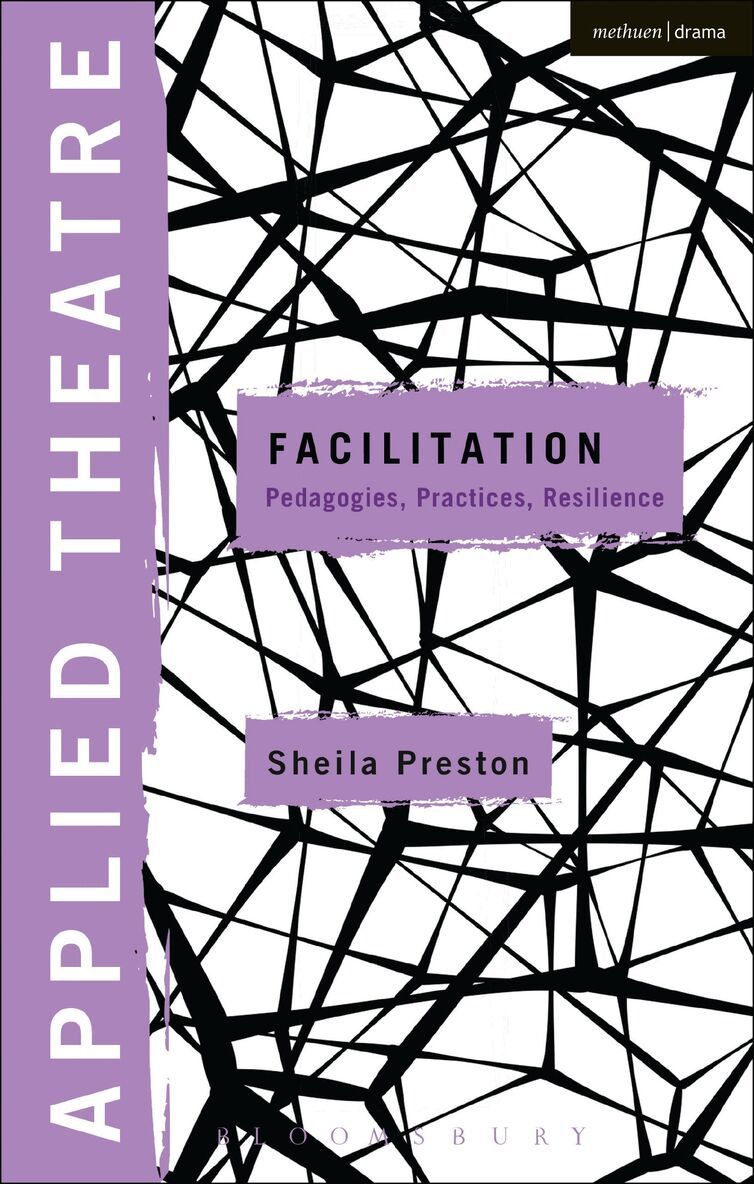
Applied Theatre: Facilitation is the first publication that directly explores the facilitator’s role within a range of socially engaged theatre and community theatre settings. The book offers a new theoretical framework for understanding critical facilitation in contemporary dilemmatic spaces and features a range of writings and provocations by international practitioners and experienced facilitators working in the field.Part One offers an introduction to the concept, role and practice of facilitation and its applications in different contexts and cultural locations. It offers a conceptual framework through which to understand the idea of critical facilitation: a political practice that that involves a critical (and self-critical) approach to pedagogies, practices (doing and performing), and resilience in dilemmatic spaces. Part Two illuminates the diversity in the field of facilitation in applied theatre through offering multiple voices, case studies, theoretical positions and contexts. These are drawn from Australia, Serbia, Kyrgyzstan, India, Israel/Palestine, Rwanda, the United Kingdom and North America, and they apply a range of aesthetic forms: performance, process drama, forum, clowning and playmaking. Each chapter presents the challenge of facilitation in a range of cultural contexts with communities whose complex histories and experiences have led them to be disenfranchised socially, culturally and/or economically.
392 kr
Skickas inom 10-15 vardagar
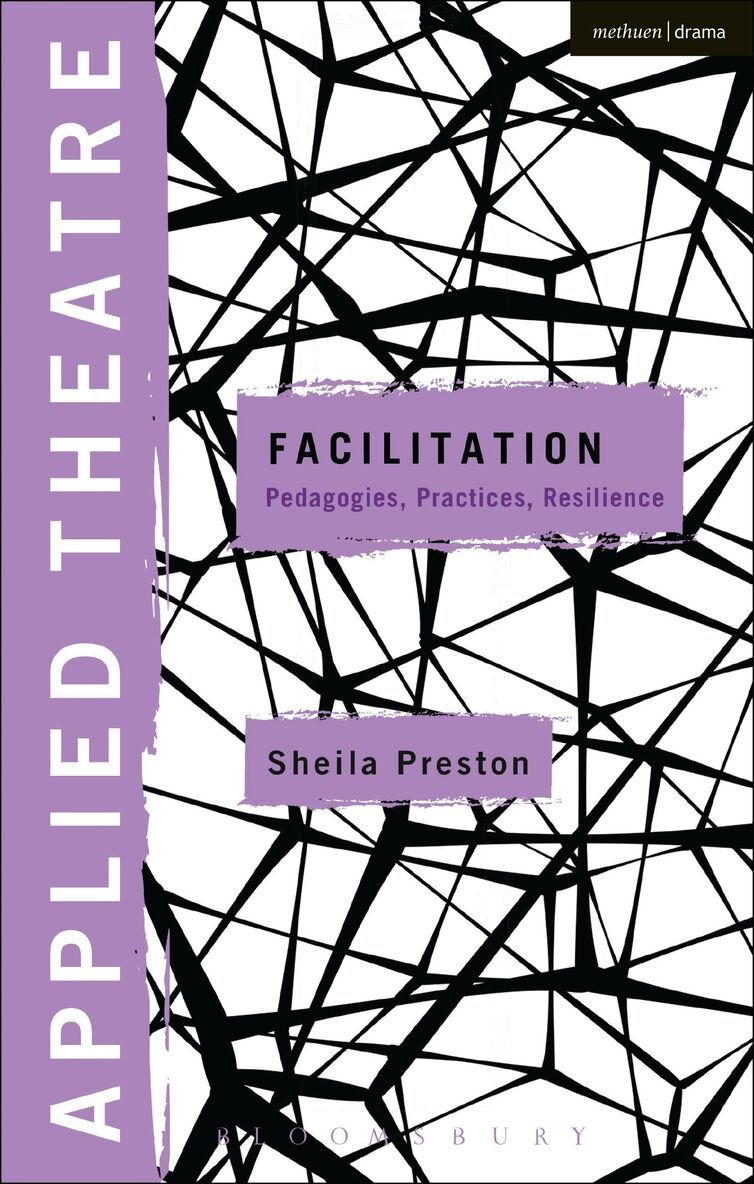
Applied Theatre: Facilitation is the first publication that directly explores the facilitator’s role within a range of socially engaged theatre and community theatre settings. The book offers a new theoretical framework for understanding critical facilitation in contemporary dilemmatic spaces and features a range of writings and provocations by international practitioners and experienced facilitators working in the field.Part One offers an introduction to the concept, role and practice of facilitation and its applications in different contexts and cultural locations. It offers a conceptual framework through which to understand the idea of critical facilitation: a political practice that that involves a critical (and self-critical) approach to pedagogies, practices (doing and performing), and resilience in dilemmatic spaces. Part Two illuminates the diversity in the field of facilitation in applied theatre through offering multiple voices, case studies, theoretical positions and contexts. These are drawn from Australia, Serbia, Kyrgyzstan, India, Israel/Palestine, Rwanda, the United Kingdom and North America, and they apply a range of aesthetic forms: performance, process drama, forum, clowning and playmaking. Each chapter presents the challenge of facilitation in a range of cultural contexts with communities whose complex histories and experiences have led them to be disenfranchised socially, culturally and/or economically.
489 kr
Skickas inom 10-15 vardagar
Applied Theatre: Creative Ageing examines the complex social, political and cultural needs of a diverse group in our society and asks how contemporary applied theatre responds to those needs. It allows an examination of innovative national and international practice in applied theatre that responds to the needs of older adults to encourage outcomes such as wellbeing and social inclusion. The book does this while also questioning how we, as a society, wish to respond to the complex needs of older adults and the process of ageing and how applied theatre practices can help us do so in a way that is both positive and inclusive. In Part One Sheila McCormick reviews and historicises the practice of applied theatre with, for and by the elderly. It argues that pioneering applied theatre strategies are vital if the creative practice is to respond to the growing needs of older members of society, and reflects on particular cultural responses to ageing and the elderly.The second part of the book is made up of essays and case studies from leading experts and practitioners from Britain, America and Australia, including consideration of applied theatre approaches to dementia, health, wellbeing, social inclusion and Alzheimer's disease.
1 520 kr
Skickas inom 10-15 vardagar
Applied Theatre: Creative Ageing examines the complex social, political and cultural needs of a diverse group in our society and asks how contemporary applied theatre responds to those needs. It allows an examination of innovative national and international practice in applied theatre that responds to the needs of older adults to encourage outcomes such as wellbeing and social inclusion. The book does this while also questioning how we, as a society, wish to respond to the complex needs of older adults and the process of ageing and how applied theatre practices can help us do so in a way that is both positive and inclusive. In Part One Sheila McCormick reviews and historicises the practice of applied theatre with, for and by the elderly. It argues that pioneering applied theatre strategies are vital if the creative practice is to respond to the growing needs of older members of society, and reflects on particular cultural responses to ageing and the elderly.The second part of the book is made up of essays and case studies from leading experts and practitioners from Britain, America and Australia, including consideration of applied theatre approaches to dementia, health, wellbeing, social inclusion and Alzheimer's disease.
1 314 kr
Skickas inom 10-15 vardagar
Applied Theatre: Women and the Criminal Justice System offers unprecedented access to international theatre and performance practice in carceral contexts and the material and political conditions that shape this work. Each of the twelve essays and interviews by international practitioners and scholars reveal a panoply of practice: from cross-arts projects shaped by autobiographical narratives through to fantasy-informed cabaret; from radio plays to film; from popular participatory performance to work staged in commercial theatres. Extracts of performance texts, developed with Clean Break theatre company, are interwoven through the collection.Television and film images of women in prison are repeatedly painted from a limited palette of stereotypes – ‘bad girls’, ‘monsters’, ‘babes behind bars’. To attend to theatre with and about women with experience of the criminal justice system is to attend to intersectional injustices that shape women’s criminalization and the personal and political implications of this. The theatre and performance practices in this collection disrupt, expand and reframe representational vocabularies of criminalized women for audiences within and beyond prison walls. They expose the role of incarceration as a mechanism of state punishment, the impact of neoliberalism on ideologies of punishment and the inequalities and violence that shape the lives of many incarcerated women. In a context where criminalized women are often dismissed as unreliable or untrustworthy, the collection engages with theatre practices which facilitate an economy of credibility, where women with experience of the criminal justice system are represented as expert witnesses.