Sheldon H. Lu - Böcker
Visar alla böcker från författaren Sheldon H. Lu. Handla med fri frakt och snabb leverans.
4 produkter
4 produkter
2 088 kr
Skickas inom 10-15 vardagar
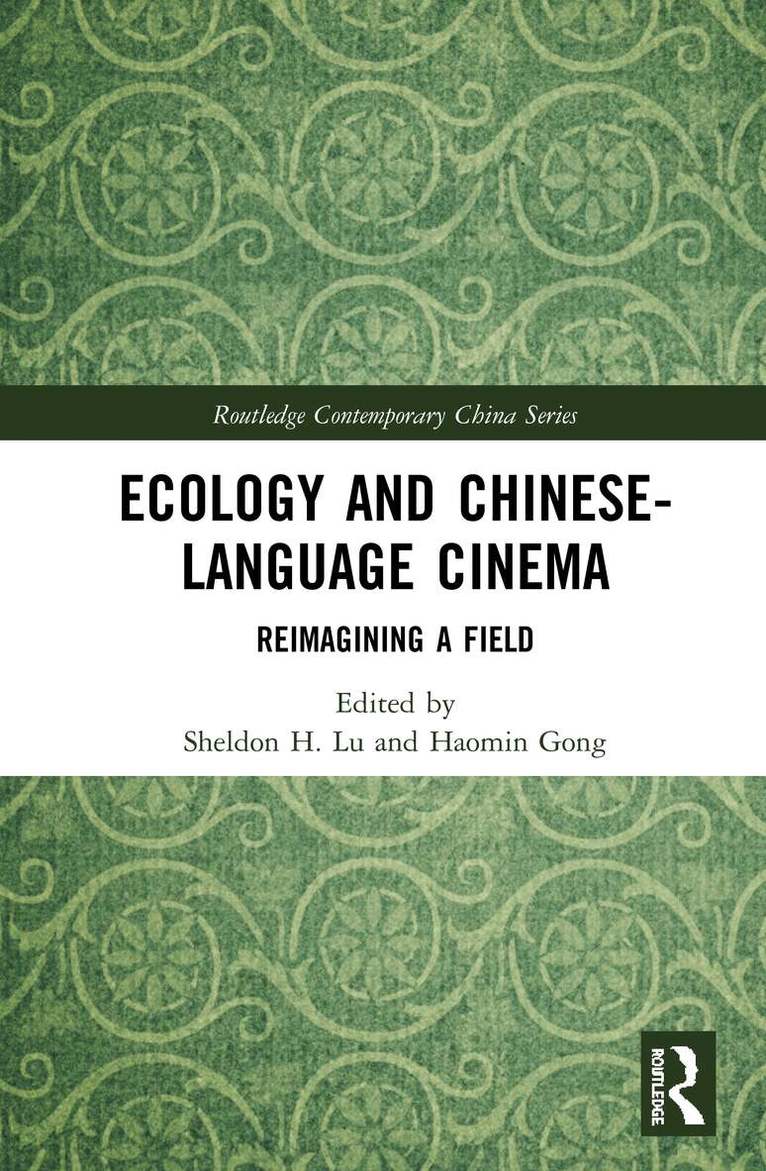
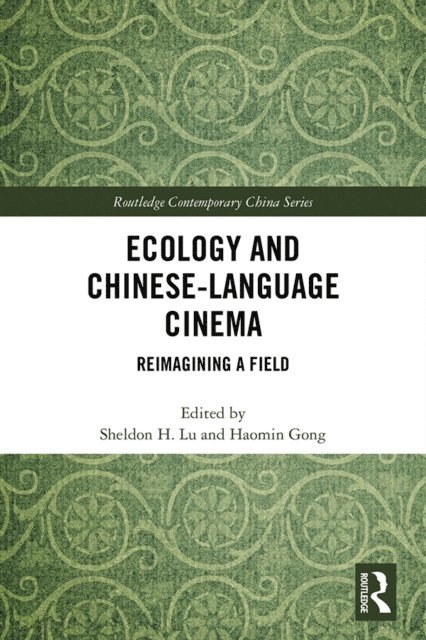
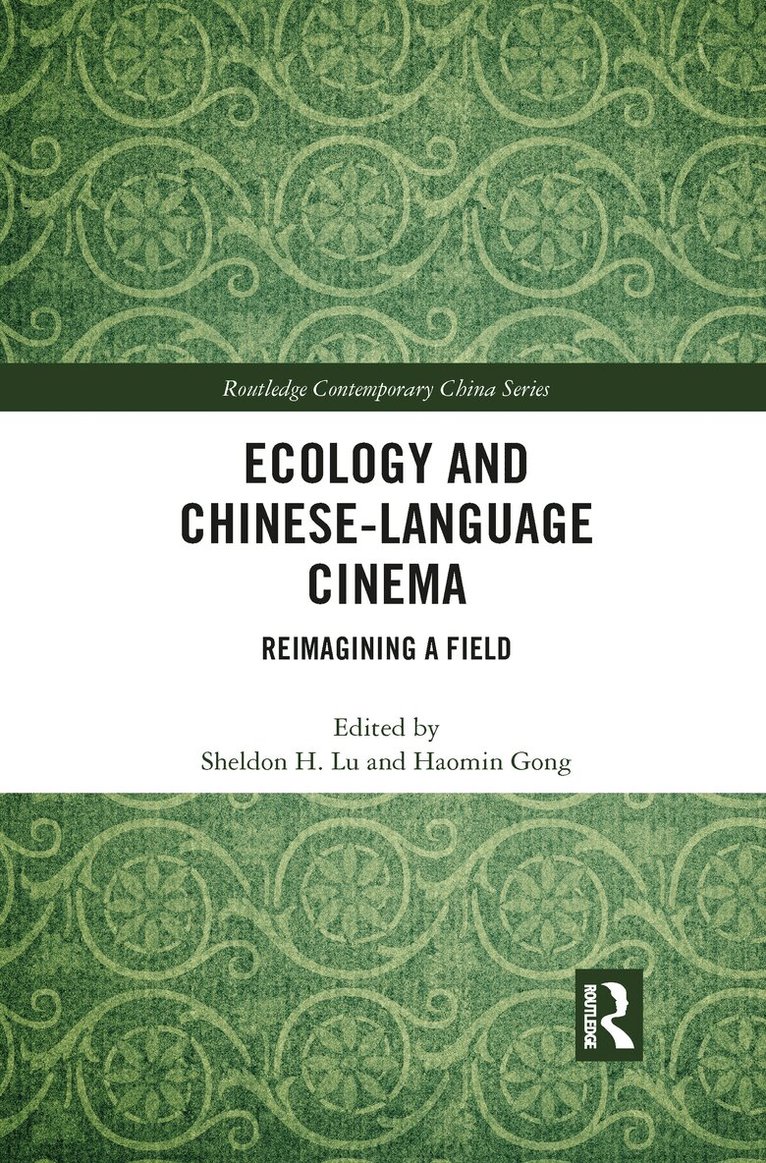
This edited collection explores new developments in the burgeoning field of Chinese ecocinema, examining a variety of works from local productions to global market films, spanning the Maoist era to the present.The ten chapters examine films with ecological significance in mainland China, Hong Kong, and Taiwan, including documentaries, feature films, blockbusters and independent productions. Covering not only well-known works, such as Under the Dome, Wolf Totem, Tie Xi Qu: West of the Tracts, and Mermaid, this book also provides analysis of less well-known but critically important works, such as Anchorage Prohibited, Luzon, and Three Flower/Tri-Color. The unique perspectives this book provides, along with the comprehensive engagement with existing Chinese and English scholarship, not only extend the scope of the growing field of ecocinematic studies, but also seeks to reform the means through which Chinese-language eco-films are understood in the years to come.Ecology and Chinese-Language Ecocinema will be of huge interest to students and scholars in the fields of Chinese cinema, environmental studies, media and communication studies.
2 165 kr
Skickas inom 10-15 vardagar
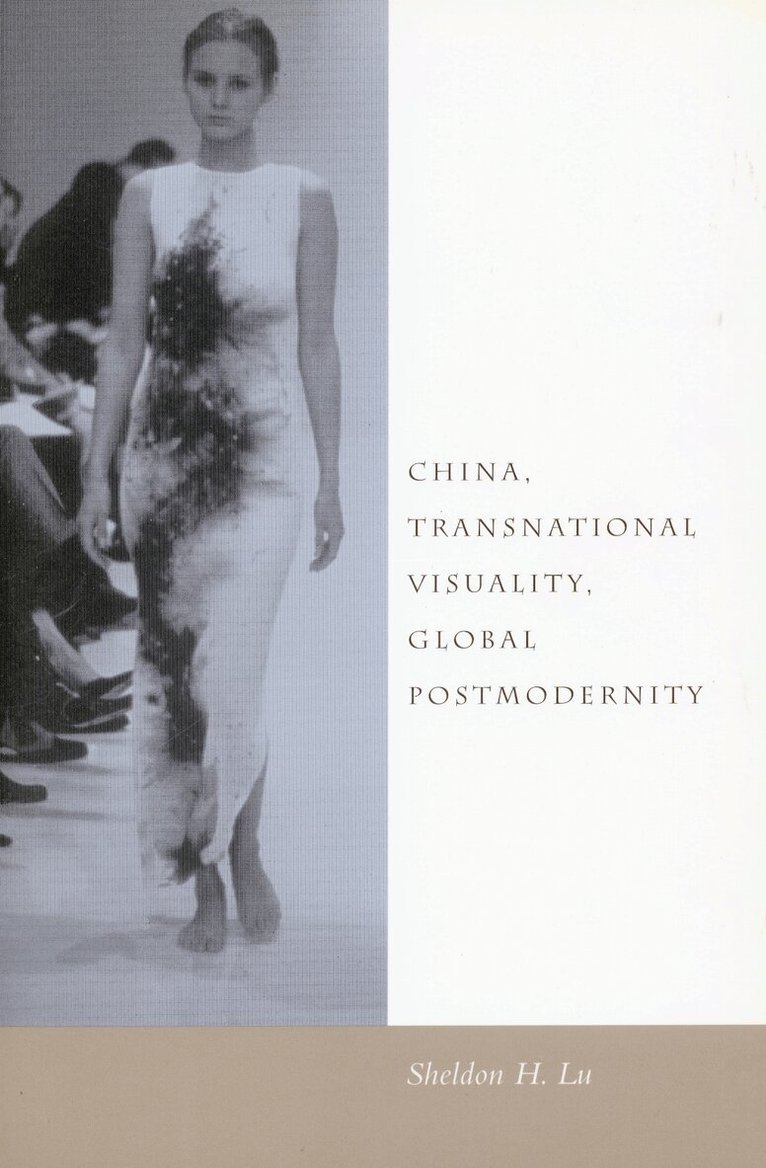
This ambitious work offers a comprehensive mapping of the cultural landscape of China in the late twentieth century. By focusing on Chinese cultural formations and critical discourses of the last decade of the century, the book dissects the intellectual, economic, and political contradictions of a turbulent era—post-cold war, postsocialist, and postmodern—in China's history.The author defines the emergent logic of Chinese postmodernity within a dominant system of global capitalism and points to the central role of the transnational flow of visual culture in the establishment of local and national identity. The Chinese case demonstrates that the old conceptual scheme of Euro-American postmodernism versus Third World national culture is no longer feasible.This wide-ranging, deeply interdisciplinary work demarcates the cultural terrain by examining diverse media: film, television, avant-garde art, and literature, as well as critical theory and intellectual history. Part I reviews the raging critical debates about the public sphere, the academy, intellectual identity, cultural politics, and economic globalization, in the process examining the Chinese appropriation of discourses of modernity, postmodernity, and postcoloniality.Part II investigates the impact of globalization and diaspora on the formation of citizenship and nationality as articulated in mainland Chinese and Hong Kong films. Part III probes issues of post-orientalism, postmodernism, and strategies of representation in contemporary Chinese art. Part IV studies pop music, soap opera, and literary bestsellers, pinpointing the dialectic and mediating function of popular culture amid the forces of official socialist ideology, capitalist commodification, mass entertainment, and transnational images in contemporary China. Overall, the book is an insightful analysis of the ironies of the cultural logic of Chinese socialism in a period that has seen accelerated economic integration into the capitalist world system, but without major political change.
545 kr
Skickas inom 10-15 vardagar
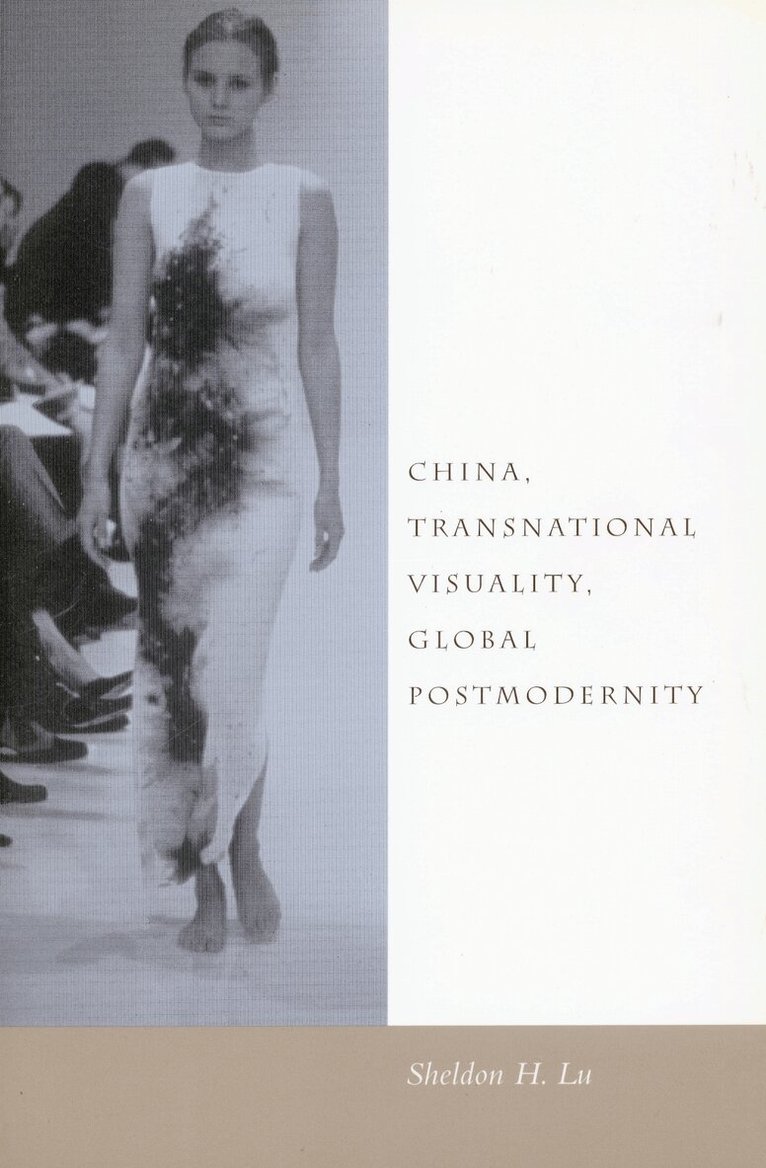
This ambitious work offers a comprehensive mapping of the cultural landscape of China in the late twentieth century. By focusing on Chinese cultural formations and critical discourses of the last decade of the century, the book dissects the intellectual, economic, and political contradictions of a turbulent era—post-cold war, postsocialist, and postmodern—in China's history.The author defines the emergent logic of Chinese postmodernity within a dominant system of global capitalism and points to the central role of the transnational flow of visual culture in the establishment of local and national identity. The Chinese case demonstrates that the old conceptual scheme of Euro-American postmodernism versus Third World national culture is no longer feasible.This wide-ranging, deeply interdisciplinary work demarcates the cultural terrain by examining diverse media: film, television, avant-garde art, and literature, as well as critical theory and intellectual history. Part I reviews the raging critical debates about the public sphere, the academy, intellectual identity, cultural politics, and economic globalization, in the process examining the Chinese appropriation of discourses of modernity, postmodernity, and postcoloniality.Part II investigates the impact of globalization and diaspora on the formation of citizenship and nationality as articulated in mainland Chinese and Hong Kong films. Part III probes issues of post-orientalism, postmodernism, and strategies of representation in contemporary Chinese art. Part IV studies pop music, soap opera, and literary bestsellers, pinpointing the dialectic and mediating function of popular culture amid the forces of official socialist ideology, capitalist commodification, mass entertainment, and transnational images in contemporary China. Overall, the book is an insightful analysis of the ironies of the cultural logic of Chinese socialism in a period that has seen accelerated economic integration into the capitalist world system, but without major political change.
617 kr
Skickas inom 10-15 vardagar
This edited collection explores new developments in the burgeoning field of Chinese ecocinema, examining a variety of works from local productions to global market films, spanning the Maoist era to the present.The ten chapters examine films with ecological significance in mainland China, Hong Kong, and Taiwan, including documentaries, feature films, blockbusters and independent productions. Covering not only well-known works, such as Under the Dome, Wolf Totem, Tie Xi Qu: West of the Tracts, and Mermaid, this book also provides analysis of less well-known but critically important works, such as Anchorage Prohibited, Luzon, and Three Flower/Tri-Color. The unique perspectives this book provides, along with the comprehensive engagement with existing Chinese and English scholarship, not only extend the scope of the growing field of ecocinematic studies, but also seeks to reform the means through which Chinese-language eco-films are understood in the years to come.Ecology and Chinese-Language Ecocinema will be of huge interest to students and scholars in the fields of Chinese cinema, environmental studies, media and communication studies.