Shelley Baranowski – författare
Visar alla böcker från författaren Shelley Baranowski. Handla med fri frakt och snabb leverans.
9 produkter
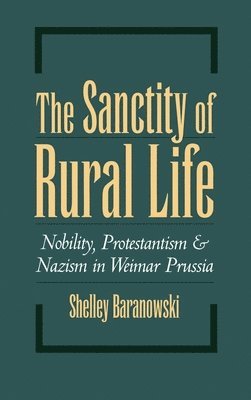
The Sanctity of Rural Life
Nobility, Protestantism, and Nazism in Weimar Prussia
Inbunden, 1995
3885 kr
Lägg i varukorg
This is a study of rural social relationships in the eastern Prussian provinces during the Weimar Republic. Using the province of Pomerania as its primary example, Baranowski assesses the contributions of rural elites, particularly Junker landlords and Protestant clergymen, to the rise of National …
Sanctity of Rural Life
Nobility, Protestantism, and Nazism in Weimar Prussia
E-bok, 1995
2473 kr
Lägg i varukorg
In this ground-breaking study, Shelley Baranowski not only explores how and why church-going Protestants in eastern Prussia turned to Nazism in large numbers, but also shows that the rural elite and the church propagated a myth of the stability, the wholesomeness, and the class-harmony--in short, …
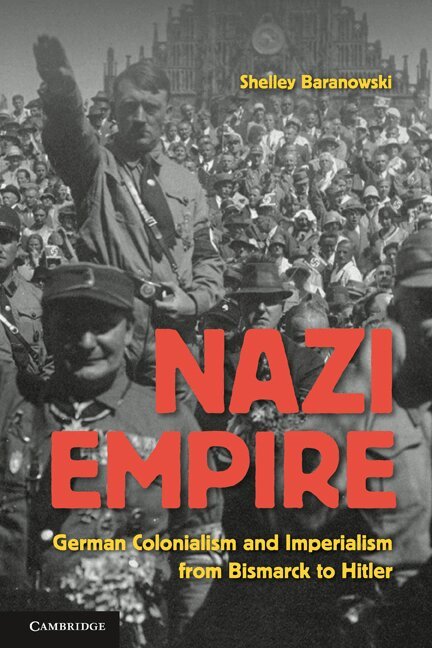
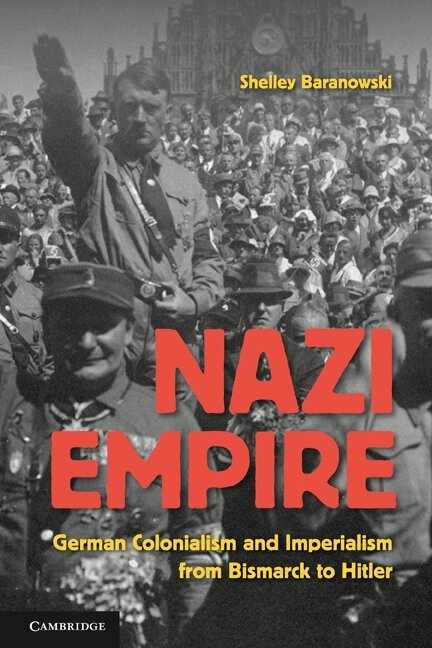
Nazi Empire
German Colonialism and Imperialism from Bismarck to Hitler
Häftad, 2010
569 kr
Lägg i varukorg
Drawing on recent studies of the links between empire, colonialism and genocide, Nazi Empire examines German history from 1871 to 1945 as an expression of the aspiration to imperialist expansion and the simultaneous fear of destruction by rivals. Acknowledging the important differences between the …
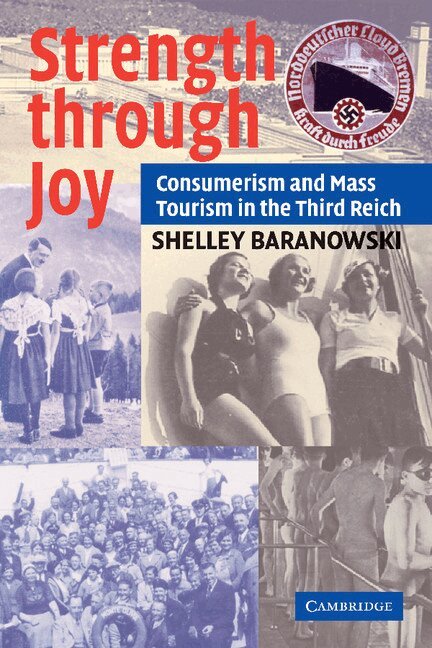
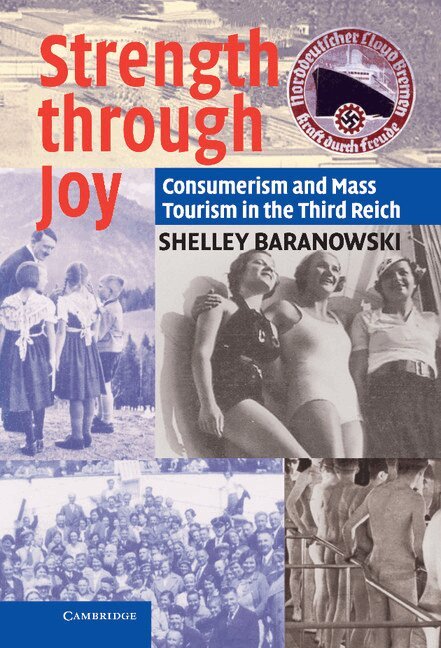
Strength through Joy
Consumerism and Mass Tourism in the Third Reich
Häftad, 2007
485 kr
Lägg i varukorg
Based on extensive archival research, this book was the first major one on the Nazi leisure and tourism agency, Strength through Joy (KdF). The Third Reich aimed to unify Germans in preparation for war and the acquisition of 'living space'. Strength through Joy became the Nazi regime's most …
Strength through Joy
Consumerism and Mass Tourism in the Third Reich
Inbunden, 2004
1391 kr
Lägg i varukorg
Based on extensive archival research, this book was the first major one on the Nazi leisure and tourism agency, Strength through Joy (KdF). The Third Reich aimed to unify Germans in preparation for war and the acquisition of 'living space'. Strength through Joy became the Nazi regime's most …
Nazi Empire
German Colonialism and Imperialism from Bismarck to Hitler
Inbunden, 2010
1733 kr
Lägg i varukorg
Drawing on recent studies of the links between empire, colonialism and genocide, Nazi Empire examines German history from 1871 to 1945 as an expression of the aspiration to imperialist expansion and the simultaneous fear of destruction by rivals. Acknowledging the important differences between the …
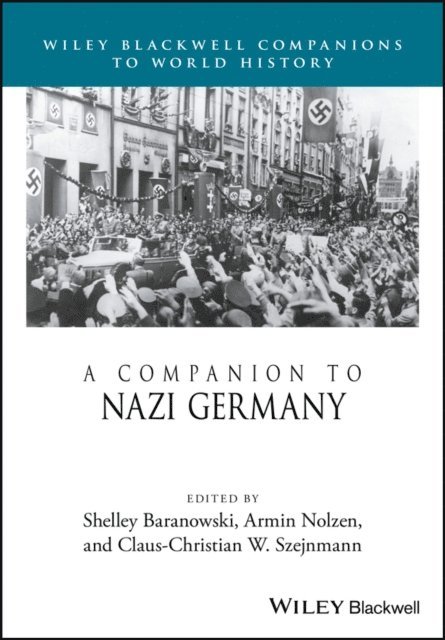
Companion to Nazi Germany
Av Claus-Christian W. Szejnmann, Armin Nolzen m. fl.
E-bok, 2018
2315 kr
Lägg i varukorg
A Deep Exploration of the Rise, Reign, and Legacy of the Third Reich For its brief existence, National Socialist Germany was one of the most destructive regimes in the history of humankind. Since that time, scholarly debate about its causes has volleyed continuously between the effects of political …
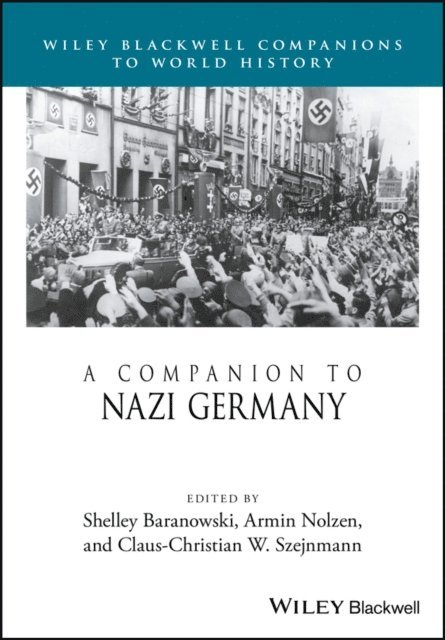
Companion to Nazi Germany
Av Shelley Baranowski, Shelley Baranowski m. fl.
Inbunden, 2018
2026 kr
Lägg i varukorg
A Deep Exploration of the Rise, Reign, and Legacy of the Third Reich For its brief existence, National Socialist Germany was one of the most destructive regimes in the history of humankind. Since that time, scholarly debate about its causes has volleyed continuously between the effects of political …
Companion to Nazi Germany
Av Claus-Christian W. Szejnmann, Armin Nolzen m. fl.
E-bok, 2018
607 kr
Lägg i varukorg
A Deep Exploration of the Rise, Reign, and Legacy of the Third Reich For its brief existence, National Socialist Germany was one of the most destructive regimes in the history of humankind. Since that time, scholarly debate about its causes has volleyed continuously between the effects of political …