
Shen Yi – författare
2 488 kr
Skickas inom 10-15 vardagar
807 kr
Läs direkt efter köp
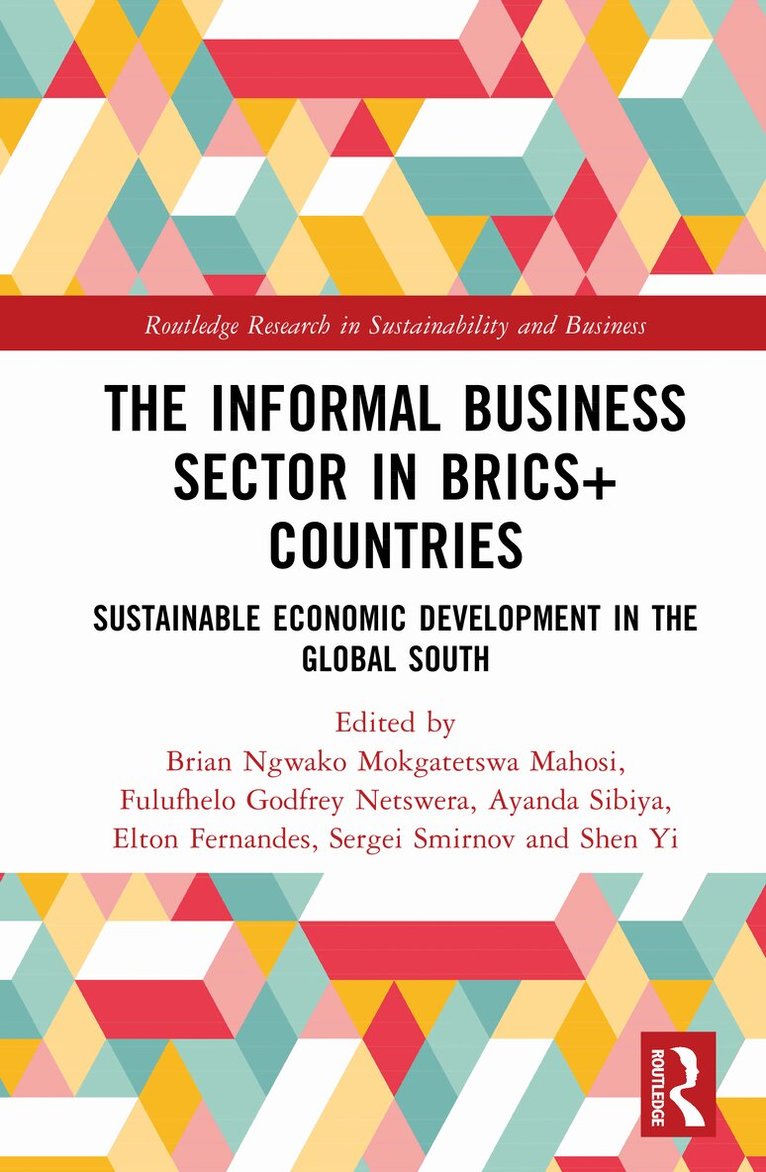
This book presents a critical analysis of the informal business sector and explores how it can be effectively leveraged to contribute to inclusive and sustainable economic development within BRICS+ nations and the Global South.
Drawing on insights from dualistic economic theory, the dynamics of informal markets, and institutional roles in economic growth, the authors emphasize the need for nuanced and evidence-based policy approaches. Through the application of key theoretical frameworks—including the Lewis Model, segmented labour market theory, and new institutional economics—the book evaluates the sector’s role in shaping economic development indicators across BRICS+ nations and the Global South. In particular, the volume provides policy frameworks to support the formalization and empowerment of informal enterprises, contributing to inclusive growth and resilient economic systems. It also analyses and offers solutions on how the informal sector can best be engaged and explains that in order to create policies that effectively harness the informal business sector''s potential for economic development, a deeper understanding of it is imperative. Over the course of the book, ideas from the fields of dualistic economies, the dynamics of the informal sector, and the function of institutions in economic growth are incorporated.
Targeted at scholars, policymakers, and practitioners in the fields of entrepreneurship, development economics, and informal enterprise, the book offers both academic insights and practical policy recommendations. It serves as a valuable resource for understanding the structural, cultural, and institutional forces influencing the informal sector in emerging economies.
807 kr
Läs direkt efter köp
This book presents a critical analysis of the informal business sector and explores how it can be effectively leveraged to contribute to inclusive and sustainable economic development within BRICS+ nations and the Global South.
Drawing on insights from dualistic economic theory, the dynamics of informal markets, and institutional roles in economic growth, the authors emphasize the need for nuanced and evidence-based policy approaches. Through the application of key theoretical frameworks—including the Lewis Model, segmented labour market theory, and new institutional economics—the book evaluates the sector’s role in shaping economic development indicators across BRICS+ nations and the Global South. In particular, the volume provides policy frameworks to support the formalization and empowerment of informal enterprises, contributing to inclusive growth and resilient economic systems. It also analyses and offers solutions on how the informal sector can best be engaged and explains that in order to create policies that effectively harness the informal business sector''s potential for economic development, a deeper understanding of it is imperative. Over the course of the book, ideas from the fields of dualistic economies, the dynamics of the informal sector, and the function of institutions in economic growth are incorporated.
Targeted at scholars, policymakers, and practitioners in the fields of entrepreneurship, development economics, and informal enterprise, the book offers both academic insights and practical policy recommendations. It serves as a valuable resource for understanding the structural, cultural, and institutional forces influencing the informal sector in emerging economies.

166 kr
Läs direkt efter köp