Sheri A. Berenbaum – författare
Visar alla böcker från författaren Sheri A. Berenbaum. Handla med fri frakt och snabb leverans.
4 produkter
4 produkter
Häftad, Engelska, 2014
857 kr
Skickas inom 10-15 vardagar
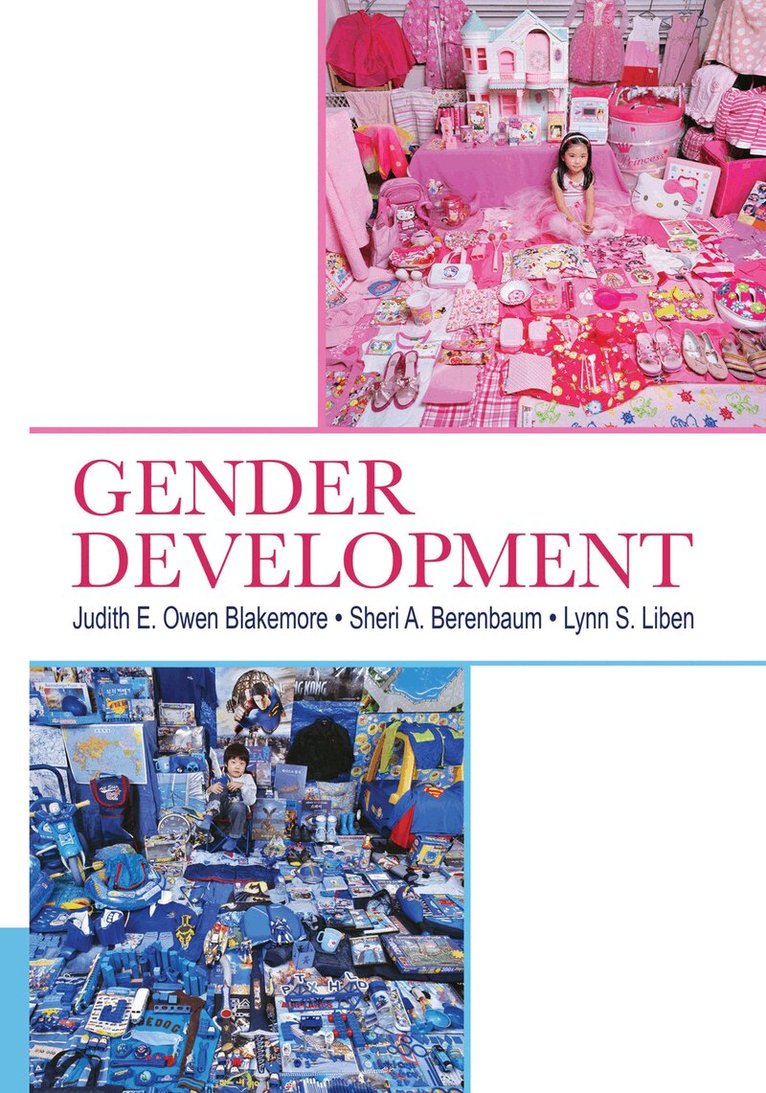
This text offers a unique developmental focus on gender. Gender development is examined from infancy through adolescence, integrating biological, socialization, and cognitive perspectives. The book’s current empirical focus is complemented by a lively and readable style that includes anecdotes about children’s everyday experiences. The book’s accessibility is further enhanced with the use of bold face to highlight key terms when first introduced along with a complete glossary of these terms. All three of the authors are respected researchers in divergent areas of children’s gender role development and each of them teaches a course on the topic. The book’s primary focus is on gender role behaviors – how they develop and the roles biological and experiential factors play in their development. The first section of the text introduces the field and outlines its history. Part 2 focuses on the differences between the sexes, including the biology of sex and the latest research on behavioral sex differences, including motor and cognitive behaviors and personality and social behaviors. Contemporary theoretical perspectives on gender development – biological, social and environmental, and cognitive approaches – are explored in Part 3 along with the research supporting these models. The social agents of gender development, including children themselves, family, peers, the media, and schools are addressed in the final part.Cutting-edge and comprehensive, this is the perfect text for those who have been searching for an advanced undergraduate and/or graduate book for courses in gender development, the psychology of sex roles and/or gender and/or women or men, taught in departments of psychology, human development, and educational psychology. Although chapters have been designed to be read sequentially, a full author citation is included the first time a reference is used within an individual chapter rather than only the first time it is used in the book, making it easy to assign chapters in a variety of orders. This referencing system will also appeal to scholars interested in using the book as a resource to review a particular content area.
Inbunden, Engelska, 2008
1 986 kr
Skickas inom 10-15 vardagar
This text offers a unique developmental focus on gender. Gender development is examined from infancy through adolescence, integrating biological, socialization, and cognitive perspectives. The book’s current empirical focus is complemented by a lively and readable style that includes anecdotes about children’s everyday experiences. The book’s accessibility is further enhanced with the use of bold face to highlight key terms when first introduced along with a complete glossary of these terms. All three of the authors are respected researchers in divergent areas of children’s gender role development and each of them teaches a course on the topic. The book’s primary focus is on gender role behaviors – how they develop and the roles biological and experiential factors play in their development. The first section of the text introduces the field and outlines its history. Part 2 focuses on the differences between the sexes, including the biology of sex and the latest research on behavioral sex differences, including motor and cognitive behaviors and personality and social behaviors. Contemporary theoretical perspectives on gender development – biological, social and environmental, and cognitive approaches – are explored in Part 3 along with the research supporting these models. The social agents of gender development, including children themselves, family, peers, the media, and schools are addressed in the final part.Cutting-edge and comprehensive, this is the perfect text for those who have been searching for an advanced undergraduate and/or graduate book for courses in gender development, the psychology of sex roles and/or gender and/or women or men, taught in departments of psychology, human development, and educational psychology. Although chapters have been designed to be read sequentially, a full author citation is included the first time a reference is used within an individual chapter rather than only the first time it is used in the book, making it easy to assign chapters in a variety of orders. This referencing system will also appeal to scholars interested in using the book as a resource to review a particular content area.
E-bok
Engelska, 2014801 kr
Läs direkt efter köp
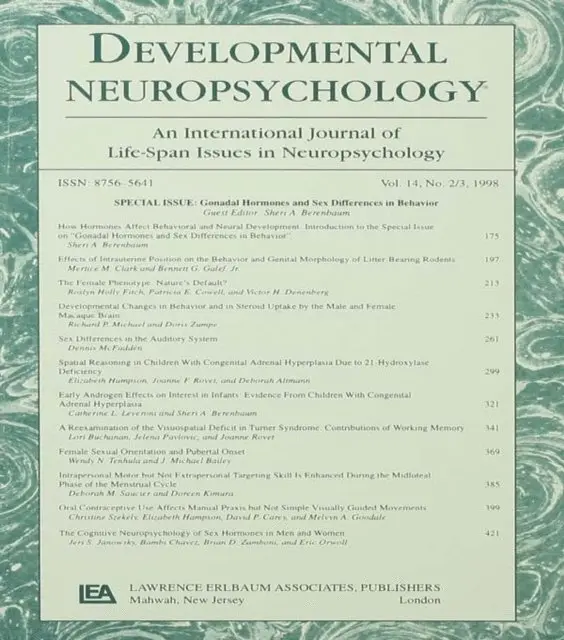
As the papers in this special issue demonstrate, gonadal hormones have powerful effects on the development of the brain and behavior in human beings, as in other species. Both androgens and estrogens affect behavior throughout development, from early prenatal life through adulthood, as demonstrated in studies with a variety of methods in several species. The articles also describe attempts to identify the mechanisms--neural and basic behavioral--that mediate hormonal effects on complex human behaviors. This issue testifies to the breadth and vitality of research into the ways that hormones affect the development of sex-typical behavior, and illustrates several important themes that have emerged in human psychoneuroendocrinology. First, it is now clear that hormones do affect human behavior, and the important questions relate to the mechanisms and details of hormone action. Second, there are many ways to study hormone effects on human behavior, and this issue describes these methods and their products. Third, traditional conceptions of hormone-behavior relations have generally stood the test of time, but recent developments have begun to reveal the complexity of these relations. Taken as a whole, the articles in this special issue are interesting and worthwhile reading in their own right, but they may also act to stimulate developmental neuropsychologists to consider hormones in their own studies.
E-bok
PDF, Engelska, 2014801 kr
Läs direkt efter köp
As the papers in this special issue demonstrate, gonadal hormones have powerful effects on the development of the brain and behavior in human beings, as in other species. Both androgens and estrogens affect behavior throughout development, from early prenatal life through adulthood, as demonstrated in studies with a variety of methods in several species. The articles also describe attempts to identify the mechanisms--neural and basic behavioral--that mediate hormonal effects on complex human behaviors. This issue testifies to the breadth and vitality of research into the ways that hormones affect the development of sex-typical behavior, and illustrates several important themes that have emerged in human psychoneuroendocrinology. First, it is now clear that hormones do affect human behavior, and the important questions relate to the mechanisms and details of hormone action. Second, there are many ways to study hormone effects on human behavior, and this issue describes these methods and their products. Third, traditional conceptions of hormone-behavior relations have generally stood the test of time, but recent developments have begun to reveal the complexity of these relations. Taken as a whole, the articles in this special issue are interesting and worthwhile reading in their own right, but they may also act to stimulate developmental neuropsychologists to consider hormones in their own studies.