Sheri Chinen Biesen - Böcker
Visar alla böcker från författaren Sheri Chinen Biesen. Handla med fri frakt och snabb leverans.
7 produkter
7 produkter
188 kr
Skickas inom 7-10 vardagar
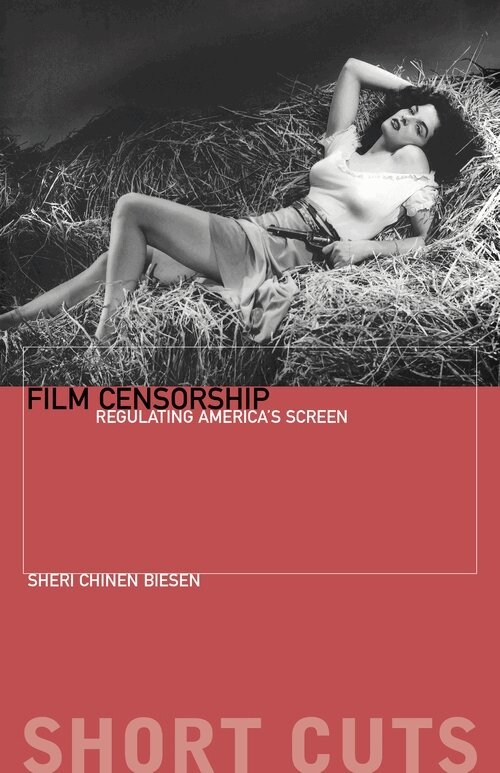
Film Censorship is a concise overview of Hollywood censorship and efforts to regulate American films. It provides a lean introductory survey of U.S. cinema censorship from the pre-Code years and classic studio system Golden Age—in which film censorship thrived—to contemporary Hollywood. From the earliest days of cinema, movies faced controversy over screen images and threats of censorship. This volume draws extensively on primary research from motion picture archives to unveil the fascinating behind-the-scenes history of cinema censorship and explore how Hollywood responded to censorial constraints on screen content in a changing American cultural and industrial landscape.This primer on American film censorship considers the historical evolution of motion-picture censorship in the United States spanning the Jazz Age Prohibition era, lobbying by religious groups against Hollywood, industry self-censorship for the Hays Office, federal propaganda efforts during wartime, easing of regulation in the 1950s and 1960s, the MPAA ratings system, and the legacy of censorship in later years. Case studies include The Outlaw, The Postman Always Rings Twice, Scarface, Double Indemnity, Psycho, Bonnie and Clyde, Midnight Cowboy, and The Exorcist, among many others.
1 008 kr
Skickas inom 7-10 vardagar
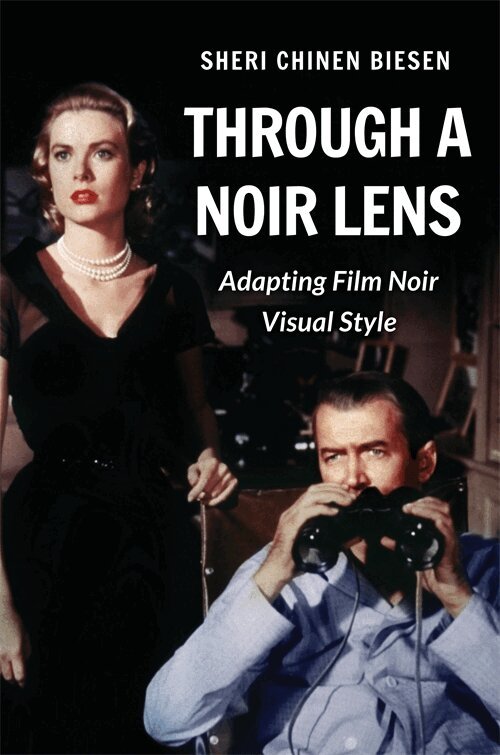
Shadows. Smoke. Dark alleys. Rain-slicked city streets. These are iconic elements of film noir visual style. Long after its 1940s heyday, noir hallmarks continue to appear in a variety of new media forms and styles. What has made the noir aesthetic at once enduring and adaptable?Sheri Chinen Biesen explores how the dark cinematic noir style has evolved across eras, from classic Hollywood to present-day streaming services. Examining both aesthetics and material production conditions, she demonstrates how technological and industrial changes have influenced the imagery of film noir. When it emerged in the early 1940s, the visual style’s distinctive shadowy look was in part a product of wartime cinema conditions and technologies, such as blackouts and nitrate film stock. Since the 1950s, technical developments from acetate film stock and new cameras and lenses to lighting, color, and digitization have shaped the changing nature of noir style. Biesen considers the persistence of the noir legacy, discussing how neo-noirs reimagine iconic imagery and why noir style has become a touchstone in the streaming era. Drawing on a wealth of archival research, she provides insightful analyses of a wide range of works, from masterpieces directed by Billy Wilder and Alfred Hitchcock to New Hollywood neo-noirs, the Coen brothers’ revisionist films, and recent HBO and Netflix series.A groundbreaking technological and industrial history of an essential yet slippery visual style, Through a Noir Lens shines a light into the shadows of film noir.
258 kr
Skickas inom 7-10 vardagar
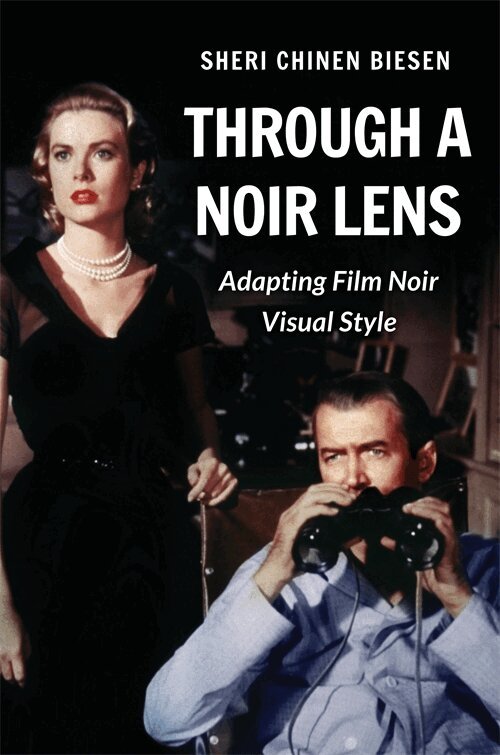
Shadows. Smoke. Dark alleys. Rain-slicked city streets. These are iconic elements of film noir visual style. Long after its 1940s heyday, noir hallmarks continue to appear in a variety of new media forms and styles. What has made the noir aesthetic at once enduring and adaptable?Sheri Chinen Biesen explores how the dark cinematic noir style has evolved across eras, from classic Hollywood to present-day streaming services. Examining both aesthetics and material production conditions, she demonstrates how technological and industrial changes have influenced the imagery of film noir. When it emerged in the early 1940s, the visual style’s distinctive shadowy look was in part a product of wartime cinema conditions and technologies, such as blackouts and nitrate film stock. Since the 1950s, technical developments from acetate film stock and new cameras and lenses to lighting, color, and digitization have shaped the changing nature of noir style. Biesen considers the persistence of the noir legacy, discussing how neo-noirs reimagine iconic imagery and why noir style has become a touchstone in the streaming era. Drawing on a wealth of archival research, she provides insightful analyses of a wide range of works, from masterpieces directed by Billy Wilder and Alfred Hitchcock to New Hollywood neo-noirs, the Coen brothers’ revisionist films, and recent HBO and Netflix series.A groundbreaking technological and industrial history of an essential yet slippery visual style, Through a Noir Lens shines a light into the shadows of film noir.
442 kr
Kommande
329 kr
Skickas inom 7-10 vardagar
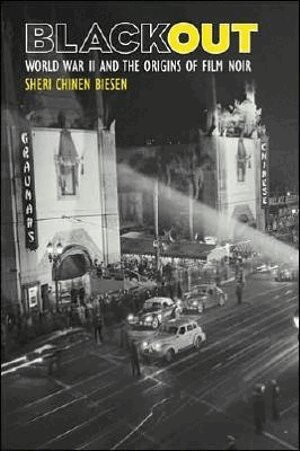
Challenging conventional scholarship placing the origins of film noir in postwar Hollywood, Sheri Chinen Biesen finds the genre's roots firmly planted in the political, social, and material conditions of Hollywood during the war. After Pearl Harbor, America and Hollywood experienced a sharp cultural transformation that made horror, shock, and violence not only palatable but preferable. Hard times necessitated cheaper sets, fewer lights, and fresh talent; censors as well as the movie-going public showed a new tolerance for sex and violence; and female producers experienced newfound prominence in the industry. Biesen brings prodigious archival research, accessible prose, and imaginative insights to both well-known films noir of the wartime period- The Maltese Falcon, The Big Sleep, and Double Indemnity-and others often overlooked or underrated- Scarlet Street, Ministry of Fear, Phantom Lady, and Stranger on the Third Floor.
692 kr
Tillfälligt slut
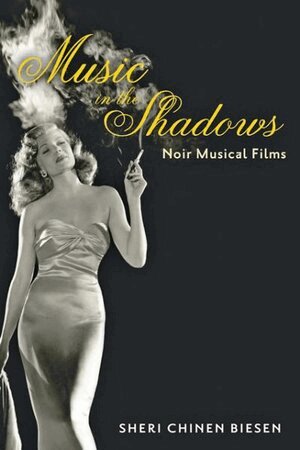
Smoke. Shadows. Moody strains of jazz. Welcome to the world of "noir musical" films, where tormented antiheroes and hard-boiled musicians battle obsession and struggle with their music and ill-fated love triangles. Sultry divas dance and sing the blues in shrouded nightclubs. Romantic intrigue clashes with backstage careers. In her pioneering study, Music in the Shadows, film noir expert Sheri Chinen Biesen explores musical films that use film noir style and bluesy strains of jazz to inhabit a disturbing underworld and reveal the dark side of fame and the American Dream. While noir musical films like A Star Is Born include musical performances, their bleak tone and expressionistic aesthetic more closely resemble the visual style of film noir. Their narratives unfold behind a stark noir lens: distorted, erratic angles and imbalanced hand-held shots allow the audience to experience a tortured, disillusioned perspective.While many musicals glamorize the quest for the spotlight in Hollywood's star factory, brooding noir musical films such as Blues in the Night, Gilda, The Red Shoes, West Side Story, and Round Midnight stretch the boundaries of film noir and the musical as film genres collide. Deep shadows, dim lighting, and visual composition evoke moodiness, cynicism, pessimism, and subjective psychological points of view. As in her earlier study of film noir, Blackout: World War II and the Origins of Film Noir, Biesen draws on extensive primary research in studio archives to situate her examination within a historical, industrial, and cultural context.
395 kr
Skickas inom 7-10 vardagar
Smoke. Shadows. Moody strains of jazz. Welcome to the world of "noir musical" films, where tormented antiheroes and hard-boiled musicians battle obsession and struggle with their music and ill-fated love triangles. Sultry divas dance and sing the blues in shrouded nightclubs. Romantic intrigue clashes with backstage careers. In her pioneering study, Music in the Shadows, film noir expert Sheri Chinen Biesen explores musical films that use film noir style and bluesy strains of jazz to inhabit a disturbing underworld and reveal the dark side of fame and the American Dream. While noir musical films like A Star Is Born include musical performances, their bleak tone and expressionistic aesthetic more closely resemble the visual style of film noir. Their narratives unfold behind a stark noir lens: distorted, erratic angles and imbalanced hand-held shots allow the audience to experience a tortured, disillusioned perspective.While many musicals glamorize the quest for the spotlight in Hollywood's star factory, brooding noir musical films such as Blues in the Night, Gilda, The Red Shoes, West Side Story, and Round Midnight stretch the boundaries of film noir and the musical as film genres collide. Deep shadows, dim lighting, and visual composition evoke moodiness, cynicism, pessimism, and subjective psychological points of view. As in her earlier study of film noir, Blackout: World War II and the Origins of Film Noir, Biesen draws on extensive primary research in studio archives to situate her examination within a historical, industrial, and cultural context.