• Fri frakt över 249 kr
  • •
  • Snabba leveranser
  • •
  • Billiga böcker
Kundservice

Du är på sajten för privatpersoner.

Företag, bibliotek eller offentlig verksamhet?

Du handlar på classic.bokus.com, där alla dina funktioner finns intakta.
Till classic.bokus.com
Bokus logotyp. Gå till startsidan.
  • Erbjudanden
  • Nyheter
  • Student
  • Topplistor
  • Barn & ungdom
  • Bokus Play
  • E-böcker
  • Pocketböcker
  • Spel & pussel

10% rabatt på allt med kod NYSTART10 →

Sidfot

Mina sidor

    Hjälp

    • Kundservice
    • Vanliga frågor och svar
    • Frakt och leverans
    • Retur vid ångerrätt
    • Reklamera vara
    • Betalning
    • Köpvillkor
    • Allmänna villkor
    • Information om webbplatsens tillgänglighet

    Om Bokus

    • Om oss
    • Pressrum
    • För studenter
    • För företag
    • För bibliotek och offentlig verksamhet
    • För leverantörer
    • Hållbarhet

    Populärt

    • Aktuella erbjudanden
    • Presentkort
    • Studentlitteratur
    • Nya böcker
    • Topplistor
    • Signerade böcker
    • Engelska böcker

    Inspiration

    • Boktips
    • BookTok
    • Populära bokserier
    • Barnbokskaraktärer
    • Populära författare
    Logotyp för Bokus
    Följ oss på Facebook (extern länk)Följ oss på Instagram (extern länk)Följ oss på YouTube (extern länk)Följ oss på TikTok (extern länk)
    bokus @ CookiesAnpassa cookiesIntegritetspolicyKöpvillkor
    Till Citymail hemsida (extern länk)Till Budbee hemsida (extern länk)Till Postnord hemsida (extern länk)Till Schenker hemsida (extern länk)Till Early Bird hemsida (extern länk)Till Walleys hemsida (extern länk)
    1. Kultur
    2. Scenkonst och film
    3. Film

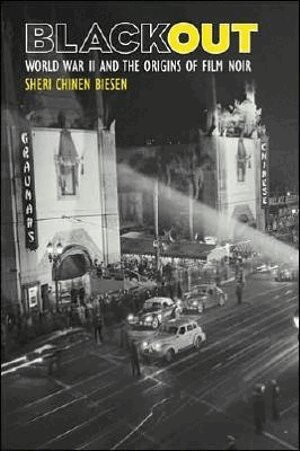
    Blackout

    World War II and the Origins of Film Noir

    AvSheri Chinen Biesen

    Häftad, Engelska, 2006

    341 kr

    Beställningsvara. Skickas inom 5-8 vardagar. Fri frakt över 249 kr.

    Beskrivning

    Challenging conventional scholarship placing the origins of film noir in postwar Hollywood, Sheri Chinen Biesen finds the genre's roots firmly planted in the political, social, and material conditions of Hollywood during the war. After Pearl Harbor, America and Hollywood experienced a sharp cultural transformation that made horror, shock, and violence not only palatable but preferable. Hard times necessitated cheaper sets, fewer lights, and fresh talent; censors as well as the movie-going public showed a new tolerance for sex and violence; and female producers experienced newfound prominence in the industry. Biesen brings prodigious archival research, accessible prose, and imaginative insights to both well-known films noir of the wartime period- The Maltese Falcon, The Big Sleep, and Double Indemnity-and others often overlooked or underrated- Scarlet Street, Ministry of Fear, Phantom Lady, and Stranger on the Third Floor.

    Produktinformation

    • Utgivningsdatum:2006-01-06
    • Mått:152 x 229 x 15 mm
    • Vikt:408 g
    • Format:Häftad
    • Språk:Engelska
    • Antal sidor:264
    • Förlag:Johns Hopkins University Press
    • ISBN:9780801882180

    Utforska kategorier

    • Film inom Kultur

    Mer om författaren

    Sheri Chinen Biesen is an associate professor of radio, television, and film studies at Rowan University.

    Recensioner i media

    Biesen adds a new perspective that enhances scholarship on the subject and makes this book a must. Choice 2006 Ms Biesen describes too how film noir drew on societal anxieties as Americans faced fear, loss and shortages during the war and viewed ever-more-harrowing newsreel footage. 'As life on the homefront became increasingly hard-boiled,' she writes, 'so too did American film.' -- Nina Ayoub Chronicle of Higher Education 2006 Biesen's book is readable, informative and jargon free... Biesen uses her research into studio archives, the films' attendant publicity and the contemporary press to bring alive the wartime period of film noir and its transformation into a post-war genre for dealing with troubled veterans returning home, the coming of the Cold War, nuclear angst and the effects of McCarthyism on Hollywood and the nation at large. Times Literary Supplement 2006 Readers will come away from Blackout with a fuller understanding of the industrial and historical contexts of wartime film noir. -- Charles Maland Cineaste 2006 This text offers a compelling history of wartime Hollywood and a provocative challenge to current noir scholarship. Southern California Quarterly 2006 An important contribution to the history of film noir. -- Jan-Christopher Horak Screening the Past 2006 A film noir aficionado, Biesen provides the most detailed and thoroughly researched interpretation of this era's American film noir. -- Clayton Koppes American Historical Review 2007 The author is to be congratulated on producing an exemplary study in empirical film history. -- Brian Neve Historical Journal of Film, Radio, and Television 2008

    Innehållsförteckning

    • List of IllustrationsAcknowledgmentsChapter 1. IntroductionChapter 2. The Elements of Noir Come TogetherChapter 3. Hollywood in the Aftermath of Pearl HarborChapter 4. Censorship, Hard-Boiled Fiction, and Hollywood's "Red Meat" Crime CycleChapter 5. Rosie the Riveter Goes to HollywoodChapter 6. Hyphenates and Hard-Boiled CrimeChapter 7. Black Film, Red MeatNotesIndex