Sherril Dodds – Författare
Visar alla böcker från författaren Sherril Dodds. Handla med fri frakt och snabb leverans.
7 produkter
7 produkter
1 989 kr
Skickas inom 5-8 vardagar
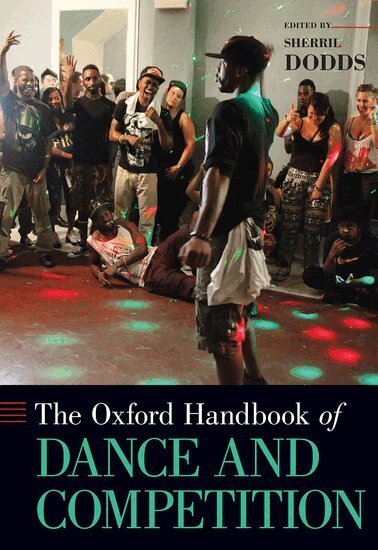
In the twenty-first century, values of competition underpin the free-market economy and aspirations of individual achievement shape the broader social world. Consequently, ideas of winning and losing, success and failure, judgment and worth, influence the dance that we see and do. Across stage, studio, street, and screen, economies of competition impact bodily aesthetics, choreographic strategies, and danced meanings. In formalized competitions, dancers are judged according to industry standards to accumulate social capital and financial gain. Within the capitalist economy, dancing bodies compete to win positions in prestigious companies, while choreographers hustle to secure funding and attract audiences. On the social dance floor, dancers participate in dance-offs that often include unspoken, but nevertheless complex, rules of bodily engagement. And the media attraction to the drama and spectacle of competition regularly plays out in reality television shows, film documentaries, and Hollywood cinema. Drawing upon a diverse collection of dances across history and geography, The Oxford Handbook of Dance and Competition asks how competition affects the presentation and experience of dance and, in response, how dancing bodies negotiate, critique, and resist the aesthetic and social structures of the competition paradigm.
1 208 kr
Skickas inom 7-10 vardagar
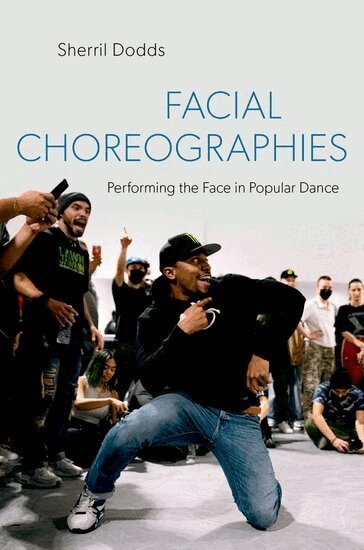
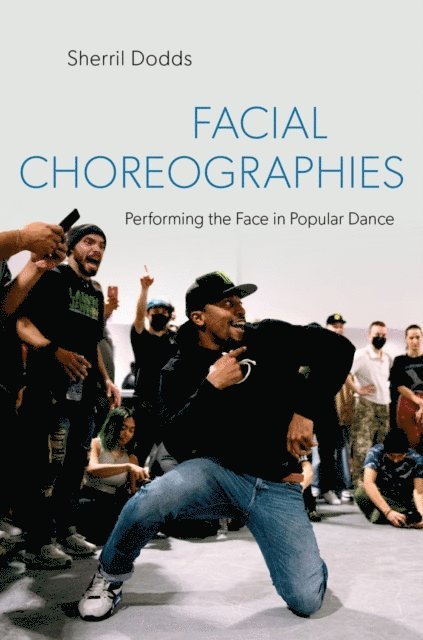
The face contributes a vital, yet often overlooked, component of dance performance. Facial Choreographies: Performing the Face in Popular Dance examines what the face does in dance and what it may mean. Author Sherril Dodds focuses on popular presentational dance, which permits the face to be one of excess and spectacle, as well as disclosure or deception. The concept of facial choreography resists the idea that the expressive countenance in dance is simply by chance, and instead conceives its movement as purposeful, creative, and communicative. The book centers on three facial case studies: global celebrity Michael Jackson, whose face has occupied a site of fervent controversy; Maddie Ziegler, child star of the reality television series Dance Moms and de facto face of pop star Sia; and a community of hip hop dancers who engage in fiercely contested dance battles. Chapters are organized according to action-expressions, actively working even in times of stillness: SMILE, LOOK, FROWN, CRY, SCREAM, and LAUGH. Across each case study, the book explores pedagogies of facial composition, the purpose of codified expressions, and how dancers re-choreograph their faces as a critical unworking of what a dancing visage might represent. Facial choreographies engender opportunity for startling creativity, the articulation of identity, a cathartic expression of emotions and attitudes, and the capacity to dismantle previously held assumptions. As the dancing face tauntingly slips between visual, sensory, and kinetic registers it ensures that nothing can be taken at face value.
391 kr
Skickas inom 5-8 vardagar
The face contributes a vital, yet often overlooked, component of dance performance. Facial Choreographies: Performing the Face in Popular Dance examines what the face does in dance and what it may mean. Author Sherril Dodds focuses on popular presentational dance, which permits the face to be one of excess and spectacle, as well as disclosure or deception. The concept of facial choreography resists the idea that the expressive countenance in dance is simply by chance, and instead conceives its movement as purposeful, creative, and communicative. The book centers on three facial case studies: global celebrity Michael Jackson, whose face has occupied a site of fervent controversy; Maddie Ziegler, child star of the reality television series Dance Moms and de facto face of pop star Sia; and a community of hip hop dancers who engage in fiercely contested dance battles. Chapters are organized according to action-expressions, actively working even in times of stillness: SMILE, LOOK, FROWN, CRY, SCREAM, and LAUGH. Across each case study, the book explores pedagogies of facial composition, the purpose of codified expressions, and how dancers re-choreograph their faces as a critical unworking of what a dancing visage might represent. Facial choreographies engender opportunity for startling creativity, the articulation of identity, a cathartic expression of emotions and attitudes, and the capacity to dismantle previously held assumptions. As the dancing face tauntingly slips between visual, sensory, and kinetic registers it ensures that nothing can be taken at face value.
791 kr
Skickas inom 10-15 vardagar
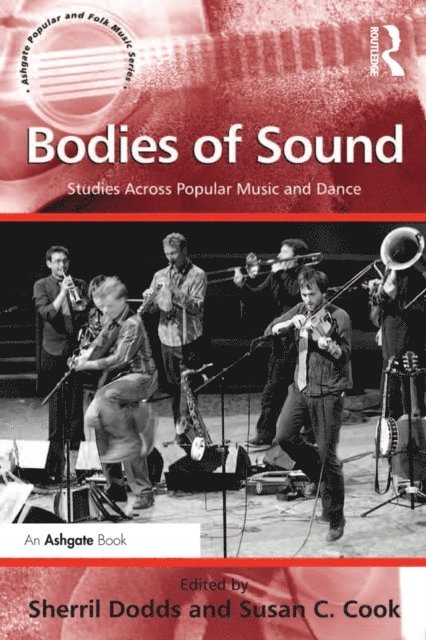
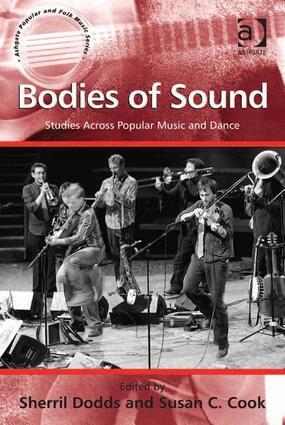
From the ragtime one-step of the early twentieth century to the contemporary practices of youth club cultures, popular dance and music are inextricably linked. This collection reveals the intimate connections between the corporeal and the sonic in the creation, transmission and reception of popular dance and music, which is imagined here as ’bodies of sound’. The volume provokes a wide-ranging, interdisciplinary conversation that includes scholarship from Asia, Europe and the United States, which explores topics from the nineteenth century through to the present day and engages with practices at local, national and transnational levels. In Part I: Constructing the Popular, the authors explore how categories of popular music and dance are constructed and de-stabilized, and their proclivity to appropriate and re-imagine cultural forms and meanings. In Part II: Authenticity, Revival and Reinvention, the authors examine how popular forms produce and manipulate identities and meanings through their attraction to and departure from cultural traditions. In Part III: (Re)Framing Value, the authors interrogate how values are inscribed, silenced, rearticulated and capitalized through popular music and dance. And in Part IV: Politics of the Popular, the authors read the popular as a site of political negotiation and transformation.
2 425 kr
Skickas inom 10-15 vardagar
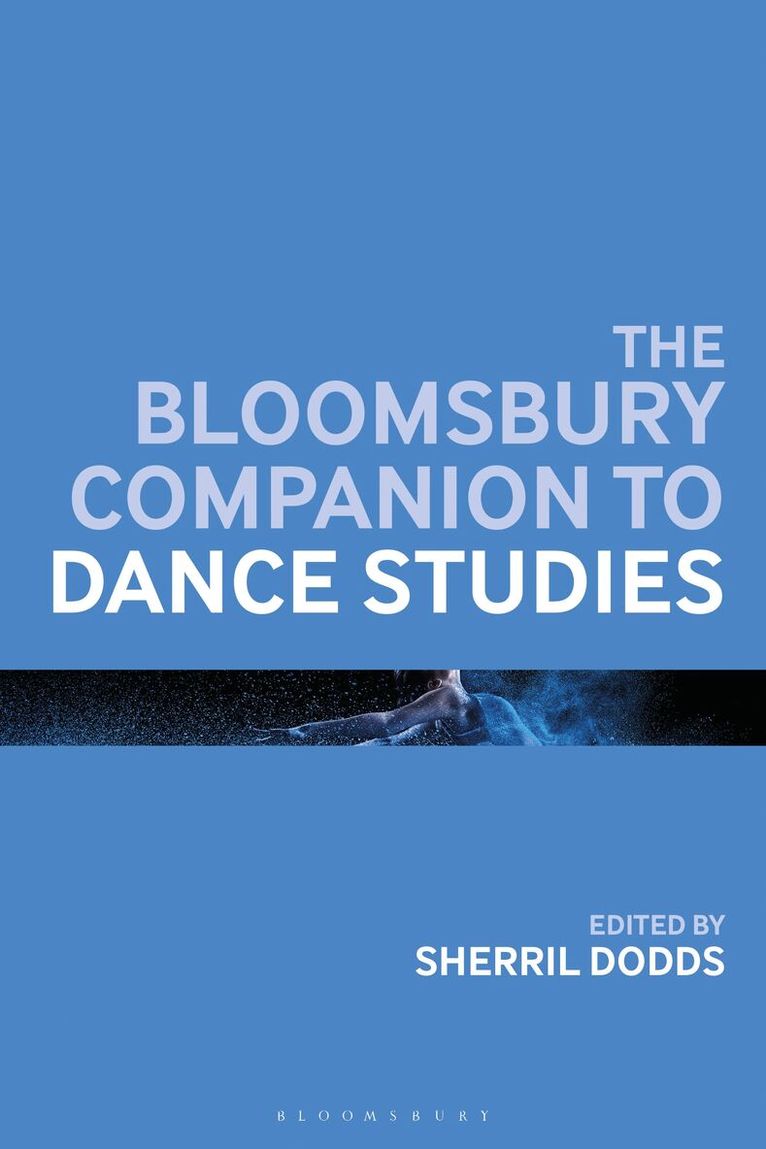
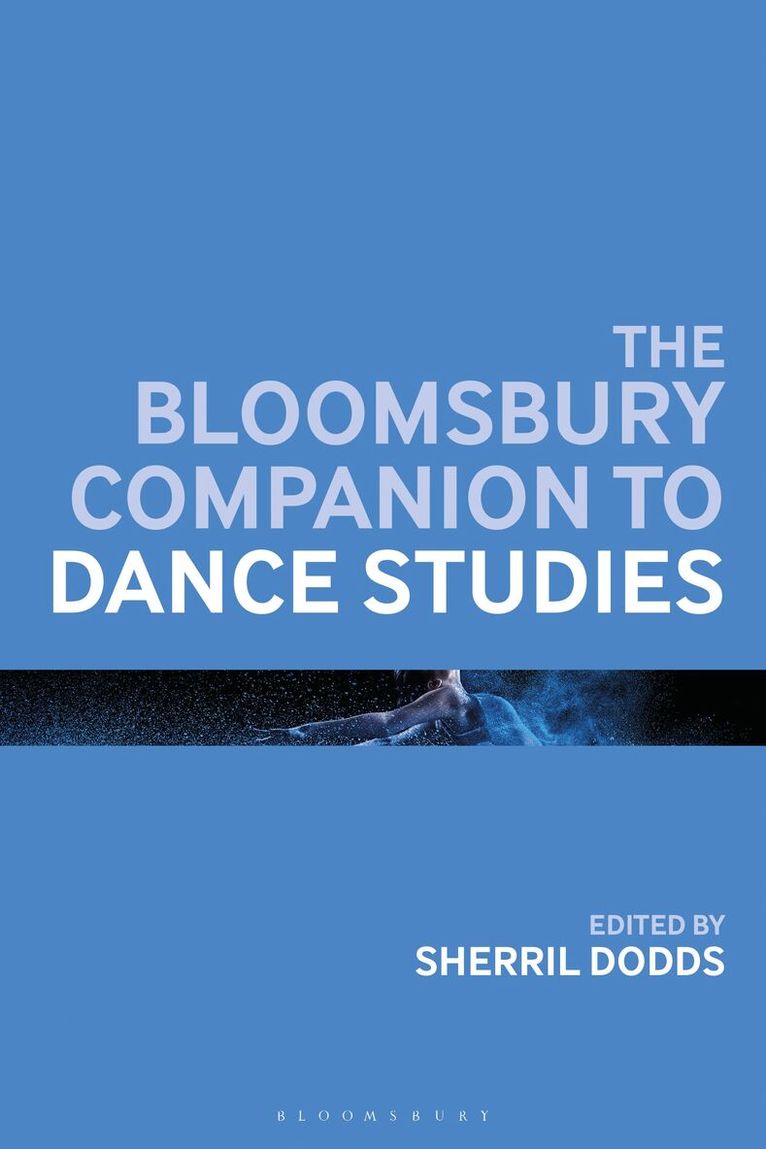
The Bloomsbury Companion to Dance Studies brings together leading international dance scholars in this single collection to provide a vivid picture of the state of contemporary dance research. The book commences with an introduction that privileges dancing as both a site of knowledge formation and a methodological approach, followed by a provocative overview of the methods and problems that dance studies currently faces as an established disciplinary field. The volume contains eleven core chapters that each map out a specific area of inquiry: Dance Pedagogy, Practice-As-Research, Dance and Politics, Dance and Identity, Dance Science, Screendance, Dance Ethnography, Popular Dance, Dance History, Dance and Philosophy, and Digital Dance.Although these sub-disciplinary domains do not fully capture the dynamic ways in which dance scholars work across multiple positions and perspectives, they reflect the major interests and innovations around which dance studies has organized its teaching and research. Therefore each author speaks to the labels, methods, issues and histories of each given category, while also exemplifying this scholarship in action. The dances under investigation range from experimental conceptual concert dance through to underground street dance practices, and the geographic reach encompasses dance-making from Europe, North and South America, the Caribbean and Asia. The book ends with a chapter that looks ahead to new directions in dance scholarship, in addition to an annotated bibliography and list of key concepts. The volume is an essential guide for students and scholars interested in the creative and critical approaches that dance studies can offer.
626 kr
Skickas inom 10-15 vardagar
The Bloomsbury Companion to Dance Studies brings together leading international dance scholars in this single collection to provide a vivid picture of the state of contemporary dance research. The book commences with an introduction that privileges dancing as both a site of knowledge formation and a methodological approach, followed by a provocative overview of the methods and problems that dance studies currently faces as an established disciplinary field. The volume contains eleven core chapters that each map out a specific area of inquiry: Dance Pedagogy, Practice-As-Research, Dance and Politics, Dance and Identity, Dance Science, Screendance, Dance Ethnography, Popular Dance, Dance History, Dance and Philosophy, and Digital Dance.Although these sub-disciplinary domains do not fully capture the dynamic ways in which dance scholars work across multiple positions and perspectives, they reflect the major interests and innovations around which dance studies has organized its teaching and research. Therefore each author speaks to the labels, methods, issues and histories of each given category, while also exemplifying this scholarship in action. The dances under investigation range from experimental conceptual concert dance through to underground street dance practices, and the geographic reach encompasses dance-making from Europe, North and South America, the Caribbean and Asia. The book ends with a chapter that looks ahead to new directions in dance scholarship, in addition to an annotated bibliography and list of key concepts. The volume is an essential guide for students and scholars interested in the creative and critical approaches that dance studies can offer.
2 246 kr
Skickas inom 10-15 vardagar
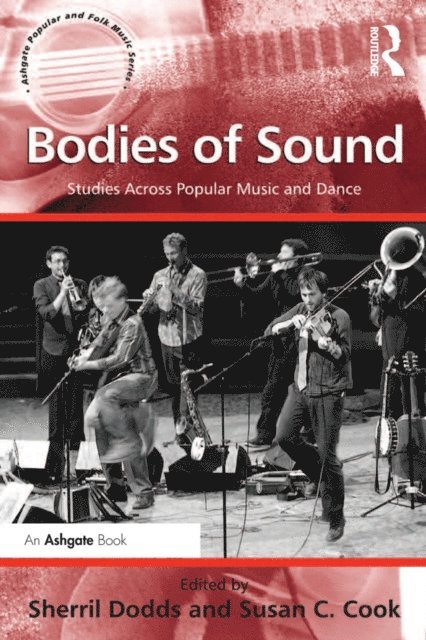
From the ragtime one-step of the early twentieth century to the contemporary practices of youth club cultures, popular dance and music are inextricably linked. This collection reveals the intimate connections between the corporeal and the sonic in the creation, transmission and reception of popular dance and music, which is imagined here as ’bodies of sound’. The volume provokes a wide-ranging, interdisciplinary conversation that includes scholarship from Asia, Europe and the United States, which explores topics from the nineteenth century through to the present day and engages with practices at local, national and transnational levels. In Part I: Constructing the Popular, the authors explore how categories of popular music and dance are constructed and de-stabilized, and their proclivity to appropriate and re-imagine cultural forms and meanings. In Part II: Authenticity, Revival and Reinvention, the authors examine how popular forms produce and manipulate identities and meanings through their attraction to and departure from cultural traditions. In Part III: (Re)Framing Value, the authors interrogate how values are inscribed, silenced, rearticulated and capitalized through popular music and dance. And in Part IV: Politics of the Popular, the authors read the popular as a site of political negotiation and transformation.