Sherry M. Cummings - Böcker
Visar alla böcker från författaren Sherry M. Cummings. Handla med fri frakt och snabb leverans.
4 produkter
4 produkter
Handbook of Psychosocial Interventions with Older Adults
Evidence-based approaches
Inbunden, Engelska, 2008
2 166 kr
Skickas inom 10-15 vardagar
In the past decade, evidence based practice (EBP) has emerged as one of the most important movements to improve the effectiveness of clinical care. As the number of older adults continues to grow, it is essential that practitioners have knowledge of effective strategies to improve both the medical and the psychosocial aspects of older persons' lives. The purpose of this work is to present systematic reviews of research-based psychosocial interventions for older adults and their caregivers.The interventions presented focus on a variety of critical issues facing older adults today including medical illnesses (cardiac disease, diabetes, arthritis/pain, cancer, and HIV/AIDS), mental health/cognitive disorders (depression/anxiety, dementia, substance abuse), and social functioning (developmental disabilities, end-of-life, dementia caregivers, grandparent caregivers). For each of these areas the prevalence of the problem, the demographics of those affected, and the nature and consequences of the problem are discussed. The empirical literature is then reviewed. A treatment summary highlights the type and nature of research supporting the interventions reviewed and is followed by a conclusion section that summarizes the status of intervention research for the specified issue. A Treatment Resource Appendix for each area is included. These appendices highlight manuals, books, articles and web resources that detail the treatment approaches and methodologies discussed.This book was previously published as a special issue of the Journal of Gerontological Social Work.
Handbook of Psychosocial Interventions with Older Adults
Evidence-based approaches
Häftad, Engelska, 2008
745 kr
Skickas inom 10-15 vardagar
In the past decade, evidence based practice (EBP) has emerged as one of the most important movements to improve the effectiveness of clinical care. As the number of older adults continues to grow, it is essential that practitioners have knowledge of effective strategies to improve both the medical and the psychosocial aspects of older persons' lives. The purpose of this work is to present systematic reviews of research-based psychosocial interventions for older adults and their caregivers.The interventions presented focus on a variety of critical issues facing older adults today including medical illnesses (cardiac disease, diabetes, arthritis/pain, cancer, and HIV/AIDS), mental health/cognitive disorders (depression/anxiety, dementia, substance abuse), and social functioning (developmental disabilities, end-of-life, dementia caregivers, grandparent caregivers). For each of these areas the prevalence of the problem, the demographics of those affected, and the nature and consequences of the problem are discussed. The empirical literature is then reviewed. A treatment summary highlights the type and nature of research supporting the interventions reviewed and is followed by a conclusion section that summarizes the status of intervention research for the specified issue. A Treatment Resource Appendix for each area is included. These appendices highlight manuals, books, articles and web resources that detail the treatment approaches and methodologies discussed.This book was previously published as a special issue of the Journal of Gerontological Social Work.
2 577 kr
Skickas inom 10-15 vardagar
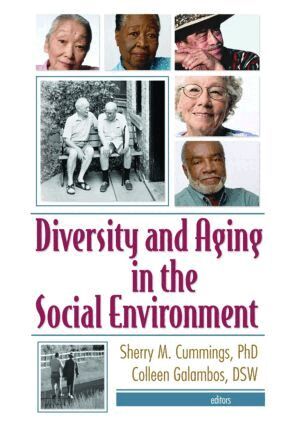
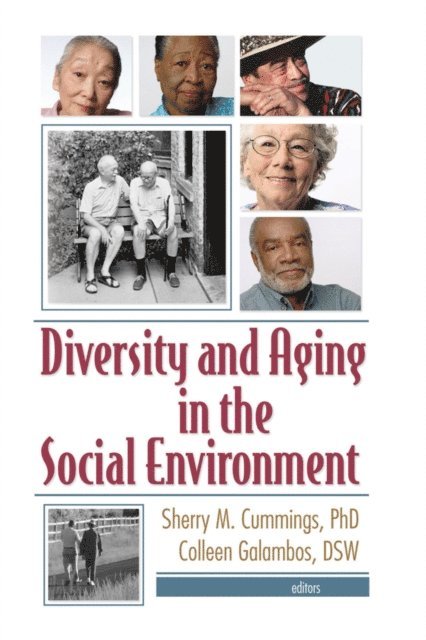
Today, nearly one of every eight Americans is 65 or older, and by 2030, over 20% of the population will be in this age group. Are you prepared to work with this vastly diverseand rapidly growingpopulation?This single source is designed to help social service professionals provide effective services to America’s vastly diverse and rapidly growing elderly population. Diversity and Aging in the Social Environment explores the impact of race/ethnicity, gender, sexual orientation, and geographic location on elders’ strengths, challenges, needs, and resources to provide you with a more complete understanding of the issues elders face. In order to be more responsive to older adults, social workers and other human service professionals need to enhance their knowledge of the aging population and the factors that impact the way seniors interact with society, organizations, community resources, neighborhoods, support networks, kinship groups, family, and friends. Diversity and Aging in the Social Environment examines differences in race, ethnicity, geographical location, sexual orientation, religion, and health status to help current and future human service professionals provide culturally competent services to the diverse range of elderly people they serve. In addition, it addresses the wide disparity that exists for older Americans in terms of income and assets, number of chronic conditions, functional and cognitive impairment, housing arrangements, and access to health care. This book provides a context for the examination of diversity issues among older adults by describing and discussing several theoretical perspectives on aging that highlight important aspects of diversity. Next, you’ll find thoughtful examinations of:issues and challenges faced by lesbian, gay, bisexual, and transgender eldersand the strengths they bring into later life the impact of gender, race, and sexual orientation on prevalence rates, risk factors, methods of disease contraction, and mortality rates among older adults with HIV/AIDSalong with a discussion of the psychosocial issues they face diverse characteristics of custodial grandparentsand the influence of the caregivers’ gender, race, age, and geographic location on methods of care and available caregiver support differences in caregiver characteristics, service utilization, caregiver strain, and coping mechanisms among several racial/ethnic groups of adults who care for elderly, disabled, and ill persons cultural/religious factors that influence interactions between health care personnel and Japanese-American elders the relationship between acculturation and depressive symptoms among Mexican-American couples life challenges facing Jewish and African-American elderswith a look at each group’s coping mechanisms differences in religious/spiritual coping skills among Native American, African-American, and white elders psychological well-being and religiosity among a diverse group of rural elders
710 kr
Skickas inom 10-15 vardagar
Today, nearly one of every eight Americans is 65 or older, and by 2030, over 20% of the population will be in this age group. Are you prepared to work with this vastly diverseand rapidly growingpopulation?This single source is designed to help social service professionals provide effective services to America’s vastly diverse and rapidly growing elderly population. Diversity and Aging in the Social Environment explores the impact of race/ethnicity, gender, sexual orientation, and geographic location on elders’ strengths, challenges, needs, and resources to provide you with a more complete understanding of the issues elders face. In order to be more responsive to older adults, social workers and other human service professionals need to enhance their knowledge of the aging population and the factors that impact the way seniors interact with society, organizations, community resources, neighborhoods, support networks, kinship groups, family, and friends. Diversity and Aging in the Social Environment examines differences in race, ethnicity, geographical location, sexual orientation, religion, and health status to help current and future human service professionals provide culturally competent services to the diverse range of elderly people they serve. In addition, it addresses the wide disparity that exists for older Americans in terms of income and assets, number of chronic conditions, functional and cognitive impairment, housing arrangements, and access to health care. This book provides a context for the examination of diversity issues among older adults by describing and discussing several theoretical perspectives on aging that highlight important aspects of diversity. Next, you’ll find thoughtful examinations of:issues and challenges faced by lesbian, gay, bisexual, and transgender eldersand the strengths they bring into later life the impact of gender, race, and sexual orientation on prevalence rates, risk factors, methods of disease contraction, and mortality rates among older adults with HIV/AIDSalong with a discussion of the psychosocial issues they face diverse characteristics of custodial grandparentsand the influence of the caregivers’ gender, race, age, and geographic location on methods of care and available caregiver support differences in caregiver characteristics, service utilization, caregiver strain, and coping mechanisms among several racial/ethnic groups of adults who care for elderly, disabled, and ill persons cultural/religious factors that influence interactions between health care personnel and Japanese-American elders the relationship between acculturation and depressive symptoms among Mexican-American couples life challenges facing Jewish and African-American elderswith a look at each group’s coping mechanisms differences in religious/spiritual coping skills among Native American, African-American, and white elders psychological well-being and religiosity among a diverse group of rural elders