Sheryl Lightfoot - Böcker
Visar alla böcker från författaren Sheryl Lightfoot. Handla med fri frakt och snabb leverans.
5 produkter
5 produkter
725 kr
Skickas inom 10-15 vardagar
This book examines how Indigenous peoples’ rights and Indigenous rights movements represent an important and often overlooked shift in international politics - a shift that powerful states are actively resisting in a multitude of ways. While Indigenous peoples are often dismissed as marginal non-state actors, this book argues that far from insignificant, global Indigenous politics is potentially forging major changes in the international system, as the implementation of Indigenous peoples’ rights requires a complete re-thinking and re-ordering of sovereignty, territoriality, liberalism, and human rights. After thirty years of intense effort, the transnational Indigenous rights movement achieved passage of the UN Declaration on the Rights of Indigenous Peoples in September 2007. This book asks: Why did movement need to fight so hard to secure passage of a bare minimum standard on Indigenous rights? Why is it that certain states are so threatened by an emerging international Indigenous rights regime?How does the emerging Indigenous rights regime change the international status quo? The questions are addressed by exploring how Indigenous politics at the global level compels a new direction of thought in IR by challenging some of its fundamental tenets. It is argued that global Indigenous politics is a perspective of IR that, with the recognition of Indigenous peoples’ collective rights to land and self-determination, complicates the structure of international politics in new and important ways, challenging both Westphalian notions of state sovereignty and the (neo-)liberal foundations of states and the international human rights consensus. Qualitative case studies of Canadian and New Zealand Indigenous rights, based on original field research, analyse both the potential and the limits of these challenges. This work will be of interest to graduates and scholars in international relations, Indigenous studies, international organizations, IR theory and social movements.
2 170 kr
Skickas inom 10-15 vardagar
This book examines how Indigenous peoples’ rights and Indigenous rights movements represent an important and often overlooked shift in international politics - a shift that powerful states are actively resisting in a multitude of ways. While Indigenous peoples are often dismissed as marginal non-state actors, this book argues that far from insignificant, global Indigenous politics is potentially forging major changes in the international system, as the implementation of Indigenous peoples’ rights requires a complete re-thinking and re-ordering of sovereignty, territoriality, liberalism, and human rights. After thirty years of intense effort, the transnational Indigenous rights movement achieved passage of the UN Declaration on the Rights of Indigenous Peoples in September 2007. This book asks: Why did movement need to fight so hard to secure passage of a bare minimum standard on Indigenous rights? Why is it that certain states are so threatened by an emerging international Indigenous rights regime?How does the emerging Indigenous rights regime change the international status quo? The questions are addressed by exploring how Indigenous politics at the global level compels a new direction of thought in IR by challenging some of its fundamental tenets. It is argued that global Indigenous politics is a perspective of IR that, with the recognition of Indigenous peoples’ collective rights to land and self-determination, complicates the structure of international politics in new and important ways, challenging both Westphalian notions of state sovereignty and the (neo-)liberal foundations of states and the international human rights consensus. Qualitative case studies of Canadian and New Zealand Indigenous rights, based on original field research, analyse both the potential and the limits of these challenges. This work will be of interest to graduates and scholars in international relations, Indigenous studies, international organizations, IR theory and social movements.
1 120 kr
Skickas inom 7-10 vardagar
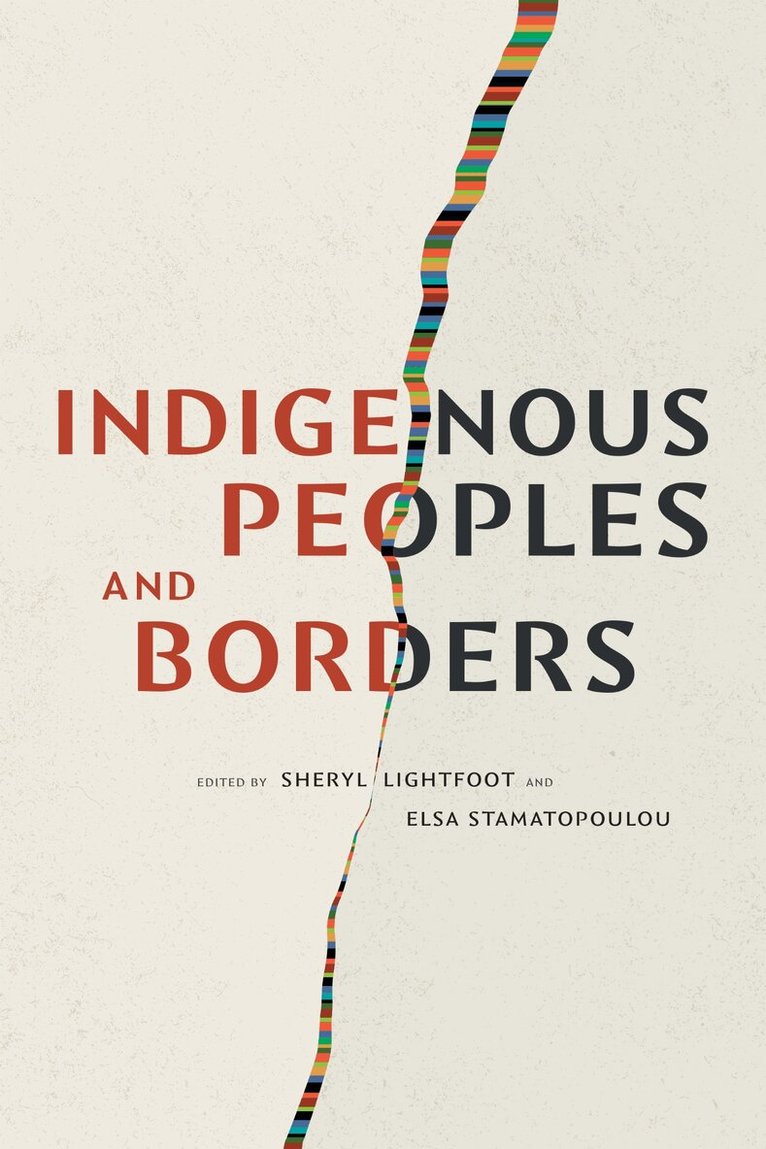
The legacies of borders are far-reaching for Indigenous Peoples. This collection offers new ways of understanding borders by departing from statist approaches to territoriality. Bringing together the fields of border studies, human rights, international relations, and Indigenous studies, it features a wide range of voices from across academia, public policy, and civil society. The contributors explore the profound and varying impacts of borders on Indigenous Peoples around the world and the ways borders are challenged and worked around. From Bangladesh’s colonially imposed militarized borders to resource extraction in the Russian Arctic and along the Colombia-Ecuador border to the transportation of toxic pesticides from the United States to Mexico, the chapters examine sovereignty, power, and obstructions to Indigenous rights and self-determination as well as globalization and the economic impacts of borders. Indigenous Peoples and Borders proposes future action that is informed by Indigenous Peoples’ voices, needs, and advocacy.Contributors. Tone Bleie, Andrea Carmen, Jacqueline Gillis, Rauna Kuokkanen, Elifuraha Laltaika, Sheryl Lightfoot, David Bruce MacDonald, Toa Elisa Maldonado Ruiz, Binalakshmi “Bina” Nepram, Melissa Z. Patel, Manoel B. do Prado Junior, Hana Shams Ahmed, Elsa Stamatopoulou, Liubov Suliandziga, Rodion Sulyandziga, Yifat Susskind, Erika M. Yamada
297 kr
Skickas inom 7-10 vardagar
The legacies of borders are far-reaching for Indigenous Peoples. This collection offers new ways of understanding borders by departing from statist approaches to territoriality. Bringing together the fields of border studies, human rights, international relations, and Indigenous studies, it features a wide range of voices from across academia, public policy, and civil society. The contributors explore the profound and varying impacts of borders on Indigenous Peoples around the world and the ways borders are challenged and worked around. From Bangladesh’s colonially imposed militarized borders to resource extraction in the Russian Arctic and along the Colombia-Ecuador border to the transportation of toxic pesticides from the United States to Mexico, the chapters examine sovereignty, power, and obstructions to Indigenous rights and self-determination as well as globalization and the economic impacts of borders. Indigenous Peoples and Borders proposes future action that is informed by Indigenous Peoples’ voices, needs, and advocacy.Contributors. Tone Bleie, Andrea Carmen, Jacqueline Gillis, Rauna Kuokkanen, Elifuraha Laltaika, Sheryl Lightfoot, David Bruce MacDonald, Toa Elisa Maldonado Ruiz, Binalakshmi “Bina” Nepram, Melissa Z. Patel, Manoel B. do Prado Junior, Hana Shams Ahmed, Elsa Stamatopoulou, Liubov Suliandziga, Rodion Sulyandziga, Yifat Susskind, Erika M. Yamada
2 945 kr
Skickas inom 7-10 vardagar
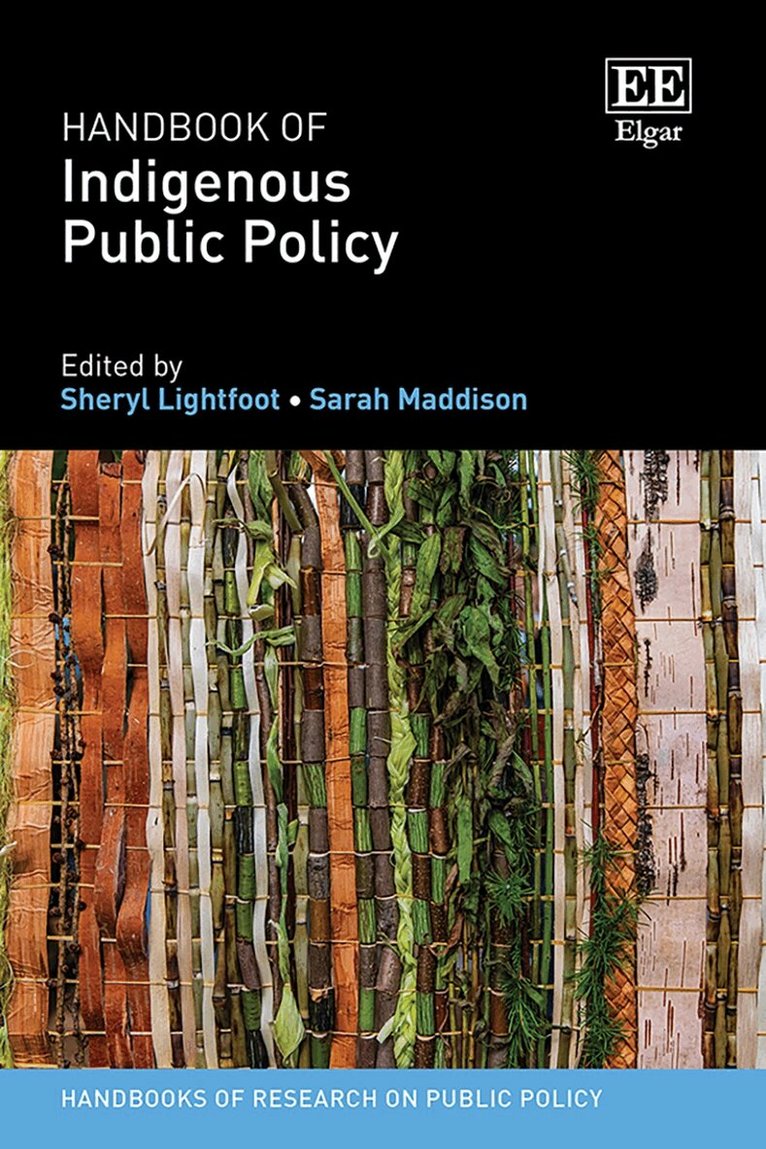
This ground-breaking Handbook explores the key legal, political and policy questions concerning the implementation of Indigenous rights across the world. An exciting mix of expert Indigenous and non-Indigenous contributors analyse the complex dynamics of contestation, engagement, advocacy and refusal between governments and Indigenous peoples, presenting a profound challenge to mainstream policy scholarship.Chapters employ both country-level case studies as well as global analyses, covering key themes such as self-determination, sovereignty, culture, land and territory. They showcase the extensive evidence that policy imposed on Indigenous peoples without their involvement is at best ineffective and at worst harmful. Through examining the ongoing impacts of colonisation, contributors identify future pathways for Indigenous public policy, including truth-telling processes, resurgence movements, and international human rights law. Ultimately, the Handbook highlights the vital importance and extensive policy benefits of treating Indigenous people as rights-bearing members of sovereign and self-determining Indigenous nations.The Handbook of Indigenous Public Policy will be essential reading for students and scholars of Indigenous studies, public policy, international relations, and political science. It will also be invaluable for policy-makers looking to centre Indigenous people and their rights in the policy-making process.