Shibli Numani – författare
Visar alla böcker från författaren Shibli Numani. Handla med fri frakt och snabb leverans.
4 produkter
4 produkter
Häftad, Engelska, 2020
496 kr
Skickas inom 5-8 vardagar
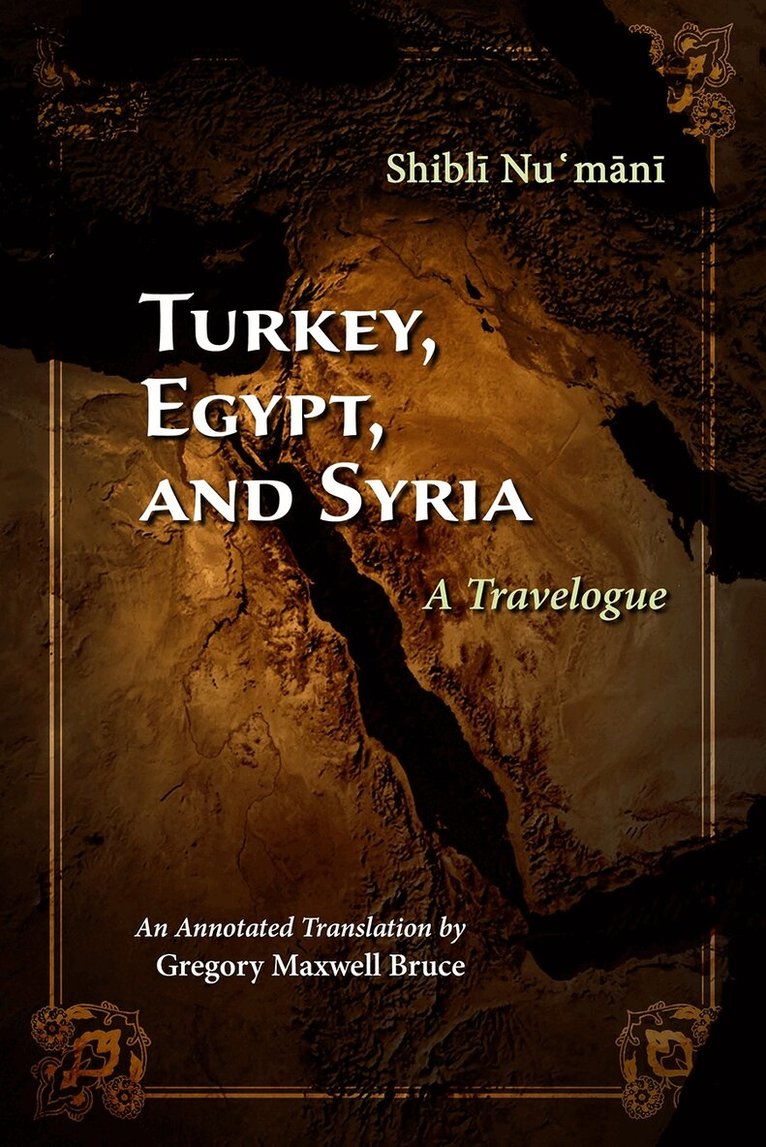
Turkey, Egypt, and Syria: A Travelogue vividly captures the experiences of prominent Indian intellectual and scholar Shibli¯ Nu‘ma¯ni¯ (1857–1914) as he journeyed across the Ottoman Empire and Egypt in 1892. A professor of Arabic and Persian at the Mohammedan Anglo-Oriental (MAO) College at Aligarh, Nu‘ma¯ni¯ took a six-month leave from teaching to travel to the Ottoman Empire in search of rare printed works and manuscripts to use as sources for a series of biographies on major figures in Islamic history. Along the way, he collected information on schools, curricula, publishers, and newspapers, presenting a unique portrait of imperial culture at a transformative moment in the history of the Middle East. Nu‘ma¯ni¯ records sketches and anecdotes that offer rare glimpses of intellectual networks, religious festivals, visual and literary culture, and everyday life in the Ottoman Empire and Egypt. First published in 1894, the travelogue has since become a classic of Urdu travel writing and has been immensely influential in the intellectual and politicalhistory of South Asia. This translation, the first into English, includes contemporary reviews of the travelogue, letters written by the author during his travels, and serialized newspaper reports about the journey, and is deeply enriched for readers and students by the translator's copious multilingual glosses and annotations. Nu‘ma¯ni¯ 's chronicle offers unique insight into broader processes of historical change in this part of the world while also providing a rare glimpse of intellectual engagement and exchange across the porous borders of empire.
Inbunden, Engelska, 2020
963 kr
Skickas
Turkey, Egypt, and Syria: A Travelogue vividly captures the experiences of prominent Indian intellectual and scholar Shibli¯ Nu‘ma¯ni¯ (1857–1914) as he journeyed across the Ottoman Empire and Egypt in 1892. A professor of Arabic and Persian at the Mohammedan Anglo-Oriental (MAO) College at Aligarh, Nu‘ma¯ni¯ took a six-month leave from teaching to travel to the Ottoman Empire in search of rare printed works and manuscripts to use as sources for a series of biographies on major figures in Islamic history. Along the way, he collected information on schools, curricula, publishers, and newspapers, presenting a unique portrait of imperial culture at a transformative moment in the history of the Middle East. Nu‘ma¯ni¯ records sketches and anecdotes that offer rare glimpses of intellectual networks, religious festivals, visual and literary culture, and everyday life in the Ottoman Empire and Egypt. First published in 1894, the travelogue has since become a classic of Urdu travel writing and has been immensely influential in the intellectual and politicalhistory of South Asia. This translation, the first into English, includes contemporary reviews of the travelogue, letters written by the author during his travels, and serialized newspaper reports about the journey, and is deeply enriched for readers and students by the translator's copious multilingual glosses and annotations. Nu‘ma¯ni¯ 's chronicle offers unique insight into broader processes of historical change in this part of the world while also providing a rare glimpse of intellectual engagement and exchange across the porous borders of empire.
E-bok
Engelska, 2020580 kr
Läs direkt efter köp
Turkey, Egypt, and Syria: A Travelogue vividly captures the experiences of prominent Indian intellectual and scholar Shibli Nu‘mani (1857–1914) as he journeyed across the Ottoman Empire and Egypt in 1892. A professor of Arabic and Persian at the Mohammedan Anglo-Oriental (MAO) College at Aligarh, Nu‘mani took a six-month leave from teaching to travel to the Ottoman Empire in search of rare printed works and manuscripts to use as sources for a series of biographies on major figures in Islamic history. Along the way, he collected information on schools, curricula, publishers, and newspapers, presenting a unique portrait of imperial culture at a transformative moment in the history of the Middle East. Nu‘mani records sketches and anecdotes that offer rare glimpses of intellectual networks, religious festivals, visual and literary culture, and everyday life in the Ottoman Empire and Egypt. First published in 1894, the travelogue has since become a classic of Urdu travel writing and has been immensely influential in the intellectual and political history of South Asia. This translation, the first into English, includes contemporary reviews of the travelogue, letters written by the author during his travels, and serialized newspaper reports about the journey, and is deeply enriched for readers and students by the translator’s copious multilingual glosses and annotations. Nu‘mani''s chronicle offers unique insight into broader processes of historical change in this part of the world while also providing a rare glimpse of intellectual engagement and exchange across the porous borders of empire.
Häftad, Engelska, 2004
257 kr
Skickas inom 10-15 vardagar
Honoured by Sunni Muslims as the epitome of the just ruler, 'Umar, or Omar - the second Caliph - is one of the most significant figures in early Islamic history. His rule (634-44 CE) laid the foundations of an empire that has since defined, both culturally and geographically, the heartlands of the Islamic world. Shibli Numani's classic account (now revived, having been unavailable for decades), links the military conquests of the period with 'Umar's reforms in law, government and public administration. He describes the personal strengths, skills and character of 'Umar and evaluates his contribution to the ethos of Islam.