775 kr
Skickas inom 10-15 vardagar
775 kr
Skickas inom 10-15 vardagar
947 kr
Läs direkt efter köp
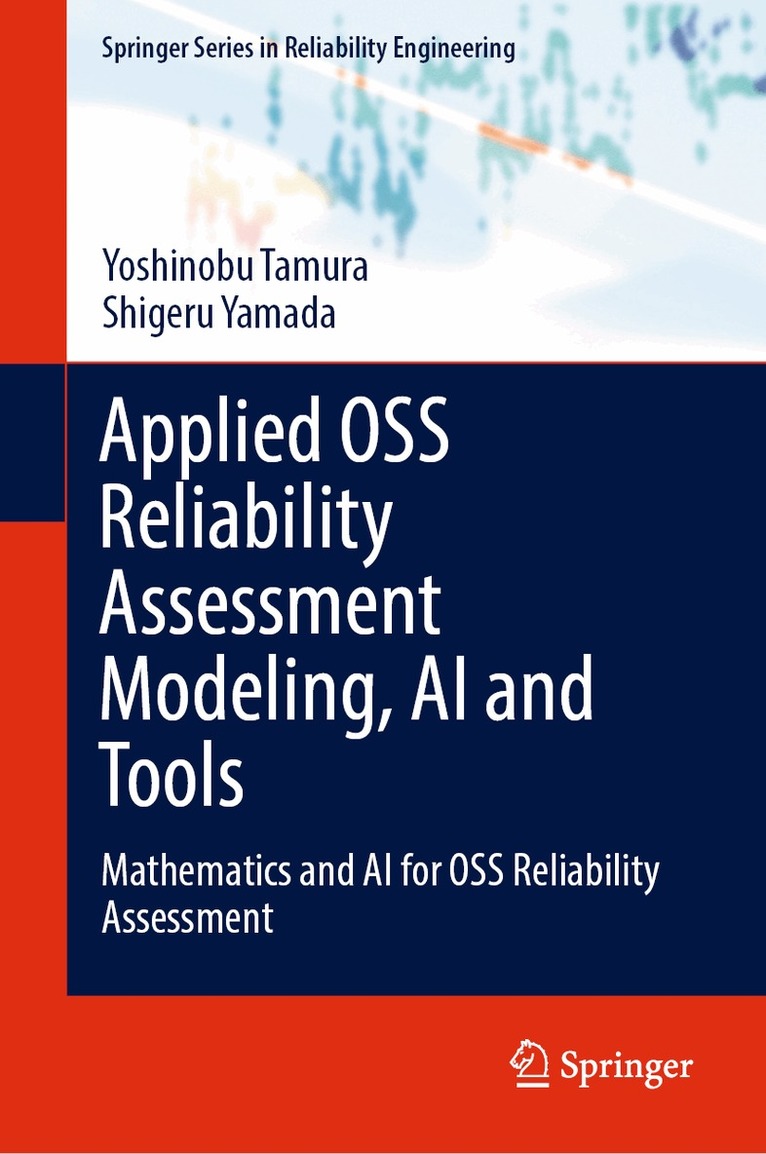
This textbook introduces the theory and application of open source software (OSS) reliability.
The measurement and management of open source software are essential to produce and maintain quality and reliable systems while using open source software. This book describes the latest methods for the reliability assessment of open source software. It presents the state of the art of open source software reliability measurement and assessment based on stochastic modeling and deep learning approaches. It introduces several stochastic reliability analyses of OSS computing with application along with actual OSS project data.
The book contains exercises to aid learning and is useful for graduate students and researchers.
564 kr
Skickas inom 10-15 vardagar
1 104 kr
Skickas inom 10-15 vardagar
1 413 kr
Läs direkt efter köp
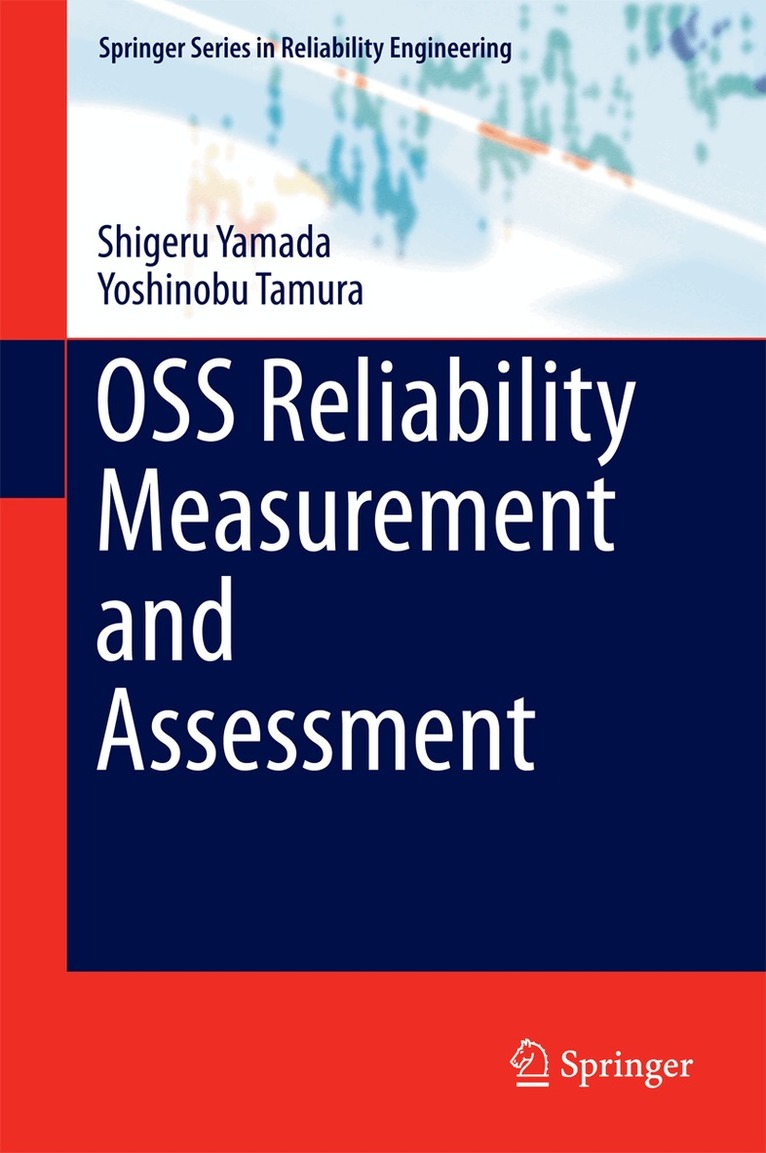
This book analyses quantitative open source software (OSS)reliability assessment and its applications, focusing on three major topicareas: the Fundamentals of OSS Quality/Reliability Measurement and Assessment;the Practical Applications of OSS Reliability Modelling; and RecentDevelopments in OSS Reliability Modelling.
Offering an ideal reference guide for graduate students andresearchers in reliability for open source software (OSS) and modelling, thebook introduces several methods of reliability assessment for OSS includingcomponent-oriented reliability analysis based on analytic hierarchy process(AHP), analytic network process (ANP), and non-homogeneous Poisson process(NHPP) models, the stochastic differential equation models and hazard ratemodels.
These measurement and management technologies are essential toproducing and maintaining quality/reliable systems using OSS.
1 104 kr
Skickas inom 10-15 vardagar
572 kr
Skickas inom 10-15 vardagar
718 kr
Läs direkt efter köp
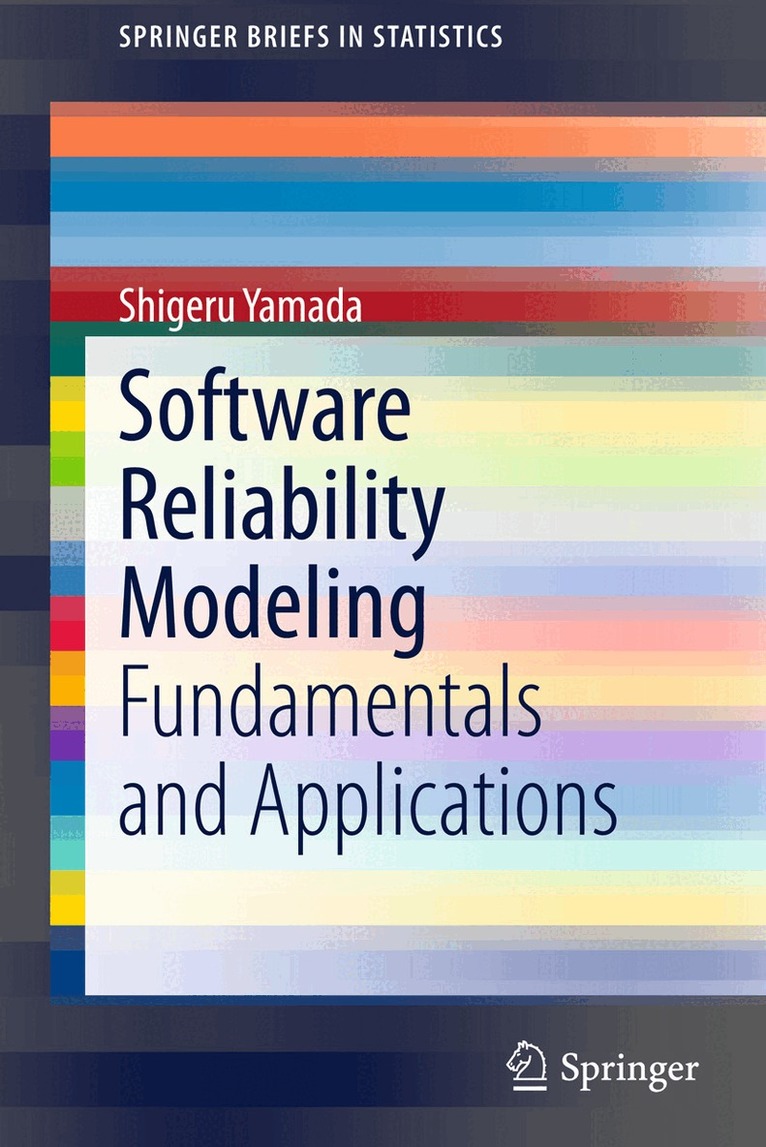
Software reliability is one of the most important characteristics of software product quality. Its measurement and management technologies during the software product life cycle are essential to produce and maintain quality/reliable software systems.
Part 1 of this book introduces several aspects of software reliability modeling and its applications. Hazard rate and nonhomogeneous Poisson process (NHPP) models are investigated particularly for quantitative software reliability assessment. Further, imperfect debugging and software availability models are discussed with reference to incorporating practical factors of dynamic software behavior. Three software management problems are presented as application technologies of software reliability models: the optimal software release problem, the statistical testing-progress control, and the optimal testing-effort allocation problem.
Part 2 of the book describes several recent developments in software reliability modeling andtheir applications as quantitative techniques for software quality/reliability measurement and assessment. The discussion includes a quality engineering analysis of human factors affecting software reliability during the design review phase, which is the upper stream of software development, as well as software reliability growth models based on stochastic differential equations and discrete calculus during the testing phase, which is the lower stream. The final part of the book provides an illustration of quality-oriented software management analysis by applying the multivariate analysis method and the existing software reliability growth models to actual process monitoring data.