Shin Kawashima – författare
Visar alla böcker från författaren Shin Kawashima. Handla med fri frakt och snabb leverans.
6 produkter
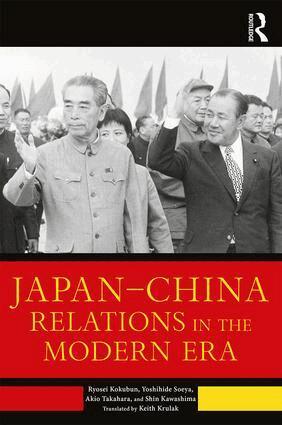
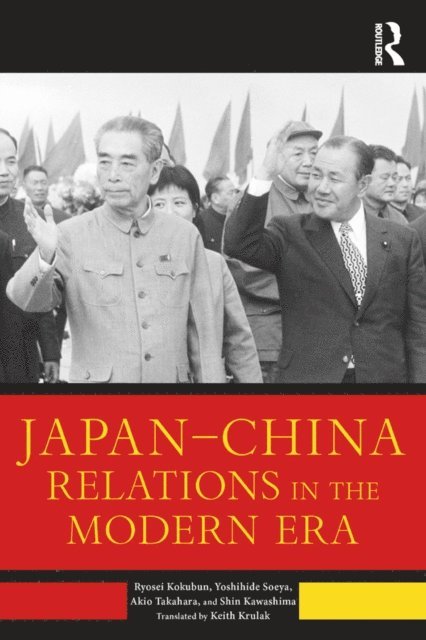
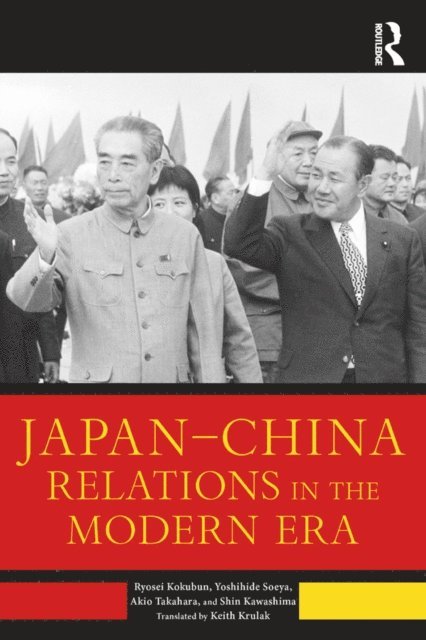
Japan–China Relations in the Modern Era
Av Ryosei Kokubun, Yoshihide Soeya m. fl.
Häftad, 2017
735 kr
Lägg i varukorg
From before the dawn of recorded history, there has been a rich flow of interaction between Japan and China. Japan has long learned many things from Chinese civilization, and since the modern era China began to learn from Japan. In the twenty-first century, however, China surpassed Japan in terms …
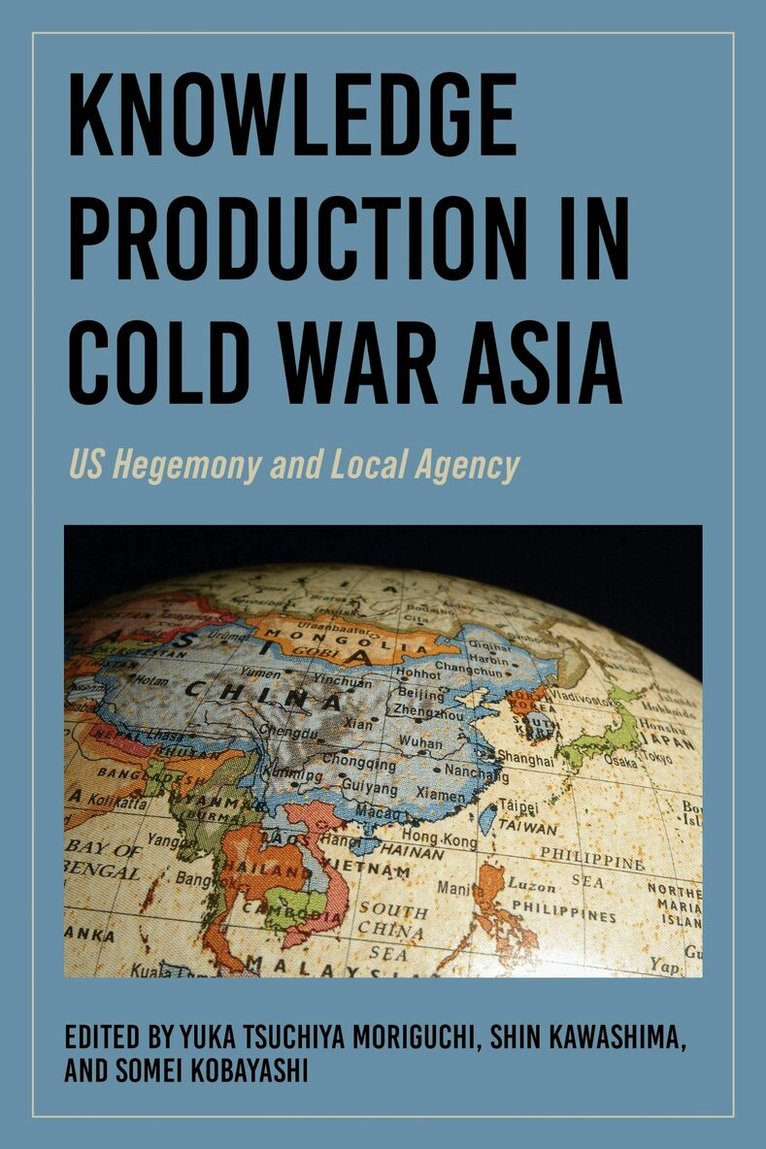
Knowledge Production in Cold War Asia
US Hegemony and Local Agency
Av Yuka Tsuchiya Moriguchi, Shin Kawashima m. fl.
Inbunden, 2025
1276 kr
Lägg i varukorg
From the end of the Second World War to the early 1970s, new paradigms began to form in academic, scientific, and professional knowledge in various disciplines and fields—not only in the United States, but also in East Asia.Drawing on a wealth of archival documents from East Asia, Knowledge …
Knowledge Production in Cold War Asia
US Hegemony and Local Agency
Av Yuka Tsuchiya Moriguchi, Shin Kawashima m. fl.
Häftad, 2025
553 kr
Lägg i varukorg
From the end of the Second World War to the early 1970s, new paradigms began to form in academic, scientific, and professional knowledge in various disciplines and fields—not only in the United States, but also in East Asia.Drawing on a wealth of archival documents from East Asia, Knowledge …
Japan–China Relations in the Modern Era
Av Ryosei Kokubun, Yoshihide Soeya m. fl.
Inbunden, 2017
2513 kr
Lägg i varukorg
From before the dawn of recorded history, there has been a rich flow of interaction between Japan and China. Japan has long learned many things from Chinese civilization, and since the modern era China began to learn from Japan. In the twenty-first century, however, China surpassed Japan in terms …
Japan-China Relations in the Modern Era
Av Shin Kawashima, Akio Takahara m. fl.
E-bok, 2017
779 kr
Lägg i varukorg
From before the dawn of recorded history, there has been a rich flow of interaction between Japan and China. Japan has long learned many things from Chinese civilization, and since the modern era China began to learn from Japan. In the twenty-first century, however, China surpassed Japan in terms …
Japan-China Relations in the Modern Era
Av Shin Kawashima, Akio Takahara m. fl.
E-bok, 2017
779 kr
Lägg i varukorg
From before the dawn of recorded history, there has been a rich flow of interaction between Japan and China. Japan has long learned many things from Chinese civilization, and since the modern era China began to learn from Japan. In the twenty-first century, however, China surpassed Japan in terms …