Shirley Baker – författare
Visar alla böcker från författaren Shirley Baker. Handla med fri frakt och snabb leverans.
7 produkter
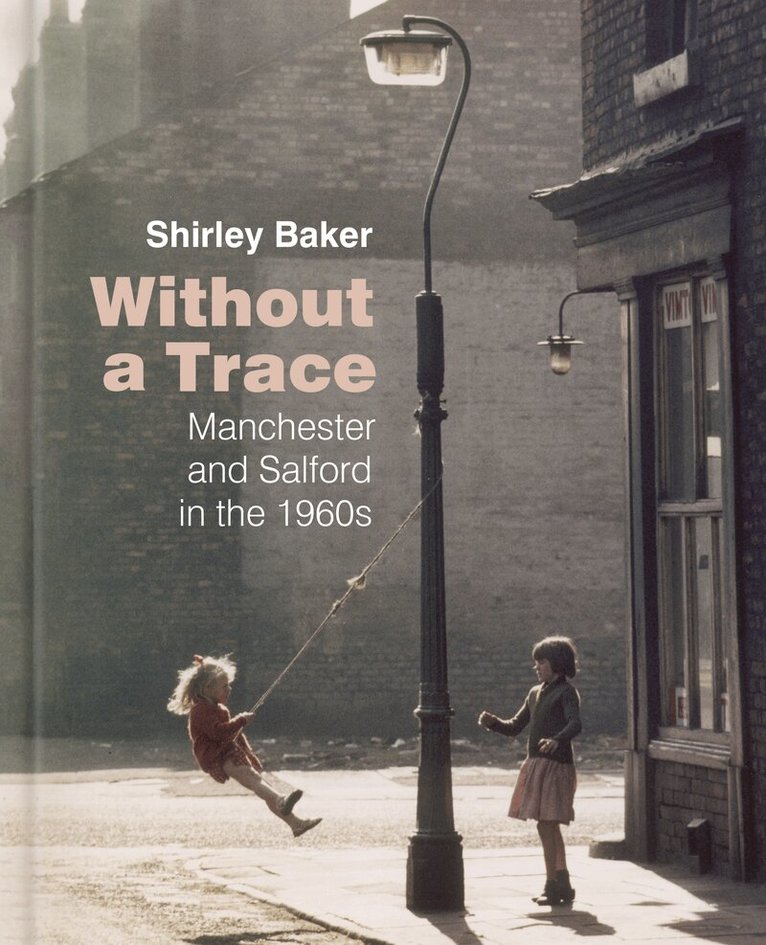
Without a Trace
Manchester and Salford in the 1960s
Inbunden, 2018
232 kr
Lägg i varukorg
Shirley Baker started to photograph the streets of Manchester and Salford in the early 1960s when homes were being demolished and communities were being uprooted: 'Whole streets were disappearing and I hoped to capture some trace of everyday life of the people who lived there. I was particularly …
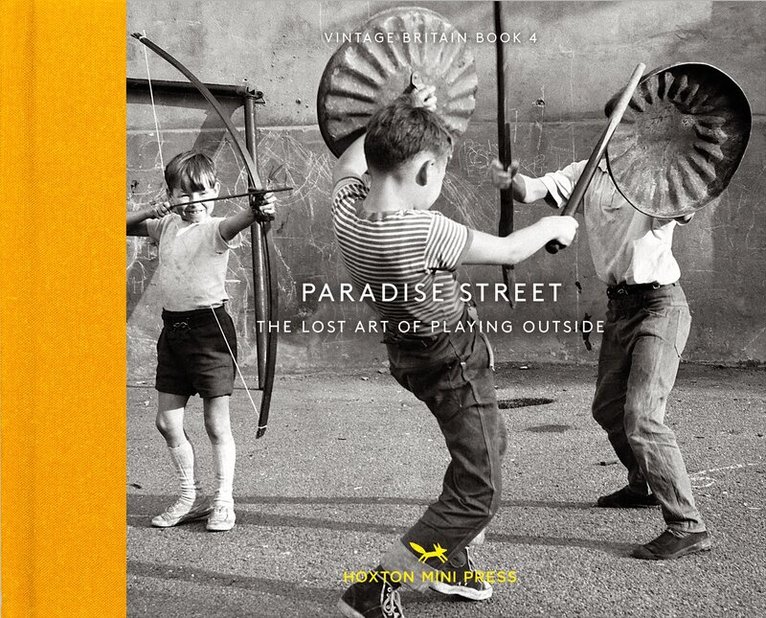
Paradise Street
The Lost Art of Playing Outside
Av Shirley Baker, Paul Kaye m. fl.
Inbunden, 2019
188 kr
Lägg i varukorg
Vintage photographs celebrate the lost freedom of children playing in British streets.
Distance Education
Concepts and Principles
Av Shirley Baker, Patricia Bolt
Inbunden, 2025
1494 kr
Lägg i varukorg