Shirzad Azad – författare
Visar alla böcker från författaren Shirzad Azad. Handla med fri frakt och snabb leverans.
16 produkter
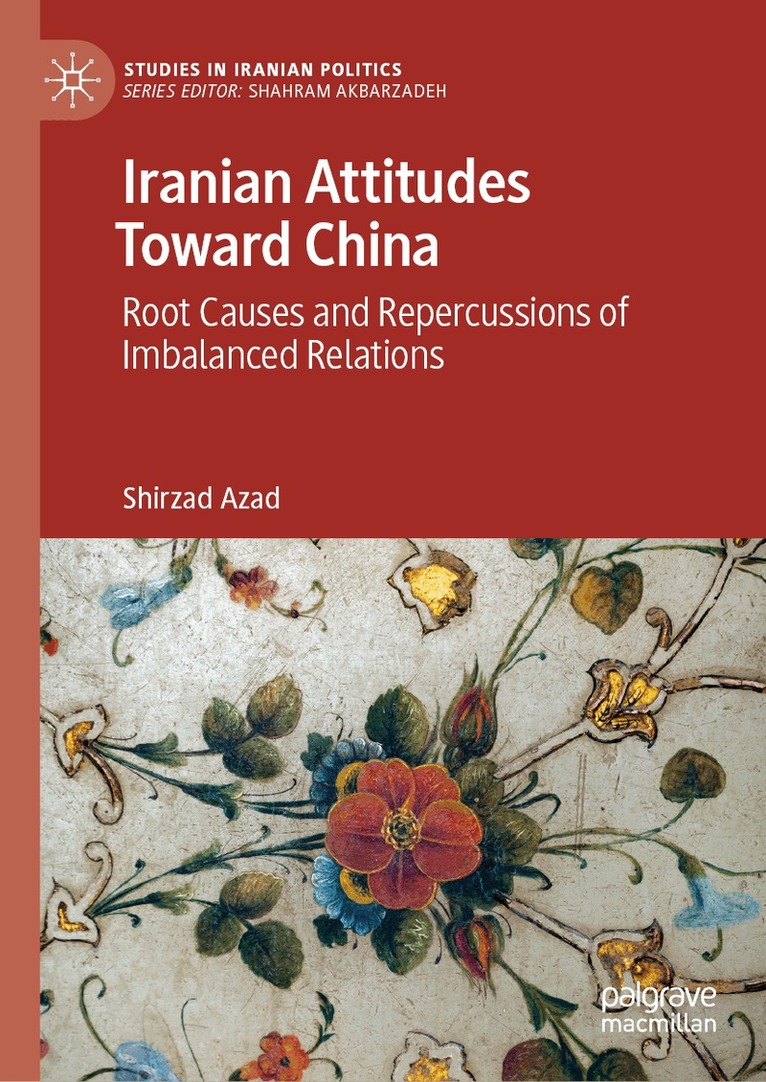
Iranian Attitudes Toward China
Root Causes and Repercussions of Imbalanced Relations
Av Shirzad Azad
Inbunden, 2026
1209 kr
Kommande
This book investigates why public opinions toward China in Iran have shifted dramatically from somehow positive and indifference to outright negative and antagonistic. Arguing that China’s overall approach and performance have played a big role in the rise of anti-Chinese sentiments among Iranians, …
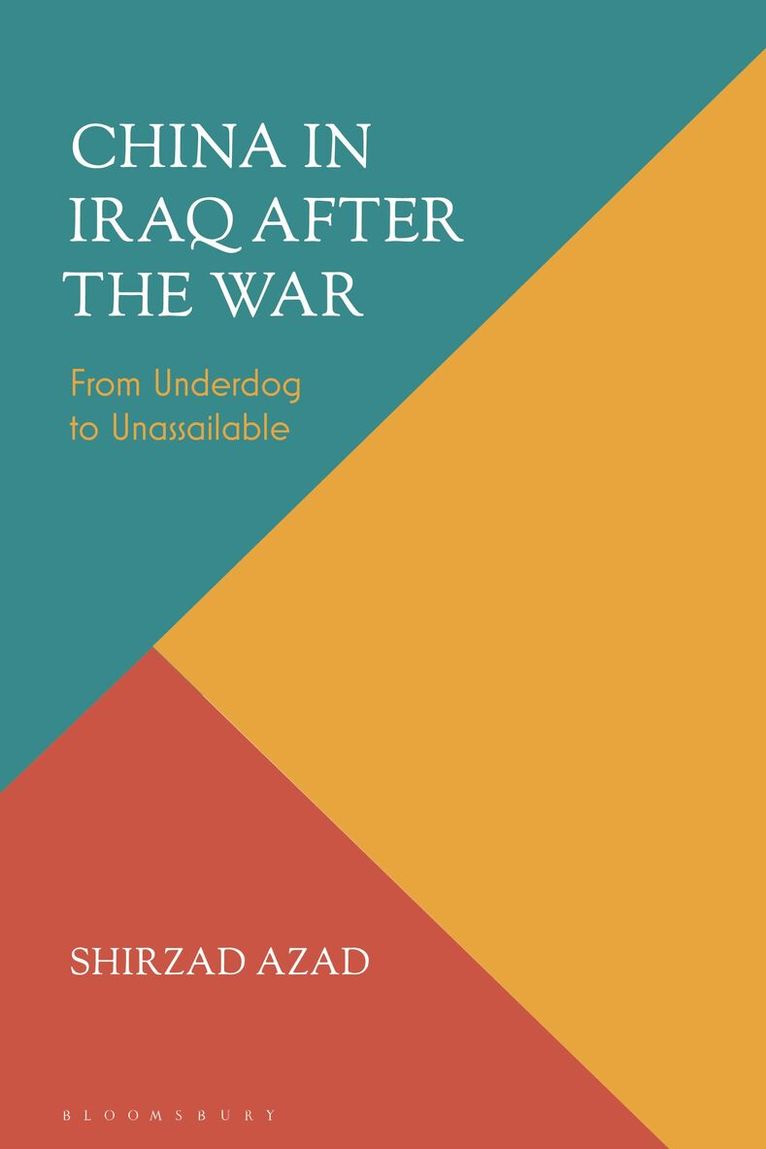
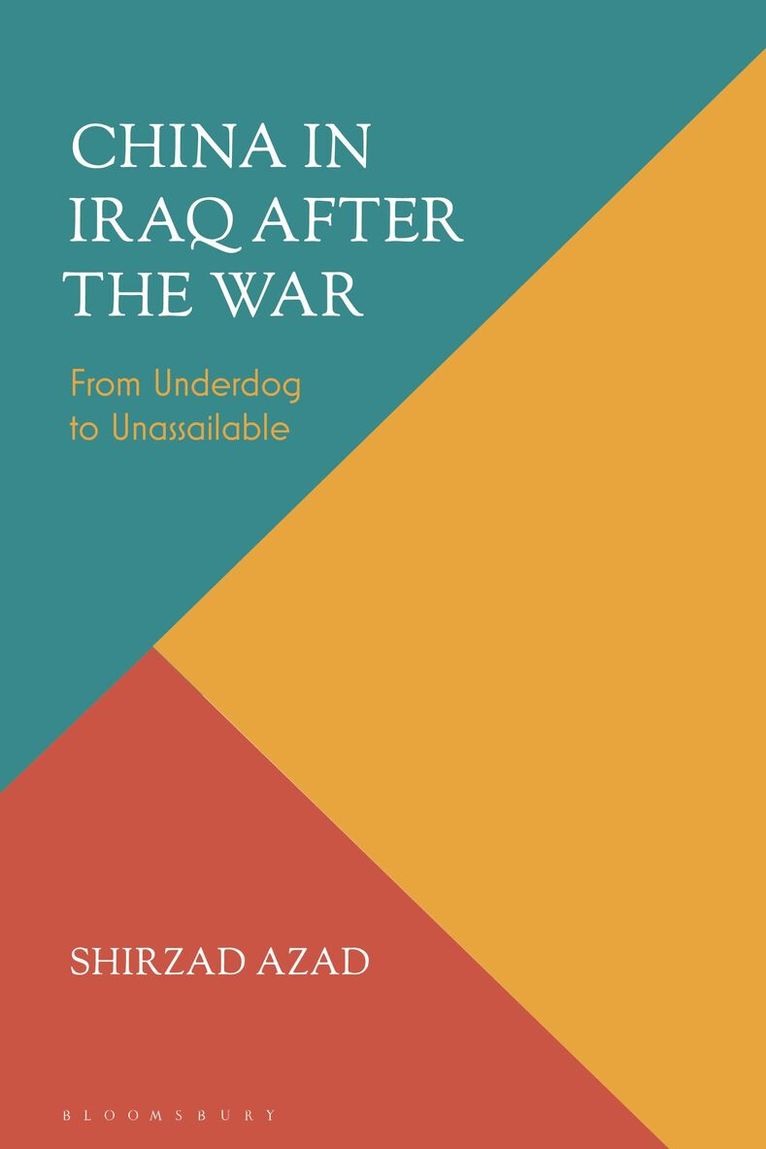
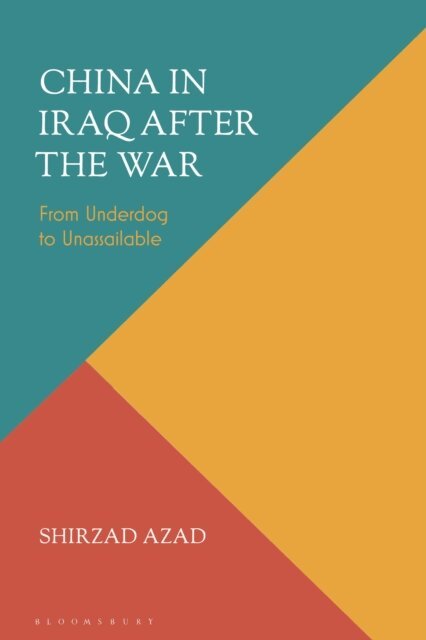
China in Iraq after the War
From Underdog to Unassailable
Av Shirzad Azad
Inbunden, 2025
1240 kr
Lägg i varukorg
In this in-depth and wide-ranging study, Shirzad Azad explores the changing relationship between post-Saddam Hussein Iraq and the People’s Republic of China. China in Iraq After the War charts the deepening relationship between the two countries since the 2003 American-led invasion, that has seen …
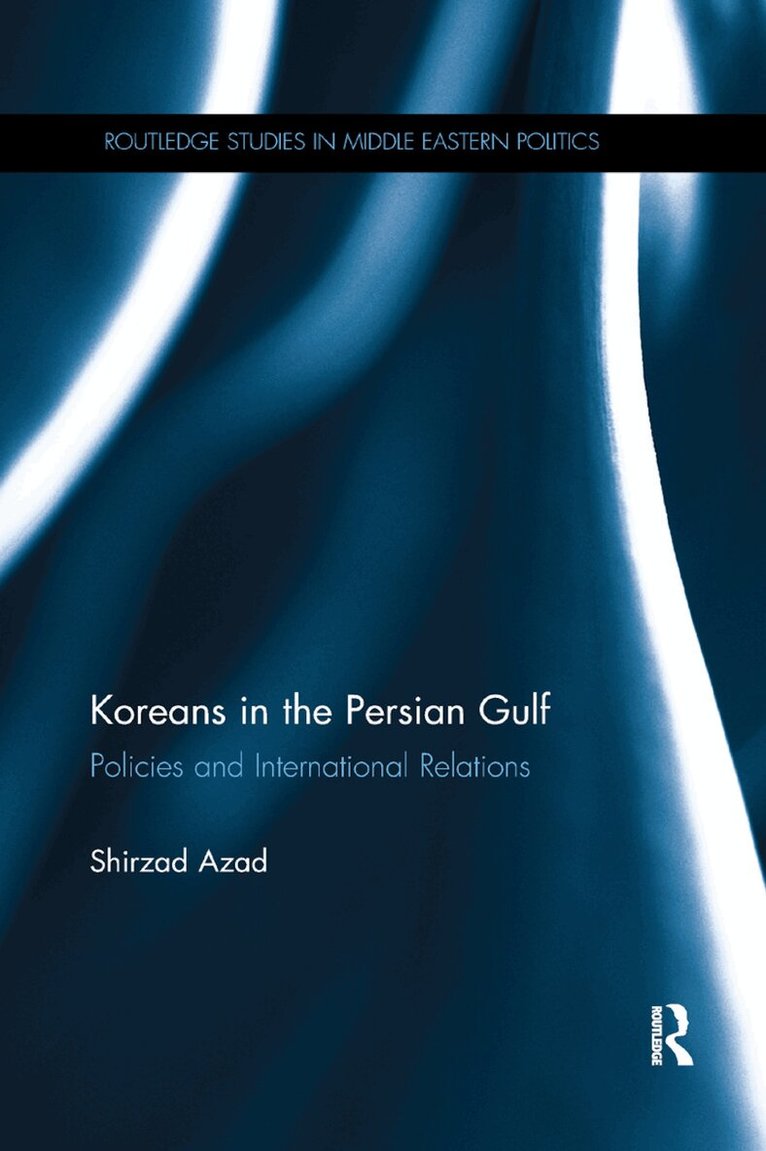
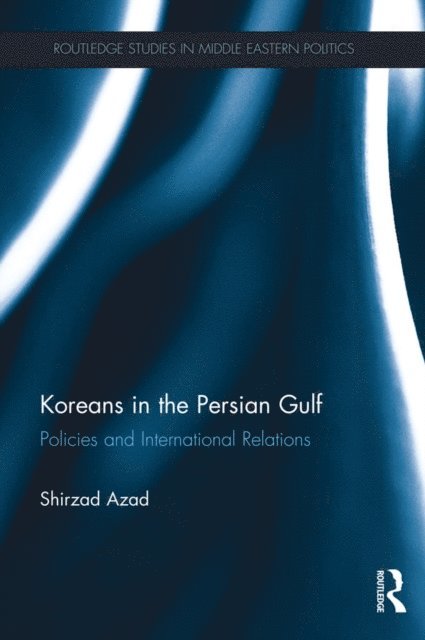
Koreans in the Persian Gulf
Policies and International Relations
Av Shirzad Azad
Häftad, 2019
486 kr
Lägg i varukorg
Analyzing the Korean Peninsula’s contemporary engagement with the Persian Gulf region from the 1950s to the present day, the book begins by asking the following question: What drew Koreans to the region in the first place and under what circumstances were they drawn there?While taking into account …
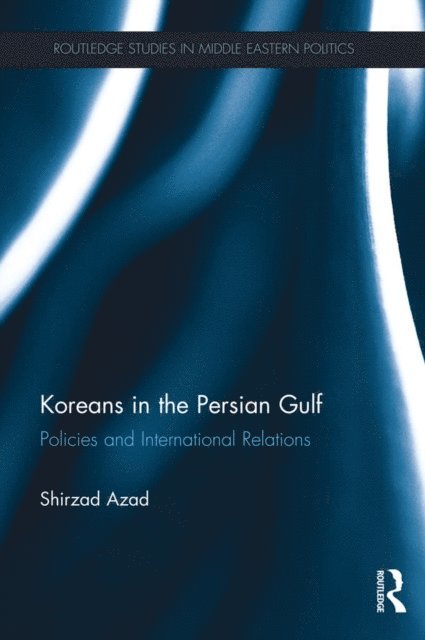
Koreans in the Persian Gulf
Policies and International Relations
Av Shirzad Azad
Inbunden, 2015
1821 kr
Lägg i varukorg
Analyzing the Korean Peninsula’s contemporary engagement with the Persian Gulf region from the 1950s to the present day, the book begins by asking the following question: What drew Koreans to the region in the first place and under what circumstances were they drawn there?While taking into account …
Koreans in the Persian Gulf
Policies and International Relations
Av Shirzad Azad
E-bok, 2015
555 kr
Lägg i varukorg
Analyzing the Korean Peninsula’s contemporary engagement with the Persian Gulf region from the 1950s to the present day, the book begins by asking the following question: What drew Koreans to the region in the first place and under what circumstances were they drawn there? While taking into …
Koreans in the Persian Gulf
Policies and International Relations
Av Shirzad Azad
E-bok, 2015
572 kr
Lägg i varukorg
Analyzing the Korean Peninsula’s contemporary engagement with the Persian Gulf region from the 1950s to the present day, the book begins by asking the following question: What drew Koreans to the region in the first place and under what circumstances were they drawn there? While taking into …
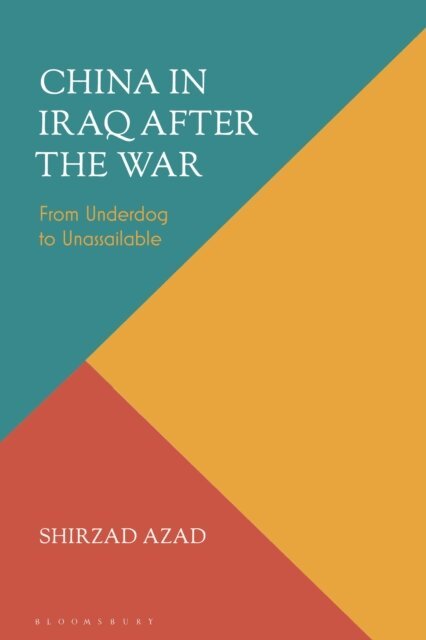
China in Iraq after the War
From Underdog to Unassailable
Av Shirzad Azad
Häftad, 2027
424 kr
Kommande
In this in-depth and wide-ranging study, Shirzad Azad explores the changing relationship between post-Saddam Hussein Iraq and the People’s Republic of China. China in Iraq After the War charts the deepening relationship between the two countries since the 2003 American-led invasion, that has seen …
China in Iraq after the War
From Underdog to Unassailable
Av Shirzad Azad
E-bok, 2025
1364 kr
Lägg i varukorg
In this in-depth and wide-ranging study, Shirzad Azad explores the changing relationship between post-Saddam Hussein Iraq and the People''s Republic of China. China in Iraq After the War charts the deepening relationship between the two countries since the 2003 American-led invasion, that has seen …
China in Iraq after the War
From Underdog to Unassailable
Av Shirzad Azad
E-bok, 2025
1335 kr
Lägg i varukorg
In this in-depth and wide-ranging study, Shirzad Azad explores the changing relationship between post-Saddam Hussein Iraq and the People''s Republic of China. China in Iraq After the War charts the deepening relationship between the two countries since the 2003 American-led invasion, that has seen …
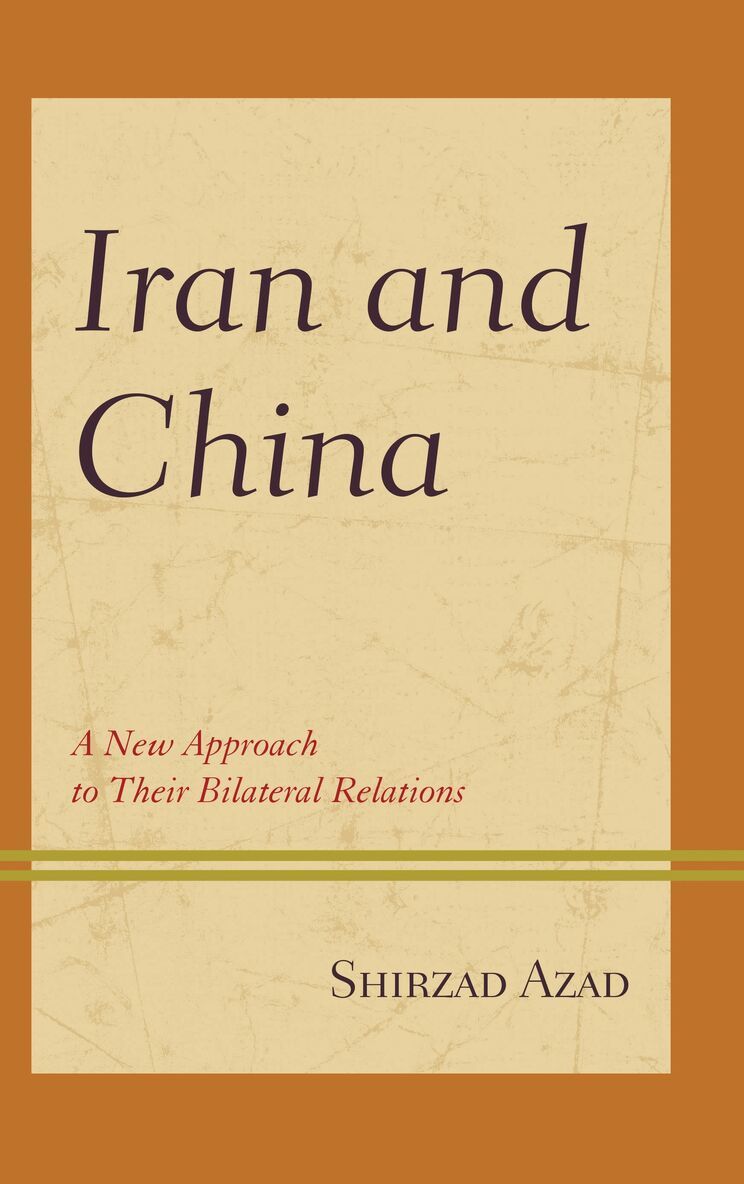
Iran and China
A New Approach to Their Bilateral Relations
Av Shirzad Azad
Inbunden, 2017
1204 kr
Lägg i varukorg
Because of their historical roles and politico-economic significance in contemporary international politics, Iran and China have perpetually been in the crosshairs of both policy circles and interested observers in almost every other part of the world. Crucial interactions touching upon any aspect …
Iran and China
A New Approach to Their Bilateral Relations
Av Shirzad Azad
Häftad, 2020
529 kr
Lägg i varukorg
Because of their historical roles and politico-economic significance in contemporary international politics, Iran and China have perpetually been in the crosshairs of both policy circles and interested observers in almost every other part of the world. Crucial interactions touching upon any aspect …
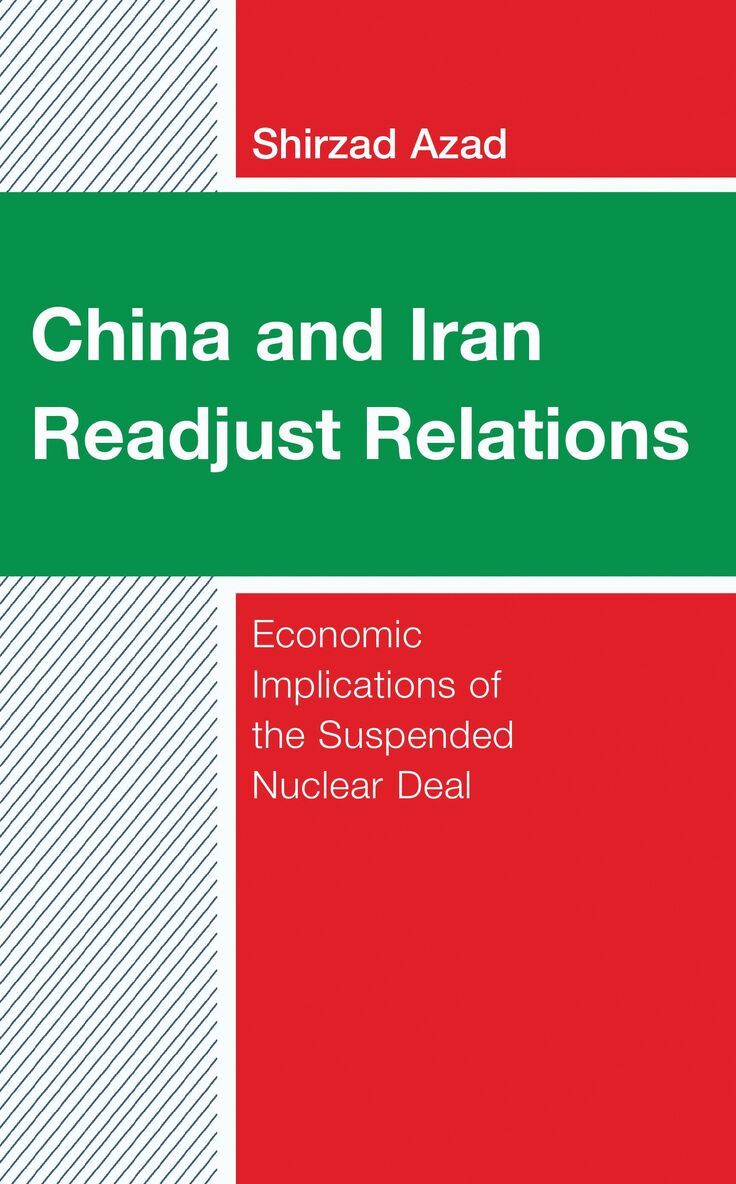
China and Iran Readjust Relations
Economic Implications of the Suspended Nuclear Deal
Av Shirzad Azad
Inbunden, 2024
1134 kr
Lägg i varukorg
The conclusion of the multilateral agreement about the Iranian nuclear issue in June 2015 was widely predicted to accelerate both the scope and size of commercial interactions between China and Iran. As a result, the two countries talked about the prospect of increasing their bilateral commerce …
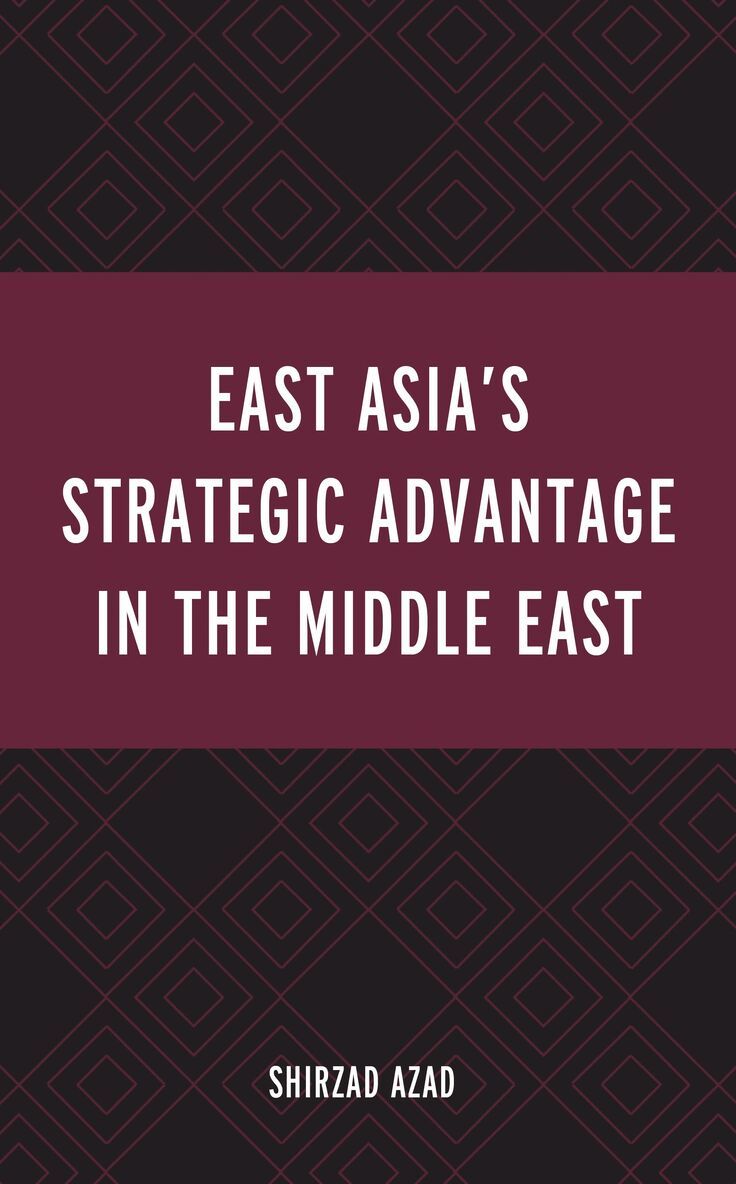
East Asia’s Strategic Advantage in the Middle East
Av Shirzad Azad
Inbunden, 2021
1204 kr
Lägg i varukorg
The modern trajectory of Middle Eastern–East Asian interactions has garnered very little scholarly attention and scrutiny. The two-way connection between both regions have witnessed a litany of activities and developments over the past several decades, but such dynamics are yet to be investigated …
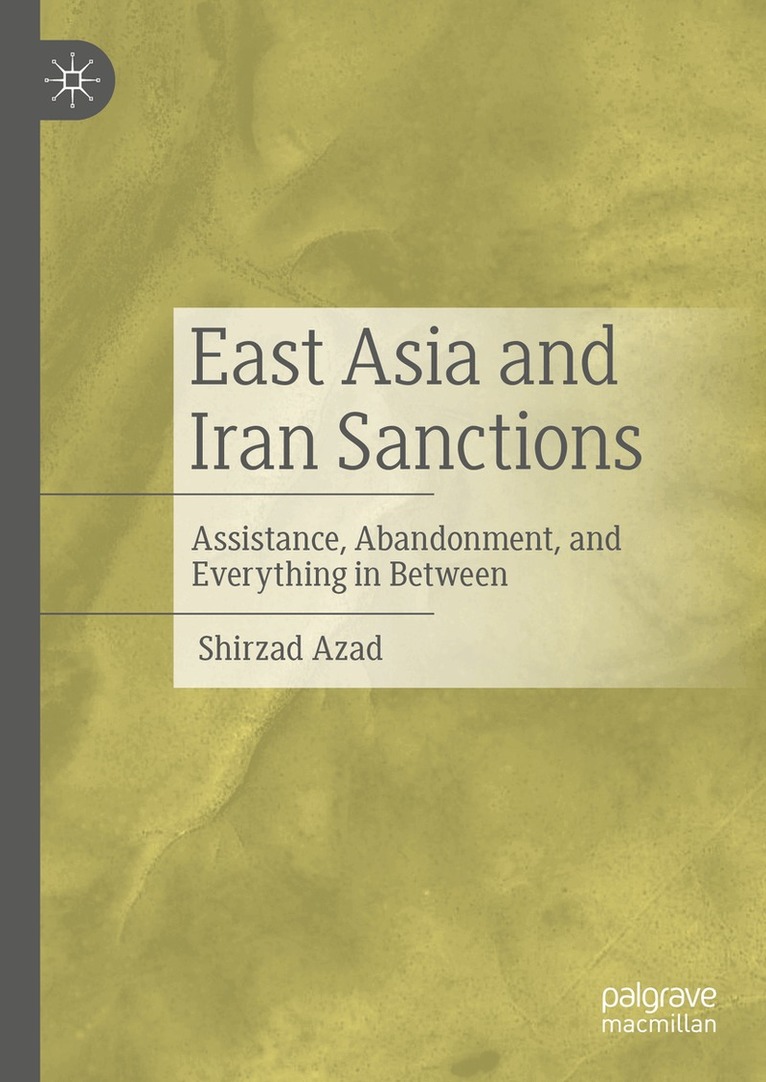
East Asia and Iran Sanctions
Assistance, Abandonment, and Everything in Between
Av Shirzad Azad
Inbunden, 2022
1408 kr
Lägg i varukorg
This book explores how international sanctions on Iran reshaped the contours of East Asia’s interactions with the Middle Eastern state. Almost all East Asian political entities, from the industrialized and developed nations of Japan and South Korea, to the communist and developing countries of …
East Asia and Iran Sanctions
Assistance, Abandonment, and Everything in Between
Av Shirzad Azad
E-bok, 2022
1948 kr
Lägg i varukorg
This book explores how international sanctions on Iran reshaped the contours of East Asia’s interactions with the Middle Eastern state. Almost all East Asian political entities, from the industrialized and developed nations of Japan and South Korea, to the communist and developing countries of …
East Asia and Iran Sanctions
Assistance, Abandonment, and Everything in Between
Av Shirzad Azad
Häftad, 2023
1408 kr
Lägg i varukorg
This book explores how international sanctions on Iran reshaped the contours of East Asia’s interactions with the Middle Eastern state. Almost all East Asian political entities, from the industrialized and developed nations of Japan and South Korea, to the communist and developing countries of …